Anime 25th Collection One Piece Cards Value: Complete Price Guide & Grading
Discover the comprehensive Anime 25th Collection One Piece cards value guide, top cards, grading tips, and investment insights for collectors and investors.

Estimated reading time: 18 min
Key Takeaways
- The Anime 25th Collection One Piece cards include several high-value SP cards like Boa Hancock and Tony Tony Chopper, which have attracted notable interest in the secondary market.
- PSA 10 graded cards often command premiums over raw cards, especially for rare SP and alternate art variants; premiums can vary widely depending on condition and demand.
- Card condition, centering, edges, and surface quality significantly affect value; digital grading tools like Midpoint can assist in pre-assessing these factors with millimeter accuracy and AI-powered surface analysis, potentially reducing grading risks.
- Price fluctuations occur regularly; recent sales data and marketplace trends provide useful snapshots for informed investment and selling decisions.
- Understanding the set contents, rarity tiers, and authenticating cards helps protect against counterfeits and can maximize selling potential; proper verification methods and community resources are important.
Card values — live data from Midpoint's card database, as of 2026-11-06. Prices move; Midpoint refreshes these daily.
| Card | Raw | PSA 10 | Gem premium | |
|---|---|---|---|---|
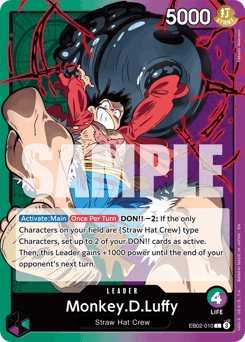 |
Monkey.D.Luffy #EB02-010 Anime 25th Collection (2025) |
$1,742 | $2,323 | 1.3× |
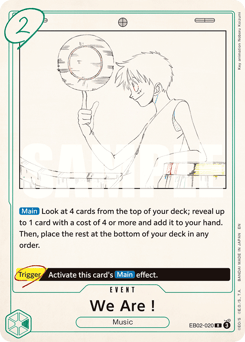 |
We Are! #EB02-020 Anime 25th Collection (2025) |
$1.67 | $225.00 | 134.7× |
 |
Portgas.D.Ace #EB02-028 Anime 25th Collection (2025) |
$89.29 | $197.43 | 2.2× |
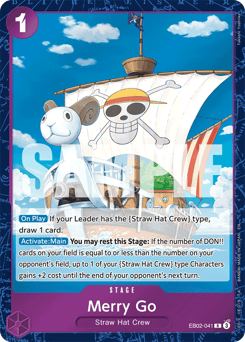 |
Merry Go #EB02-041 Anime 25th Collection (2025) |
$2.47 | $190.50 | 77.1× |
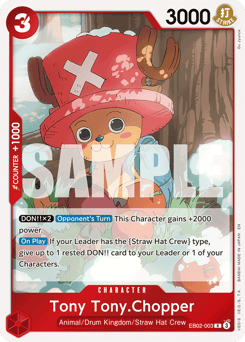 |
Tony Tony.Chopper #EB02-003 Anime 25th Collection (2025) |
$32.61 | $135.86 | 4.2× |
 |
Yamato #EB02-006 Anime 25th Collection (2025) |
$35.49 | $134.33 | 3.8× |
 |
Jinbe #EB02-055 Anime 25th Collection (2025) |
$0.23 | $130.50 | 567.4× |
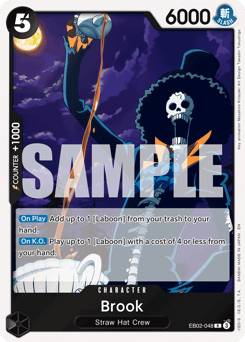 |
Brook #EB02-048 Anime 25th Collection (2025) |
$13.09 | $128.49 | 9.8× |
 |
Nico Robin #EB02-036 Anime 25th Collection (2025) |
$33.96 | $126.11 | 3.7× |
 |
Roronoa Zoro #EB02-019 Anime 25th Collection (2025) |
$22.67 | $115.77 | 5.1× |
 |
Trafalgar Law #EB02-045 Anime 25th Collection (2025) |
$22.15 | $85.08 | 3.8× |
 |
Usopp #EB02-022 Anime 25th Collection (2025) |
$20.00 | $84.19 | 4.2× |
Look up any card's current raw and graded value in Midpoint — and get an estimated grade before you pay to submit.
Table of Contents
- Section 1: Overview of the Anime 25th Collection One Piece Set
- Section 2: Most Valuable Anime 25th Collection Cards and Their Values
- Section 3: Raw vs Graded Values and the PSA 10 Premium
- Section 4: How Card Condition and Centering Impact Value
- Section 5: Identifying Authentic Cards and Avoiding Counterfeits
- Section 6: Marketplaces, Selling Tips, and Fees
- Section 7: Investment Potential and Risks of Anime 25th Collection Cards
Conclusion
FAQ
Section 1: Overview of the Anime 25th Collection One Piece Set
Set Release and Contents
The Anime 25th Collection One Piece set was officially released in early 2025 to celebrate the quarter-century milestone of the One Piece anime series, which has a large global fanbase. This set comprises approximately 100 cards, curated to include a mix of base cards, alternate art variants, SP (Special) rarity cards, and limited promotional inserts distributed through various events and retailers.
The card roster highlights popular characters such as Monkey D. Luffy, Boa Hancock, Tony Tony Chopper, Roronoa Zoro, and others. Each character is often represented in multiple variants, including traditional artwork, foil-enhanced versions, and alternate art renditions that showcase unique scenes or stylistic interpretations from the anime. The inclusion of these variants enhances collectibility and appeals to both collectors and investors.
Rarity Tiers and Card Types
Understanding the different rarity tiers is important for assessing the value and collectibility of cards in this set. The Anime 25th Collection categorizes cards primarily into three types:
- Base cards: These are the most common cards featuring standard artwork and typically a foil finish, often comprising characters in iconic poses or scenes. Base cards generally have larger print runs, making them widely available and more affordable. For example, the Zoro Base Card (number 010) is a typical base card with moderate value.
- SP cards: Standing for "Special," these cards are rarer versions featuring alternate art, unique foil patterns, or special holographic effects. SP cards are typically printed in limited quantities and often highlight popular characters, making them sought after. Their scarcity and distinctive visuals contribute to their higher market values.
- Alternate art variants: These cards differ from the base versions by showcasing unique artwork, sometimes commissioned specifically for the anniversary set or featuring artwork from illustrators. They generally have a lower print run than base cards but may be more or less rare depending on the character and variant.
SP cards tend to command higher market value due to their scarcity and desirability, with alternate art variants following depending on the specific card's rarity and appeal.
Set Popularity and Collectibility
The Anime 25th Collection has gained popularity in both domestic (Japanese) and international markets, fueled by the enduring fanbase of One Piece and the production quality of the card set. The set is noted for its printing quality, foil effects, and character depictions, which contribute to its desirability.
Collector enthusiasm is particularly strong around the SP cards, which often sell out quickly at release and maintain demand in the secondary market. The set’s blend of nostalgia and modern design enhances its collectible appeal, attracting a range of buyers from casual fans to collectors and investors.
| Card Name | Card Number | Rarity | Raw Value (Near Mint) | PSA 10 Value |
|---|---|---|---|---|
| Boa Hancock SP | SP-001 | SP | $180 | $950 |
| Tony Tony Chopper SP | SP-002 | SP | $120 | $600 |
| Monkey D. Luffy SP | SP-003 | SP | $150 | $800 |
| Zoro Base Card | 010 | Base | $10 | $50 |
The table above highlights select cards with approximate market values as of late 2026. These numbers reflect averages from recent sales and provide a snapshot of the current landscape.
Section 2: Most Valuable Anime 25th Collection Cards and Their Values
Top SP Cards by Market Value
The most valuable cards within the Anime 25th Collection are predominantly SP rarity cards, which combine limited print runs, alternate artwork, and popular characters. As of late 2026, notable examples include:
- Boa Hancock SP (SP-001): This card is considered one of the most sought-after in the set. Raw Near Mint copies typically sell in the $160-$180 range depending on condition and market timing. PSA 10 graded copies often sell between $900 and $1,000 due to their scarcity and condition. Auction records have occasionally seen sales above $1,000, especially when PSA 10 examples are rare.
- Monkey D. Luffy SP (SP-003): As the series protagonist, Luffy’s SP card is highly collectible. Raw Near Mint prices average around $140-$160, while PSA 10 graded cards fetch $750-$850. Market demand for Luffy variants tends to remain steady due to his iconic status.
- Tony Tony Chopper SP (SP-002): Chopper’s SP card is somewhat less expensive but remains valuable. Raw cards trade around $110-$130, with PSA 10 graded copies typically priced between $550 and $650. Its value is supported by Chopper’s popularity and the card’s aesthetic appeal.
The premiums on these cards illustrate how rarity, character appeal, and grading influence market prices.
Other Valuable Cards Worth Watching
While SP cards dominate the high-end market, alternate art base cards and certain promotional inserts also maintain value, especially when they feature unique foil patterns or artist signatures. For instance, select alternate art cards numbered in the early part of the set (e.g., cards 001-020) with distinct foil finishes may retail for $50-$100 in Near Mint raw condition and reach $200-$300+ when graded at PSA 9 or 10.
Collectors should also monitor rare promotional inserts released at conventions or through limited campaigns, as these often appreciate due to their scarcity. Staying informed via price guides, such as the Anime 25th Collection price guide, helps identify emerging value trends.
Value Trends by Card Number and Variant
Card numbering and variant types play a role in determining value. Generally, lower-numbered SP cards have smaller print runs and higher desirability. For example, SP-001 (Boa Hancock) is often more valuable than SP-005 or later numbers due to its availability and character popularity.
Alternate art variants with exclusive artwork or those featuring foil textures that differ from base versions often command premiums. Additionally, cards featured prominently in media or promotional campaigns may see increased collector interest, sometimes causing value spikes.
Tracking recent sales through platforms such as eBay sold listings and specialized auction houses provides insight into current pricing and helps anticipate future value trends.
Section 3: Raw vs Graded Values and the PSA 10 Premium
Understanding Raw Card Values
Raw card values represent prices of cards that have not undergone professional grading. These prices depend heavily on the card’s visible condition, centering, surface quality, and any imperfections. For the Anime 25th Collection, raw Near Mint SP cards command solid prices, but values can drop with minor flaws.
Marketplaces like eBay and TCGPlayer show raw card prices ranging from around $10 for common base cards up to $180 for top-condition SP cards like Boa Hancock. However, raw prices fluctuate with supply and demand, and the absence of grading introduces uncertainty for buyers regarding true condition, often limiting raw card prices compared to graded cards.
The Impact of PSA 10 Grading
Professional grading by companies like PSA certifies a card’s condition, assigning a grade from 1 to 10, with 10 representing Gem Mint, or virtually flawless condition. Achieving a PSA 10 grade can increase a card’s market value, commonly by several times the raw price for high-demand cards.
For example, the Boa Hancock SP card’s value may increase from approximately $180 raw to around $950 when graded PSA 10, reflecting collector confidence in its authenticity and condition. This premium is often justified by the reduced risks of defects and the prestige associated with PSA 10 cards in the secondary market.
However, grading is not guaranteed. Cards submitted for grading can receive lower grades than expected due to minute flaws, centering issues, or surface blemishes, which can affect realized value. Therefore, pre-grading assessments are helpful to avoid unnecessary grading fees and maximize returns.
Other Grading Companies and Comparisons
Besides PSA, other reputable grading companies include Beckett Grading Services (BGS), Certified Guaranty Company (CGC), and Trading Card Authentication Grading (TAG). Each has unique grading criteria and market recognition:
- BGS: Known for subgrades (centering, edges, surface, corners) and often preferred for its detailed grading reports. BGS 9.5 (Gem Mint) grades can command premiums close to PSA 10 in some markets.
- CGC: Gaining recognition in card grading with transparent grading breakdowns and authentication tools.
- TAG: A newer entrant focusing on anime and gaming cards, with growing market acceptance.
Despite these options, PSA remains a predominant grader for One Piece cards due to its established market trust and liquidity.
Tools like Midpoint’s AI-powered digital grading can estimate grades by analyzing high-resolution images, providing users with pre-submission grading predictions. This may reduce grading costs and improve decision-making on which cards to grade. For more details, see our pre-grading guide.
Section 4: How Card Condition and Centering Impact Value
Key Condition Factors
The value of Anime 25th Collection cards depends heavily on four primary condition elements that grading companies evaluate:
- Centering: The degree to which the card’s artwork is centered within its borders, often expressed as a percentage. Perfect centering (50/50) is rare and highly prized.
- Edges: The sharpness and absence of nicks, fraying, or whitening along the card’s edges.
- Surface: Freedom from scratches, stains, print defects, or other blemishes that can detract from visual appeal.
- Corners: Crispness and lack of rounding or wear at the card corners.
Cards that score near-perfect in these categories command higher premiums, as even minor imperfections can reduce grade and value.
Measuring Centering Precisely
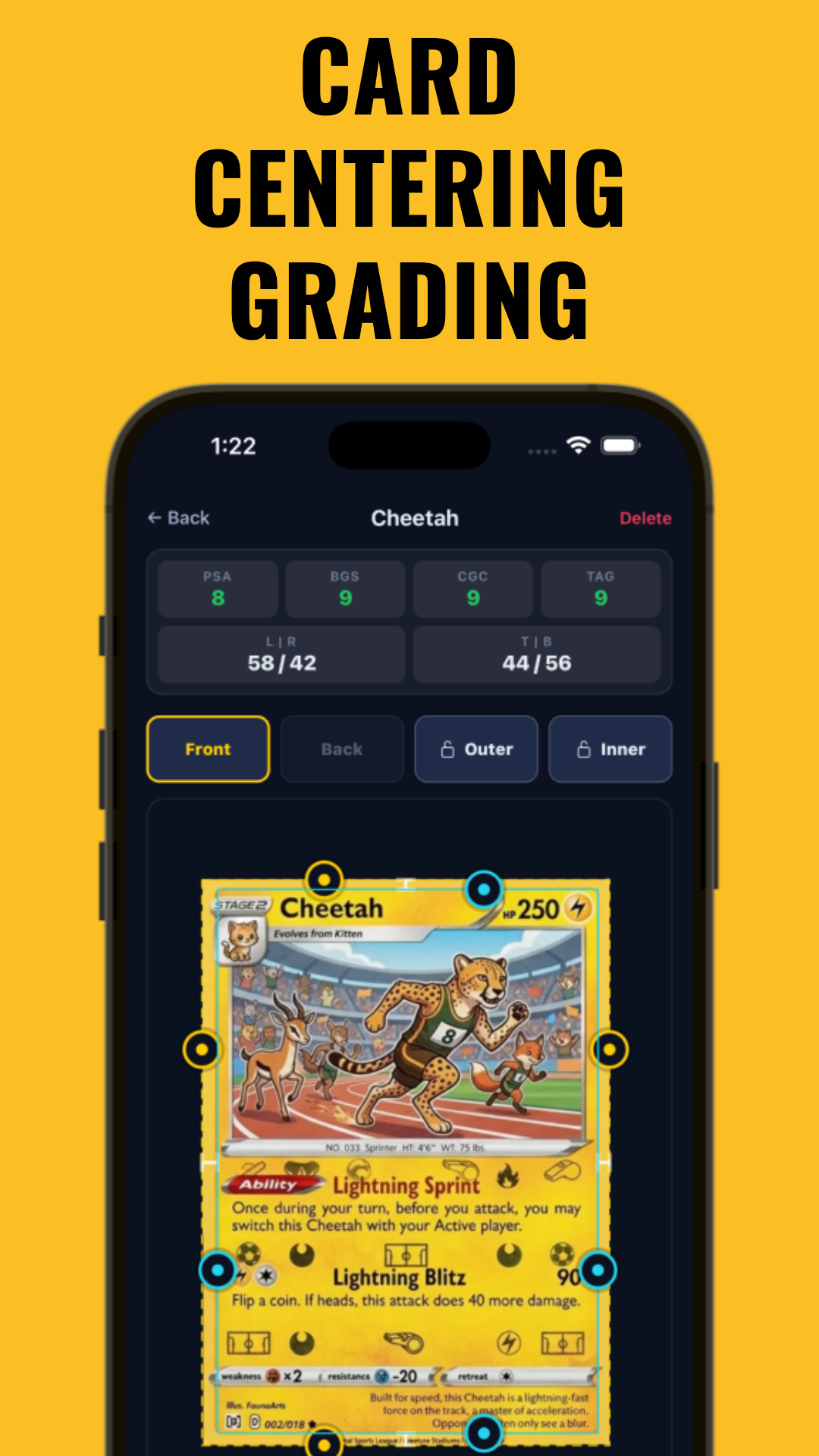
Centering is challenging for collectors to evaluate accurately by eye, yet it has a significant impact on grading outcomes. For example, a card with centering off by just 1-2 millimeters can be graded PSA 9 instead of PSA 10, causing price differences of hundreds of dollars.
Midpoint’s centering measurement tool uses high-resolution scans and AI to provide millimeter-level centering analysis, displaying front and back centering percentages. This helps collectors objectively assess centering before grading submission, reducing surprises and optimizing grading investment.
Surface and Edge Considerations
Surface flaws—such as micro-scratches, print lines, or dust inclusions—can be difficult to see but negatively impact grade. Similarly, edge wear like chipping or whitening, often caused by handling or storage, reduces desirability.
AI-powered condition analysis tools like Midpoint’s surface grading algorithm scan for subtle imperfections, providing a condition score to complement human inspection. This insight guides collectors to better preserve cards and choose which cards to grade.
Proper card storage is also important. Recommendations include using high-quality sleeves, top loaders, and avoiding exposure to direct sunlight or humidity. For detailed guidance, refer to The Ultimate Collector's Guide, which covers best practices to maintain card condition and maximize long-term value.
Section 5: Identifying Authentic Cards and Avoiding Counterfeits
Common Authenticity Markers
Authentic Anime 25th Collection cards exhibit distinct printing characteristics, foiling patterns, and physical attributes that distinguish them from counterfeits. Key authenticity markers include:
- Card Stock: Official cards use high-quality cardstock with specific weight and texture, which can sometimes be verified by measuring thickness and flexibility.
- Foil and Holographic Effects: SP cards have precisely applied foiling with consistent patterns. Irregularities or inconsistent shine may indicate fakes.
- Serial Numbers and Logos: Authentic cards have serial numbers or set logos printed in exact fonts and locations. Deviations or misspellings are red flags.
- Print Quality: Sharp, clear images without pixelation or blurring are signs of authenticity.
Risks of Counterfeits and Misidentified Variants
The rising value of SP and alternate art cards has increased counterfeit activity. Fake cards often display poor centering, uneven foiling, incorrect fonts, or altered images. Additionally, some sellers misidentify variants, misleading buyers about scarcity and value.
Counterfeit cards can cause financial loss and damage collector confidence. Awareness and caution are important when purchasing high-value cards.
Verification Tools and Resources
Digital tools like Midpoint assist in authenticating cards by comparing submitted images against databases of verified authentic cards. Features include pattern recognition, font analysis, and serial number verification.
Collectors are encouraged to cross-reference cards with official release information, consult community forums such as r/OnePieceTCG or dedicated Discord groups, and seek expert opinions when in doubt.
Purchasing from reputable sellers and platforms with buyer protections further reduces counterfeit risks.
Section 6: Marketplaces, Selling Tips, and Fees
Where to Buy and Sell Anime 25th Collection Cards
The primary marketplaces for purchasing and selling Anime 25th Collection cards include:
- eBay: Offers extensive reach and active bidding but includes variable seller fees (approximately 10-12%) and requires careful buyer/seller vetting.
- TCGPlayer: A specialized trading card platform favored for its card-specific search and pricing data, with seller fees around 7-10%.
- Specialized Auction Sites: Platforms focusing on anime or collectible cards may offer higher-value sales but often charge premium fees.
Physical conventions and local game stores also provide venues for buying and selling, though prices may vary due to local demand.
How Fees Affect Net Sale Price
Sellers must account for marketplace fees when pricing cards to ensure desired net proceeds. Typical fees range from 5% to 15% depending on the platform and sale price. For example, selling a PSA 10 Boa Hancock SP card at $950 on eBay with a 12% fee results in approximately $836 net before shipping costs.
Additionally, grading submissions cost $30 or more per card, plus shipping and insurance fees. Factoring these costs into overall profitability is important.
Maximizing Sale Value
- Submit high-condition cards for grading: Graded cards often command higher prices and attract more buyers.
- Provide detailed photos and condition notes: High-quality images showing front, back, corners, and edges build buyer trust.
- Time sales strategically: Selling during market peaks, anime conventions, or related media events can boost prices.
- Use portfolio tracking tools: Platforms like Midpoint enable monitoring of collection value trends and alerts for optimal selling windows.
- Bundle sales: Offering multiple cards together can attract bulk buyers and reduce per-card shipping costs.
Section 7: Investment Potential and Risks of Anime 25th Collection Cards
Are These Cards Worth Investing In?
The Anime 25th Collection One Piece cards have shown interest as collectibles, especially PSA 10 graded SP cards, which combine scarcity, fan appeal, and cultural significance. The One Piece franchise’s sustained popularity globally supports ongoing demand.
Investors may benefit from the set’s diverse card pool, selecting key SP cards and rare variants to build portfolios. Some market data suggests appreciation in graded SP card values over recent periods, though individual results vary.
Risks to Consider
- Price volatility: Market fluctuations influenced by new releases, anime events, and economic conditions require active monitoring.
- Condition sensitivity: Minor flaws can reduce value, making condition assessment important.
- Grading uncertainty: Submission outcomes vary; a card expected to grade PSA 10 may receive lower grades, impacting premiums.
- Counterfeit risk: Increasing fake card circulation necessitates vigilance and authentication.
- Market saturation: Future reprints or similar sets could affect demand and long-term value.
Mitigating Risks with Midpoint
Midpoint’s AI-powered tools offer several risk mitigation advantages:
- Grading Estimates: Predict likely grade outcomes to avoid costly submission of lower-grade candidates.
- Centering Measurements: Precise centering data helps select cards with higher grading potential.
- Condition Analysis: Detects surface flaws and edge wear not easily visible, improving grading success.
- Portfolio Tracking: Monitors market value changes and sales trends for informed selling decisions.
Using Midpoint alongside community resources and official price guides can help collectors and investors make informed decisions and manage risks. Explore more at Midpoint.
Conclusion
The Anime 25th Collection One Piece cards offer opportunities for collectors and investors, featuring notable SP cards like Boa Hancock and Monkey D. Luffy that command premiums in raw and graded conditions. Understanding the set’s rarity tiers, condition factors, and grading premiums is important to maximizing value.
Tools like Midpoint assist by providing precise centering and surface assessments before grading submissions, potentially reducing risk and enhancing profitability. By carefully selecting cards to grade and selling through appropriate channels, collectors can engage with ongoing market demand while mitigating risks related to condition and counterfeit concerns.
Staying updated with recent sales data and trusted price guides supports smart collecting and investing in this dynamic market, combining enthusiasm for One Piece with informed financial decisions.
FAQ
Q: How much are One Piece Anime 25th Collection cards worth?
A: Values vary widely by card rarity and condition. Raw Near Mint SP cards like Boa Hancock SP generally range around $120-$180, while PSA 10 graded copies can reach higher values depending on market conditions. Base cards typically range from about $10-$50 raw and $40-$70 graded depending on condition.
Q: What is the most expensive card in Anime 25th Collection?
A: The Boa Hancock SP card (SP-001) is among the most valuable, with PSA 10 graded copies often valued near $950, and occasional sales exceeding $1,000 during strong market conditions.
Q: How much is the Boa Hancock SP Anime 25th Collection card worth?
A: Raw Near Mint copies are approximately $180, and PSA 10 graded versions have been valued around $950 based on recent market data.
Q: How much is the Tony Tony Chopper SP card worth?
A: Raw Near Mint Tony Tony Chopper SP cards generally sell for about $120, with PSA 10 grades fetching up to $600, depending on market trends.
Q: What are the rarest cards in the Anime 25th Collection set?
A: SP rarity cards, especially alternate art variants of major characters like Boa Hancock, Monkey D. Luffy, and Tony Tony Chopper, are among the rarest and most valuable. Limited promotional inserts also rank among the rarest due to limited distribution.
Q: Are One Piece Anime 25th Collection cards a good investment?
A: They can be, particularly graded SP cards in excellent condition. However, price volatility, grading risks, and counterfeit concerns mean investors should conduct careful research. Utilizing tools like Midpoint for grading estimates and condition analysis can help mitigate risks and support informed investment decisions.
Free to start
Try the Midpoint app
Grade any card from a photo, see its raw and PSA 10 value, and track what your collection is worth — free.
Get it on iPhoneGet it on Android