Best Card Price Checker App: Ultimate Guide to Card Values
Discover the best card price checker app to value your cards accurately, compare raw vs graded prices, and track market trends effortlessly.

Estimated reading time: 12 min
Key Takeaways
- Best card price checker apps provide pricing information for raw and graded cards, often updated regularly.
- Understanding card grading, population reports, and condition helps with more accurate valuation.
- Midpoint offers AI-powered digital grading and portfolio tracking across major card types.
- Knowing when to sell raw vs graded cards can help maximize your collection’s value.
- Advanced tools may include batch scanning, price alerts, and market trend charts.
Are you wondering, "how much are my cards worth?" or searching for the best card price checker app to help price your collection? Whether you collect Pokémon, Magic: The Gathering, sports cards, or other trading cards, accurately determining your cards' value is important. Values fluctuate based on grading, rarity, population reports, and market trends. This guide covers how to check card prices, why graded cards often command premiums, and how to use tools like Midpoint to streamline your valuation process.
1. Best Card Price Checker App: Why Midpoint Stands Out
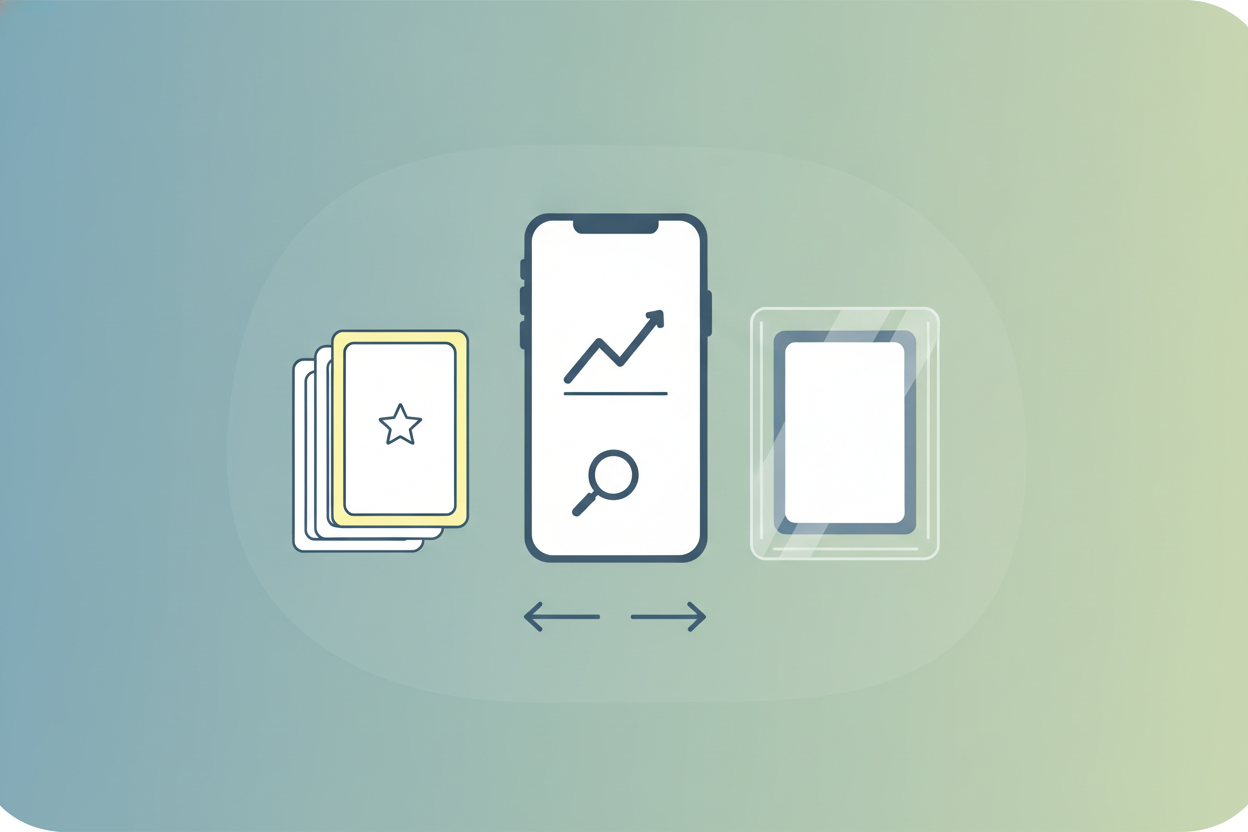
Midpoint is an all-in-one trading card collector app that combines AI digital grading, comprehensive card lookup, and portfolio tracking. With access to raw vs graded values for over 250,000 cards, it’s a fast way to check card prices.
Unlike apps that only provide basic pricing, Midpoint estimates PSA, BGS, CGC, and TAG grades by analyzing centering, corners, edges, and surface condition — all before you pay $30+ for professional grading. This can help you decide if grading might add value or if you should sell raw.
- AI-powered grading predicts your card’s condition and grade category.
- Instant lookup with current market prices and historical trends.
- Supports Pokémon, Magic, Yu-Gi-Oh, sports cards, and more.
- Portfolio tracking shows your collection’s value over time.
- Precise centering measurement down to the millimeter.
2. How to Check Card Prices: Raw vs Graded Values Explained
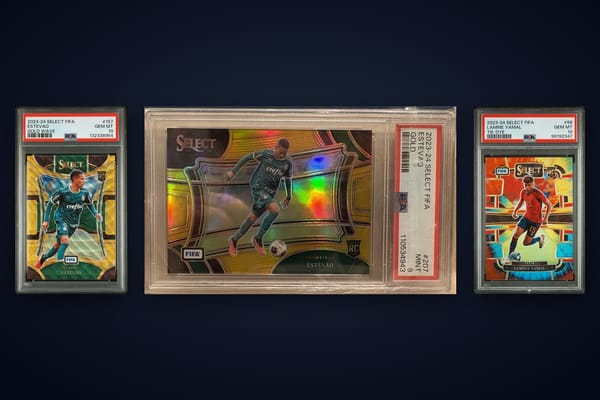
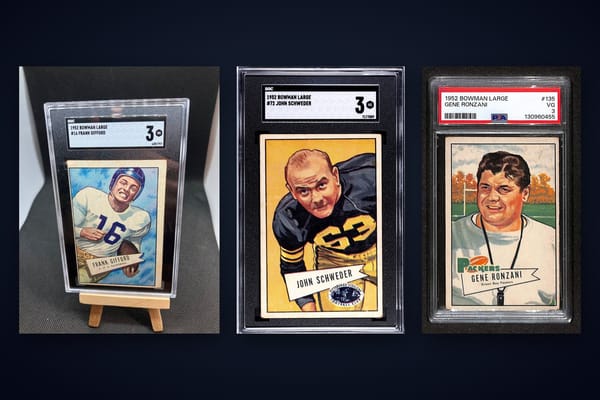
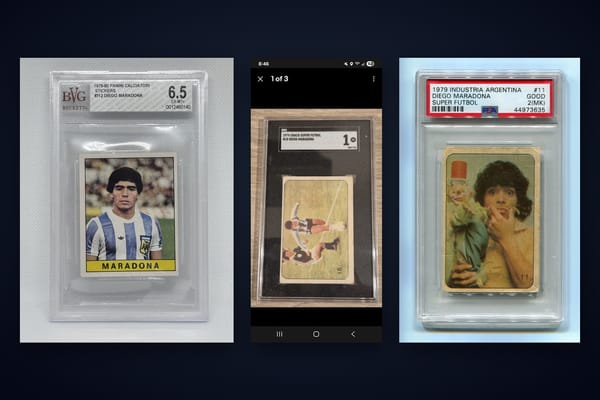
Card values differ between raw (ungraded) and graded versions. Grading companies like PSA, BGS, CGC, and TAG assign condition grades from 1 to 10 based on centering, edges, corners, and surface quality.
Raw cards often sell for less due to uncertainty about condition and authenticity. Graded cards can command premium prices—sometimes multiples more—especially for high grades or low population cards. However, grading fees and turnaround times add cost and wait.
- Raw card value depends on visible condition, rarity, and demand.
- Graded card value factors in the assigned grade and population reports.
- Population reports show how many cards have a certain grade, impacting scarcity and price.
- Midpoint’s lookup feature displays prices for both raw and graded cards side-by-side.
3. What Makes a Card Valuable: Key Factors to Consider
Understanding what drives a card’s value helps collectors and sellers price their cards effectively. The main factors include:
- Grading and Condition: Better centering, sharp edges, and clean surfaces generally increase value.
- Rarity and Edition: Limited print runs, first editions, or special variants often raise prices.
- Player or Character: Popular or iconic players/characters can boost demand.
- Population Reports: Low-grade population cards may be less valuable, while low-population high-grade cards are often prized.
- Market Trends: Fluctuations driven by tournaments, retirements, or media appearances can impact prices.
For a deep dive, check out How Centering Impacts Card Value: A Detailed Guide to understand the grading nuances that affect pricing.
4. How Population Reports Affect Card Value
Population reports from grading companies show how many cards of each grade exist for a given card. When fewer cards have a top grade, scarcity can drive up prices. Conversely, an abundance of a certain grade may suppress value.
For example, a PSA 10 with a population of 50 may fetch a higher price than a PSA 10 with 500 graded copies. Midpoint integrates population insights to help you gauge market scarcity and set realistic prices.
5. Should I Sell Raw or Graded Cards? Decision Factors
Deciding whether to sell raw or graded depends on your card’s condition, market demand, and grading costs. Consider these points:
- If your card is in excellent condition with strong centering, grading can increase its value.
- For lower-grade cards or damaged ones, selling raw may be more practical.
- Midpoint’s AI grading tool can predict your card’s grade before submission, potentially avoiding costly grading fees on low-value cards.
- Market timing matters: graded cards may sell better during peak demand cycles.
For a step-by-step approach, see How to Pre-Grade Your Card: A Step-by-Step Guide.
6. Card Value Scanner Features to Look For
The best card value scanner apps offer more than simple lookups. Here’s what to prioritize:
- Accurate AI Grading: Digital centering and condition analysis to estimate professional grades.
- Extensive Database: Access to prices for many cards, including recent sales data.
- Real-Time Pricing: Market updates and sold comps for valuations.
- Portfolio Management: Track collection value over time and organize your inventory.
- Batch Scanning: Quickly process multiple cards and export reports.
- Alerts: Price drop and market trend notifications to time sales effectively.
Midpoint supports major card types like Pokémon, sports, Magic, Yu-Gi-Oh, and more.
7. Price History Charts and Market Trends
Tracking price history and market trends helps you decide when to buy, sell, or hold. Look for apps with charts showing fluctuations over weeks, months, or years.
Midpoint offers interactive price history for raw and graded cards, along with alerts on significant market changes. This data can be useful for investors and serious collectors aiming to maximize returns.
8. Free vs Paid Plans: What to Expect
Many card price checker apps offer a free tier with basic lookup and limited scans, while premium subscriptions unlock advanced features like batch scanning, portfolio tracking, and detailed grading reports.
Midpoint’s free app on iOS and Android provides grading estimates and pricing for thousands of cards. Premium features expand usability for dealers and investors managing large inventories.
9. Marketplace Integration and Selling Workflow
Top apps may integrate buy/sell workflows or link to marketplaces, streamlining transactions. Features include:
- Direct listing of cards for sale with pricing guidance.
- Inventory management syncing with marketplace activity.
- Price alerts for buyer interest or market shifts.
While Midpoint focuses on valuation and grading, pairing it with marketplace platforms can enhance your selling strategy.
10. Best Use Cases: Casual Collectors, Sellers, Dealers, and Investors
Different users rely on card price checker apps for diverse needs:
- Casual collectors check values occasionally and want fast, accurate lookups.
- Sellers use grading predictions to price cards competitively.
- Dealers leverage batch scanning, portfolio tools, and pricing to manage inventory.
- Investors analyze market trends and population data to buy low and sell high.
Midpoint’s versatility makes it useful across these groups, especially with its AI grading and detailed centering measurement features. For example, learn more about grading with the Card Centering Tool: Accurate Card Grading Estimates post.
Conclusion
Choosing the best card price checker app means finding one that offers up-to-date data, AI grading, portfolio management, and broad card type support. Midpoint combines these features, enabling you to understand your cards' worth, compare raw vs graded prices, and make informed decisions on selling or grading.
By understanding what makes a card valuable, how population reports influence pricing, and when to hold or sell, you can better maximize your collection’s potential. Try Midpoint today to get instant PSA, BGS, CGC, and TAG grade estimates and precise card centering measurements — available on iOS and Android. Visit Midpoint to start optimizing your card collection’s value now.
FAQ
Q: What is the most accurate card price checker app?
A: Midpoint is among the apps offering AI-powered digital grading and access to over 250,000 cards with pricing for raw and graded versions.
Q: Which card scanner app gives real-time sold prices?
A: Midpoint provides pricing from recent sales and market trends, helping users see current card values.
Q: Is there a free app to scan trading cards and check value?
A: Yes, Midpoint offers a free app for iOS and Android that includes card scanning, AI grading estimates, and value lookup without upfront costs.
Q: What app is best for Pokémon card prices?
A: Midpoint supports Pokémon cards extensively, offering centering measurement and grading estimates alongside pricing data.
Q: What app is best for sports card price checking?
A: Midpoint covers major sports card types with grading and pricing tools tailored for baseball, basketball, football, hockey, and soccer cards.
Q: Do card price checker apps support portfolio tracking and price alerts?
A: Yes, Midpoint includes portfolio tracking features and can notify users about price changes and market trends to help manage collections.
Free to start
Try the Midpoint app
Grade any card from a photo, see its raw and PSA 10 value, and track what your collection is worth — free.
Get it on iPhoneGet it on Android