
Card Condition: The Complete Guide to Grading, Inspection, and Value
Master card condition: grading scales, how to check for corner, edge, and surface flaws, and how condition impacts value. Expert tips for collectors.

Estimated reading time: 12 min
Key Takeaways
- Understand the commonly used card condition scale from Mint to Damaged and what defects typically qualify for each.
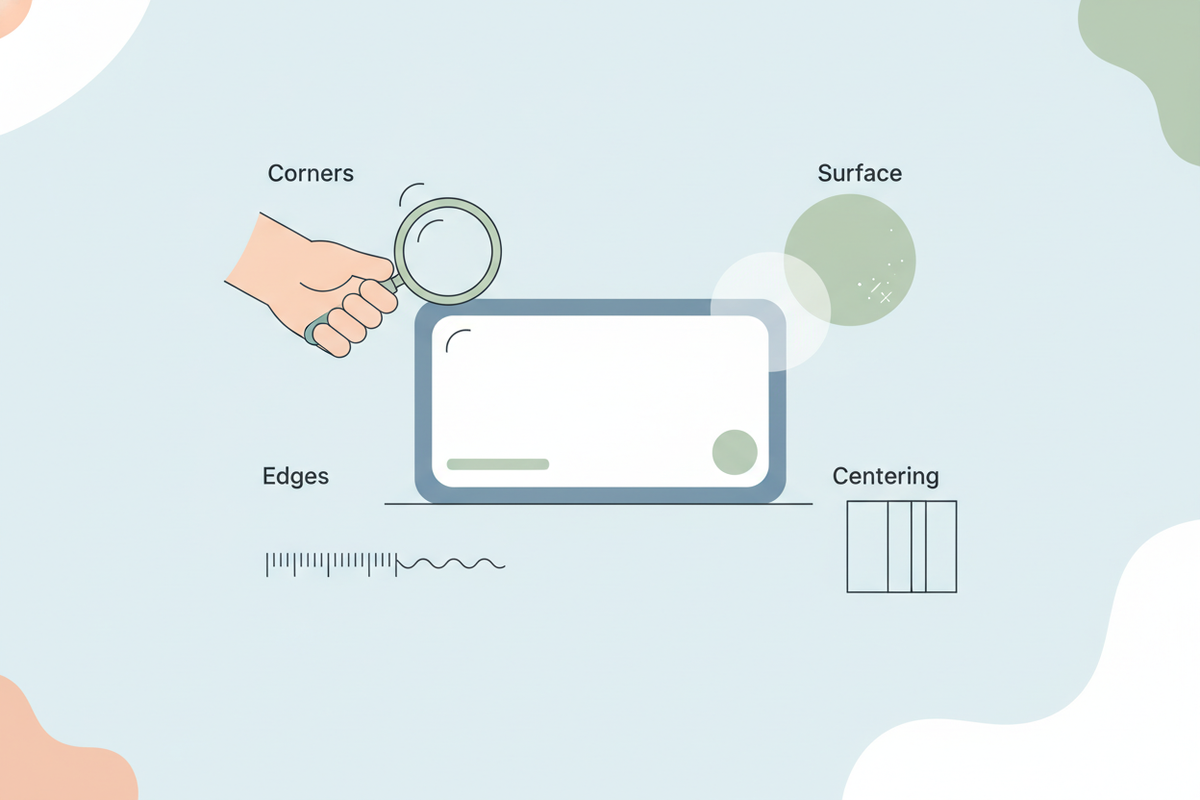
- Learn how to inspect corners, edges, surfaces, and centering carefully to assess card condition at home.
- Discover how different marketplaces and professional graders treat condition and grading nuances.
- Get practical tips for photographing and documenting flaws to help avoid disputes and returns.
- Use Midpoint’s AI-powered digital grading to estimate professional grades and centering before submission.
Table of Contents
- Section 1: Understanding the Card Condition Scale
- Section 2: Inspecting Corners, Edges, and Surface for Defects
- Section 3: Centering, Print Lines, and Miscuts Impact on Condition
- Section 4: Marketplace Standards and Condition Descriptions
- Section 5: Card Condition vs Professional Grading Explained
- Section 6: Photographing Cards for Accurate Condition Documentation
- Conclusion
- FAQ
Section 1: Understanding the Card Condition Scale
The Six Common Condition Tiers
When buying, selling, or grading trading cards, the condition scale is fundamental. Most marketplaces and grading companies use a set of terms to describe card condition, though exact definitions may vary slightly:
- Mint (M): Cards with no visible wear or defects, exhibiting sharp edges, corners, surfaces, and good centering.
- Near Mint (NM): Cards that are nearly perfect with only very minor imperfections visible under close inspection (e.g., slight corner wear, tiny surface marks).
- Lightly Played (LP): Cards showing minor signs of handling such as slight whitening on edges, faint scratches, or minor corner wear.
- Moderately Played (MP): Cards with noticeable wear including whitening, edge wear, small creases, or surface scuffs but still structurally sound.
- Heavily Played (HP): Cards with significant damage such as heavy creases, dents, rounded corners, or discoloration.
- Damaged (D): Cards with severe flaws like large creases, water damage, tears, missing pieces, or severe warping.
How Defects Typically Define Condition
Each condition tier generally corresponds to the severity and type of defects present. For example, whitening on card edges may be acceptable within NM if minimal but may push a card into LP or MP if more pronounced. Creases or dents usually lower a card to MP or below depending on size and visibility.
Grading companies have documented tolerances for these defects, though interpretations can vary. Understanding these helps you assign condition as accurately as possible before submitting or listing.
Why Condition Matters
Condition directly affects a card’s value, sellability, and grading outcome. Even minor defects can reduce value, sometimes significantly. Collectors and graders prioritize cards in the highest condition tiers, so knowing how to classify condition correctly is important.
Section 2: Inspecting Corners, Edges, and Surface for Defects
How to Check Corners
Corners are a primary grading focus because they often show wear earliest. Inspect corners under bright, angled light and with magnification if possible.
- Mint/Near Mint: Sharp, fully intact corners with no whitening or bending.
- Lightly Played: Slight whitening or softening visible only on close inspection.
- Moderately/Heavily Played: Noticeable whitening, rounded edges, or small bends.
Midpoint’s AI-powered corner wear grading can help quantify wear and identify borderline issues before submission. For an in-depth guide, see our post Corner Wear Grading: How to Check Card Condition Before Submitting.
Evaluating Edges and Whitening
Edges often show whitening from handling or shelf wear. Whitening appears as lighter or white lines along the card’s borders and can vary in severity:
- Minor whitening: Thin, barely noticeable lines affecting value slightly.
- Moderate whitening: Wider or patchy whitening, often lowering condition to LP or MP.
- Severe whitening: Extensive edge damage, sometimes requiring a Damaged rating.
Inspect edges in indirect natural or soft artificial light to detect whitening without glare. Our Whitening on Card Edges article offers detailed examples and grading impact.
Surface Damage: Scratches, Print Lines, and Dents
Surface condition includes scratches, print lines, dents, and other imperfections affecting the card’s face and back.
- Print lines: Often factory defects appearing as thin lines or streaks across art or text. These don't always harm grading but should be noted.
- Scratches: Light surface scratches may be tolerated in NM or LP; deeper scratches or surface dents reduce grade.
- Dents and creases: Visible depressions or bends are serious defects pushing cards into MP or worse.
Use magnification and angled lighting to detect surface flaws. Midpoint’s surface damage detection helps identify and classify these defects.
Section 3: Centering, Print Lines, and Miscuts Impact on Condition
Centering Measurement and Its Importance
Centering refers to the alignment of the card’s image within its borders. Good centering is important for higher grades. Cards with off-center images often receive lower grades, even if corners and surfaces are flawless.
Professional graders typically allow centering deviations of approximately 55/45 on front and 60/40 on back for a perfect 10 grade. Midpoint’s centering tool measures centering precisely, giving you feedback before paying for grading. Learn more in How Much Does Centering Affect a Card's Grade?.

Print Lines: Factory vs Defects
Print lines are thin streaks sometimes visible on cards caused by manufacturing. They can appear as vertical or horizontal lines in art or text areas.
- Minor print lines without surface texture changes are often accepted by graders.
- Lines indicating misprints or color issues can affect value but don’t usually lower condition if surface is intact.
Understanding print lines helps separate factory imperfections from handling damage, which is important when deciding to submit a card for grading. See our guide Centering and Print Lines on Trading Cards for more details.
Miscut Cards and Their Condition Impact
Miscut cards are trimmed or cut off-center during production, resulting in uneven borders or partial images. While a manufacturing flaw, miscuts can affect grading and value.
- Some miscuts are rare and sought after, potentially increasing value despite condition issues.
- Most miscuts lower the grade due to poor centering or damaged edges.
Midpoint helps detect miscut cards and estimates their grading impact so you can price or submit intelligently. For more, check our post Miscut Cards Value: How Condition Flaws Impact Grading & Worth.
Section 4: Marketplace Standards and Condition Descriptions
eBay and TCGplayer Condition Guidelines
Popular marketplaces like eBay and TCGplayer use condition categories aligned with grading scales but have specific rules on descriptions:
- Mint/Near Mint: Cards generally free from scratches, whitening, creases, or visible defects.
- Lightly Played: Minor edge whitening or surface scratches allowed; no creases.
- Moderately Played: Visible wear, small creases, or edge damage accepted but cards must still be collectible.
- Heavily Played/Damaged: Cards with major creases, tears, or water damage.
Listing cards with clear, precise condition descriptions and photos helps reduce disputes and returns.
Cardmarket and Star City Games Standards
Cardmarket and Star City Games also follow similar condition scales but emphasize detailed condition notes, especially for graded vs raw cards. Star City Games accepts professional grades and expects raw cards to be described accurately.
Each platform has slight variations in defining defects like whitening or corner wear, so familiarize yourself with their policies if selling there.
Describing Condition Accurately When Selling
Use specific terms for defects (e.g., "minor corner whitening," "faint surface scratches," "off-center by 3mm") rather than vague phrases. This transparency builds trust and helps avoid disputes.
Pair descriptions with high-quality photos under good lighting, focusing on flaws.
Section 5: Card Condition vs Professional Grading Explained
Raw Condition Assessment at Home
Before submitting cards to PSA, BGS, CGC, or SGC for professional grading, assessing raw condition at home is helpful. This includes checking corners, edges, surface, and centering carefully to estimate potential grades.
Use tools like magnifying glasses, natural or LED lighting, and apps like Midpoint for digital grading estimates. Midpoint’s AI grades cards based on photos, giving instant PSA, BGS, CGC, and TAG estimates to help decide if a submission is worthwhile.
Professional Grading Process and Tolerances
Professional graders evaluate cards under controlled lighting and magnification, scoring centering, corners, edges, and surface defects. They also consider print lines, miscuts, and factory imperfections.
Each grading company publishes tolerances for defects to assign grades from 1 to 10, with 10 representing near-perfect cards. For example, BGS requires minimal whitening and nearly perfect centering for a 10 grade.
How Condition Affects Grade and Value
Small condition flaws can reduce the grade. A card with perfect centering but moderate corner wear might grade lower than one with perfect corners. Since card value often increases significantly with grade, accurate condition inspection helps maximize return on grading investment.
Our post Will This Card Grade a 10? covers detailed condition factors impacting professional grades.
Section 6: Photographing Cards for Accurate Condition Documentation
Best Lighting for Trading Cards
Proper lighting is essential to reveal true card condition. Avoid harsh direct light that causes glare or shadows. Instead, use:
- Diffuse natural light: Near a north-facing window or outdoors on a cloudy day.
- LED light panels or softbox lights: Provide even illumination without hotspots.
- Angled lighting: Helps emphasize surface textures like scratches or whitening.
How to Photograph Cards for Grading
Follow these tips for clear, detailed photos:
- Use a high-resolution camera or smartphone with macro mode.
- Place the card on a neutral, non-reflective background.
- Capture the front and back, focusing on corners, edges, and any defects.
- Take close-ups of whitening, creases, print lines, and centering.
- Avoid filters or post-processing that alter color or sharpness.
Well-documented photos help buyers and graders assess condition accurately, reducing disputes.
Using Midpoint for Digital Condition Verification
Midpoint app allows you to upload card photos and receive AI-driven condition analysis, including surface damage detection and precise centering measurement. This digital verification provides confidence before listing or grading. Explore how to use it effectively at How to Use a Card Grading App for Accurate Trading Card Assessment.
Conclusion
Mastering card condition inspection is important for every serious trading card collector or seller. Understanding the condition scale, how to inspect corners, edges, surfaces, and centering, plus knowing marketplace standards and grading tolerances, helps you maximize value and avoid costly grading mistakes.
Using tools like Midpoint’s AI grading and centering measurement gives you a professional-level assessment at home, saving time and money. Combine careful inspection with high-quality photography to communicate condition clearly to buyers or grading services.
For anyone preparing to grade or sell cards, leveraging these condition insights and digital tools is a smart way to protect your collection’s value and make informed decisions.
Ready to check your cards’ condition instantly? Try Midpoint today and get precise grading estimates and centering measurements before you submit or sell.
FAQ
Q: What does Near Mint mean for trading cards?
A: Near Mint cards are almost perfect with only very minor imperfections visible under close inspection. They have sharp corners, clean edges, and minimal surface flaws but may show slight handling wear such as faint whitening or tiny scratches.
Q: How do I tell Lightly Played from Near Mint?
A: Lightly Played cards show more noticeable signs of handling than Near Mint, such as visible edge whitening, slight corner wear, or faint surface scratches. The wear is still minor but clearly detectable without magnification.
Q: What card condition should I list if a card has a crease, whitening, or edge wear?
A: Creases typically lower a card to Moderately Played or Heavily Played depending on severity. Whitening and edge wear can keep a card in Lightly or Moderately Played if mild to moderate. Always describe defects specifically and include photos to set buyer expectations.
Q: How does card condition affect value and grading?
A: Condition directly impacts grading and value. Minor defects can reduce a grade by multiple points, and card prices often drop significantly with lower grades. High-grade cards command premium prices, so accurate condition assessment is important.
Q: What is the difference between card condition and card grade?
A: Card condition refers to the raw physical state of the card as examined at home, including corners, edges, surface, and centering. Card grade is the numerical score assigned by professional grading companies after detailed evaluation based on condition and other factors.
Q: Which condition category should water-damaged cards be listed as?
A: Water-damaged cards should be listed as Damaged. Water damage causes warping, discoloration, and surface flaws that significantly impair the card’s integrity and value, making them unsuitable for higher condition tiers.



