
EX Era Pokémon Cards Value: The Ultimate Collector’s Guide
Discover 2003–2007 EX era Pokémon cards value, top sets, rarest cards, and grading tips. Learn what makes EX series Pokémon cards truly valuable today.

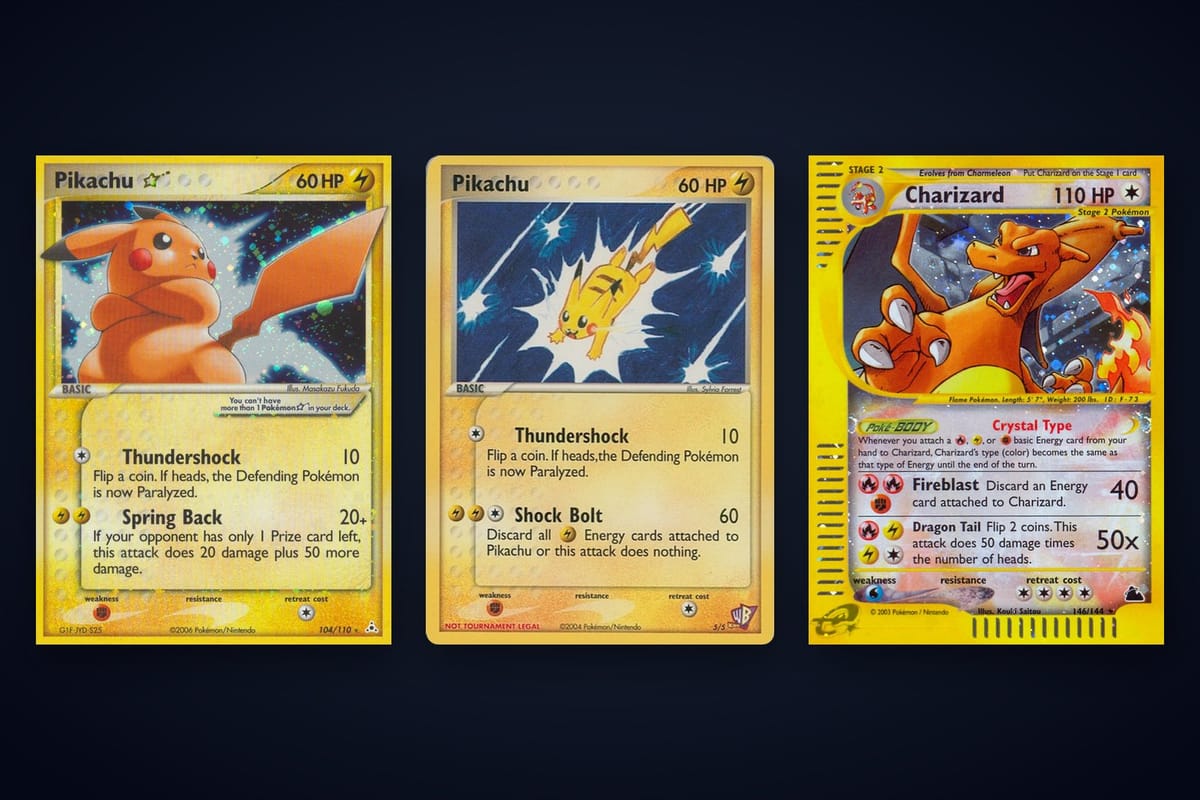
Estimated reading time: 9 min
Key Takeaways
- The EX era (2003–2007) produced several of the most valuable and iconic Pokémon cards outside the original Base Set.
- EX era Pokémon cards value depends heavily on card condition, rarity, set, and whether the card is a Pokémon-ex or Gold Star.
- PSA 10 grades can multiply a card’s value by several times compared to raw copies, especially for low-population Gold Stars and ex cards.
- Sets like EX Deoxys, FireRed & LeafGreen, and Unseen Forces contain some of the most valuable EX series Pokémon cards.
- Apps like Midpoint can help with grading estimates, price checks, and collection management for EX era cards.
If you collected Pokémon cards in the early 2000s or have ever wondered, “Are my old 2004, 2005, or 2006 Pokémon cards worth money?” — this guide breaks down everything you need to know about EX era Pokémon cards value. We’ll define what makes EX series cards unique, reveal the most valuable pulls by set, explain how grading affects value, and show you how to spot cards truly worth grading or investing in today.
Card values — live data from Midpoint's card database, as of 2026-08-10. Prices move; Midpoint refreshes these daily.
| Card | Raw | PSA 10 | Gem premium | |
|---|---|---|---|---|
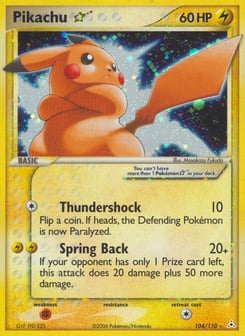 |
Pikachu ☆ #104/110 Holon Phantoms (2006) |
$2,078 | $113,722 | 54.7× |
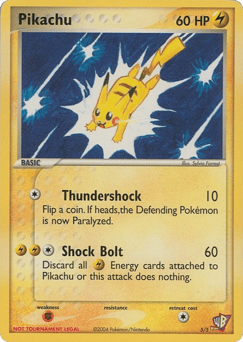 |
Pikachu #5 Poké Card Creator Pack (2004) |
$480.00 | $80,030 | 166.7× |
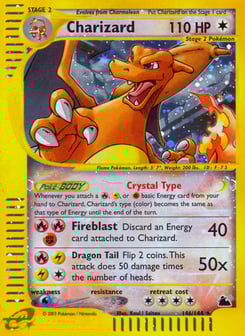 |
Charizard #146/144 Skyridge (2003) |
$249.95 | $76,373 | 305.6× |
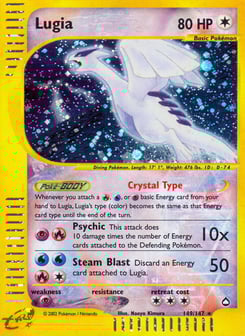 |
Lugia #149/147 Aquapolis (2003) |
$999.95 | $72,040 | 72× |
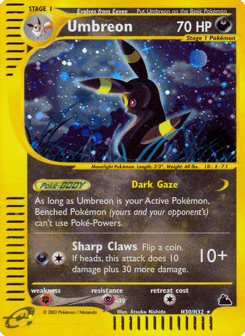 |
Umbreon #H30/H32 Skyridge (2003) |
$5,000 | $52,863 | 10.6× |
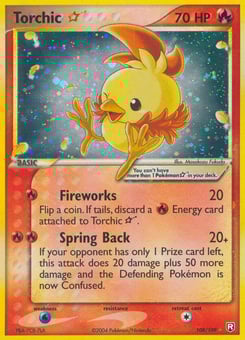 |
Torchic ☆ #108/109 Team Rocket Returns (2004) |
$499.00 | $36,084 | 72.3× |
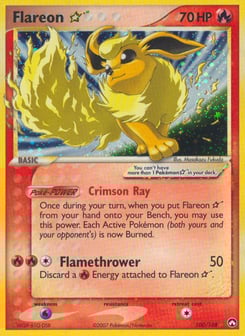 |
Flareon ☆ #100/108 Power Keepers (2007) |
$750.00 | $36,017 | 48× |
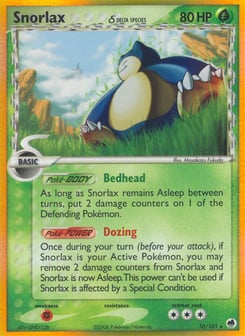 |
Snorlax δ #10/101 Dragon Frontiers (2006) |
$334.76 | $34,932 | 104.4× |
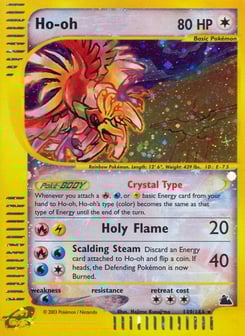 |
Ho-oh #149/144 Skyridge (2003) |
$800.00 | $30,512 | 38.1× |
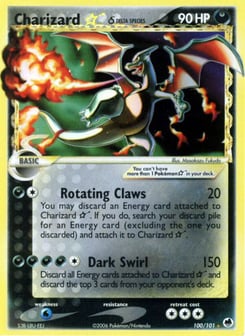 |
Charizard ☆ δ #100/101 Dragon Frontiers (2006) |
$998.95 | $29,634 | 29.7× |
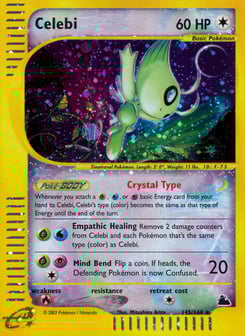 |
Celebi #145/144 Skyridge (2003) |
$4,000 | $27,642 | 6.9× |
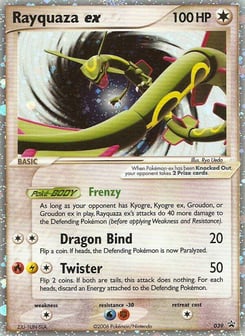 |
Rayquaza ex #039 Nintendo Black Star Promos (2003) |
$517.27 | $27,325 | 52.8× |
Look up any card's current raw and graded value in Midpoint — and get an estimated grade before you pay to submit.
1. What Are EX Era Pokémon Cards? (2003–2007)
The EX era refers to Pokémon TCG sets released between 2003 and 2007, known as the “Ruby & Sapphire,” “Emerald,” and early “Diamond & Pearl” years. These sets introduced new mechanics like Pokémon-ex, shining Gold Star cards, and delta species. Unlike the original Wizards of the Coast era, EX era sets are generally considered to have been printed in lower quantities, making key cards especially sought after today.
Major sets include EX Ruby & Sapphire, Sandstorm, Dragon, Team Magma vs Team Aqua, Hidden Legends, FireRed & LeafGreen, Team Rocket Returns, Deoxys, Emerald, Unseen Forces, and Delta Species.
- Date range: 2003–2007
- Signature features: Pokémon-ex, Gold Star cards, delta species, relatively low print runs
- Major chase cards: Rayquaza Gold Star, Charizard ex, Lugia ex, Espeon Gold Star
2. Pokémon-ex vs. Gold Star Cards: What’s the Difference?
Two card types dominate EX era value: Pokémon-ex and Gold Star cards. Pokémon-ex cards were the set mascots, with powerful attacks and unique art. Gold Star cards, introduced in Team Rocket Returns and running through Power Keepers, feature alternate-color “shiny” Pokémon and are among the rarest pulls in TCG history.
Gold Stars are typically found at a rate of about 1 per 2–3 booster boxes, making them some of the most desirable cards of the era. Pokémon-ex cards, while less rare, are often more affordable but still highly sought-after when featuring iconic characters.
- Pokémon-ex: Character name includes “ex” (e.g., Charizard ex, Lugia ex); full-art style; higher HP
- Gold Star: Star symbol next to name; unique shiny colorings; ultra-low pull rates
- Value: Gold Stars generally command the highest prices, but top ex cards (Charizard, Lugia, Mewtwo) can also be very valuable
3. Most Valuable EX Era Pokémon Cards by Set & Character
When collectors ask about the most valuable EX series Pokémon cards, a handful of legendary pulls rise above the rest. As of 2026-08-10, here are several notable standouts tracked in the Midpoint app and recent market sales:
- Rayquaza Gold Star (EX Deoxys): Raw: ~$3,900 | PSA 10: $22,000+
- Charizard ex (FireRed & LeafGreen): Raw: ~$1,150 | PSA 10: ~$8,500
- Lugia ex (Unseen Forces): Raw: ~$1,250 | PSA 10: ~$13,600
- Espeon Gold Star (EX Unseen Forces): Raw: ~$3,200 | PSA 10: ~$15,500
- Umbreon Gold Star (EX Unseen Forces): Raw: ~$2,800 | PSA 10: ~$13,100
- Latias Gold Star (EX Deoxys): Raw: ~$1,350 | PSA 10: ~$7,700
Not all cards from these sets are valuable, but the top pulls — especially when graded PSA 10 — can approach or exceed vintage Base Set Charizard in price. Cards featuring iconic Pokémon (Charizard, Rayquaza, Lugia, Espeon, Umbreon) tend to drive the highest EX era Pokémon cards value.
4. How Card Condition and Grading Affect EX Era Card Value
Condition is crucial in the EX era. The difference between a raw card and a PSA 10 can be several times in price. For example, a raw Rayquaza Gold Star might fetch around $3,900, but in PSA 10 it can reach over $22,000. The same pattern holds for Lugia ex and Charizard ex. Pristine, gem-mint copies are hard to find due to the era’s printing and handling quirks.
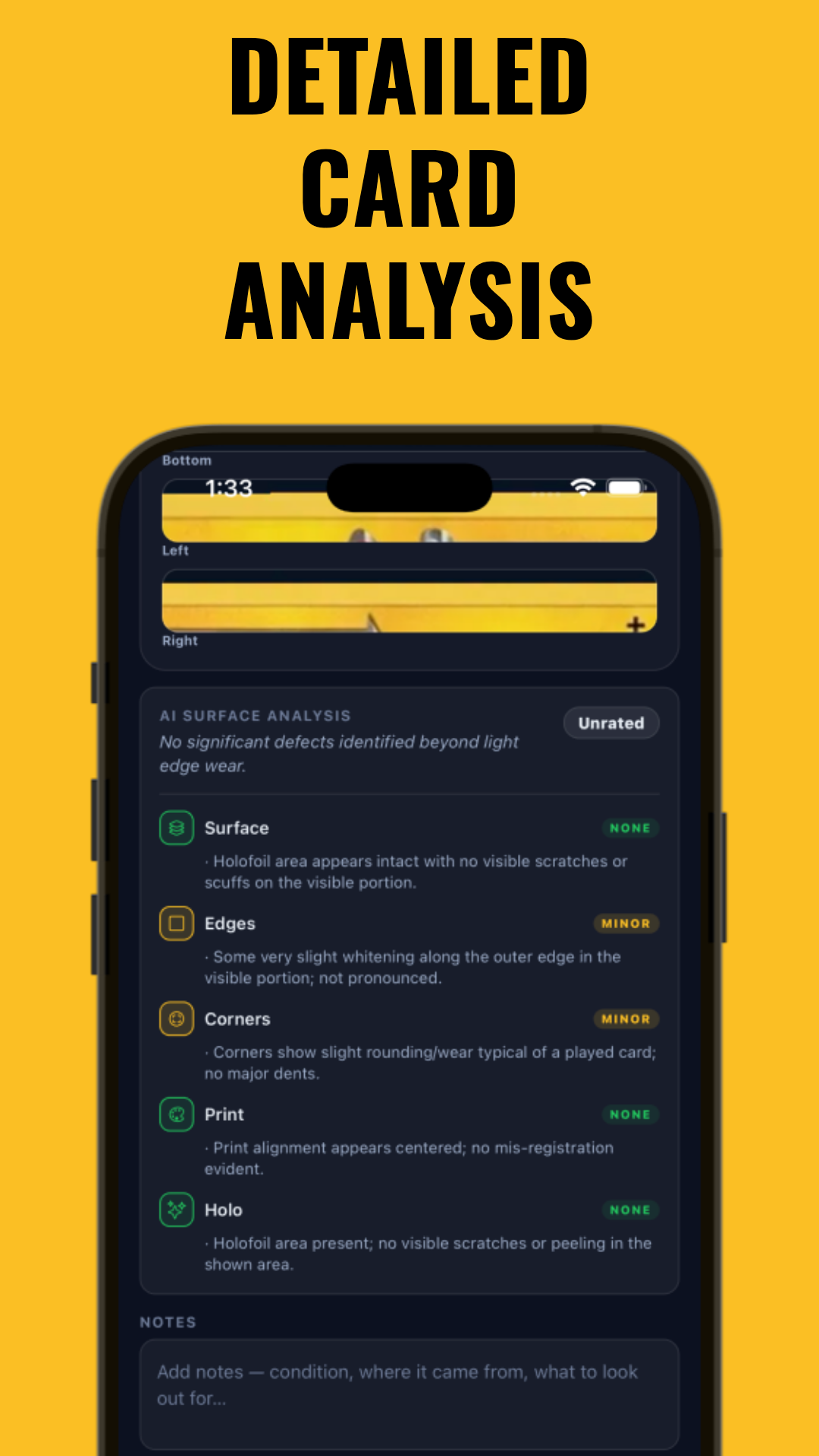
Common grading factors include centering, edge wear, surface scratches, and print lines. Many EX era cards have off-center cuts and silvering, making PSA 10s especially scarce. Before sending cards for professional grading, use a digital tool like Midpoint to pre-grade and measure centering to the millimeter — this can help you avoid spending on cards unlikely to hit top grades.
- PSA 10 can increase value by several times over raw
- PSA 9 often worth 2–4x raw, but much less than 10
- Centering, edges, and surface scratches are the biggest grading pitfalls
- Use digital grading tools for pre-screening your cards (learn more here)
5. Rarity Factors: Low Print Runs, Iconic Pokémon, and Special Variants
What makes certain EX era Pokémon cards worth so much? Three main factors: print run scarcity, iconic Pokémon, and unique variants (Gold Star, secret rares, promos). The most valuable EX series Pokémon cards are almost always:
- Low-population cards (few graded 10s in existence)
- Feature fan-favorites (Charizard, Rayquaza, Lugia, Espeon, Umbreon, Mewtwo)
- Special versions (Gold Star, secret rare, full-art, or promo with unique artwork)
Delta Species and “shiny” Gold Star variants are especially prized. Even some reverse holos and secret rares (like Rocket’s Scizor ex 119/109) can be sleeper hits, but check population counts and recent sales.
For more on how rarity and grading affect insurance and resale value, see this insurance value guide.
6. Set-Specific Value Guide: Deoxys, FireRed & LeafGreen, Unseen Forces, Delta Species
Not all EX era sets are created equal. Here’s what sets the top expansions apart for collectors:
- EX Deoxys: Home to Rayquaza Gold Star, Latias Gold Star, and Latios Gold Star — among the rarest and most valuable cards of the era.
- FireRed & LeafGreen: Charizard ex is the chase; Venusaur ex and Blastoise ex are also valuable in high grade.
- Unseen Forces: Lugia ex, Espeon Gold Star, and Umbreon Gold Star headline; this set has multiple 4-figure cards in PSA 10.
- Delta Species: Introduced dual-type Pokémon and special delta holos; Metagross δ and Dragonite δ have strong collector demand.
Some sets, like Team Rocket Returns and Emerald, have fewer ultra-high-end cards but still offer ex and Gold Star pulls worth grading. Always check recent PSA population and sales using the Midpoint app to verify what’s trending.
7. Identifying Valuable Variants: Holo, Reverse Holo, Full-Art, Promo, Secret Rare
The EX era introduced a variety of card variants. Not every holo or reverse holo is valuable, but some can be, especially where population is low or the Pokémon is a fan favorite. Here's how to spot the best:
- Holo: Standard rare; most value is in ex, Gold Star, or iconic Pokémon
- Reverse Holo: Can be valuable in some sets (e.g., Delta Species reverse holos)
- Full-Art: Precursor to modern full-arts; unique ex artwork is sought after
- Promo: Some EX era promos (e.g., Japanese Gold Stars, Play promos) are ultra-rare
- Secret Rare: Numbered above the set, like Rocket’s Scizor ex 119/109
Always cross-check set symbol, numbering, and artwork — and use a centering calculator to verify grading potential.
8. How to Check Market Prices: Sales Data, Pop Reports, and Price Trackers
EX era Pokémon cards value can fluctuate rapidly. Checking recent sales, graded population reports, and price tracker apps are essential steps before buying, selling, or grading. The Midpoint app aggregates live eBay sales, PSA/BGS/CGC pop reports, and tracks raw vs graded value across many cards.
Steps to check true value today:
- Search your card in Midpoint or another database using set, number, and variant
- Compare last sold prices for raw, PSA 9, and PSA 10 grades
- Check PSA population to see how rare a high grade is
- Review recent auction results for price trends
Remember, prices can spike after influencer hype or dip as supply hits the market. Always use multiple sources and look for recent, graded sales — not just highest asks.
9. Should You Grade Your EX Era Cards? Realistic ROI in 2026
Grading only pays off if your card has a real shot at PSA 9 or 10. With raw-to-PSA 10 price gaps so large (e.g., $1,250 Lugia ex raw vs $13,600 in PSA 10), pre-screening is crucial. Use a precise tool or app to check corners, edges, and especially centering before shipping cards off — a feature where Midpoint can help.
Key steps:
- Pre-grade your card with an AI grading tool (step-by-step here)
- Measure centering; even a slight off-center cut can drop a grade
- Send only the best candidates — especially Gold Stars and ex cards of iconic Pokémon
- Factor in grading fees ($30–$50 per card) and shipping
For borderline cases, weigh the market trend and population reports. Sometimes PSA 9 is still worth it, but 8 or lower usually isn’t unless the card is ultra-rare.
Conclusion
EX era Pokémon cards value continues to be strong, especially for the most iconic pulls from sets like Deoxys, FireRed & LeafGreen, and Unseen Forces. Whether you’re sitting on raw 2004–2006 Pokémon cards or hunting for the next big investment, understanding rarity, grading, and market trends is essential. Use digital tools like Midpoint to check centering, estimate grades, and follow the latest price data — and always protect your cards for maximum long-term value (see protection tips here).
FAQ
Q: What are the most valuable EX era Pokémon cards?
A: The top EX era cards by value as of 2026-08-10 include Rayquaza Gold Star (EX Deoxys), Charizard ex (FireRed & LeafGreen), Lugia ex (Unseen Forces), Espeon Gold Star, and Umbreon Gold Star. PSA 10s of these can reach $8,000 to $22,000+.
Q: Are EX era Pokémon cards worth anything if they are ungraded?
A: Yes! Raw EX era cards of iconic Pokémon can fetch hundreds or thousands. For example, Rayquaza Gold Star raw is around $3,900, and Charizard ex raw is about $1,150. Grading can multiply value, but raw copies are still highly sought after.
Q: Why are EX era holo and ex cards so cheap compared with Gold Stars?
A: Gold Stars were printed in much lower quantities (estimated at about 1 per 72 packs), making them much rarer. Regular ex and holo cards, while still valuable, were more common pulls, so their supply is higher. Iconic ex cards (Charizard, Lugia) are the main exceptions.
Q: What makes a Pokémon ex card valuable: rarity, condition, or set?
A: All three! Rarity (low print/population), condition (PSA 10, perfect centering), and featuring an iconic Pokémon (Charizard, Rayquaza, Lugia) all drive value. Set matters too: Deoxys, Unseen Forces, and FireRed & LeafGreen have the highest-value ex cards.
Q: Which EX era sets have the best cards to collect or invest in?
A: Deoxys, FireRed & LeafGreen, Unseen Forces, and Delta Species are the top sets for high-value pulls. Team Rocket Returns and Emerald also have strong ex and Gold Star cards, but top prices cluster around the sets above.
Q: How much does PSA 10 increase the value of an EX era card?
A: PSA 10 can multiply value by several times compared to raw. For instance, Lugia ex jumps from $1,250 raw to $13,600 in PSA 10. This premium is due to the scarcity of gem-mint copies from the era.
Free to start
Try the Midpoint app
Grade any card from a photo, see its raw and PSA 10 value, and track what your collection is worth — free.
Get it on iPhoneGet it on Android


