Football Card Prices Dropping October 2026: What Collectors Must Know
Explore why football card prices are dropping in October 2026 and how to buy the dip smartly with grading tips and market insights.

Estimated reading time: 9 min
Key Takeaways
- October 2026 sees a broad decline in football card prices, especially overproduced base cards and post-hype releases.
- PSA 10 graded cards tend to drop less than raw copies, but scarcity and player performance heavily influence values.
- Rookie quarterbacks and scarce parallels often buck the trend with relatively stable or rising prices amidst the fall.
- Using tools like Midpoint to pre-grade and check centering can help maximize value before submitting to grading.
- Buy-the-dip strategies focus on selecting undervalued cards with solid fundamentals and grading potential.
Football card prices dropping in October 2026 have caught many collectors92 attention as the market cools off after summer hype. Understanding which football cards are losing value, why this decline is happening, and how to leverage the dip can help collectors and investors make informed decisions. This listicle breaks down the October 2026 football card market, highlights which cards to buy or avoid, and offers practical grading and selling tips.
30-day price movers 92 live data from Midpoint's card database, as of 2026-10-12. Prices move; Midpoint refreshes these daily.
| Card | Raw | PSA 10 | 30-day | |
|---|---|---|---|---|
 |
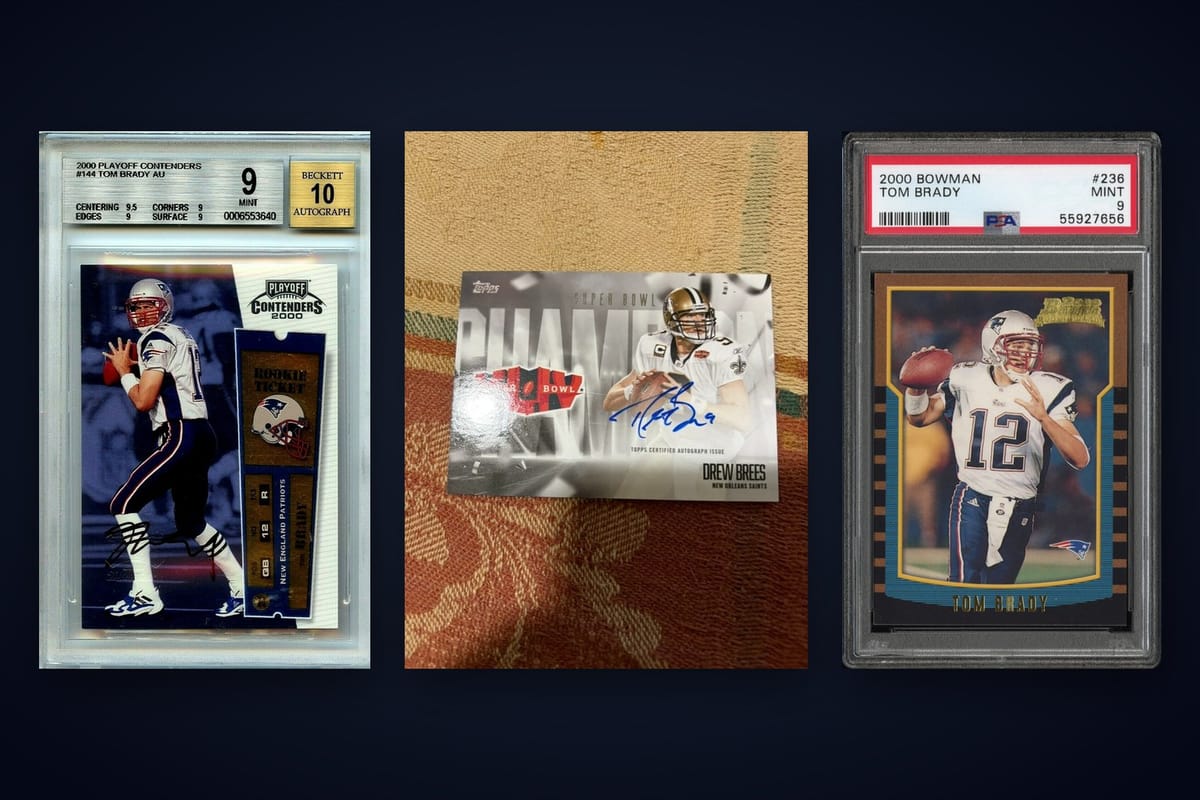
Tom Brady [Championship Ticket Autograph] #144 2000 Playoff Contenders |
$2,579 | $430,262 | -45.5% |
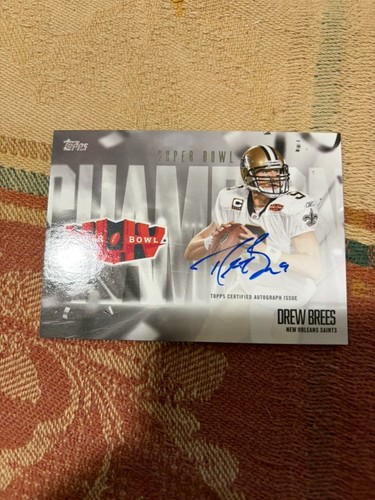 |
Drew Brees #SBCS-DB 2026 Topps Flagship Super Bowl Champion Signature |
$225.38 | $1,094 | -9.4% |
 |
Tom Brady #236 2000 Bowman |
$1,758 | $16,744 | -8.8% |
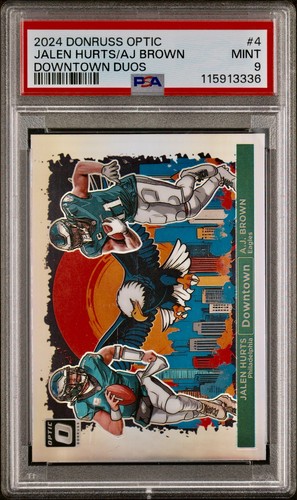 |
A.J. Brown / Jalen Hurts #4 2024 Panini Donruss Optic Downtown Duos |
$425.56 | $614.99 | -8.2% |
 |
Bart Starr #119 1957 Topps |
$612.50 | $125,837 | -5% |
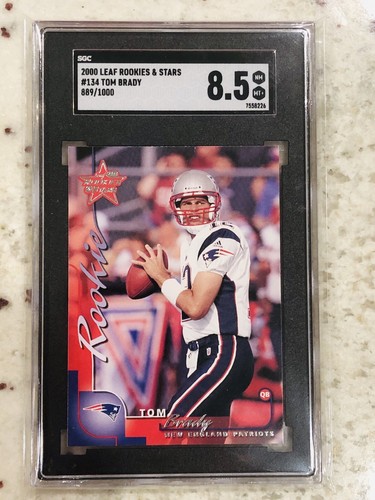 |
Tom Brady #134 2000 Leaf Rookies & Stars |
$1,354 | $17,014 | -2.5% |
 |
Jaxson Dart [Silver] #332 2025 Panini Prizm |
$66.39 | $624.59 | -0.1% |
 |
Patrick Mahomes II #2 2025 Panini Donruss Optic Sunday Kings |
$175.00 | $411.50 | 0% |
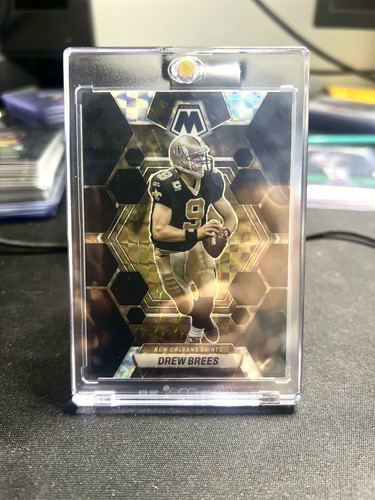 |
Drew Brees [Black] #174 2023 Panini Mosaic |
$8,500 | 95; | 0% |
 |
Drew Brees #328 2001 Topps |
$15.89 | $479.61 | 0% |
 |
Travis Hunter #TECMO-17 2025 Topps Chrome Tecmo |
$771.39 | $2,979 | 0% |
 |
John Schweder #72 1952 Bowman Large |
$160.56 | $39,007 | 0% |
Look up any card's current raw and graded value in Midpoint 92 and get an estimated grade before you pay to submit.
1. October 2026 Football Card Market Overview
The football card market in October 2026 is experiencing a noticeable downturn, with both raw and PSA 10 graded cards showing price declines. This drop is broad but selective, impacting certain card categories more than others. Overproduced base sets, common unnumbered parallels, and post-hype releases from early 2026 product lines appear to be losing the most value.
According to Midpoint data as of 2026-10-12, raw 2026 Panini Prizm base cards have fallen by approximately 18% on average, while PSA 10 versions dropped about 12%. Conversely, high-demand rookie quarterbacks from 2026 see smaller dips or slight gains, indicating selective weakness.
- Overproduction and reprints have increased market supply, diluting scarcity and collector demand.
- Collector sentiment is shifting toward quality and scarcity over volume, pressuring mass-produced cards.
- Price declines are generally sharper in raw cards due to ease of supply compared to graded slabs.
2. Football Cards Losing Value: Which Categories Are Worst Hit?
Not all football cards are equally affected. The steepest declines are observed among:
- Overproduced base cards: 2026 Panini Mosaic and Prizm base cards without serial numbers have seen losses exceeding 20% raw and 15% PSA 10 in some cases.
- Post-hype releases: Cards from mid-2026 sets that initially spiked with hype but cooled as fan and collector interest waned.
- Common unnumbered parallels: These have flooded secondary markets, with asking prices dropping significantly.
For example, the 2026 Panini Phoenix base cards of non-quarterbacks like wide receivers and defensive players have seen raw price drops near 23%, with PSA 10 slabs down around 17%.
3. Impact of NFL Player Performance and Injuries
Player performance, injuries, and hype cycles continue to influence football card prices. Injuries to key players like Saquon Barkley have contributed to declines in their card values, while rising rookie quarterbacks such as CJ Stroud and Bryce Young have helped their cards resist the broader market drop.
Collectors should track recent NFL news carefully. Cards of injured or underperforming veterans are especially vulnerable during market corrections, while rookies with growing fanbases can offer relative stability or growth.
4. How 2026 Product Releases and the Fanatics Era Affect Supply and Demand
2026's influx of new products, particularly from Fanatics, has increased supply significantly. Fanatics92 expanded production and marketing efforts have led to more cards reaching the market, intensifying competition among sellers and contributing to price pressure.
This surge in supply coincides with shifting collector focus toward premium, scarce, or autographed cards. Mass-produced base cards from multiple 2026 releases now compete for attention, pushing many prices downward.
5. Price Differences: Raw, PSA 9, PSA 10, Autographs, Patches, SSPs, and One-of-Ones
Understanding price differences across card conditions and types is important as values drop. Midpoint92s database (2026-10-12) shows:
- Raw cards tend to fall fastest, often 15-25% in October 2026.
- PSA 9 cards drop less than raw but more than PSA 10; PSA 10 slabs generally hold value best during declines.
- Autographed and patch cards (especially SSPs and serial-numbered parallels) decline less, showing relative resilience.
- One-of-ones remain scarce but can be volatile depending on player and market conditions.
For example, the 2026 Panini Select rookie patch autograph of Bryce Young retained about 95% of its value, while the base rookie card lost over 20% in the same timeframe.
6. Sold-Comp Data vs Asking Prices and Population Reports
Analyzing sold comps reveals that asking prices often overstate current market value amid the decline. Many sellers maintain optimistic list prices, but completed sales reflect a 10-20% lower reality.
Population reports show that cards with low graded populations, like certain SSP parallels or vintage legends, tend to maintain stronger pricing. High population base cards see sharper declines due to oversupply.
7. Football Cards Resisting the Decline or Rising
Despite the broad market drop, several categories are bucking the trend:
- 2026 rookie quarterbacks: Cards of CJ Stroud, Bryce Young, and Anthony Richardson have seen modest gains or steady prices.
- Established stars: Cards of players like Patrick Mahomes and Justin Jefferson show resilience.
- Scarce parallels and low-population serial-numbered cards: SSPs and numbered parallels from premium sets hold value well.
- Vintage legends: Older cards of Hall of Famers see stable or rising demand, often insulated from new product overproduction.
8. Is October92s Drop Seasonal, Temporary, or a Sign of Longer-Term Weakness?
October92s fall partly reflects seasonal trends, as collector activity often slows after summer and before holiday surges. However, this drop also appears to signal a market correction following overenthusiastic buying earlier in 2026.
Compared to baseball and basketball cards, football cards often show more volatility due to the NFL92s shorter season and reliance on player performance narratives. The 2026 drop may be deeper but could be temporary with selective recovery expected.
9. Buy-the-Dip Strategies: Which Cards to Target and When
Collectors aiming to buy during the dip should consider:
- Targeting undervalued rookies with strong upside, especially quarterbacks from 2026.
- Focusing on cards with low graded populations or scarce parallels to maximize scarcity value.
- Using advanced tools like Midpoint to pre-grade cards and measure centering before submitting for official grading, helping ensure quality purchases.
- Waiting for price stabilization or signs of floor support before making large purchases, to avoid catching a falling market.
10. Sell, Hold, or Grade? Making Smart Decisions
Deciding whether to sell, hold, or grade cards during the October 2026 drop depends on several factors:
- Liquidity: Cards with active markets and buyer interest may be worth holding or grading.
- Condition and centering: Use AI tools like Midpoint to assess if grading can significantly increase value.
- Scarcity and player outlook: Hold scarce cards of rising stars; consider selling overproduced or injured player cards.
- Expected fees and timing: Grading costs and turnaround times should be balanced against potential price improvement.
Pre-grading your card with Midpoint92s AI digital grading helps estimate PSA, BGS, CGC, and TAG grades, avoiding costly surprises and making informed grading decisions. Learn more in the comprehensive How to Pre-Grade Your Card guide.
Conclusion
Football card prices dropping in October 2026 reflect a complex mix of overproduction, shifting collector sentiment, NFL player performance, and seasonal trends. While many base and common cards have lost value, strategic buying of undervalued rookies, scarce parallels, and graded high-grade slabs offers opportunity. Tools like Midpoint empower collectors to navigate this market wisely by providing accurate centering measurements, AI-based grading estimates, and portfolio insights before committing to grading or purchase. Embracing a measured buy-the-dip approach with clear data can help collectors capitalize on market corrections and position for future gains.
FAQ
Q: Why are football card prices dropping in October 2026?
A: The drop is due to overproduction, fading hype on post-release cards, NFL player injuries, increased supply from 2026 product releases, and typical seasonal market cooling.
Q: Which football cards are losing the most value right now?
A: Overproduced base cards, common unnumbered parallels, and post-hype releases from early 2026 sets are seeing the steepest declines, especially in raw condition.
Q: Is October 2026 a good time to buy football cards?
A: Yes, October offers buy-the-dip opportunities, especially for undervalued rookies with strong potential and scarce parallels, but buyers should use grading tools and watch for price stabilization.
Q: Are football rookie cards still a good investment in 2026?
A: Select rookie cards, particularly quarterbacks from 2026, remain good investments due to their scarcity and upside, despite the overall market decline.
Q: Which football cards are increasing in value despite the market decline?
A: 2026 rookie quarterbacks, established stars like Patrick Mahomes, scarce SSP parallels, and vintage legends are among cards holding or increasing value.
Q: Should I sell, hold, or grade my football cards during the October 2026 drop?
A: Decisions depend on card condition, scarcity, player outlook, and market liquidity. Using AI grading tools like Midpoint can help assess grading benefits before deciding.
Free to start
Try the Midpoint app
Grade any card from a photo, see its raw and PSA 10 value, and track what your collection is worth 92 free.
Get it on iPhoneGet it on Android