How Much Is My Pokemon Card Worth? A Definitive Value Guide
Discover how much your Pokemon card is worth with expert tips, AI grading tools, and market data to maximize your collection's value.


Estimated reading time: 15 min
Key Takeaways
- Learn how to determine your Pokémon card value using AI grading and market data, incorporating card condition metrics and available sales figures.
- Understand the impact of card condition, centering, grading companies, and population reports on price fluctuations and investment decisions.
- Discover notable valuable Pokémon cards, including their provenance, rarity nuances, and recent market trends influencing their worth.
- Use tools like Midpoint’s Pokémon card value checker to pre-grade, cross-reference multiple grading scales, and track your collection’s evolving value with portfolio analytics.
- Understand how raw vs graded card values differ, why grading can affect price multipliers, and how to optimize grading submissions for potential return.
Card values — live data from Midpoint's card database, as of 2026-09-03. Prices move; Midpoint refreshes these daily.
| Card | Raw | PSA 10 | Gem premium | |
|---|---|---|---|---|
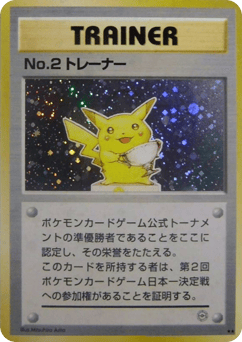 |
No.2 トレーナー Unnumbered Promos (1996) |
— | $444,000 | — |
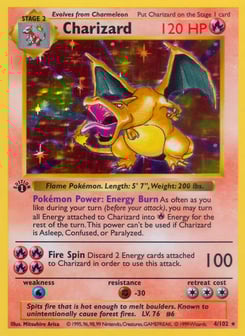 |
Charizard #4/102 Base (1999) |
$2,146 | $414,331 | 193× |
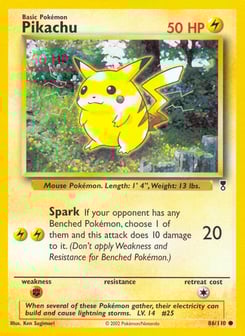 |
Pikachu #86/110 Legendary Collection (2002) |
$650.00 | $239,371 | 368.3× |
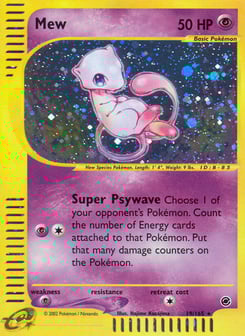 |
Mew #19/165 Expedition Base Set (2002) |
$790.00 | $200,000 | 253.2× |
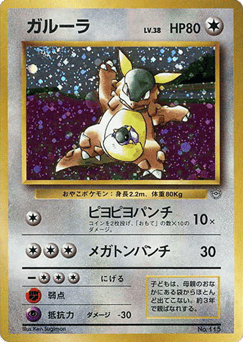 |
ガルーラ Unnumbered Promos (1996) |
— | $197,140 | — |
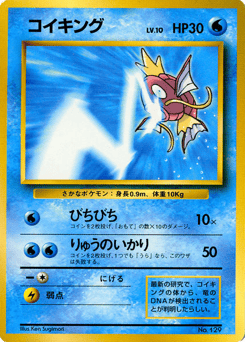 |
コイキング Unnumbered Promos (1996) |
— | $185,642 | — |
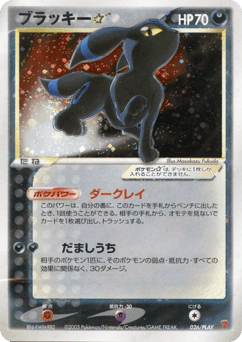 |
ブラッキー☆ #026/PLAY PLAY Promos (2003) |
— | $149,399 | — |
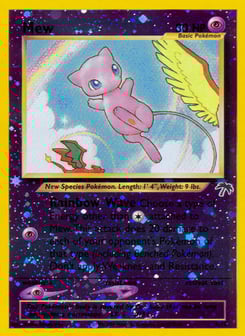 |
Mew #1/18 Southern Islands (2001) |
$571.67 | $140,000 | 244.9× |
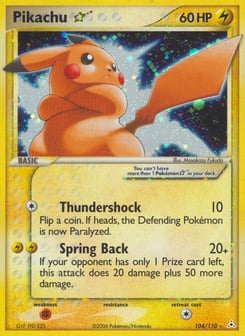 |
Pikachu ☆ #104/110 Holon Phantoms (2006) |
$3,200 | $139,753 | 43.7× |
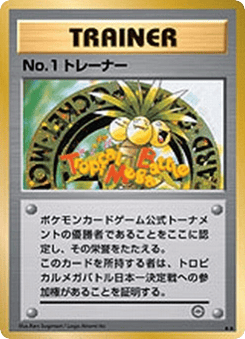 |
No.1 Trainer Unnumbered Promos (1996) |
— | $120,021 | — |
Look up any card's current raw and graded value in Midpoint — and get an estimated grade before you pay to submit.
Table of Contents
- Section 1: Understanding Pokémon Card Value Basics
- Section 2: How Grading Affects Your Pokémon Card’s Worth
- Section 3: Using AI and Tools to Check Pokémon Card Value
- Section 4: Key Factors That Influence Pokémon Card Prices
- Section 5: Market Trends and Notable High-Value Cards
- Section 6: Maximizing Your Collection’s Value Over Time
Conclusion
FAQ
Section 1: Understanding Pokémon Card Value Basics
What Determines a Pokémon Card’s Value?
When asking "how much is my Pokémon card worth?" it’s important to understand that value is not a fixed number but a dynamic metric influenced by various factors. The primary determinants include:
- Card Edition and Rarity: Cards from early sets like Base 1999, Jungle, Fossil, or the rare Southern Islands 2001 series often command higher prices due to scarcity and historical significance. For example, Base Set 1st Edition cards are sought after because they represent the inception of Pokémon TCG, and print runs were limited compared to later sets.
- Condition and Grading: The physical state of the card—corners, edges, surface, and centering—directly impacts its grade. Cards graded PSA 10 (Gem Mint) or BGS 9.5+ typically sell for significantly more than raw, ungraded cards. Even slight imperfections, such as minor whitening on edges or slight off-centering, can lower a grade and reduce value.
- Market Demand: Popular characters, such as Charizard, Pikachu, or Mew, often maintain higher demand and value. Market demand is also shaped by cultural trends, anniversaries, media tie-ins, and collector interest.
- Special Attributes: Cards with holographic surfaces, promotional releases, unique misprints, or error cards can increase worth. For example, misprinted cards with color errors or missing holo foil have attracted collector interest and sold for higher prices due to rarity.
- Provenance and Population Reports: The total number of cards graded at high levels (population reports) affects scarcity and price. Cards with fewer PSA 10 examples are generally more valuable than those with many graded copies.
Raw vs Graded Card Value
Raw Pokémon cards are ungraded and sold as-is. Their value depends heavily on condition but lacks formal authentication. Graded cards have been professionally assessed by companies like PSA, BGS, CGC, or TAG and assigned a numeric grade reflecting their condition and authenticity. Grading provides collectors and investors confidence in the card’s quality, which often commands a price premium.
For example, the Charizard #4/102 Base 1999 card’s raw market value is estimated around $2,146, while PSA 10 graded copies have sold for significantly higher amounts—reflecting how grading certifies condition and authenticity, reassuring buyers and increasing value.
However, the grading process is not guaranteed: cards can receive lower grades due to subtle imperfections, and grading costs can affect net profits when selling.
Why Ask “How Much Are My Pokémon Cards Worth?”
Whether you’re a casual collector, investor, or planning to sell, knowing your cards’ value helps you make informed decisions. Accurate value estimations can guide whether to submit for grading, hold for appreciation, or sell at market highs. For instance, a collector with a raw PSA 9-level card may choose to grade it if the expected price increase outweighs grading fees. Conversely, lower quality cards might be better sold raw.
Understanding card value also aids in insurance appraisals, portfolio management, and estate planning for high-value collections.
Section 2: How Grading Affects Your Pokémon Card’s Worth
Understanding Grading Companies and Scales
Several companies dominate the Pokémon card grading market, each with distinct methodologies, grading scales, and reputations:
- PSA (Professional Sports Authenticator): The most popular grading company globally, PSA grades cards on a 1-10 scale, with 10 representing Gem Mint condition. PSA’s market dominance means that PSA-graded cards, especially PSA 10s, typically fetch the highest prices in auctions and private sales.
- BGS (Beckett Grading Services): Known for granular subgrades covering centering, edges, corners, and surface, BGS provides an overall grade, often including half-point increments (e.g., 9.5 Gem Mint). Some collectors prefer BGS for its detailed grading breakdown, especially for cards with slight imperfections.
- CGC (Certified Guaranty Company): Originally focused on comic books, CGC has expanded into trading cards and is gaining popularity for its transparent grading process and consistent standards. CGC uses a 1-10 scale and provides detailed subgrades, gaining traction with collectors seeking alternatives.
- TAG Grading: A newer player focusing on precision and quick turnaround times, TAG grading is gaining recognition, especially for modern cards, though it is still building market presence.
Each grading company has different standards, so understanding these differences is important. For example, a PSA 10 is the highest grade, but BGS’s 9.5 Gem Mint may sometimes be considered comparable, though market premiums vary. Some cards may receive a higher subgrade from BGS than PSA, influencing which grading service a collector may prefer.
For a detailed comparison, see our article on Grading Scale Differences by Company, which outlines nuances such as centering tolerances, surface gloss standards, and edge wear criteria.
Impact of Centering on Grade and Value
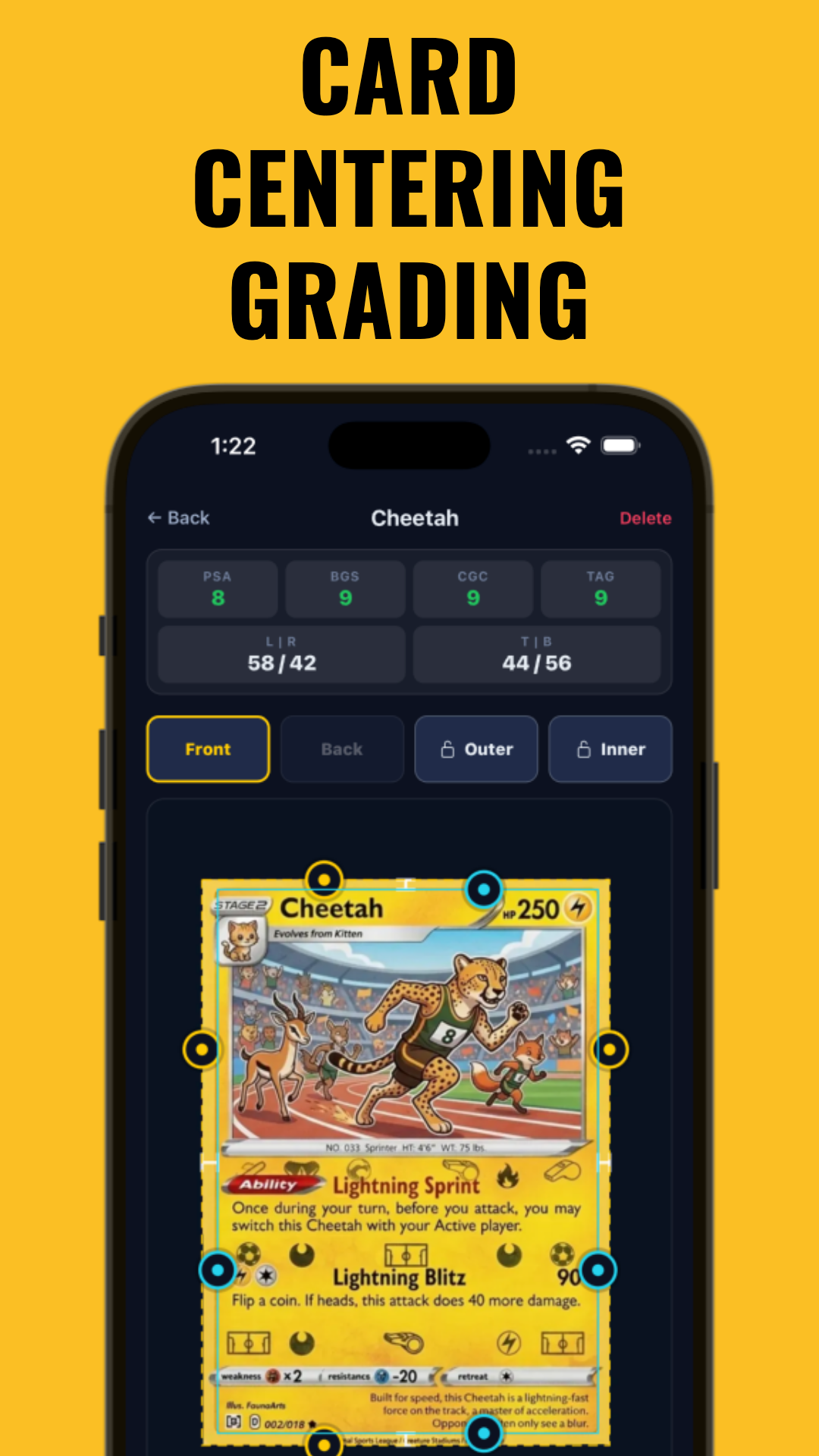
Centering measures how well the card’s front image is positioned within the borders. Even small off-centering—measured in millimeters—can downgrade a card’s grade and reduce its value. For example, a PSA 10 requires near-perfect centering, often within 55/45 to 60/40 ratios, depending on the card.
For rare cards, the difference between a PSA 9 and PSA 10 can be substantial. For instance, a PSA 9 Charizard Base Set card may sell for tens of thousands of dollars, while a PSA 10 can command significantly higher prices.
Midpoint’s AI-powered centering measurement tool can assess centering down to the millimeter, helping collectors estimate grades before costly submissions. Such precision allows users to identify cards with borderline centering that might fail to achieve top grades, thereby avoiding grading fees on unlikely candidates.
Why Grading Costs Matter
Professional grading typically costs $30 or more per card, with premium tiers charging higher fees for expedited services and rare card insurance. Additional costs include shipping, insurance, and potential resale fees.
Therefore, knowing your card’s estimated grade and value beforehand can save you money by avoiding grading cards unlikely to fetch a high grade or return on investment. For example, submitting a heavily worn card expecting a PSA 10 is seldom cost-effective.
Midpoint’s digital grading estimates help collectors decide whether to invest in formal grading services by providing a realistic grade range and estimated market value, enabling smarter budgeting and prioritization.
Section 3: Using AI and Tools to Check Pokémon Card Value
Introducing Midpoint’s Pokémon Card Value Checker
Midpoint is an app designed to answer the question, “how much is this Pokémon card worth?” by combining AI digital grading, card lookup, and portfolio tracking. It covers over 250,000 cards including Pokémon and other major trading card games such as Magic: The Gathering and Yu-Gi-Oh! This database helps collectors access current and relevant data.
With Midpoint, you can:
- Get PSA, BGS, CGC, and TAG grade estimates based on AI analysis of centering, corners, edges, and surface condition from photos.
- Check raw versus graded values across thousands of Pokémon cards, with values updated regularly based on recent sales data from marketplaces like eBay and PWCC Auctions.
- Track your collection’s value over time with portfolio tools that provide charts, historical price trends, and alerts for market movements.
- Access population reports showing how many cards have been graded at each level, helping inform rarity and pricing strategies.
How AI Digital Grading Works
Midpoint uses machine learning algorithms and image recognition technology to analyze photos of your cards. The AI evaluates centering with millimeter precision, detects edge whitening, corner wear, and surface scratches or print defects. It then estimates grades consistent with official grading standards, offering an expected grade range rather than a single number to reflect grading subjectivity.
This predictive grading helps collectors understand their card’s potential market value before submitting for official grading, reducing grading risks and optimizing investment decisions.
Benefits of Using a Pokémon Card Value Checker
- Save Money: Avoid unnecessary grading fees by assessing card quality upfront and identifying cards unlikely to earn high grades.
- Stay Informed: Access up-to-date market prices, including recent sales, average sale prices, and price fluctuations influenced by market trends.
- Organize Collections: Use portfolio tracking to monitor card conditions, values, and provenance in one place, simplifying insurance documentation and collection management.
- Make Smart Sales Decisions: Price your cards competitively based on accurate data, population reports, and market timing for potential return.
Try Midpoint for free on iOS and Android. The app also offers subscription tiers with additional features like batch grading and priority customer support.
Section 4: Key Factors That Influence Pokémon Card Prices
Condition and Grade
Condition is a major factor in the Pokémon card market. Cards graded PSA 10 often sell for significantly more than raw versions. For example, the Pikachu #86/110 Legendary Collection 2002 card sells raw for around $650, while PSA 10 graded copies have sold for much higher amounts.
Condition encompasses corners (no fraying or bending), edges (minimal whitening), surface (no scratches or stains), and centering. Even minor flaws can downgrade a card. For instance, a tiny scratch on the holo foil can lower a grade from 10 to 9.5, impacting value.
Rarity and Edition
Early editions and limited promos often hold higher value. The No.2 トレーナー (Unnumbered Promos 1996) card is valued highly in PSA 10 condition, reflecting rarity and collector interest. These cards had limited print runs, often distributed only at special events or tournaments, making them scarce in high grade.
First edition stamps, shadowless cards, and limited run promos typically command higher prices. For example, Base Set Shadowless Charizard cards are generally more valuable than unlimited Base Set versions.
Character Popularity
Iconic Pokémon like Charizard, Pikachu, Mew, and legendary Pokémon tend to command higher prices. The Mew #19/165 Expedition Base Set card is valued higher in PSA 10 condition, showing how character appeal boosts demand. Charizard cards are often considered highly desirable among collectors.
Even lesser-known Pokémon can see price increases due to media exposure, such as being featured in new games, movies, or anniversaries.
Market Trends and Demand
Values fluctuate with trends, media exposure, and collector interest. For instance, the Pikachu ☆ #104/110 Holon Phantoms 2006 card experienced notable price changes over short periods, highlighting how market sentiment can impact prices.
Online platforms, influencer endorsements, and Pokémon anniversaries often influence price volatility. For example, a popular video featuring a rare card can spur immediate demand.
Grading Population and Scarcity
Cards with low graded populations often command higher premiums due to scarcity among high-grade examples. Population reports help collectors identify cards with few PSA 10s or BGS 9.5s, indicating potential for value growth.
For example, a card with only a small number of PSA 10 examples worldwide may sell for more than a card with many graded copies, even if condition and character are similar.
Midpoint integrates population data to assist in assessing scarcity and pricing strategies.
Section 5: Market Trends and Notable High-Value Cards
Top Pokémon Cards by Value
As of 2026-09-03, some of the highest-valued Pokémon cards include:
- No.2 トレーナー (Unnumbered Promos 1996): PSA 10 valued in the hundreds of thousands — An ultra-rare Japanese promo card distributed only at exclusive events, prized for rarity and historical significance.
- Charizard #4/102 (Base 1999): PSA 10 valued in the hundreds of thousands — The iconic Charizard from the original Base Set, especially first edition shadowless versions, holds legendary status in collecting.
- Pikachu #86/110 (Legendary Collection 2002): PSA 10 valued in the hundreds of thousands — A fan-favorite Pikachu variant known for its unique artwork and limited print run.
- Mew #19/165 (Expedition Base Set 2002): PSA 10 valued in the hundreds of thousands — Mew’s elusive card from the Expedition set combines rarity with the character’s popularity.
- ガルーラ (Unnumbered Promos 1996): PSA 10 valued in the hundreds of thousands — Another rare promo from the Japanese series, with extremely limited distribution.
Recent Market Movements
Some cards have shown significant price changes. For example, Pikachu #86/110 experienced a large increase over a short period, illustrating how collector interest, scarcity, and demand can cause rapid growth. Such spikes often result from media exposure, auction results, or new collectors entering the market.
Seasonality also impacts prices, with values often rising near holidays or major Pokémon anniversaries.
How to Follow Market Trends
Use tools like Midpoint’s price tracker to monitor recent sales, historical trends, and value fluctuations. Midpoint aggregates data from auction houses, eBay sales, and private transactions to provide a market overview.
Staying informed helps you time sales or purchases effectively. For example, selling during a price peak can maximize returns, while buying during market dips or low seasons may secure better prices.
Section 6: Maximizing Your Collection’s Value Over Time
Proper Storage and Handling
Preserving card condition is vital for maintaining and increasing value. Avoid damage from light exposure, moisture, or rough handling. Use acid-free sleeves, rigid top loaders, and store cards in temperature-controlled environments away from direct sunlight.
Experts recommend handling cards by the edges and washing hands before touching cards to prevent oils and dirt transfer. For expert tips, refer to our guide on How to Store Valuable Cards.
Pre-Grading Assessment
Before submitting cards for grading, use Midpoint’s AI grading tools to estimate centering and grade potential. This approach helps prioritize which cards are worth the grading investment, especially when grading fees accumulate quickly on large collections.
Additionally, pre-grading assessment can identify cards needing further cleaning or restoration—performed only by professionals—to potentially improve grade outcomes.
Portfolio Tracking
Track your collection’s value over time with Midpoint’s portfolio feature. Regularly updated market data helps you know your collection’s current worth and make informed decisions about selling, buying, or holding.
Portfolio analytics also provide insights into which cards are appreciating, helping collectors adjust strategies accordingly.
Understanding When to Sell
Watch market trends and condition of your cards to decide the optimal time to sell. High demand or price spikes—such as during anniversary celebrations, media releases, or market booms—can maximize returns.
Conversely, holding cards during market slumps may result in lower profits or losses. Midpoint’s trend alerts help collectors identify favorable selling windows.
Conclusion
Wondering "how much is my Pokémon card worth?" requires a nuanced approach blending condition assessment, market data, grading knowledge, and timing. Using AI-powered tools like Midpoint, collectors can estimate card value, understand grading impacts, and track their portfolio efficiently.
Leverage Midpoint’s free app to get Pokémon card value checks, digital grading estimates, population insights, and portfolio tracking. Knowing your card’s worth empowers smarter collecting, selling, and investing decisions in today’s dynamic trading card market.
FAQ
Q: How can I find out how much my Pokémon card is worth?
A: Use a combination of professional grading references, population reports, recent sales data, and AI-powered card value checkers like Midpoint to get accurate and up-to-date estimates of your card’s worth. Considering multiple factors provides the most reliable valuation.
Q: Does grading really increase my Pokémon card value?
A: Graded cards, especially PSA 10 or BGS 9.5, often sell for significantly more than raw cards because grading certifies condition and authenticity. However, grading costs and the risk of a lower grade should be considered before submission.
Q: What is the best way to check Pokémon card prices?
A: Platforms like Midpoint provide up-to-date price data for both raw and graded cards, along with AI grading estimates and population reports, making them useful for price checks and collection management.
Q: How does centering affect my card’s value?
A: Centering plays a critical role in grading. Poor centering lowers grades, which can reduce card value. Tools like Midpoint measure centering precisely to estimate grades and help collectors decide if grading is worthwhile.
Q: Are all Pokémon cards valuable?
A: No. Value depends on rarity, condition, demand, grading, and market trends. Many common cards have modest value, while rare graded cards can be worth significantly more. Understanding these variables helps identify which cards are worth investing in.
Q: Can I track the value of my entire Pokémon card collection?
A: Yes, using portfolio tracking tools in apps like Midpoint, you can monitor your collection’s market value over time, receive alerts on price changes, and generate reports for insurance or sales planning.
Free to start
Try the Midpoint app
Grade any card from a photo, see its raw and PSA 10 value, and track what your collection is worth — free.
Get it on iPhoneGet it on Android