How to Organize a Card Collection for Easy Tracking and Value Growth
Learn how to organize a card collection efficiently with storage tips, digital cataloging, value tracking, and protection for your trading cards.


Estimated reading time: 9 min
Key Takeaways
- Use proper physical storage like binders, boxes, and sleeves to protect and sort cards.
- Organize cards by criteria such as player, year, set, or rarity to simplify retrieval.
- Track your collection digitally with apps like Midpoint for grading estimates and portfolio value.
- Protect valuable cards with acid-free materials and climate-controlled storage.
- Regularly review and update your collection after trades or purchases to maintain organization.
Knowing how to organize a card collection is essential for collectors who want to protect their cards, track their collection's value, and make informed decisions about grading or selling. Whether you collect sports cards, Pokémon, Magic: The Gathering, or other trading cards, a well-structured system can make managing your collection more efficient and enjoyable. This guide walks you through physical storage options, sorting methods, digital cataloging, and best practices for long-term care and investment.
Step 1: Choose the Right Physical Storage for Your Cards
Start by selecting suitable physical storage to safeguard your cards from damage. Different storage options serve different purposes depending on card size, value, and how often you access them.
Common storage solutions include:
- Binders with sleeves: Ideal for easy viewing and organizing by category. Use acid-free sleeves or top loaders for premium cards.
- Storage boxes and tins: Good for bulk storage or sorted groups, especially when cards are not frequently handled.
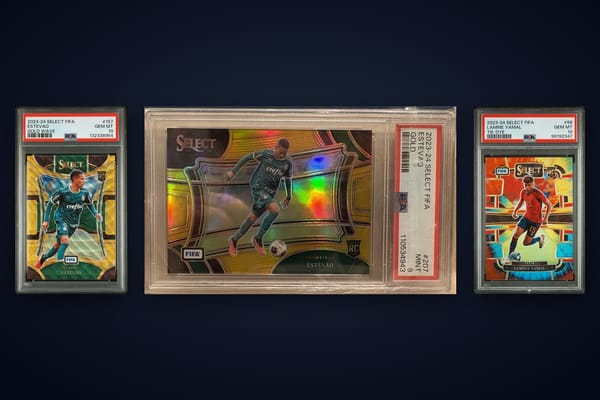
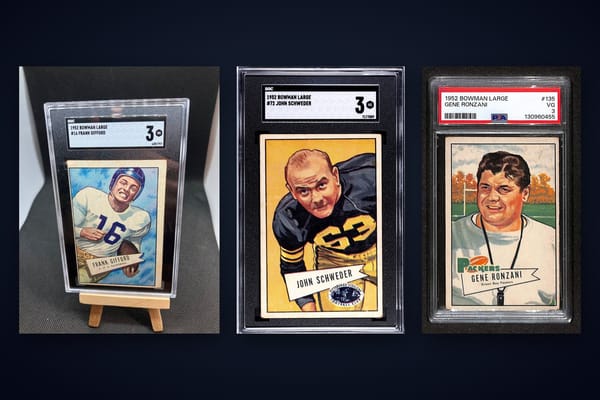
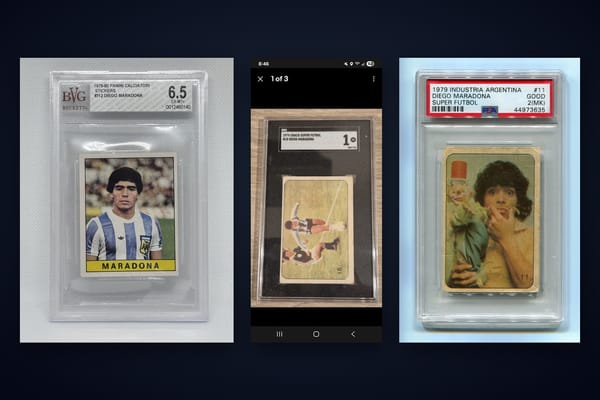
- Top loaders and magnetic holders: Best for high-value or graded cards that need maximum protection.
Refer to the ultimate guide on how to store valuable cards to choose materials that help prevent bending, moisture damage, and UV exposure.
Step 2: Sort Your Cards Using a Logical System
Organizing your collection by a consistent sorting system helps you find cards quickly and assess your collection’s makeup. Common sorting methods include:
- By player or character
- By team or franchise
- By year or set
- By sport or game
- By color, type, or rarity
- By value or condition
Decide on one or combine a few sorting criteria depending on your collecting goals. For example, if you focus on completing sets, sorting by set and year may work best. If you trade frequently, sorting by player or rarity may be more practical.
Step 3: Tier Your Collection for Better Management
Not all cards hold the same value or importance. Group your cards into tiers to prioritize care and investment:
- High-value cards: Rare, graded, or signed cards that may deserve premium protection and tracking.
- Playable cards: Cards you use for gameplay or deck-building but may not be high value.
- Bulk/common cards: Cards with minimal individual value, stored safely but with less priority.
This tiering can guide storage choices and insurance decisions, making it easier to focus on your collection's most valuable assets.
Step 4: Label and Index Your Storage for Fast Retrieval
Labeling is crucial for keeping your collection organized over time. Use clear, consistent labels on box lids, binder spines, and divider tabs. Include key details such as:
- Sorting category (e.g., "2023 Baseball Set")
- Card range or player names
- Tier level or value group
Maintain an index or master list that maps where each group of cards is stored, whether in binders or boxes. This reduces time spent searching and helps avoid misplaced cards.
Step 5: Catalog Your Collection Digitally
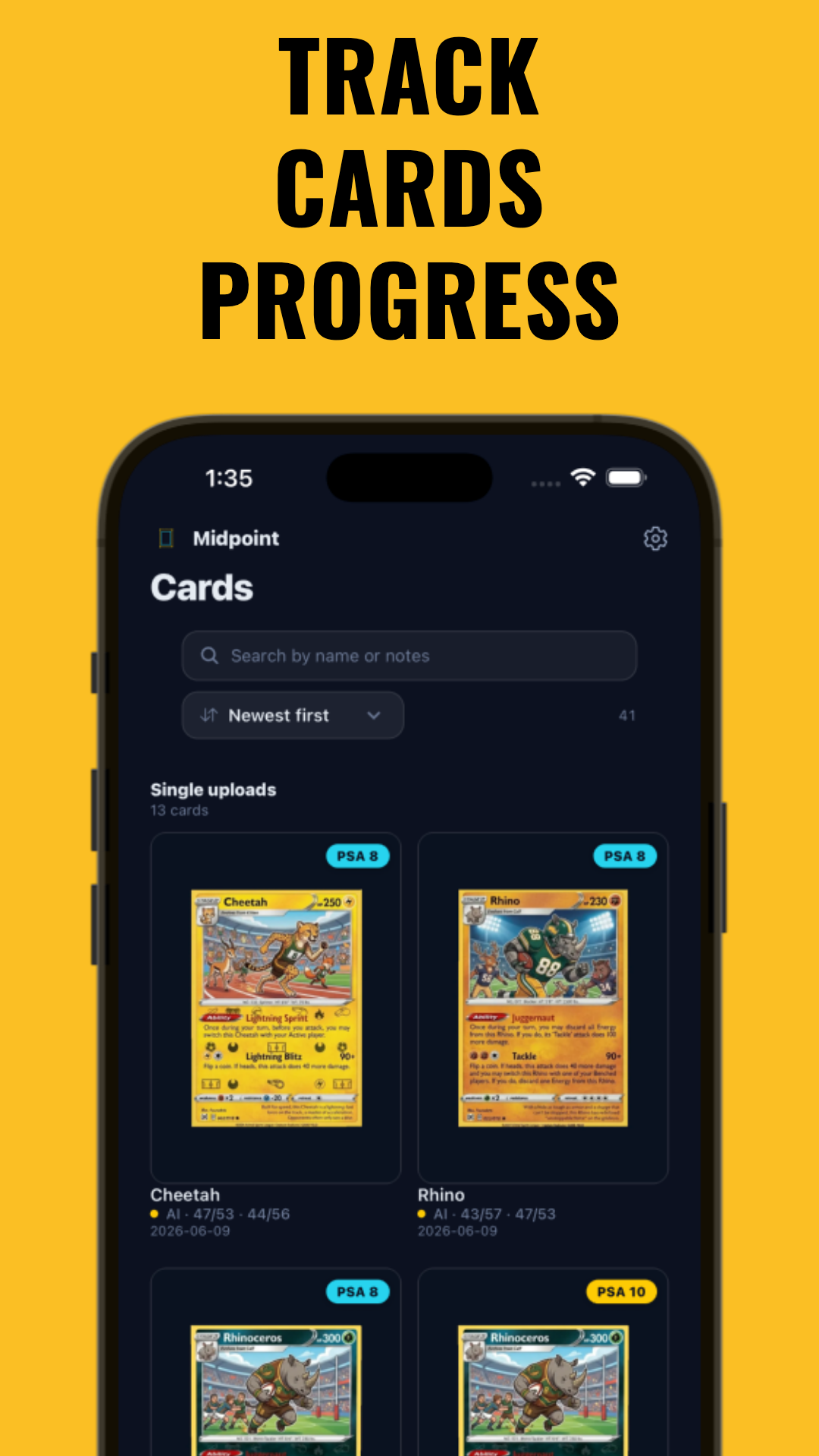
Digital cataloging is useful for tracking a card collection’s inventory, value, and grading potential. Spreadsheets work but can be time-consuming to manage at scale. Using a card collection app like Midpoint offers several advantages:
- Lookup of raw vs graded card values for many cards across sports and games.
- AI digital grading estimates that can help decide which cards to submit for professional grading.
- Portfolio tracking that shows your collection’s total value over time and per-card potential.
- Bulk photo uploads and centering measurement to assess card condition.
Cataloging your cards digitally supports better decisions on when to grade, sell, or hold cards, and provides documentation useful for insurance.
Step 6: Store Cards Safely to Protect Their Condition
Proper storage conditions can extend the life and value of your cards. Follow these guidelines:
- Use acid-free sleeves, binders, and boxes to help prevent deterioration.
- Keep cards elevated and off the floor to avoid water damage.
- Store in a climate-controlled environment with stable temperature and humidity.
- Avoid exposure to direct sunlight or UV light which can cause fading and warping.
For premium cards, use hard plastic holders or slabs. For more on protecting valuable cards, see the detailed storage guide.
Step 7: Organize by Collection Goal
Tailor your organization based on why you collect:
- Complete sets: Keep cards grouped by set and track missing pieces.
- Trade binder: Organize tradeable cards for easy access during swaps.
- Deck-building: Sort by playable types and synergies.
- Display or resale: Prioritize protection and presentation quality.
Clear goals help prioritize how you catalog, store, and maintain cards.
Step 8: Perform Regular Maintenance and Re-Sorting
Collections evolve with trades, purchases, and gameplay. Schedule regular reviews to:
- Re-sort cards that no longer fit your system.
- Update your digital catalog and portfolio tracker.
- Assess cards for grading or sale opportunities.
- Check storage conditions and replace worn materials.
Staying proactive helps keep your collection organized and ready for growth or market changes.
Step 9: Special Handling for Signed, Graded, or Premium Cards
High-value cards need extra care:
- Use tamper-evident holders or slabs for graded cards.
- Keep signed cards protected with UV-resistant sleeves.
- Document provenance and grading details in your digital catalog.
Midpoint’s AI grading estimates can help decide which cards are worth professional grading, potentially saving you money and effort. For deeper insights, check out the pre-grade guide and centering tool.
Tips & Common Mistakes
- Tip: Keep your digital and physical inventories in sync to avoid losing track of cards.
- Tip: Use consistent naming conventions and labeling to prevent confusion.
- Mistake: Avoid storing cards in cheap plastic sleeves that may yellow or damage surfaces over time.
- Mistake: Avoid mixing high-value and bulk cards in the same storage without separation.
- Tip: Regularly back up your digital catalog and portfolio data.
Conclusion
How to organize a card collection effectively involves thoughtful physical storage, logical sorting, and digital cataloging to track inventory and value. Using an app like Midpoint can enable collectors to estimate grading potential, monitor collection value over time, and make informed decisions about insurance, grading, and selling. Protect your cards with acid-free materials and climate control, and maintain regular organization routines to keep your collection in good condition. Whether you collect sports cards, Pokémon, or Magic: The Gathering, these steps can help you treat your collection like a portfolio built for enjoyment and growth.
FAQ
What is the best way to organize a large card collection?
The best way is to combine physical sorting by set, player, or year with digital cataloging for inventory and value tracking. Use proper storage like binders and boxes, label everything clearly, and update regularly.
Should I sort cards by set, year, or player?
Sort according to your collection goals. For set completion, organize by set and year. For trading, sorting by player or rarity may be more practical. Consistency is key.
How do you organize trading cards in binders and boxes?
Use acid-free sleeves in binders to protect cards and group them by your sorting system. Store bulk or overflow cards in labeled boxes with dividers. Keep high-value cards in top loaders or graded slabs.
What is the safest way to store valuable cards long term?
Use acid-free, UV-protective materials, store cards off the floor in a climate-controlled environment, and avoid direct sunlight. High-value cards should be in hard protective holders or slabs.
How do you catalog a card collection in Excel or an app?
In Excel, create columns for card name, set, condition, value, and location. Apps like Midpoint automate grading estimates, value tracking, and inventory management, making it easier and potentially more accurate.
How do you organize sports cards versus Pokémon or MTG cards?
The principles are similar: sort by relevant categories like set, player, or type. However, game cards like Pokémon or MTG may also require organization by deck or usage strategy, while sports cards often focus on player and season.
Free to start
Try the Midpoint app
Grade any card from a photo, see its raw and PSA 10 value, and track what your collection is worth — free.
Get it on iPhoneGet it on Android