How to Tell if a Pokémon Card Is Fake: A Collector's Guide
Learn how to tell if a Pokémon card is fake with expert tips on card grading, centering, and identifying key features to protect your collection.


Estimated reading time: 12 min
Key Takeaways
- Understand common signs that may indicate a fake Pokémon card.
- Learn how to grade Pokémon cards and other TCGs like MTG and Yu-Gi-Oh.
- Use centering and surface analysis to help verify authenticity.
- Discover how Midpoint’s digital grading tool can assist in spotting potential fakes and estimating card value.
- Know some of the most valuable Pokémon and chase cards worth authenticating and grading.
For trading-card collectors, knowing how to tell if a Pokémon card might be fake is important to protect your investment and enjoy authentic gameplay. With counterfeit cards present in the market, spotting fakes can be challenging, especially with rare chase cards or highly sought-after 151 Pokémon. This guide covers practical steps on identifying possible fake cards, understanding grading standards across Pokémon, Magic: The Gathering (MTG), Yu-Gi-Oh, One Piece, and Lorcana cards, and using tools like Midpoint to assist in assessing your collection’s authenticity and value.
Step 1: Recognize Common Signs of Fake Pokémon Cards
Fake Pokémon cards often exhibit signs that you can spot with a careful eye and basic tools. Start by checking the card’s physical characteristics:
- Card stock and thickness: Official Pokémon cards have a distinct feel and thickness. Fakes may feel different, such as flimsy or unusually thick.
- Color and print quality: Look for inconsistent colors, blurry images, or pixelation, especially on holographic areas.
- Font and text spacing: Inauthentic cards sometimes have font inconsistencies or misaligned text.
- Back design and centering: Pokémon cards have a precise back design. Off-center backs or blurry logos can be signs of fakes.
- Surface gloss and holo patterns: Genuine holo cards have specific shimmer patterns. Fake holos may appear dull or overly shiny.
Using a blacklight or magnifying glass can help detect printing anomalies or altered ink layers that are sometimes present in counterfeit cards.
Step 2: Use Card Grading Basics to Assess Authenticity
Understanding how to grade Pokémon cards provides clues to authenticity and condition. Grading covers four major factors:
- Centering: Perfect centering means the image is evenly positioned. Miscentered cards may still be authentic but can indicate lower quality or counterfeit attempts if extreme.
- Corners and edges: Check for wear, whitening, or rough cuts.
- Surface condition: Scratches, stains, or print defects may lower grade or suggest issues.
- Print quality and holo integrity: Look for consistent holographic foil and sharp details.
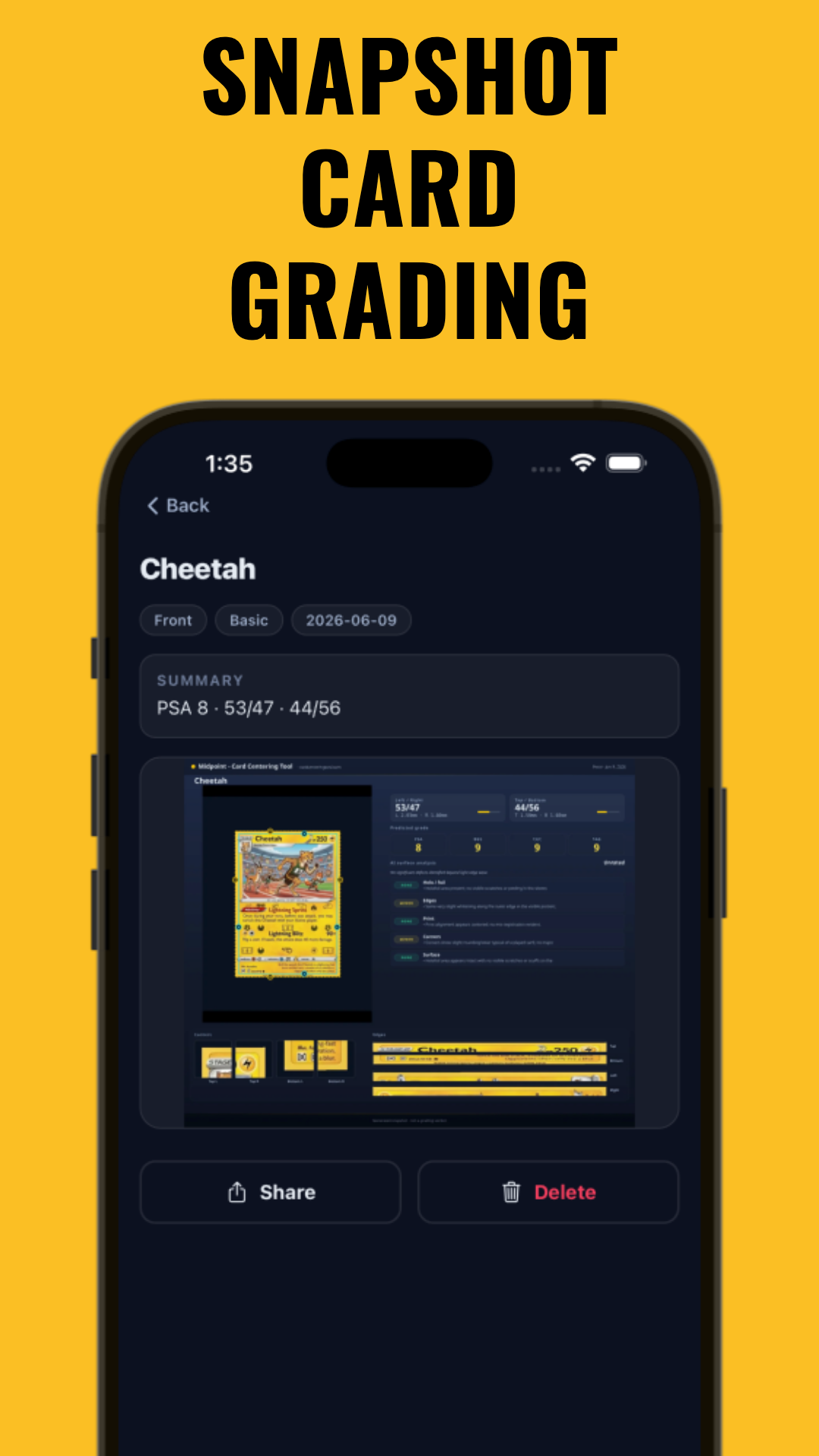
For Pokémon 151 chase cards or highly valuable sets, precise grading is important. Tools like the Midpoint centering calculator use AI to measure centering to the millimeter, helping you pre-grade before considering professional submission.
Step 3: Compare Pokémon Card Features to Other Trading Card Games
Each trading card game (TCG) has unique grading characteristics. Knowing these helps you better verify authenticity across your collection:
- One Piece Card Grading: Alt art cards have distinct foil patterns and rarity symbols. Check for authentic holographic layering and official watermarking.
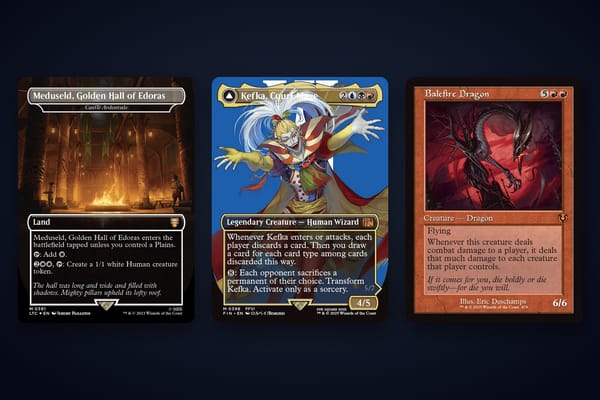
- Magic: The Gathering (MTG) Card Grading: MTG cards have thinner borders and unique reserved list cards with specific print runs. Look for edge wear and color saturation to help distinguish true cards.
- Yu-Gi-Oh Card Grading: Yu-Gi-Oh cards often have glossy foiling and unique card texts. Verify font style and compare against official templates.
- Lorcana Card Grading: Disney Lorcana cards feature signature artwork and set icons. Authenticity involves checking holographic shine and border sharpness.
Midpoint offers grading and value estimates across all these games, so you can confidently evaluate your entire collection in one place.
Step 4: Identify the Most Valuable Pokémon Cards to Grade
Knowing which cards to prioritize for grading or authenticity checks can save time and money. Valuable Pokémon cards often include:
- Base Set Charizard (1st Edition): Highly sought after and expensive.
- Pokémon 151 Chase Cards: Cards featuring the original 151 Pokémon with chase holo variants.
- Rare promo cards and tournament exclusives: These have limited print runs and unique markings.
- Popular modern sets with high demand: Cards from expansions like Shining Fates or Hidden Fates.
For best returns, it is recommended to verify your card’s authenticity and condition before submission to grading services like PSA or BGS. Midpoint’s AI digital grading tool can estimate grades quickly for these prized cards.
Step 5: Use Midpoint to Digitally Grade and Verify Your Cards
Midpoint offers AI-powered analysis to assist collectors in grading and valuing their cards. Here’s how to use Midpoint for authenticity and grading:
- Upload high-quality photos of your card’s front and back.
- Let the AI analyze centering, corners, edges, and surface for an instant grade estimate aligned with PSA, BGS, CGC, and TAG standards.
- Compare raw vs graded market values across 250,000+ cards to see potential worth.
- Track your portfolio’s value over time with collection management features.
This digital pre-grade can help you avoid costly submission fees on fake or low-grade cards. See the Card Centering Tool: Accurate Card Grading Estimates post to learn more about centering’s impact on value.
Step 6: Understand Grading Scale Differences and Their Impact
Different grading companies have distinct scales and standards. Knowing these helps interpret your card’s grade correctly:
- PSA: Grades 1 to 10, with 10 being Gem Mint.
- BGS: Subgrades for centering, edges, corners, and surface with overall grade.
- CGC: Emphasizes condition and authenticity, also with subgrades.
- TAG: Newer grader focusing on card centering and surface.
Midpoint’s grading estimates aim to align with these companies, helping you understand where your card fits. Check out the Grading Scale Differences by Company article for deeper insights.
Step 7: Inspect Your Card’s Centering and Condition Thoroughly
Centering is often a major factor in a card’s grade and value. For Pokémon cards, off-centering on the back can be a sign of fakes or manufacturing defects:
- Use Midpoint’s centering calculator for a precise measurement.
- Examine corners and edges under a bright light for whitening or nicks.
- Check surface for scratches, print defects, or residue.
Proper centering and pristine surfaces generally boost your card’s value. Learn more in the How Centering Impacts Card Value guide.
Step 8: Beware of Common Mistakes When Authenticating Cards
Many collectors make errors that can cost them money or lead to buying fakes:
- Relying solely on visual inspection: Use grading tools to supplement your judgment.
- Ignoring set-specific traits: Pokémon and other TCGs have unique rarity markers and holo patterns.
- Not checking multiple angles: Front and back photos reveal different clues.
- Overpaying for ungraded cards: Always get an estimated grade and value beforehand.
Using Midpoint can help avoid these pitfalls with professional-level AI analysis in seconds.
Tips & Common Mistakes
To help ensure you accurately tell if a Pokémon card might be fake and grade it properly, keep these tips in mind:
- Always use a trusted grading guide for your specific game—whether Pokémon, One Piece, MTG, Yu-Gi-Oh, or Lorcana.
- Invest in a good light source and magnifier for physical inspection.
- Compare your card to official images and known authentic cards.
- Don’t skip the back of the card—centering and print quality there are important.
- Use Midpoint’s free tools to digitally pre-grade and value cards before selling or submitting.
- Be cautious of prices that seem too good to be true, especially on rare chase cards or alt arts.
Conclusion
Learning how to tell if a Pokémon card might be fake helps protect your collection and investment. By combining traditional inspection techniques with modern AI-powered grading tools like Midpoint, you can more confidently verify authenticity, estimate condition, and understand market value across multiple trading card games. Whether you’re focused on the original 151 Pokémon chase cards, One Piece alt art cards, or highly valuable MTG reserved list cards, mastering grading and authenticity detection is beneficial. For more detailed resources on storing and grading your cards, visit Midpoint and explore their comprehensive suite of collector tools.
FAQ
Q: What are the easiest ways to spot a fake Pokémon card?
A: Check card stock thickness, print quality, centering, font consistency, and holo surface patterns. Using a magnifier and blacklight can reveal subtle differences.
Q: How does Midpoint help with card grading?
A: Midpoint uses AI to analyze your card’s centering, edges, corners, and surface to provide instant grade estimates that align with PSA, BGS, CGC, and TAG grading standards.
Q: Can I use the same grading criteria for Pokémon, MTG, and Yu-Gi-Oh cards?
A: While basic principles like centering and surface condition apply, each game has unique features and rarity systems. Midpoint covers grading nuances across all major TCGs.
Q: Why is centering so important in grading?
A: Centering significantly affects a card’s visual appeal and grade. Poor centering can lower value, especially for high-demand cards.
Q: What are some of the most valuable Pokémon cards to authenticate and grade?
A: Base Set Charizard, 1st Edition cards, the 151 chase cards, rare promos, and modern popular sets are often top candidates for grading.
Free to start
Try the Midpoint app
Grade any card from a photo, see its raw and PSA 10 value, and track what your collection is worth — free.
Get it on iPhoneGet it on Android