MTG Card Prices Rising September 2026: Top Movers and Trends
Explore which MTG card prices are rising in September 2026, key market trends, and how to navigate spikes with expert tips from Midpoint.

Estimated reading time: 8 min
Key Takeaways
- MTG card prices have shown notable movement in September 2026, influenced by metagame shifts and reprint considerations.
- Key trending MTG cards include "Urza's Saga" and "Tarmogoyf," with observed gains in raw and PSA 10 values.
- Foil and non-foil price differences are relevant factors for investment decisions this month.
- Understanding market data sources and grading estimates can help collectors navigate price fluctuations.
September 2026 has brought notable movement in Magic: The Gathering (MTG) card prices, with select cards seeing gains both in their raw and graded values. For collectors and investors tracking the mtg card prices rising september 2026, this month highlights the importance of analyzing market drivers like metagame demand, reprint announcements, and grading trends. Using Midpoint’s AI-powered grading and portfolio tools, collectors can gauge card centering and condition before committing to grading or trades.
Below we break down some of the MTG cards increasing in value this September, possible reasons for their price changes, and how to interpret these trends to decide whether to buy, hold, sell, or grade your collection.
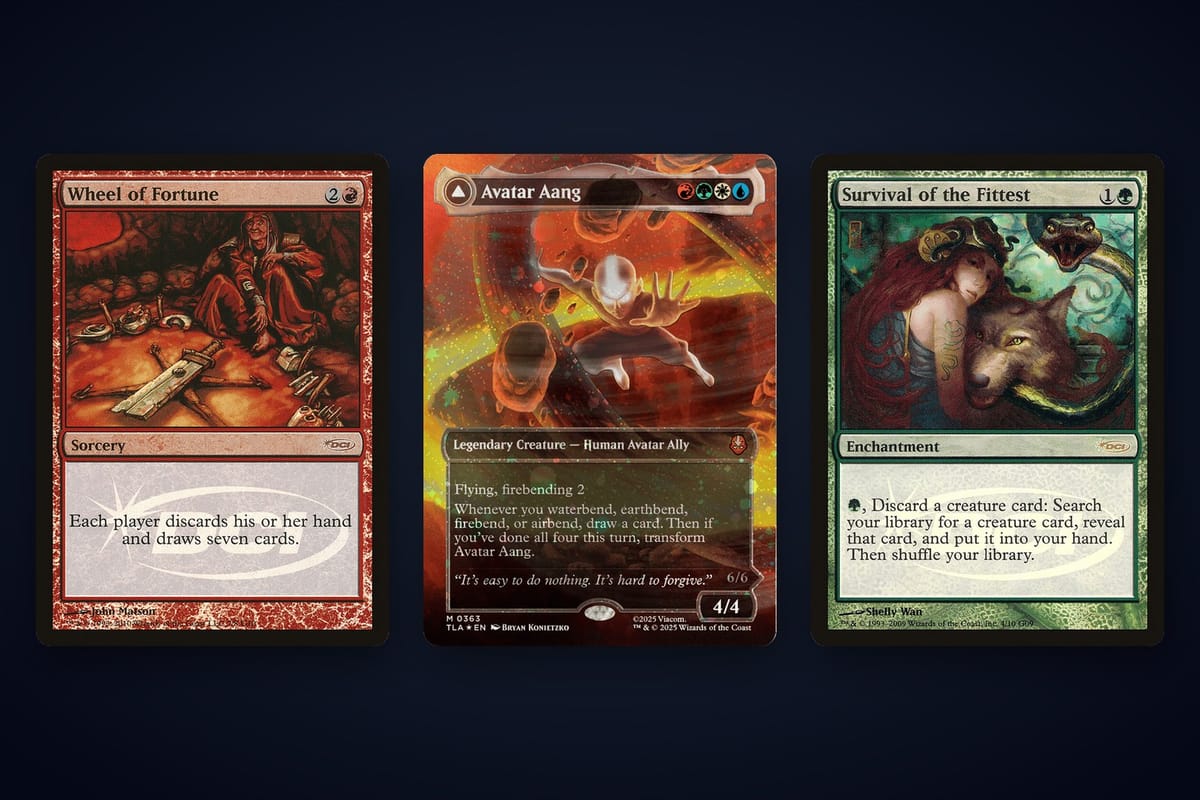
30-day price movers — live data from Midpoint's card database, as of 2026-09-22. Prices move; Midpoint refreshes these daily.
| Card | Raw | PSA 10 | 30-day | |
|---|---|---|---|---|
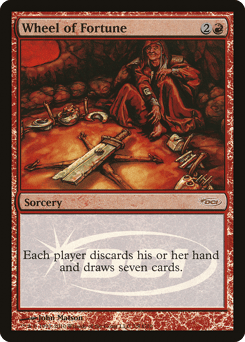 |
Wheel of Fortune #7 Judge Gift Cards 2010 (2010) |
$3,000 | — | +28.7% |
 |
Avatar Aang // Aang, Master of Elements #363 Avatar: The Last Airbender (2025) |
$4,856 | — | +13.7% |
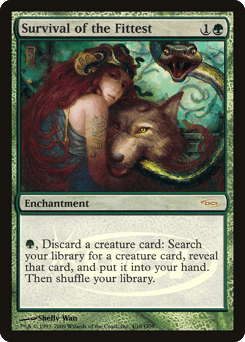 |
Survival of the Fittest #4 Judge Gift Cards 2009 (2009) |
$1,982 | — | +5.5% |
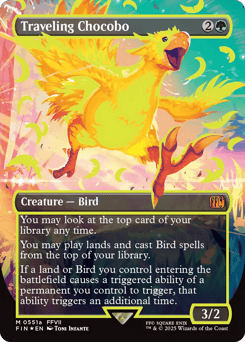 |
Traveling Chocobo #551a Final Fantasy (2025) |
$1,879 | — | +4.9% |
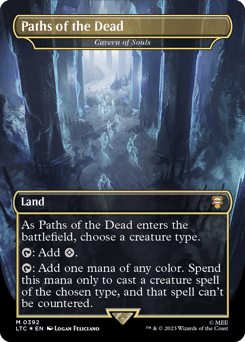 |
Cavern of Souls #392 Tales of Middle-earth Commander (2023) |
$228.86 | — | +4.8% |
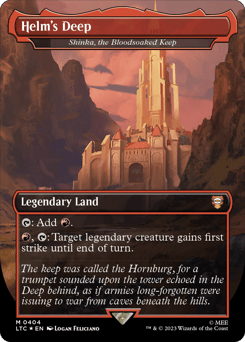 |
Shinka, the Bloodsoaked Keep #404 Tales of Middle-earth Commander (2023) |
$73.45 | — | +4.3% |
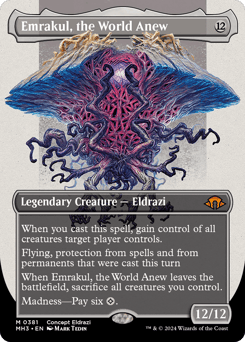 |
Emrakul, the World Anew #381 Modern Horizons 3 (2024) |
$66.32 | — | +2.9% |
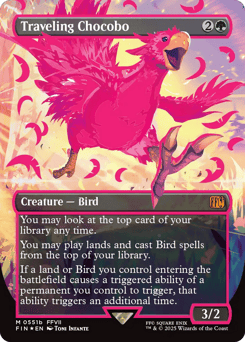 |
Traveling Chocobo #551b Final Fantasy (2025) |
$1,854 | — | +2.7% |
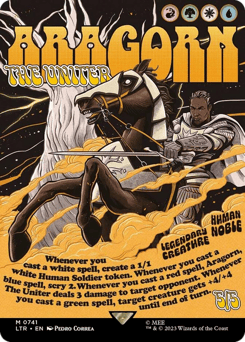 |
Aragorn, the Uniter #741 The Lord of the Rings: Tales of Middle-earth (2023) |
$229.59 | — | +2.6% |
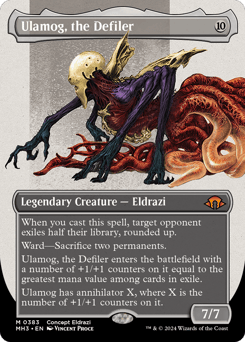 |
Ulamog, the Defiler #383 Modern Horizons 3 (2024) |
$45.30 | — | +2.3% |
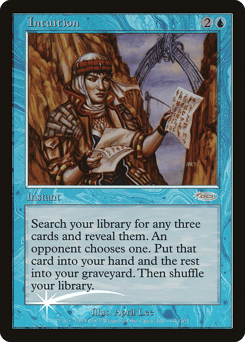 |
Intuition #1 Judge Gift Cards 2003 (2003) |
$1,796 | — | +1.4% |
 |
Palantír of Orthanc #749 The Lord of the Rings: Tales of Middle-earth (2023) |
$356.00 | — | +1.4% |
Look up any card's current raw and graded value in Midpoint — and get an estimated grade before you pay to submit.
1. Urza's Saga
As of 2026-09-22, "Urza's Saga" is among the trending MTG cards with price appreciation. The raw version has reportedly increased by approximately 18% over the past 30 days, currently valued around $42, while the PSA 10 graded copy is listed near $210. This increase may be related to its role in recent competitive decks gaining popularity, which can influence demand.
The card’s supply appears relatively stable, but with tournament success, collectors may be seeking high-grade copies. Foil versions have also seen gains, highlighting the foil vs non-foil price spread collectors might consider.
- Raw price increase: ~18%
- PSA 10 price: around $210
- Foil demand rising alongside metagame shifts
2. Tarmogoyf
Tarmogoyf, a well-known staple, has experienced an increase in raw price to about $88 and a PSA 10 value near $480 this month. Recent ban or rebalance announcements in Modern formats may have influenced player and collector interest toward this card.
Its liquidity remains relatively high, which can make it a viable buy or hold option. However, reprint rumors could affect price sustainability, so buyers should monitor market news closely.
- Raw price as of 2026-09-22: approximately $88
- PSA 10 value: around $480
- High liquidity supports stable pricing
3. Lotus Petal (Alpha Edition)
The Alpha printing of "Lotus Petal" has shown a notable percentage gain this September, reportedly up about 22% to $360 in raw price, with PSA 10 copies averaging near $1,850. This increase may be linked to interest in Vintage and Commander formats, where the card is played.
Collectors should note that Alpha editions have unique scarcity and centering challenges, making tools like Midpoint useful for pre-grading evaluation.
- Raw price increase: ~22%
- PSA 10 price: around $1,850
- Alpha-specific scarcity influences premiums
4. Karn, the Great Creator
Karn’s raw price has risen to about $55, with PSA 10 graded copies near $290. New deck tech featuring Karn may have contributed to demand, especially in Pioneer and Modern formats.
Non-foil versions dominate the market, but foils have started to gain attention, reflecting a broader market trend of foil premiums.
- Raw price: approximately $55
- PSA 10 value: around $290
- Foil vs non-foil price gap emerging
5. Liliana of the Veil
Although not the highest gainer in percentage terms, Liliana of the Veil’s price remains robust with a reported 12% rise to about $95 raw and $520 PSA 10. Its continued presence in Legacy and Modern formats supports demand.
Collectors should be aware of potential reprint risks and consider grading for insurance value, as detailed in Midpoint’s Card Grade Impact on Insurance Value guide.
- Raw price: around $95
- PSA 10 price: approximately $520
- Stable demand in multiple formats
6. Foil vs Non-Foil Price Differences
September’s data suggests that foil versions often hold a 20-30% premium over non-foils in many trending cards, though this varies by set and card popularity. For example, the foil "Urza's Saga" is reported to be about 25% higher priced than its non-foil counterpart.
This spread is important for collectors deciding whether to invest in foils, which often have different grading criteria and market liquidity.
- Foil premiums generally range 20-30%
- Liquidity can be lower for foils
- Grading foils requires precise centering analysis
7. Set- and Printing-Specific Spikes
Certain printings show notable gains. Alpha "Lotus Petal" and Odyssey-era staples, like "Thoughtseize," have increased in value possibly due to scarcity and competitive relevance. Modern sets with new tech are also driving spikes in cards like "Karn."
Collectors should leverage Midpoint’s centering and grading tools to distinguish between printings and assess value before purchase or grading.
- Alpha and Odyssey cards show significant price changes
- Modern sets show emerging spikes
- Centering measurement important for print-specific grading
8. Understanding Market Data Sources and Methodology
Accurate price tracking depends on data from sources like TCGplayer and Cardmarket. Midpoint aggregates cheapest listings and market averages to provide a snapshot, aiming to avoid outlier single-sale noise.
For example, the $210 PSA 10 price for "Urza's Saga" reflects multiple sales rather than a single high-priced transaction. This approach helps collectors understand broader price trends.
- Data from multiple sales increase reliability
- Cheapest listings vs market price difference explained
- Midpoint uses AI to refine grading estimates
9. Interpreting Price Spikes and Reprint Risk
While many cards show upward trends, reprint announcements can affect gains. Cards like "Tarmogoyf" may face moderate reprint risk, so buyers should consider if spikes are sustainable.
Midpoint’s insights can help analyze buylist prices and liquidity to assess if a spike is real or speculative.
- Evaluate buylist vs market prices
- Check card availability before buying high
- Monitor reprint rumors for risk assessment
10. Using Midpoint to Navigate September’s MTG Market
Midpoint’s AI digital grading and portfolio tracking features assist collectors in pre-grading cards and monitoring collection value over time. Accurate centering measurement, shown here:

can help avoid costly grading mistakes, especially during volatile market conditions like September 2026.
Learn more about how to pre-grade your card and use Midpoint’s free Centering Calculator to make informed decisions.
Conclusion
The mtg card market september 2026 shows upward momentum for several key cards, influenced by metagame demand, new deck tech, and scarcity from older printings. Understanding raw versus graded value differences, foil premiums, and reprint risks is important for collectors deciding when to buy, hold, sell, or grade.
Tools like Midpoint provide AI-powered precision to help navigate price changes and grading choices this month and beyond. Staying informed, tracking your portfolio, and measuring centering before grading can support maximizing your collection’s value.
FAQ
Q: Why are MTG card prices rising right now?
A: Prices have risen due to factors such as metagame shifts, new deck tech, and scarcity of certain printings. Recent ban or rebalance changes may also have influenced player demand for specific staples.
Q: Which MTG cards are spiking the most this September?
A: Cards like "Urza's Saga," "Tarmogoyf," and Alpha "Lotus Petal" have seen notable price increases this month, with both raw and graded values rising as of 2026-09-22.
Q: Are these MTG price spikes mostly foils or non-foils?
A: Both foils and non-foils have shown price increases, with foils generally carrying a 20-30% premium. However, liquidity for foils can be lower, so buyers should consider this when investing.
Q: Do MTG card price spikes usually hold or crash back down?
A: It depends on factors like reprint risk and market liquidity. Some spikes may be sustained due to ongoing demand, while others could retreat if reprints occur or if spikes are driven by limited sales. Monitoring multiple data points helps assess sustainability.
Q: What data source is best for tracking MTG card prices?
A: Midpoint aggregates data from TCGplayer, Cardmarket, and other marketplaces, balancing cheapest listings with market averages to provide pricing insights.
Q: How do I tell if a card’s price spike is real or just one-sale noise?
A: Look for multiple sales at higher price points, check buylist liquidity, and use platforms like Midpoint that track aggregated data to filter out anomalies.
Free to start
Try the Midpoint app
Grade any card from a photo, see its raw and PSA 10 value, and track what your collection is worth — free.
Get it on iPhoneGet it on Android