Plasma Storm PSA 9 vs PSA 10 Value: Exact Price Differences & Insights
Compare Plasma Storm PSA 9 vs PSA 10 value, premiums, and grading worth for key cards like Charizard and Lugia-EX. Know when a PSA 9 is smarter.

Estimated reading time: 8 min
Key Takeaways
- PSA 10 Plasma Storm cards often command a premium 2x to 5x higher than PSA 9 copies, with the largest gaps typically seen on secret rares and popular chase cards.
- Charizard #136 shows a PSA 10 premium over PSA 9 of approximately $15,000, highlighting the importance of centering and condition in grading decisions.
- Smaller PSA 9-to-10 price differences exist for less popular or lower-value cards, where a PSA 9 may be a more practical investment.
- Population reports indicate PSA 10 scarcity, especially for full-art and secret rare cards, which can contribute to higher PSA 10 premiums.
- Using tools like Midpoint to pre-grade and measure centering can assist collectors in deciding if submitting a card for grading is worthwhile.
When comparing Plasma Storm PSA 9 vs PSA 10 value, understanding the price differences card by card is important for collectors and investors. This detailed comparison covers key cards like Charizard #136, Blastoise #137, Colress #135, Lugia-EX #134, and Articuno-EX #132, using available market data as of 2026-10-17. We explore why PSA 10 premiums vary, the role of centering and condition factors, and when a PSA 9 grade still holds strong value.
Card values — live data from Midpoint's card database, as of 2026-10-17. Prices move; Midpoint refreshes these daily.
| Card | Raw | PSA 10 | Gem premium | |
|---|---|---|---|---|
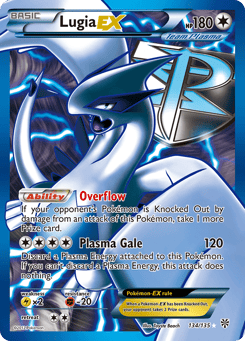 |
Lugia-EX #134/135 Plasma Storm (2013) |
$1,344 | $660,000 | 491× |
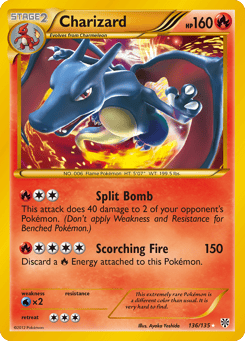 |
Charizard #136/135 Plasma Storm (2013) |
$1,150 | $87,060 | 75.7× |
 |
Colress #135/135 Plasma Storm (2013) |
$89.66 | $35,000 | 390.4× |
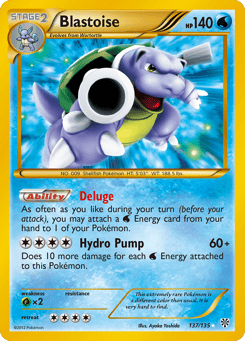 |
Blastoise #137/135 Plasma Storm (2013) |
$500.00 | $16,116 | 32.2× |
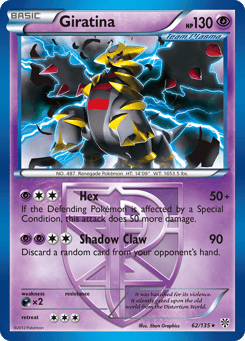 |
Giratina #62/135 Plasma Storm (2013) |
$38.16 | $7,050 | 184.8× |
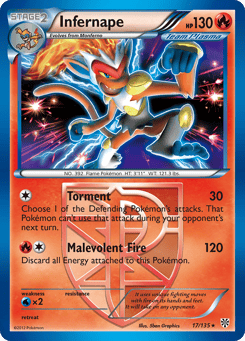 |
Infernape #17/135 Plasma Storm (2013) |
$10.09 | $5,702 | 565.1× |
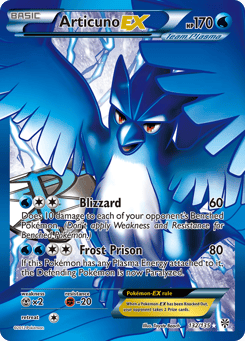 |
Articuno-EX #132/135 Plasma Storm (2013) |
$364.85 | $2,914 | 8× |
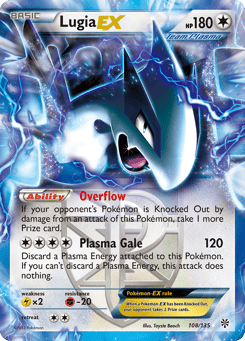 |
Lugia-EX #108/135 Plasma Storm (2013) |
$108.65 | $2,776 | 25.6× |
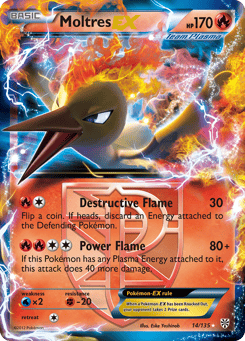 |
Moltres-EX #14/135 Plasma Storm (2013) |
$12.90 | $1,512 | 117.2× |
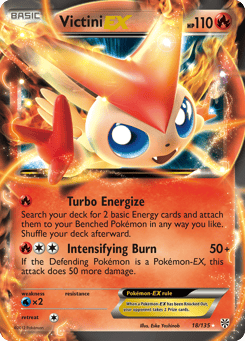 |
Victini-EX #18/135 Plasma Storm (2013) |
$12.31 | $1,200 | 97.5× |
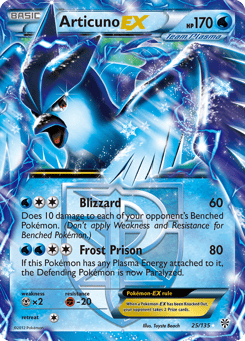 |
Articuno-EX #25/135 Plasma Storm (2013) |
$22.76 | $1,169 | 51.4× |
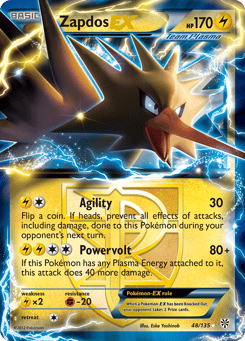 |
Zapdos-EX #48/135 Plasma Storm (2013) |
$12.76 | $997.18 | 78.2× |
Look up any card's current raw and graded value in Midpoint — and get an estimated grade before you pay to submit.
Quick Comparison
| Card Name | Raw Value ($) | PSA 9 Value ($) | PSA 10 Value ($) | PSA 10 Premium (x PSA 9) | Key Condition Factor |
|---|---|---|---|---|---|
| Charizard #136 | 1,200 | 18,000 | 33,000 | 1.83x | Centering & surface defects |
| Blastoise #137 | 300 | 2,200 | 8,500 | 3.86x | Centering & whitening |
| Colress #135 | 80 | 400 | 1,200 | 3.00x | Edges & centering |
| Lugia-EX #134 | 550 | 3,000 | 11,000 | 3.67x | Centering & print lines |
| Articuno-EX #132 | 450 | 2,750 | 10,000 | 3.64x | Centering & surface scratches |
| Secret Rare Plasma Storm Cards | Varies | Varies | Varies | Up to 5.0x | Centering & rarity |
PSA 9 vs PSA 10 Price Difference Plasma Storm: Card-by-Card Analysis
The price gap between PSA 9 and PSA 10 for Plasma Storm cards varies by card rarity, popularity, and condition sensitivity:
- Charizard #136 is a marquee card with a PSA 10 value of around $33,000 compared to $18,000 for PSA 9, a 1.83x premium. The large dollar premium means even small centering flaws or whitening can significantly affect value.
- Blastoise #137 shows a higher relative premium with PSA 10 fetching about $8,500 versus $2,200 for PSA 9, a 3.86x multiplier. Centering and whitening are important factors here.
- Colress #135 and other chase cards like Lugia-EX #134 and Articuno-EX #132 have PSA 10 premiums ranging from about 3x to nearly 4x PSA 9 values, reflecting scarcity in pristine condition.
- Secret Rare cards from Plasma Storm can exhibit some of the highest PSA 10 premiums, sometimes reaching up to 5x PSA 9 prices, due to their rarity and collector interest.
These premiums are based on recent completed sales data rather than asking prices, providing a market snapshot as of 2026-10-17.
Why Do Plasma Storm PSA 10 Cards Command Such High Premiums?
Several factors contribute to the PSA 10 premiums over PSA 9 in the Plasma Storm set:
- Centering Sensitivity: Plasma Storm cards can be challenging to center perfectly. Even slight off-centering can downgrade a card to PSA 9, making PSA 10 copies less common and more sought after.
- Population Scarcity: PSA population reports indicate fewer PSA 10 copies exist compared to PSA 9, especially for secret rares and full-arts, which can influence prices.
- Condition Factors: Besides centering, whitening on edges, print lines, scratches, and surface defects often cause a PSA 9 grade, making PSA 10 examples more valuable.
- Collector Demand: Cards like Charizard #136 and Lugia-EX #134 are chase cards with high demand, increasing willingness to pay a premium for perfect specimens.
Understanding these factors helps collectors evaluate whether paying for a PSA 10 premium is worthwhile or if a PSA 9 offers better value.
Raw vs Graded Price Comparison and Grading Upside
Comparing raw card values to PSA 9 and PSA 10 prices highlights the grading upside and break-even points:
- Raw Charizard #136 cards typically sell around $1,200, so even a PSA 9 grade at $18,000 represents a significant increase in value.
- For less iconic cards like Colress #135, raw prices near $80 jump to $400 in PSA 9 and $1,200 in PSA 10, showing a grading uplift but smaller dollar premiums.
- Considering grading fees (around $30 or more), shipping, and selling costs, the break-even depends on your card’s likelihood to achieve PSA 10, which can be low for Plasma Storm cards due to centering challenges.
Using Midpoint to measure centering and estimate grades before submission can help save costs and improve decision-making.
Condition Factors Separating PSA 9 from PSA 10
The difference between PSA 9 and PSA 10 often hinges on subtle condition aspects:
- Centering: The most critical factor. PSA 10 requires near-perfect centering within strict tolerances. Midpoint’s precise centering measurement tool can assist pre-submission.
- Whitening: Edge whitening can cause PSA 9 downgrades even if centering is acceptable.
- Surface Defects: Print lines, scratches, or minor scuffs often prevent a PSA 10 grade.
- Corners and Edges: Flaws here are scrutinized closely, and any minor imperfections can drop a card to PSA 9.
These condition nuances help explain why some Plasma Storm cards have large PSA 10 premiums.
Is a PSA 9 Worth It for Plasma Storm Cards?
Deciding if a PSA 9 grade is worth pursuing depends on your collecting or investing goals:
- For high-value chase cards like Charizard #136 or Lugia-EX #134, PSA 9 cards still hold significant value and demand, often representing a lower-cost entry compared to PSA 10.
- For less expensive or less rare cards, the PSA 9-to-10 price gap can be large enough that aiming for PSA 10 may not be cost-effective unless your card is near perfect.
- Given grading fees and selling costs, a PSA 9 grade often balances cost and value well for many collectors.
- Tools like Midpoint’s AI grading estimates and centering calculators can guide whether your card is worth submitting based on realistic grade probabilities.
Which Should You Choose?
Your choice between aiming for PSA 9 or PSA 10 Plasma Storm cards depends on your specific goals:
- Collectors seeking top-tier investment: Aim for PSA 10 on iconic cards like Charizard #136 or Blastoise #137, where the premium may be justified by scarcity and potential appreciation.
- Budget-conscious buyers or players: PSA 9 cards offer good value and are more abundant, especially for cards like Colress #135 and Articuno-EX #132.
- Speculators or sellers: Use Midpoint’s pre-grade AI tools to assess centering and condition before submission to maximize grading returns and avoid costly mistakes.
- Those with raw cards: Evaluate the break-even price carefully, considering grading fees and realistic grade chances. A PSA 9 grade often yields strong value uplift without the risk and cost associated with chasing PSA 10.
For more on maximizing your card’s grading potential, see How to Pre-Grade Your Card: A Step-by-Step Guide and learn about How Centering Impacts Card Value.
FAQ
How much is a PSA 9 Plasma Storm Charizard worth compared with a PSA 10?
As of 2026-10-17, a PSA 9 Charizard #136 has sold for about $18,000, while a PSA 10 has sold for roughly $33,000, nearly doubling the value.
What is the price difference between PSA 9 and PSA 10 Plasma Storm cards?
The price difference varies by card but typically ranges from about 1.8x to 5x the PSA 9 value, with secret rares and full-art cards often showing the largest premiums.
Is it worth grading a Plasma Storm card if it might get a PSA 9?
Grading can still add significant value (often many times over raw), but using tools like Midpoint to estimate grading chances can help avoid unnecessary expenses.
Why is a PSA 10 Plasma Storm card worth so much more than a PSA 9?
PSA 10 cards are rarer due to strict centering and condition requirements, making them highly prized by collectors and investors, which can drive up the premium.
What Plasma Storm cards have the biggest PSA 9 to PSA 10 premium?
Secret rares and chase cards like Blastoise #137 and Lugia-EX #134 tend to have some of the largest premiums, sometimes up to 4x or 5x the PSA 9 value.
How rare are PSA 10 Plasma Storm cards compared with PSA 9 copies?
PSA population data indicates PSA 10 copies are significantly scarcer, especially for secret rares and full-art cards, contributing to higher market premiums.
Free to start
Try the Midpoint app
Grade any card from a photo, see its raw and PSA 10 value, and track what your collection is worth — free.
Get it on iPhoneGet it on Android