Pokemon Card Value: How to Accurately Determine Worth and Maximize Profits
Learn how to check your Pokemon card value using set, condition, grading, and market trends to get top dollar for your collection.


Estimated reading time: 18 min
Key Takeaways
- Pokemon card value depends on rarity, edition, condition, grading, and market demand, with nuanced factors influencing each attribute.
- Use card name, set, and number to accurately identify and price cards, ensuring you consider language variants and print differences.
- Grading by PSA, BGS, or CGC can increase card value, especially for high grades, but involves costs and risks that must be weighed.
- Vintage cards like 1st Edition Base Set and Shadowless, plus special promos, often hold top market value, but modern chase cards can also command premium prices.
- Market trends and sold listings give more realistic price insights versus asking prices, requiring ongoing monitoring for best timing.
Card values — live data from Midpoint's card database, as of 2026-08-03. Prices move; Midpoint refreshes these daily.
| Card | Raw | PSA 10 | Gem premium | |
|---|---|---|---|---|
![Elite Trainer Box [Pokemon Center] Pokemon Paldea Evolved card](https://i.ebayimg.com/images/g/Z24AAeSwXudqdU-H/s-l500.jpg) |
Elite Trainer Box [Pokemon Center] Pokemon Paldea Evolved |
$558.51 | $600.00 | 1.1× |
 |
Pokemon Breeder #76 Pokemon Base Set |
$3.95 | $256.75 | 65× |
![Elite Trainer Box: Jolteon [Pokemon Center] Pokemon Evolving Skies card](https://i.ebayimg.com/images/g/84cAAeSwls1qdRmD/s-l500.jpg) |
Elite Trainer Box: Jolteon [Pokemon Center] Pokemon Evolving Skies |
$1,102 | — | — |
![Elite Trainer Box [Pokemon Center] Pokemon Destined Rivals card](https://i.ebayimg.com/images/g/f-4AAeSwAzZqcxTY/s-l500.jpg) |
Elite Trainer Box [Pokemon Center] Pokemon Destined Rivals |
$460.00 | — | — |
![Elite Trainer Box [Pokemon Center Lucario] Pokemon Mega Evolution card](https://i.ebayimg.com/images/g/LAcAAeSwYexqcoLg/s-l500.jpg) |
Elite Trainer Box [Pokemon Center Lucario] Pokemon Mega Evolution |
$242.90 | — | — |
![Special Box [Pokemon Center Kanazawa] Pokemon Japanese Promo card](https://i.ebayimg.com/images/g/1ncAAeSwZYRqGgva/s-l500.jpg) |
Special Box [Pokemon Center Kanazawa] Pokemon Japanese Promo |
$1,065 | — | — |
 |
Pokemon Trading Card Game Classic Collection Pokemon Scarlet & Violet |
$439.99 | — | — |
![Elite Trainer Box [Pokemon Center] Pokemon Journey Together card](https://i.ebayimg.com/images/g/J~4AAeSwdhFqYQh4/s-l500.jpg) |
Elite Trainer Box [Pokemon Center] Pokemon Journey Together |
$197.14 | — | — |
![Elite Trainer Box [Pokemon Center] Pokemon Lost Origin card](https://i.ebayimg.com/images/g/lzQAAeSwRo9qcgF6/s-l500.jpg) |
Elite Trainer Box [Pokemon Center] Pokemon Lost Origin |
$375.00 | — | — |
![Elite Trainer Box: Koraidon [Pokemon Center] Pokemon Scarlet & Violet card](https://i.ebayimg.com/images/g/FKsAAeSw2OhqbXm3/s-l500.jpg) |
Elite Trainer Box: Koraidon [Pokemon Center] Pokemon Scarlet & Violet |
$277.70 | — | — |
Look up any card's current raw and graded value in Midpoint — and get an estimated grade before you pay to submit.
Table of Contents
- Section 1: Understanding Pokemon Card Value Basics
- Section 2: Key Value Drivers: Rarity, Edition, and Condition
- Section 3: Grading’s Impact on Pokemon Card Value
- Section 4: Vintage vs Modern Cards: Price Range Differences
- Section 5: High-Value Pokemon Card Categories and Examples
- Section 6: Using Market Data and Sales to Check Card Value
- Section 7: Current Valuable Sets, Cards, and Market Trends
- Determining pokemon card value involves several interrelated factors including card rarity, edition, condition, grading status, and market demand. Collectors and investors often seek cards that are scarce and well-preserved, especially those with unique attributes such as first print runs, error cards, or special artwork variations. The card’s popularity among collectors, its playability in tournaments, and nostalgia can also influence prices. For example, a holographic Charizard from the Base Set is widely recognized as highly sought after due to both rarity and iconic status.
- Additionally, external events such as anniversaries, media exposure (like Pokemon movie releases), or influencer endorsements can temporarily affect interest and value. Conversely, mass reprints or new card releases may impact older card values. Understanding these dynamics is helpful for valuation.
- Identifying a card accurately is the first and most crucial step toward checking its value. Use the card’s name, set (e.g., Base Set, Neo Genesis, Scarlet & Violet), and collector number (found in the card’s bottom corner) to find exact matches in price guides or databases. Pay special attention to language variants (English, Japanese, German, etc.), as some foreign-language cards can have different values, sometimes higher due to rarity or demand.
- Also, note foil and holo variants, shadowless or 1st Edition stamps, and any unique identifiers such as error printing or miscuts. For example, Base Set Shadowless cards lack the drop shadow on the right side of the card image border and are generally considered more valuable than unlimited prints. Accurate identification helps prevent mix-ups between similar cards from different sets or reprints, which can have different values.
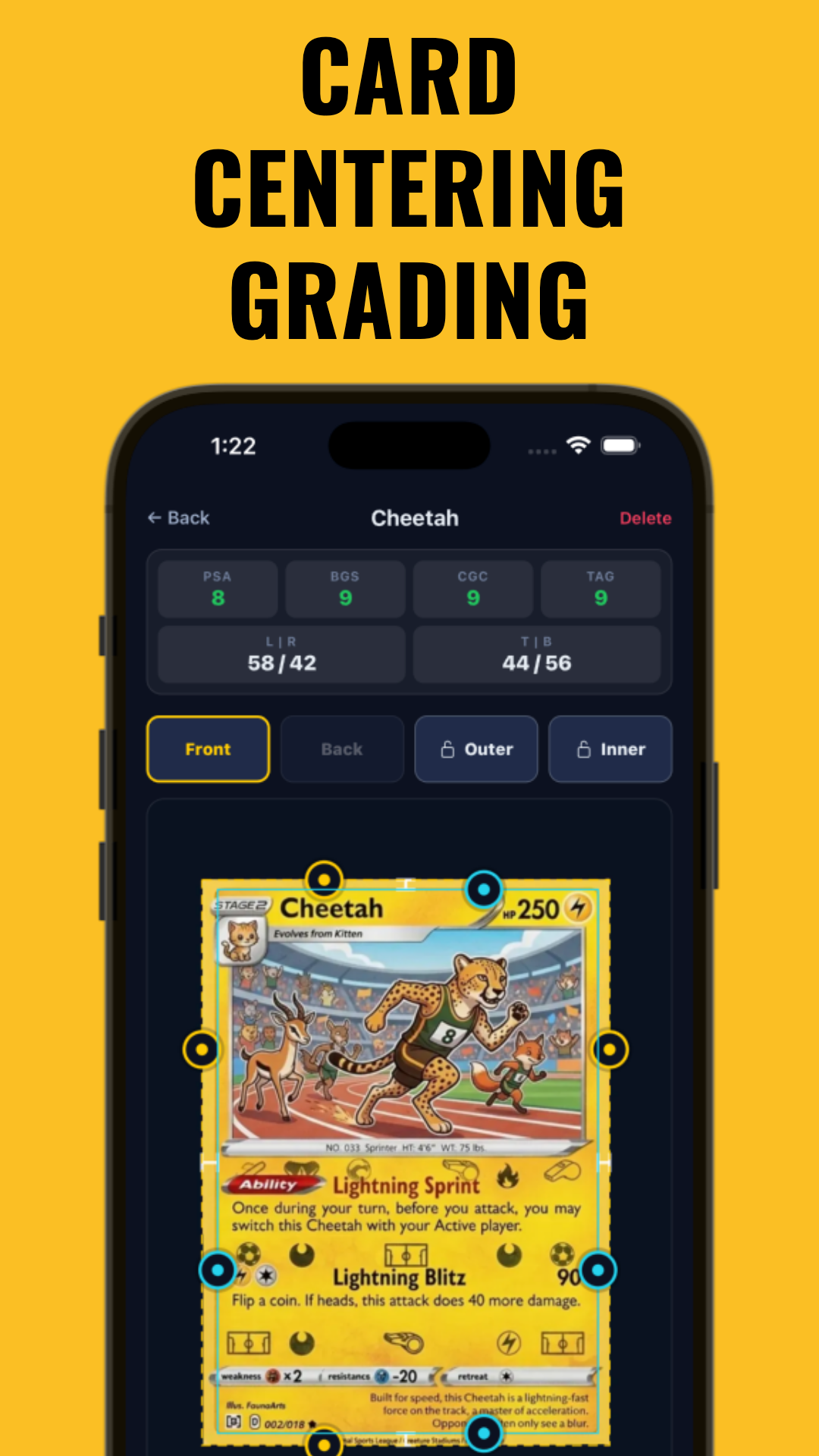
- Apps like Midpoint offer all-in-one solutions for card lookup, showing raw and graded values across many cards. Midpoint’s AI-powered grading estimate and centering measurement can provide instant insights before paying third-party grading fees, potentially saving collectors time and money. It also allows batch scanning to speed up portfolio valuation.
- Midpoint integrates data from major grading companies (PSA, BGS, CGC) and recent sales listings, providing a broad picture of current market conditions. Other tools such as PriceCharting and eBay’s sold listings complement these by showing historical price trends and real-world transaction data.
- Rarity is one of the most important factors influencing pokemon card value. Cards printed in limited quantities or as special promos often command higher prices. For instance, 1st Edition cards from the original Base Set were printed in fewer numbers than unlimited prints, making them scarcer.
- 1st Edition: The very first print run often features a 1st Edition logo near the bottom left of the card and is prized for scarcity and collectibility. For example, some 1st Edition Base Set Charizard PSA 10 cards have sold for hundreds of thousands of dollars at auction.
- Shadowless: Base Set cards without the drop shadow on the card image border represent an early print variation. These are generally rarer than unlimited versions and can command premiums, especially in high condition grades.
- Promos and Trophy Cards: Cards distributed at events, tournaments, or as prizes are often unique or limited in quantity. Examples include the 1998 Tropical Mega Battle cards or the Pikachu Illustrator card, which is among the rarest and most valuable Pokemon cards known.
- Beyond print numbers, print errors and misprints (such as missing text, inverted images, or color anomalies) can also increase rarity and value, but require expert authentication.
- Different editions and print runs can significantly affect card values. For example, a 1st Edition Base Set Charizard is generally worth more than a later unlimited print. Similarly, the Neo Genesis set introduced new second-generation Pokemon and had print variations such as shadowless and unlimited versions.
- Recent sets also have distinct variants, such as special Elite Trainer Boxes that may have varying values based on the featured Pokemon and print quantity. For example, the Elite Trainer Box: Jolteon [Pokemon Center] (Pokemon Evolving Skies) has become collectible due to its limited distribution and the popularity of Jolteon.
- Collectors should also be aware of reprints, such as the "Shining" cards or "Hidden Fates" sets, which can have different values depending on whether they are original releases or later reprints.
- Condition is crucial in pricing. Cards are graded based on how well they have been preserved, considering factors like centering, edges, corners, and surface wear. Common condition terms include:
- Near Mint (NM): Almost perfect condition with very minor imperfections such as slight edge wear or minimal surface blemishes. Cards in NM condition retain most of their original gloss and color vibrancy.
- Lightly Played (LP): Minor wear visible on edges or slight scratches on the surface, but still attractive and collectible. LP cards typically show small corner fraying or minor surface scuffs.
- Moderately Played (MP): Noticeable wear such as visible creases, whitening on edges, or slight bends that affect the card’s aesthetics and value.
- Damaged: Significant defects including deep creases, tears, stains, or fading that severely reduce value. Damaged cards may be of sentimental value but have limited market demand.
- Even a rare card loses significant value if heavily damaged. Tools like Midpoint’s AI condition and centering analysis can help users assess condition before selling or grading, providing a visual report on areas of concern.
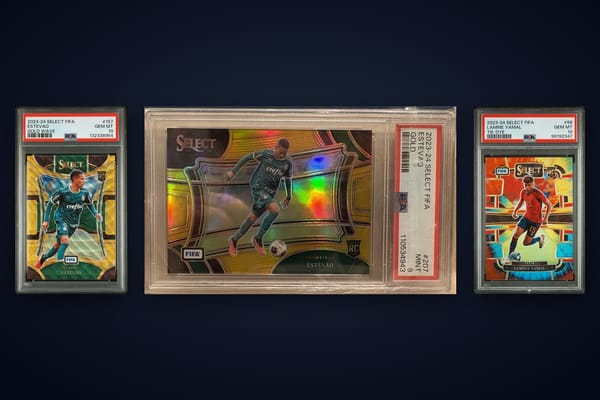
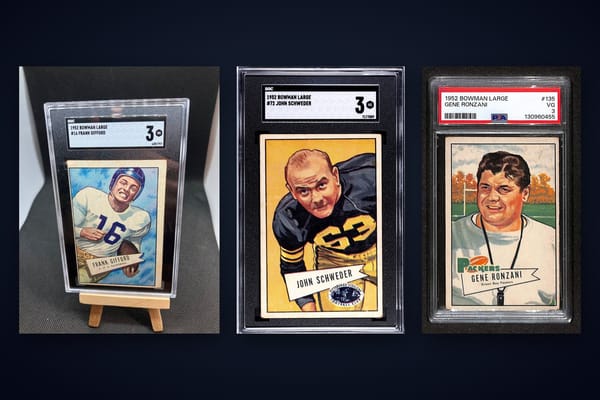
- Third-party grading companies like PSA (Professional Sports Authenticator), BGS (Beckett Grading Services), and CGC (Certified Guaranty Company) authenticate and assign a condition grade to cards, which can increase a card’s market value. Graded cards provide buyer confidence by guaranteeing authenticity and condition, reducing risk in high-value transactions.
- Graded cards are encapsulated in tamper-proof plastic holders with a label indicating the grade and subgrades (for BGS and CGC), making them easier to store and display. Grading can also help preserve the card from further wear.
- Grades typically range from 1 (poor) to 10 (gem mint). Each incremental grade increase can multiply a card’s value, especially for iconic cards. For example, a raw Pokemon Breeder #76 card from the Base Set might be worth a few dollars, but a PSA 10 graded version can be worth significantly more. This gap underscores the value grading can add, especially at the highest grades.
- Subgrades for centering, corners, edges, and surface are considered by BGS and CGC, allowing for more precise grading distinctions that affect price. For instance, a BGS 9.5 with a 10 for centering can command a higher price than a 9.5 with lower centering.
- However, grading is not always cost-effective for lower-value cards due to submission fees and turnaround times. Cards must be carefully selected for grading based on potential value increase versus cost.
- Consider the Elite Trainer Box [Pokemon Center] (Pokemon Paldea Evolved), which has a raw value of around $558 and a PSA 10 value close to $600, representing a modest premium due to already premium raw condition and strong demand. In contrast, many other cards may see larger increases in value upon grading.
- Midpoint’s AI digital grading can estimate your card’s PSA, BGS, CGC, and TAG grades based on centering, corners, edges, and surface, helping you decide if grading is worth the cost. It provides a risk-free way to preview potential grading outcomes before submitting cards.
- Vintage cards generally refer to early sets like Base Set (1999-2000), Neo Genesis (2000), and Skyridge (2003). These cards often have higher value due to scarcity, nostalgia, and their iconic status. For example, the Base Set is famous for its 1st Edition Charizard, which can be valued in the thousands of dollars when graded high, with PSA 10 copies sometimes reaching very high prices.
- Other vintage cards such as the Neo Genesis Lugia and Skyridge Crystal Charizard also command premium prices, especially in top conditions. These cards often have unique foil types and artwork that modern cards don’t replicate.
- Due to their age, vintage cards are more likely to have condition issues, so grading plays a critical role in establishing value. Collectors should also be mindful of counterfeit vintage cards, which have increased in prevalence.
- Modern cards include recent sets and special promos like Elite Trainer Boxes featuring popular Pokemon such as Jolteon or Koraidon from Scarlet & Violet. These can be valuable, with raw prices sometimes exceeding $1,000, as seen with the Elite Trainer Box: Jolteon [Pokemon Center] (Pokemon Evolving Skies).
- Modern chase cards also include secret rares, full art cards, rainbow rares, and limited edition promotional releases that generate hype and demand. For example, Full Art Trainer cards or VMAX/GX cards from recent expansions have seen significant market interest.
- While modern cards can fetch high prices initially, their values are often more volatile, influenced by competitive play legality, set rotation, and hype cycles.
- Vintage cards often hold long-term value but can be more volatile depending on condition and grading. Modern chase cards may be priced higher initially but often fluctuate with market trends and hype. For instance, the value of modern Elite Trainer Boxes can spike during pre-release periods or after popular tournament wins.
- Collectors and investors should understand these distinctions to diversify collections and hedge against market shifts. Combining vintage staples with select modern chase cards can balance risk and potential rewards.
- These are highly prized by collectors. 1st Edition Base Set cards, especially holo rares like Charizard, Blastoise, and Venusaur, are among the most valuable. Shadowless variants, lacking the drop shadow around the card image, are rarer and also sought after.
- For example, a 1st Edition Base Set Charizard graded PSA 10 can command very high prices, while the same card in near mint raw condition can still sell for significant amounts. Shadowless Charizards, while not 1st Edition, can also fetch high prices in top grades.
- Collectors should verify authenticity carefully due to counterfeit risks in this category.
- Gold Star cards feature shiny Pokemon and were printed in limited runs during the EX series (2003-2007). Due to their scarcity and unique artwork, these cards are valuable. For example, a Gold Star Rayquaza in PSA 10 can sell for high prices.
- Promos and tournament trophy cards have restricted distribution, making them rare and valuable. The Special Box [Pokemon Center Kanazawa] (Pokemon Japanese Promo) has a raw value reflecting the premium for regional exclusives.
- Other notable promo cards include the Pikachu Illustrator card, awarded to winners of illustration contests, which is considered one of the rarest Pokemon cards worldwide.
- Charizard: The most iconic and valuable Pokemon card in many sets, consistently maintaining high demand across vintage and modern iterations.
- Pikachu: Especially special promos, anniversary editions, and event-exclusive cards.
- Umbreon, Rayquaza, and Gengar: Highly desirable holo and rare variants with dedicated collector followings.
- Collectors often focus on these cards for investment or trading due to consistent demand and appreciation potential. For instance, Umbreon Gold Star cards have seen steady price interest, while Rayquaza cards from the EX series continue to be sought after.
- Marketplaces often show asking prices that don’t always reflect actual sale values. Sellers may list cards at optimistic prices, but the real measure is what buyers are willing to pay. Checking completed sales or sold listings on platforms like eBay or price guides provides more realistic market data. This helps avoid overpaying or undervaluing your cards. For example, a card listed at $1,000 might have sold recently for less in actual transactions.
- Price guides such as PriceCharting and apps like Midpoint aggregate sales data to show trends in raw and graded values. Midpoint offers up-to-date values for many cards across multiple grading companies, helping collectors track portfolio value and market movements. These tools often include graphs showing price history, enabling users to identify peak pricing periods and dips.
- Many collectors combine multiple sources, including local trading communities and auction houses, for comprehensive valuation.
- Understanding broader market trends, such as rising interest in certain sets or Pokemon, informs better buying and selling decisions. For example, recent demand for Elite Trainer Boxes like Pokemon Paldea Evolved or Pokemon Lost Origin can influence prices. Monitoring these trends through reliable tools reduces guesswork.
- Seasonal factors, such as holidays or major Pokemon anniversaries, often cause temporary market spikes. Additionally, the competitive scene’s rotation of legal sets can alter demand for cards used in tournaments, impacting prices.
- Base Set: The foundation of Pokemon TCG with iconic cards, especially 1st Edition and shadowless variants.
- Neo Genesis: Introduced second-generation Pokemon and rare holo cards, with many sought-after pieces.
- Skyridge: One of the rarest sets with unique artwork and limited print runs, highly prized.
- Recent Special Sets: Elite Trainer Boxes from Pokemon Center editions often command higher prices due to exclusivity and limited availability.
- Elite Trainer Box [Pokemon Center] (Pokemon Paldea Evolved): raw around $558, PSA 10 around $600
- Elite Trainer Box [Pokemon Center Lucario] (Pokemon Mega Evolution): raw around $243
- Pokemon Trading Card Game Classic Collection (Pokemon Scarlet & Violet): raw around $440
- 1st Edition Base Set Charizard (Holo Rare): PSA 10 copies have sold for very high prices
- Gold Star Rayquaza: PSA 10 copies valued at high prices
- The Pokemon card market remains active with collectors and investors seeking both vintage treasures and modern chase items. Using tools like Midpoint for digital grading and portfolio tracking can help you make informed decisions backed by data, reducing risks associated with grading costs and market fluctuations.
- Investors should maintain awareness of market cycles, avoid overpaying during hype periods, and consider long-term holding strategies for rare vintage cards. Diversifying between vintage and modern cards can mitigate risk, while trading and flipping lower-value cards can provide liquidity.
- For more on how centering influences card value, see our detailed guide here. Also, if you want to protect your valuable cards, read The Ultimate Collector's Guide.
- Understanding and accurately determining pokemon card value requires knowledge of card identification, rarity, edition, condition, grading impact, and market trends. Leveraging digital tools like Midpoint allows collectors to measure centering precisely, estimate grading, and track portfolio value with confidence. Whether you own vintage Base Set gems or modern Elite Trainer Boxes like the Jolteon [Pokemon Center], knowing how to evaluate and monitor your cards can help you maximize your collection’s worth while minimizing risks.
- Armed with detailed market data, AI grading insights, and a clear understanding of rarity and condition, collectors and investors can navigate the Pokemon card market more effectively. Start exploring your cards’ potential with Midpoint’s free app available on iOS and Android at Midpoint.
- Q: How do I know if my Pokemon cards are worth money?
A: Use accurate card identification by name, set, and number, then check condition and rarity. Apps like Midpoint offer value estimates using AI grading and market data to show raw and graded prices. Additionally, checking recent sold listings on marketplaces can give real-world pricing. - Q: What makes a Pokemon card valuable?
A: Rarity, edition (1st Edition, Shadowless), condition, grading, and demand are key. Special promos, holo rares, and trophy cards often have higher value. Popular flagship Pokemon like Charizard or limited-run promotional cards tend to retain or increase value. - Q: How much is a 1st Edition Charizard worth?
A: Value varies by condition and grading but can range from hundreds of dollars for heavily played raw copies to tens or hundreds of thousands of dollars for PSA 10 graded versions. Market demand and authenticity strongly influence final prices. - Q: Does grading a Pokemon card increase its value?
A: Yes, grading by PSA, BGS, or CGC can increase a card’s value, especially at high grades like PSA 10, by authenticating and certifying condition. However, grading fees and turnaround times mean it’s best suited for cards with significant value potential. - Q: How do I check the value of a Pokemon card by set and number?
A: Use the card’s set name and collector number to find exact matches on price guides or apps like Midpoint, which show raw and graded values from recent sales, along with condition and grading details to ensure accurate valuation. - Q: What are the most valuable Pokemon cards right now?
A: Vintage 1st Edition Base Set cards, Shadowless variants, Gold Stars, and special promos remain among the most valued. Modern Elite Trainer Boxes like the Jolteon [Pokemon Center] also have strong market prices, but values fluctuate with market trends and demand.
Free to start
Try the Midpoint app
Grade any card from a photo, see its raw and PSA 10 value, and track what your collection is worth — free.
Get it on iPhoneGet it on AndroidFAQ
Conclusion
Market Outlook and Investment Perspective
Examples of Valuable Cards and Boxes
Top Valuable Sets to Watch
Section 7: Current Valuable Sets, Cards, and Market Trends
Monitoring Market Trends and Set Indexes
Leveraging Price Guides and Apps
Why Sold Listings Matter More Than Asking Prices
Section 6: Using Market Data and Sales to Check Card Value
Popular Flagship Pokemon
Gold Stars, Promos, and Trophy Cards
1st Edition and Shadowless Cards
Section 5: High-Value Pokemon Card Categories and Examples
Price Range Variability
Modern Chase Cards and Special Releases
Vintage Cards: The Classic Collectibles
Section 4: Vintage vs Modern Cards: Price Range Differences
PSA 10 vs Raw Cards: A Real-World Comparison
Grading Scale and Value Multipliers
Why Get a Card Graded?
Section 3: Grading’s Impact on Pokemon Card Value
Condition and Its Terminology
Edition and Print Differences
Rarity and Print Runs
Section 2: Key Value Drivers: Rarity, Edition, and Condition