Summer Magic / Edgar MTG Cards Value: Raw vs Graded Guide
Summer Magic / Edgar MTG cards value explained: most valuable cards, raw vs graded gaps, PSA 10 premiums, authentication, and which cards are worth grading.

Estimated reading time: 12 min
Key Takeaways
- Summer Magic / Edgar MTG cards value is driven by a small, withdrawn 1994 corrected print run, so scarcity and high-demand staples (duals, Sol Ring, Hurricane) dominate the price list.
- The most valuable Summer Magic / Edgar cards are generally the dual lands, Sol Ring, and the much-discussed Blue Hurricane variant; the gap between raw and graded copies is where the real money moves.
- A Summer Magic / Edgar PSA 10 value can sit far above lower grades because high grades are so hard to find on soft-cornered, poorly centered 1994 stock.
- Authentication matters before any pricing: confirm a card is truly Summer Magic and not Revised before you trust a comp.
- Measure centering and corners first, then decide whether grading fees make sense for each card.
Card values — live data from Midpoint's card database, as of 2026-11-06. Prices move; Midpoint refreshes these daily.
| Card | Raw | PSA 10 | Gem premium | |
|---|---|---|---|---|
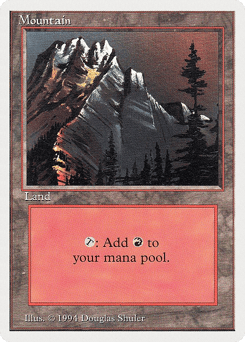 |
Mountain #301 Summer Magic / Edgar (1994) |
$450.00 | — | — |
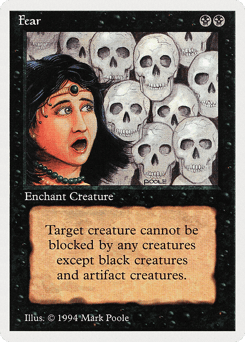 |
Fear #111 Summer Magic / Edgar (1994) |
$0.15 | — | — |
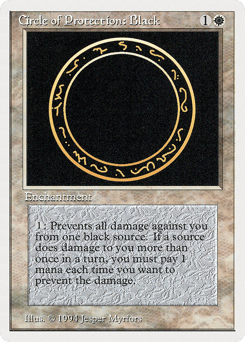 |
Circle of Protection: Black #9 Summer Magic / Edgar (1994) |
$1.54 | — | — |
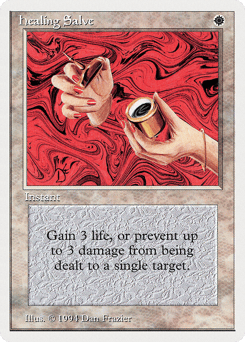 |
Healing Salve #22 Summer Magic / Edgar (1994) |
$0.50 | — | — |
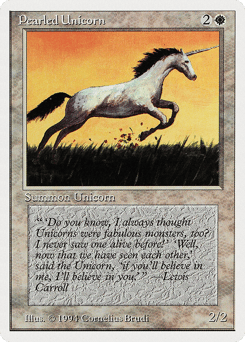 |
Pearled Unicorn #30 Summer Magic / Edgar (1994) |
$0.19 | — | — |
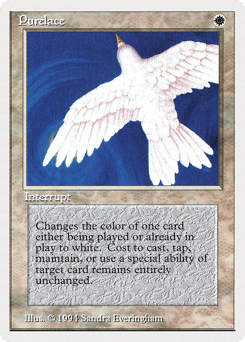 |
Purelace #32 Summer Magic / Edgar (1994) |
$0.46 | — | — |
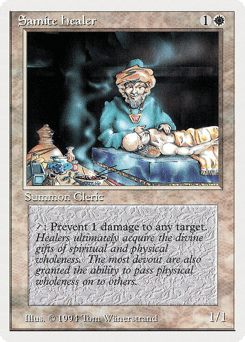 |
Samite Healer #38 Summer Magic / Edgar (1994) |
$0.25 | — | — |
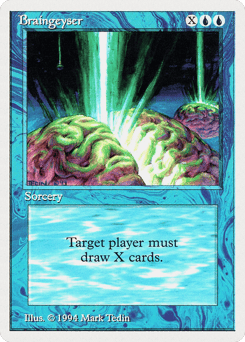 |
Braingeyser #50 Summer Magic / Edgar (1994) |
$1.00 | — | — |
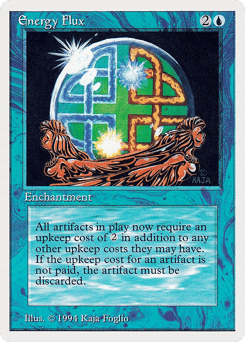 |
Energy Flux #57 Summer Magic / Edgar (1994) |
$0.25 | — | — |
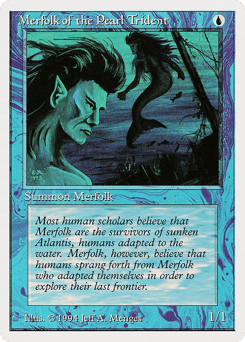 |
Merfolk of the Pearl Trident #68 Summer Magic / Edgar (1994) |
$0.19 | — | — |
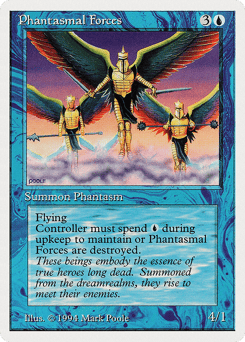 |
Phantasmal Forces #69 Summer Magic / Edgar (1994) |
$0.19 | — | — |
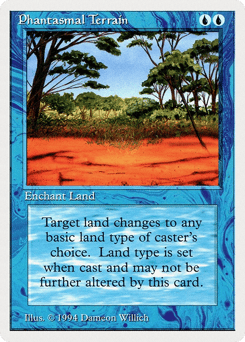 |
Phantasmal Terrain #70 Summer Magic / Edgar (1994) |
$400.00 | — | — |
Look up any card's current raw and graded value in Midpoint — and get an estimated grade before you pay to submit.
Table of Contents
- Section 1: Summer Magic / Edgar MTG Cards Value at a Glance
- Section 2: Most Valuable Summer Magic / Edgar Cards
- Section 3: Summer Magic / Edgar Price Guide: Raw vs Graded
- Section 4: How to Tell Summer Magic from Revised
- Section 5: What Moves Prices: Condition, Centering, and Grade
- Section 6: How to Price-Check Summer Magic Cards
- Section 7: Summer Magic / Edgar Cards Worth Grading
- Conclusion
- FAQ
Section 1: Summer Magic / Edgar MTG Cards Value at a Glance
Summer Magic / Edgar MTG cards value is one of the most searched and least understood topics in vintage Magic: The Gathering. The set is small, strange, and scarce, and prices reflect all three traits.
The data table below this section shows current raw and graded values pulled from the Midpoint database as of 2026-11-06. This guide explains how to read those numbers, why they look the way they do, and what to do with a card in your hands.
What Summer Magic / Edgar actually is
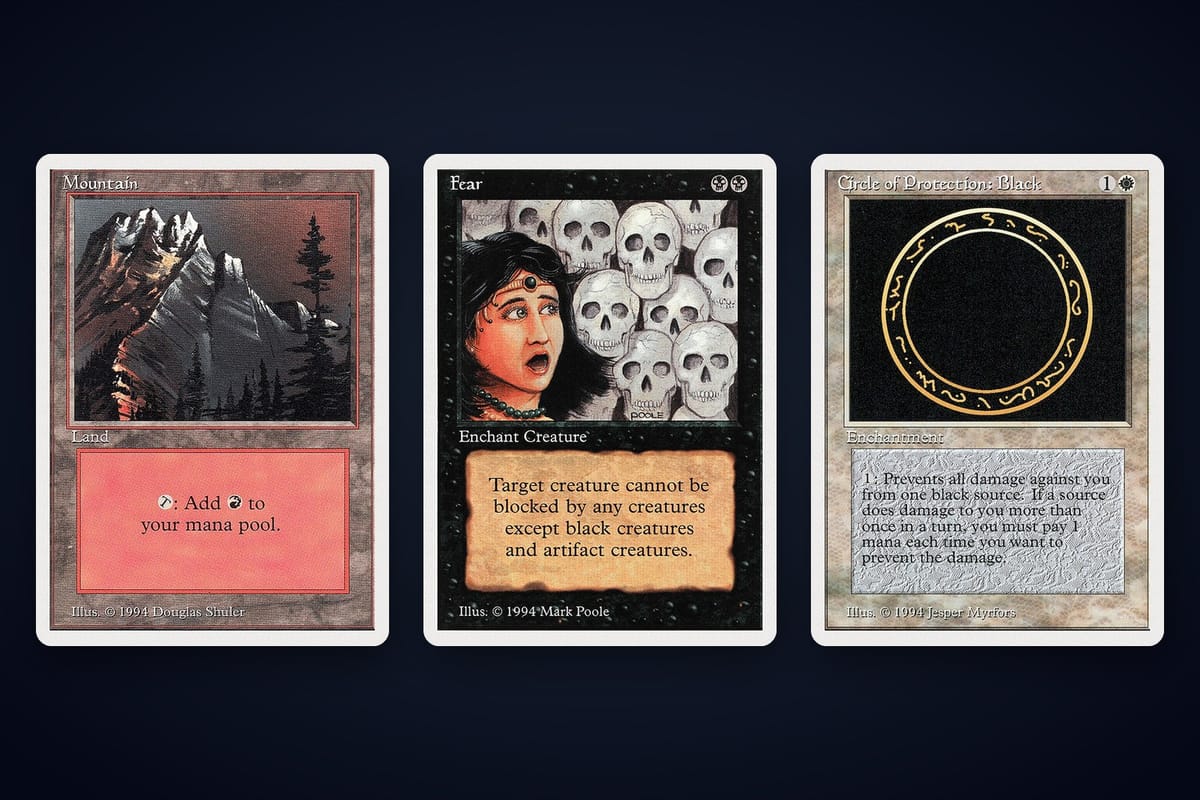
Summer Magic is a 1994 corrected print run built on the Revised-era card pool. Collectors also call it Edgar, a nickname generally attributed to a distinguishing detail in the card's printed text. It was a short-lived printing that Wizards of the Coast ended up withdrawing, which is why so few copies reached the market.
Accounts of the exact circumstances vary between sources, so treat any single retelling cautiously. What is consistent is the outcome: a limited quantity of corrected cards, many of which never circulated widely.
Why Summer Magic / Edgar cards are so expensive
Several forces stack on top of each other:
- Scarcity: a withdrawn run means far fewer copies than Revised, Unlimited, or even many other early printings.
- Staple cards: the pool includes dual lands, Sol Ring, and other cards players and investors already chase.
- Collector storytelling: the "corrected" and "recalled" angle gives the set an identity separate from standard Revised.
- Condition rarity: 1994 cards were handled, played, and shuffled, so clean survivors are scarce.
No reliable public print-run figure is quoted here. Be wary of any site that states an exact count without a primary source.
How to use this guide
Start with the table for headline raw and graded values. Then read the sections on authenticity and condition, because a wrongly identified card makes any price comparison meaningless.
Section 2: Most Valuable Summer Magic / Edgar Cards
The most valuable Summer Magic / Edgar cards follow a familiar vintage Magic pattern: dual lands, mana artifacts, and a handful of oddities. Rather than repeat the full table in prose, here is how the top tier breaks down and why each card earns its place.
The dual lands: Volcanic Island, Underground Sea, and friends
Volcanic Island and Underground Sea are the headline names. Dual lands are staples across Legacy, Vintage, and Commander, and the Summer Magic copies combine that demand with the set's scarcity. Expect them to sit at or near the top of any Summer Magic / Edgar price guide in both raw and graded form.
The rest of the dual-land cycle follows the same logic, though individual prices vary by color pair. Check the table for the exact ordering.
Sol Ring
Sol Ring is a format-defining card, and demand never really fades. In Summer Magic, it benefits from both playability and collectibility, making it one of the more liquid high-value cards in the set. When it sells, it tends to sell quickly.
Blue Hurricane and the corrected Hurricane
The Blue Hurricane is often described as the set's cult favorite. It is a Hurricane printing variation that collectors treat as a distinct piece, and it is discussed alongside the corrected Hurricane that is part of Summer Magic's identity. Details of the variation are reported differently from source to source, so verify them against a graded or otherwise authenticated example. Variants like this draw attention because collectors can point to a visible difference.
Because it is an oddity, comps can be thin. One strong auction can reset perceived value, so use several sold listings rather than a single result.
Other iconic staples
- Mana and power artifacts that remain popular in Vintage and Commander.
- Classic spells that are staples of older Magic formats.
- Cards with unusual printing details that attract completionists.
Always pull the current table to see where each of these lands. Rankings can shift as the market moves, especially for lower-liquidity cards.
Section 3: Summer Magic / Edgar Price Guide: Raw vs Graded
A useful Summer Magic / Edgar price guide separates ungraded values from graded ones. The gap between them, often called the gem premium, is the single most important number for deciding what to do with a card.
Ungraded (raw) values
Raw prices reflect real-world condition: whitened corners, edge chipping, surface scuffs, and off-center borders. Because buyers cannot be sure what they are getting, raw prices usually carry a discount for uncertainty. A raw card with clear scans and honest condition notes sells better than one with vague photos.
Graded values: PSA, BGS, CGC
Graded prices compress the uncertainty. A slab tells the buyer the card is authentic and gives a standardized condition score. In general:
- PSA usually leads on resale demand for vintage Magic, so identical grades often trade higher.
- BGS adds subgrades, which can help or hurt depending on the numbers shown.
- CGC is a growing option and may trade at a discount or parity to PSA depending on the card and buyer.
For a deeper breakdown of how each company defines its top grades, see this guide to grading scale differences by company.
Understanding Summer Magic / Edgar PSA 10 value
A Summer Magic / Edgar PSA 10 value can sit well above the next grade down. Two reasons explain this:
- True gem copies are rare. 1994 cutting and centering were inconsistent, and the cards have been handled for decades.
- Collectors pay for the top slot. A top-grade label is a trophy for registry builders and investors.
Not every card in the set even has a gem copy in the market. Where a PSA 10 barely trades, the listed value may be based on thin data, so lean on actual recent sales rather than a single number.
Reading the premium
Compare the raw value to the graded value in the table. If the gap is large and your card looks clean, grading may pay off. If the gap is small, a slab may not cover the fees.
Section 4: How to Tell Summer Magic from Revised
Before comparing prices, confirm what you actually own. Summer Magic cards were built on the Revised-era card pool, so they can be easy to confuse with standard Revised at a glance. Misidentification is the most common way sellers and buyers get burned.
Check the printed details
Start with the text at the bottom of the card:
- Compare the copyright line against a verified Summer Magic example. The Edgar nickname is generally tied to a detail in the printed text.
- Compare card text and corrections. The set exists because of corrections, including the corrected Hurricane.
- Compare color and print characteristics side by side with a known authentic scan.
Use high-resolution images from a reputable graded listing as your reference, not a random photo from a forum thread.
Check card stock and printing quality
Look at the card back, ink saturation, and cut. Early Magic printings differ in subtle ways, and counterfeits often get the card back or border tone wrong. If anything feels off, stop and get a second opinion.
When to get professional authentication
If a card is worth real money, the safest path is grading. A third-party grader authenticates the card, and the slab then tells every future buyer what it is. For ungraded purchases, only buy from sellers with clear returns and detailed photos of the front, back, and corners.
Red flags to avoid
- Listings that say "Revised or Summer Magic" without committing to either.
- Photos that hide the copyright line.
- Prices that sit far below recent sold comps.
- Sellers with no history of selling vintage Magic.
A confirmed Summer Magic / Edgar card is worth researching carefully. A mislabeled Revised card is a different, usually cheaper, product.
Section 5: What Moves Prices: Condition, Centering, and Grade
Two copies of the same Summer Magic card can sell for wildly different amounts. Condition, centering, language, authenticity, and grading status all play a part.
Centering and corners
Centering is the border balance between left and right, and top and bottom. Vintage Magic is notorious for uneven borders, so a well-centered copy stands out. Corners matter just as much: even slight whitening can drop a card a full grade.
For a thorough explanation, read how centering impacts card value.
Edges and surface
- Edges: chipping along the border is common on vintage Magic cards.
- Surface: print lines, scratches, and indentations are visible under angled light.
- Dust and fingerprints: clean gently with care; never rub a vintage card.
Language, authenticity, and provenance
Language can change value, and English copies often carry the strongest demand. Authenticity is non-negotiable: a doubtful card is worth far less than a verified one. Provenance, such as a known collection or prior graded history, can add buyer confidence.
Storage matters
Humidity, sunlight, and loose storage all degrade vintage cards. If you hold valuable copies, review this guide on how to store valuable cards so condition does not slip.
How grade affects the number
A higher grade usually lifts price, but the lift is not linear. The jump from a mid grade to a top grade is often larger than the jump between two mid grades. That is the gem premium in action, and it is why centering is the first thing to check.
Section 6: How to Price-Check Summer Magic Cards
Prices for thinly traded vintage cards move on small samples. A disciplined price-check process keeps you from overpaying or underselling.
Completed eBay sales
Filter eBay to sold listings, not active ones. Active asking prices show hopes, not outcomes. Note the grade, cert number, photos, and whether the sale was an auction or fixed price. Ignore sales where the seller's description is vague or the card looks mislabeled.
Dealer listings and TCG marketplaces
- Reputable vintage dealers often post firm prices that reveal where the market sits.
- TCG marketplaces can offer reference points for ungraded copies, though thinly traded cards may have sparse data.
- Auction houses publish results that help with the top-end cards.
Compare at least three sources. If they disagree widely, the card is illiquid and you should weigh recent sales most heavily.
Historical sales and auction records
High-value Summer Magic cards occasionally appear at major auctions, and those results get quoted in articles and forums. This guide does not quote specific record figures because they change and should be verified against the original auction listing. When you find a headline number, check the date, grade, and whether fees were included.
Price guides and apps
Price guides aggregate sales to produce a single estimate. They are convenient but can lag behind a fast market. Use them as a starting point, then verify with sold comps.
With Midpoint, you can look up a card and see raw versus graded values side by side, which makes the gem premium easy to spot at a glance.
A simple checklist
- Confirm the card is Summer Magic, not Revised.
- Match the grade and condition in your comps.
- Use sales from the last few months where possible.
- Throw out outliers, such as shill-looking auctions or obvious errors.
Section 7: Summer Magic / Edgar Cards Worth Grading
Grading costs money and takes time. For the Summer Magic / Edgar cards worth grading, the math should clearly favor the slab. Here is a practical way to decide.
The grading decision framework
- Compare raw and graded values. Use the table to find the gap for your specific card.
- Estimate your likely grade. Be honest about corners, edges, and surface.
- Subtract fees and shipping. Include insurance for high-value cards.
- Compare outcomes. If the expected graded value barely beats the raw value, skip it.
Which cards usually make sense
- High-value staples like duals and Sol Ring, where a slab adds authentication and resale confidence.
- The Blue Hurricane and other variants, where certification of the variation is a major selling point.
- Clean, well-centered copies of any card with a large gem premium.
Low-value commons in poor shape rarely justify a submission. Keep them raw and store them safely.
Pre-grade before you submit
Measure centering first, because it is the one factor you can quantify exactly. Midpoint offers a free centering calculator and AI grade estimates for PSA, BGS, CGC, and TAG, so you can screen a card before paying submission fees.

For a step-by-step process, follow this guide on how to pre-grade your card.
Population and patience
Low population counts can raise the value of a high grade, but they also mean fewer comps. Weigh both factors before you commit to a submission.
Conclusion
Summer Magic / Edgar MTG cards value comes down to a few clear ideas: a small, withdrawn 1994 corrected run; high-demand staples like Volcanic Island, Underground Sea, and Sol Ring; the Blue Hurricane oddity; and a sizable gap between raw and graded copies. The most valuable Summer Magic / Edgar cards reward careful verification and honest condition assessment.
Authenticate first, price-check against sold comps, and only grade when the gem premium beats your costs. Before you submit anything, measure centering and corners with Midpoint so you know what to expect.
FAQ
Q: What is the most valuable Summer Magic / Edgar card?
A: The top of the set is generally led by the dual lands, including Volcanic Island and Underground Sea, along with Sol Ring and the Blue Hurricane variant. Exact rankings shift with the market, so check the current table of raw and graded values.
Q: How much is a Summer Magic Blue Hurricane worth?
A: Value depends heavily on condition, grade, and authentication, and comps can be thin because it is a variant. Look up recent sold listings for your specific grade and compare them with the table figures rather than relying on a single sale.
Q: How can you tell if a card is Summer Magic or Revised?
A: Compare the printed copyright line, card text corrections, color, and print characteristics against a verified Summer Magic example. For valuable cards, third-party grading is the safest way to confirm authenticity.
Q: Why are Summer Magic / Edgar cards so expensive?
A: The 1994 corrected print run was withdrawn, leaving far fewer copies, and the set includes sought-after staples like dual lands and Sol Ring. Strong collector demand and scarce high-grade copies add to the premium.
Q: Are Summer Magic cards rare and how many were printed?
A: They are considered rare because the run was short-lived and withdrawn. No exact print-run figure is stated here, since reliable public numbers are limited and should be verified from a primary source.
Q: Where can I check the current value of Summer Magic / Edgar cards?
A: Use completed eBay sales, reputable dealer listings, TCG marketplaces, auction results, and price guides, and compare several sources. You can also look up raw and graded values in Midpoint.
Free to start
Try the Midpoint app
Grade any card from a photo, see its raw and PSA 10 value, and track what your collection is worth — free.
Get it on iPhoneGet it on Android