
Football Card Prices Dropping November 2026: 9 Smart Moves
Football card prices dropping November 2026? See how to read the 30-day movers, why prices cool, and how to buy the dip or grade a well-centered copy.

Estimated reading time: 9 min
Key Takeaways
- Football card prices are dropping in the November 2026 market check, and the biggest question is whether each move is a dip or a correction. Compare raw and PSA 10 moves side by side.
- Supply, new releases, fading hype and midseason sentiment are the usual reasons football cards lose value. Each one hits different card types differently.
- Always confirm a price with recent sold listings, not asking prices, before you buy or sell.
- A cheap raw copy with strong centering can be a smarter dip buy than an expensive slab. Measure centering before paying for grading.
Football card prices dropping in November 2026 is a signal worth reading carefully, not panicking over. Mid-season is when hype and on-field results collide, and the secondary market reprices fast. Falling football card prices can be a trap for sellers and an opening for patient buyers.
This guide walks through nine moves for the football card market in November 2026. We cover where to look, why prices cool, which card types may be most exposed, and how to turn a dip into a better collection. The Midpoint database figures referenced here are dated as of 2026-11-22. We won't quote numbers beyond what the data shows.
30-day price movers — live data from Midpoint's card database, as of 2026-11-22. Prices move; Midpoint refreshes these daily.
| Card | Raw | PSA 10 | 30-day | |
|---|---|---|---|---|
 |
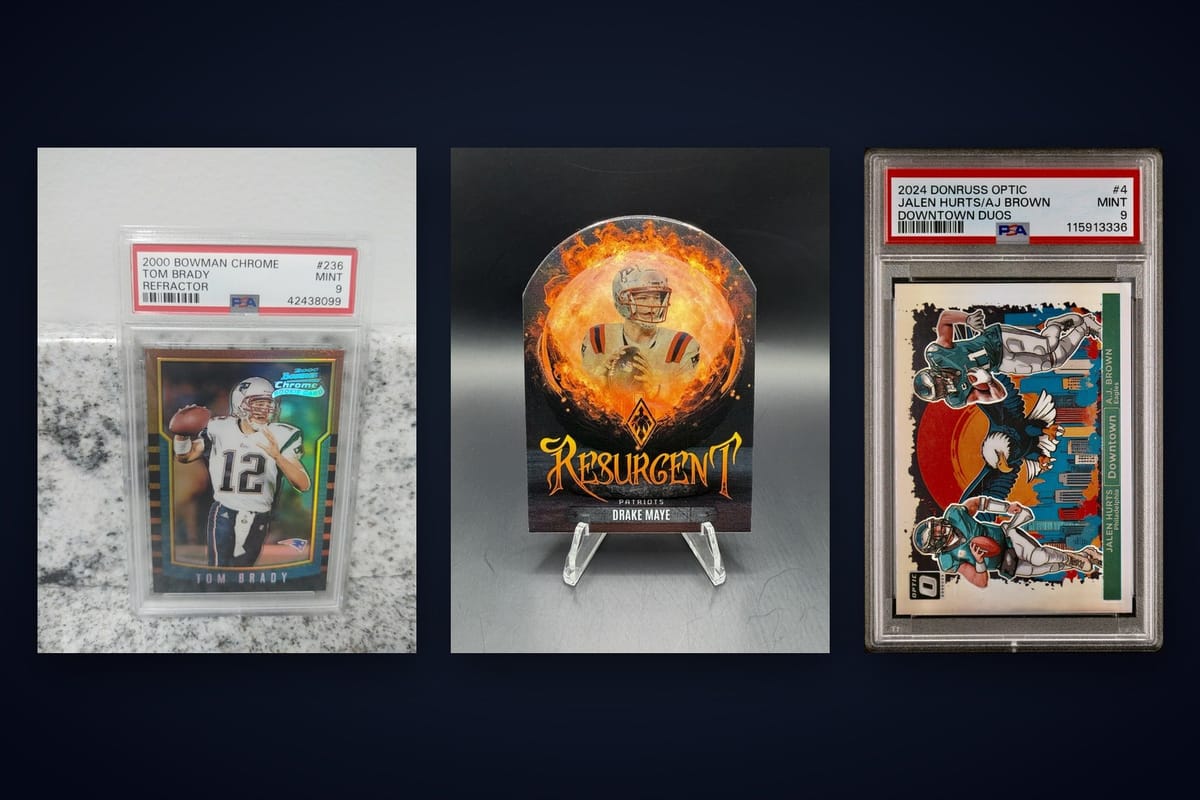
Tom Brady [Refractor] #236 2000 Bowman Chrome |
$10,353 | $203,488 | -89% |
 |
Drake Maye #17 2025 Panini Phoenix Resurgent Snow Globe |
$45.25 | $210.10 | -3.6% |
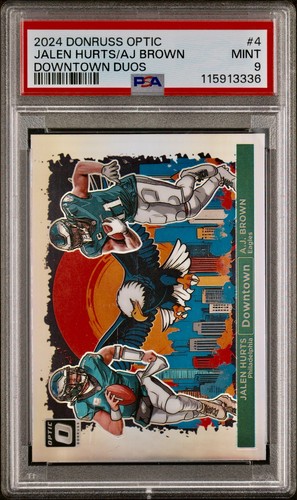 |
A.J. Brown / Jalen Hurts #4 2024 Panini Donruss Optic Downtown Duos |
$395.29 | $588.96 | -3.4% |
 |
Tom Brady #236 2000 Bowman |
$1,500 | $15,510 | -2.6% |
 |
Jaxson Dart [Silver] #332 2025 Panini Prizm |
$57.50 | $574.59 | -2.6% |
 |
Troy Aikman [Refractor] #202 1994 Topps Finest |
$52.00 | $1,790 | 0% |
 |
Reggie White #58 1984 Topps USFL |
$86.50 | $17,228 | 0% |
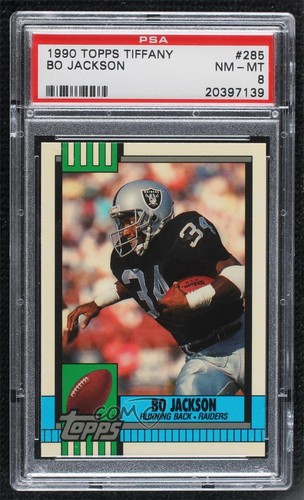 |
Bo Jackson #285 1990 Topps Tiffany |
$100.10 | $780.00 | 0% |
 |
Tom Brady [Black Image Variation] #401 2025 Topps Chrome |
$9,100 | $40,975 | 0% |
 |
Puka Nacua [Choice Nebula] #102 2025 Panini Mosaic |
$1,263 | — | 0% |
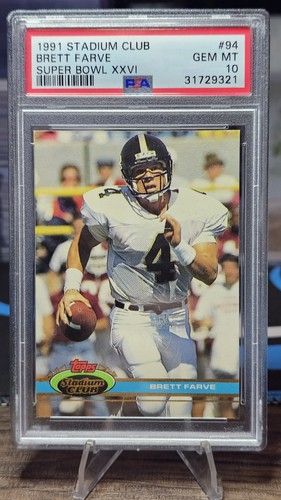 |
Brett Favre [Super Bowl XXVI] #94 1991 Stadium Club |
$13.88 | $5,211 | 0% |
 |
Terrell Davis #19 2025 Panini Donruss Optic Uptown |
$126.02 | $932.00 | 0% |
Look up any card's current raw and graded value in Midpoint — and get an estimated grade before you pay to submit.
1. Start With the 30-Day Movers (Raw vs PSA 10)
The data table in this post lists which football cards moved the most over the last 30 days, as of 2026-11-22, with raw and PSA 10 values shown separately. Start there before reading any hot takes. A headline saying football cards are losing value tells you little. The specifics tell you what to do.
When you scan the movers, check three things:
- Raw vs PSA 10 gap: if the slab fell harder than the raw copy, the market may be repricing the premium for perfect grades. If raw fell harder, sellers may be dumping ungraded stock.
- Card type: base rookies, numbered parallels and inserts rarely move in sync.
- Size of the move: a large drop on a thin market can reflect a couple of sales, not a trend.
Write down the three or four cards you actually care about and track only those. A short watchlist beats a spreadsheet of 200 cards you never look at.
2. Why Football Card Prices Fall: Supply, Reprints and Fading Hype
Prices rarely fall for one reason. In a typical November, several forces can stack up.
- More supply: every new release adds copies, and collectors who bought boxes start listing singles to recoup costs.
- Market saturation: when dozens of near-identical listings sit side by side, buyers wait for the lowest one and the sold price can drift down.
- Hype fading: early-season excitement over a rookie or a breakout can fade once results settle into a more typical pattern.
- Midseason sentiment: a losing streak, a benching or a slow stretch can cool demand within days.
- Shifting collector demand: budgets move toward other hobbies, other sports or holiday spending.
Knowing which force is driving a specific decline matters. Supply-driven drops tend to stabilize once new boxes dry up. Performance-driven drops depend on the player, and that is harder to call.
3. Rookie Quarterbacks and Serial-Numbered Parallels Can Be the Most Exposed
Rookie quarterback cards carry big expectations, so they have a lot of room to fall. They price in future success. When a rookie QB struggles, that premium can deflate faster than it does for a veteran whose value rests on a track record.
Serial-numbered parallels (/99, /50, /25 and so on) are exposed for a different reason. Their prices depend on a small number of sales, and one low sale can reset the whole comp. They also tend to carry a bigger hype premium early in the season.
When you check the movers table, look specifically for:
- Rookie quarterbacks whose raw and PSA 10 prices both fell.
- Numbered parallels with few recent sales, where one comp may overstate the move.
- Base cards that barely moved. They often show where real demand sits.
4. Raw vs Graded: Where the Grading Premium Goes
A common question is whether raw football cards are falling faster than PSA 10s. There is no universal answer. It depends on the card, and the table is the place to check. What matters is understanding the gap.
A PSA 10 price is roughly a raw price plus a premium for perfect condition, which has to cover grading cost and risk. When the market is nervous, that premium can shrink because buyers stop paying extra for slabs. Or it can hold because scarce gem copies stay scarce.
Centering is a big part of who gets a 10. PSA's Gem Mint grade generally tolerates only slight off-centering on the front, roughly 55/45 to 60/40, and more on the back. A copy outside that range can land a point or two lower, and the price drops with it. Our guide on how centering impacts card value breaks this down. BGS 9.5 and PSA 10 also mean different things, which is covered in the grading scale differences by company post.
5. New 2026 Football Releases Add Supply
New releases are one of the clearest pressures on football card prices. New products, such as Topps Chrome Football, bring new rookie cards, parallels and refractors into the market at once.
Here is how that typically plays out:
- Launch window: prices on new rookies often run high because supply is thin and excitement is high.
- Weeks later: breakers and box openers list their hits and extras, and supply rises.
- Older cards of the same player: they can soften when a new, shinier version becomes the one everyone wants.
If a player you follow has a fresh 2026 rookie card, compare it to older versions in the movers table. A drop in the older card alongside a rise in the new one may point to a demand shift, not a collapse.
6. Watch the Winners and Losers: Performance, Injuries and Benchings
Football differs from other card markets in how fast a player's story can change. One injury report can erase a month of gains. One breakout game can reverse a slide.
Sort the players you track into three buckets:
- Rising rookies: prices are climbing, but you are paying for momentum, so be careful about chasing.
- Struggling starters: sentiment has soured, and these are the likeliest dip candidates if the talent is real.
- Injured or benched players: the price depends on whether the absence is short or career-altering. Check news before you buy.
Don't confuse a cheap card with a good one. A player whose card fell because of an injury may be a real opportunity, or a signal that the market sees a problem you haven't.
7. Verify Every Price With Sold Data, Indexes and Pop Reports
Asking prices are wishes, and sold prices are facts. Before you act on any decline, confirm it with several sources:
- Recent eBay sold listings: filter to completed sales in the last 30 days and match the exact card, parallel and grade.
- Card price indexes and auction results: these can smooth out noise from single sales and show the direction of the trend.
- Population reports: a low PSA 10 population can explain why a slab holds value. A rising population can explain why it slips.
- Card lookup in Midpoint: it shows raw vs graded values, so you can see the premium without opening five tabs.
Check that sales are actually comparable. A PSA 10 with perfect centering and a PSA 10 barely inside tolerance are not the same card in a buyer's eyes. Our guide to grading low population cards shows how scarcity changes the math.
8. Buy the Dip: Target Well-Centered Raw Copies
If you want football cards to buy the dip, the smartest targets are usually not the priciest slabs. Look for cards where you control the outcome.
- Cheap raw copies of cards that fell: if the raw price drops while the PSA 10 holds, the grading spread widens in your favor.
- Players with long-term talent: favor ones whose card dipped on a bad week and not on a career concern.
- Cards with healthy pop counts: you want liquid cards, not ones that only trade once a month.
The key is centering. A raw copy that is cheap but 70/30 off-center is very unlikely to grade a 10, so the discount may be an illusion. Before you buy, photograph the card and run it through a measurement tool. Midpoint measures centering and gives PSA, BGS, CGC and TAG estimates. It helps you decide before you spend on grading fees, and you can also try the free centering calculator.

For the full routine, follow this step-by-step pre-grading guide. If the centering estimate is strong, the dip purchase has a better shot at a profit, though corners, edges, surface and market moves still matter and nothing is guaranteed.
Also know when to wait. If a card is still in a steady slide and new supply is arriving, patience costs you nothing. Buying in tranches, a little now and a little later, spreads the risk if prices fall further.
9. Decide: Temporary Dip or Longer Correction?
Nobody can say for sure whether November's decline is a pause or the start of something longer. What you can do is look for evidence of each.
Signs of a temporary dip:
- Supply-driven drops on cards with strong, lasting demand.
- PSA 10 prices holding while raw copies slip.
- Sold volume that stays steady while prices ease.
Signs of a deeper correction:
- Drops across many players and sets at once, not just a handful.
- Falling sales volume as well as falling prices.
- Graded and raw cards both declining with growing pop reports.
Treat the call as a probability, not a prediction. Size your purchases so you are comfortable if prices fall another stretch.
Bonus: Protect Your Collection While Prices Fall
If you already own cards that are losing value, you have options other than panic selling.
- Hold the long-term keepers: a paper loss is not a realized loss. Sell only the cards you would not buy again today.
- Be selective with grading: only submit raw cards whose centering and corners suggest a high grade. Grading a mediocre copy in a falling market adds cost without adding value.
- Diversify: spread across players, positions, eras and even sports so one benching doesn't sink your portfolio.
- Keep some liquidity: cards you can sell quickly matter more when the market is shaky.
- Track and protect: follow your collection's value over time in a portfolio, and store cards properly using this card storage guide.
Conclusion
Football card prices dropping in November 2026 is neither a disaster nor a free lunch. It is a chance to be more careful than the crowd. Start with the 30-day movers, as of 2026-11-22. Separate supply-driven drops from performance-driven ones. Verify everything with sold data. Then favor cheap copies that you can verify are well centered.
When you are ready to check a card before buying or grading, try Midpoint.
FAQ
Q: Are football card prices dropping in November 2026?
A: According to the Midpoint database as of 2026-11-22, a number of football cards fell over the last 30 days in both raw and PSA 10 values. Moves vary a lot by player, set and card type, so check the movers table for the specific cards you care about.
Q: Which football cards are losing the most value right now?
A: Large drops can cluster in rookie quarterbacks and serial-numbered parallels, where hype and thin sales amplify swings. See the 30-day movers table for the exact cards and figures as of 2026-11-22.
Q: Why are football card prices falling in 2026?
A: Common causes are more supply from new releases, market saturation, fading hype, midseason sentiment and shifting collector demand. Player performance, injuries and benchings can add to the pressure.
Q: Should I buy football cards during the November 2026 price drop?
A: It can make sense if you target players with lasting value, verify prices with recent sold listings, and buy in stages. Favor raw copies with strong centering, and avoid cards that are still sliding on heavy new supply.
Q: Are raw football cards falling faster than PSA 10 cards?
A: It depends on the card. Compare the raw and PSA 10 columns for the same card in the movers table. If the PSA 10 holds while raw slips, the grading spread is widening. If both fall, the whole market for that card is cooling.
Q: Which 2026 football card releases are affecting prices the most?
A: New releases, such as Topps Chrome Football, add rookie cards and parallels to the market, which can pressure older versions and raise supply. Compare a player's new and older cards to see where demand is moving.
Free to start
Try the Midpoint app
Grade any card from a photo, see its raw and PSA 10 value, and track what your collection is worth — free.
Get it on iPhoneGet it on Android


