The Azure Sea's Seven One Piece Cards Value: A Comprehensive Price Guide
Discover The Azure Sea's Seven One Piece cards value, top cards, grading insights, PSA 10 worth, and expert price trends in this detailed guide.

Estimated reading time: 18 min
Key Takeaways
- The Azure Sea's Seven One Piece cards value varies widely, with Gold SP Buggy among the highest valued cards, with raw and graded prices reflecting its rarity and condition.
- Top-tier chase cards include Gold SP and regular SP variants, plus sought-after Manga Dracule Mihawk and Secret Rares.
- Grading premiums can significantly increase prices, especially for PSA 10 or BGS 9.5 submissions.
- The set includes 60 cards with multiple printings and rarities; understanding variants is key to accurate valuation.
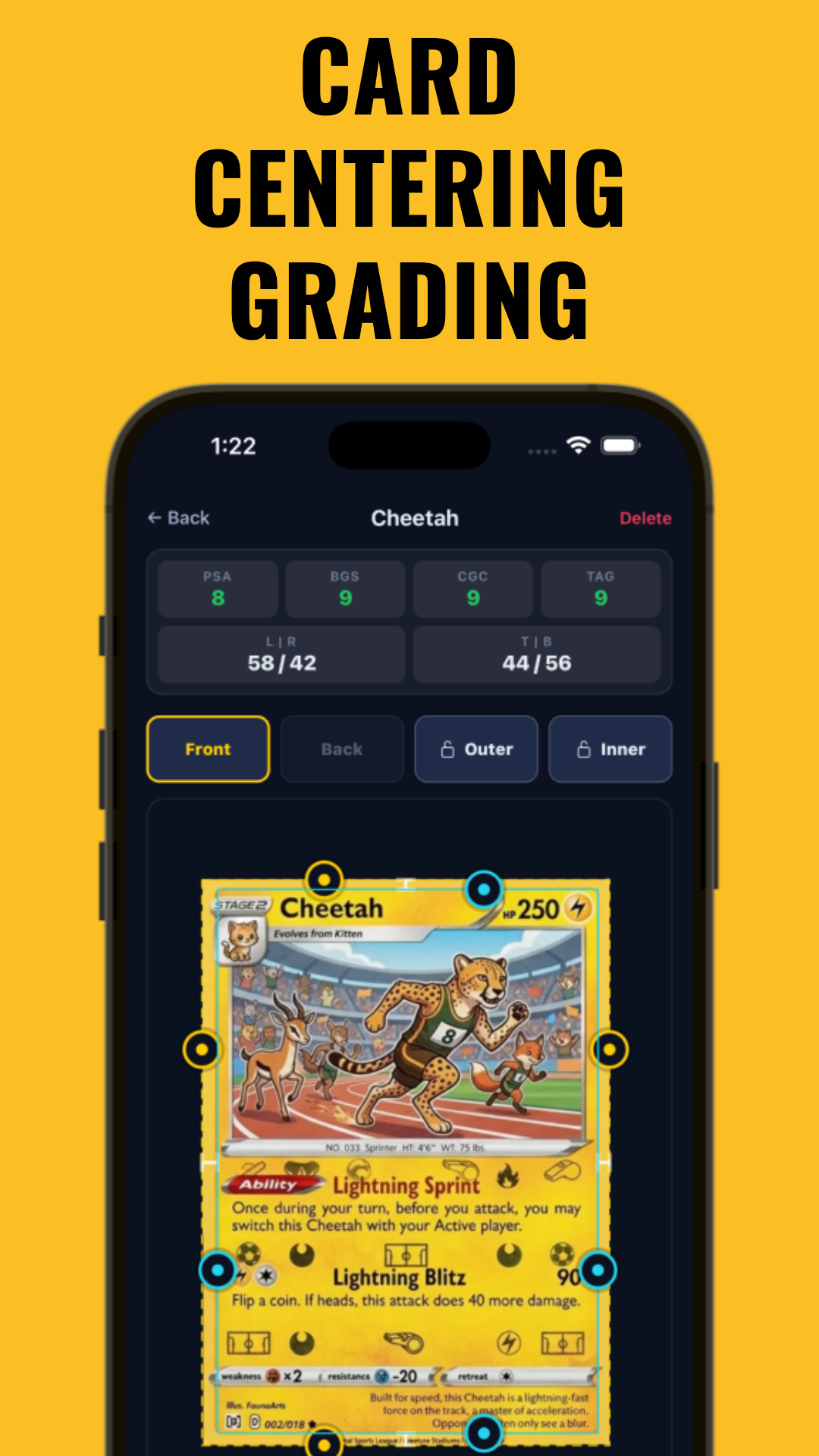
- Using AI grading tools like Midpoint can help collectors pre-assess card condition and centering before costly grading.
Card values — live data from Midpoint's card database, as of 2026-09-27. Prices move; Midpoint refreshes these daily.
| Card | Raw | PSA 10 | Gem premium | |
|---|---|---|---|---|
 |
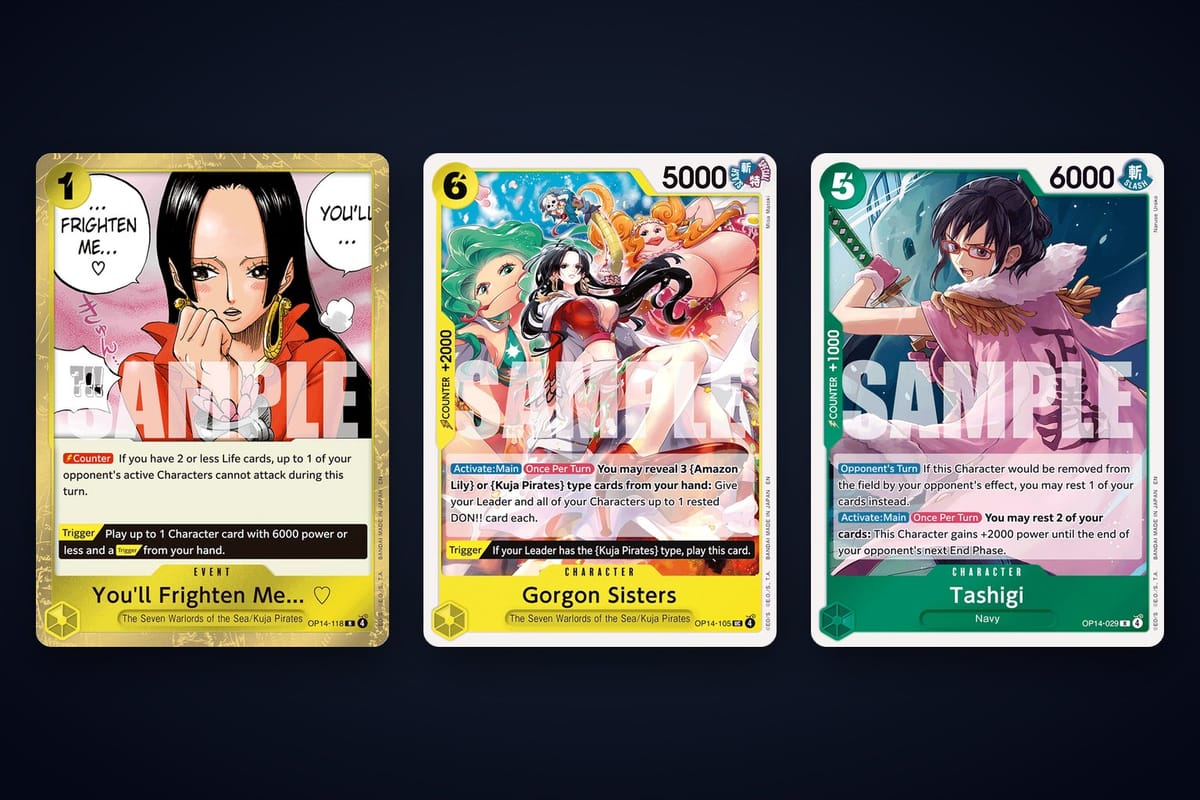
You'll Frighten Me... ♡ #OP14-118 The Azure Sea's Seven (2026) |
$171.16 | $312.17 | 1.8× |
 |
Gorgon Sisters #OP14-105 The Azure Sea's Seven (2026) |
$0.25 | $250.00 | 1000× |
 |
Tashigi #OP14-029 The Azure Sea's Seven (2026) |
$72.53 | $207.85 | 2.9× |
 |
Boa Hancock #OP14-041 The Azure Sea's Seven (2026) |
$100.93 | $167.40 | 1.7× |
 |
Ms. All Sunday #OP14-084 The Azure Sea's Seven (2026) |
$62.53 | $103.75 | 1.7× |
 |
Eustass"Captain"Kid #OP14-014 The Azure Sea's Seven (2026) |
$0.86 | $99.98 | 116.3× |
 |
Dracule Mihawk #OP14-020 The Azure Sea's Seven (2026) |
$32.94 | $84.83 | 2.6× |
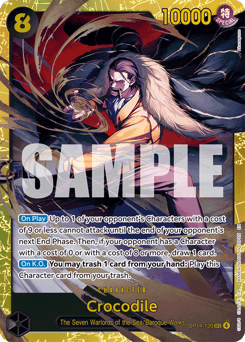 |
Crocodile #OP14-120 The Azure Sea's Seven (2026) |
$47.02 | $70.87 | 1.5× |
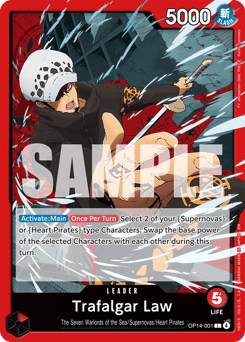 |
Trafalgar Law #OP14-001 The Azure Sea's Seven (2026) |
$44.79 | $62.83 | 1.4× |
 |
Monkey.D.Luffy #OP14-013 The Azure Sea's Seven (2026) |
$19.76 | $62.61 | 3.2× |
 |
Roronoa Zoro #OP14-015 The Azure Sea's Seven (2026) |
$15.97 | $62.11 | 3.9× |
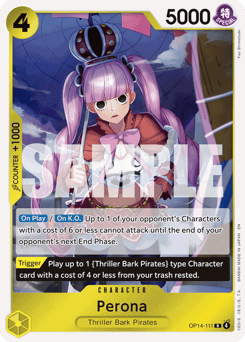 |
Perona #OP14-111 The Azure Sea's Seven (2026) |
$24.86 | $58.50 | 2.4× |
Look up any card's current raw and graded value in Midpoint — and get an estimated grade before you pay to submit.
Table of Contents
- Section 1: Overview of The Azure Sea's Seven Set Composition and Market
- Section 2: Most Valuable The Azure Sea's Seven Cards and Variants
- Section 3: Grading Impact and PSA 10 Values for Key Cards
- Section 4: Price Trends, Market Volatility, and Sales Insights
- Section 5: Which The Azure Sea's Seven Cards Are Worth Grading?
- Section 6: Sealed Product and Booster Pack Value Compared to Singles
- Conclusion
- FAQ
Section 1: Overview of The Azure Sea's Seven Set Composition and Market
Set Composition and Rarity Breakdown
The Azure Sea's Seven One Piece card set, released in early 2026, encompasses a diverse collection of 60 unique cards, designed to cater to both casual collectors and serious investors. The set features a tiered rarity system including commons, uncommons, rares, Special Parallel (SP) variants, and chase cards such as Gold SP and Secret Rares.
Specifically, the set includes:
- 40 base cards featuring main characters and scenes.
- 10 Special Parallel (SP) cards – these have alternate foiling and are generally harder to find.
- 5 Gold SP chase cards – ultra-rare variants with gold foil accents and limited print runs.
- 3 Manga versions – cards showcasing unique artwork inspired by the original manga, often limited to a few hundred copies each.
- 2 Secret Rare cards – highly coveted for their unique aesthetics and scarcity.
The print runs for Gold SP cards are estimated to be around 1,500-2,000 copies globally, while regular SP variants generally have print runs between 5,000 and 8,000. Manga versions are scarcer, with some editions limited to 500-1,000 copies, making them sought after by collectors.
Adding complexity, several cards within this set are reprints or alternate versions of cards from previous One Piece sets — such as OP09 Buggy and PRB02 Roronoa Zoro — but differentiated by unique numbering (OP14) and subtle design changes. This results in overlapping cards that require careful attention to detail when verifying completeness or authenticity.
Market Overview and Set Value Concentration
As of late 2026, the aggregate market value of a complete Azure Sea's Seven set, combining both raw and graded cards, is estimated in the mid-five figures. This valuation is heavily influenced by the chase cards, which account for a significant portion of the total worth.
For example, the top chase cards — including Gold SP Buggy and Manga Dracule Mihawk — represent a substantial share of the set’s total value. This concentration underlines the importance for collectors and investors to prioritize these rarities when purchasing or appraising the set.
Raw cards, while more accessible, typically trade at prices notably lower than their graded counterparts. The market favors cards in mint or gem mint condition, with PSA 10, BGS 9.5, or CGC 10 grades commanding the highest premiums.
Tracking Multiple Printings and Variants
Due to the presence of multiple printings and variants within the Azure Sea's Seven set, accurate tracking requires detailed knowledge of card identifiers such as set codes, numbering, and visual markers.
For example, the Gold SP Buggy card features a distinctive gold-foil border and a unique holographic pattern absent from its base and SP counterparts. Some reprints bear subtle differences in font size, hologram placement, or card back design, which can affect their rarity classification and value.
Collectors should maintain detailed inventory logs, preferably with high-quality images and notes on printing variations, to avoid confusion and ensure precise valuation. Digital tools and databases that catalog these nuances can be helpful for serious collectors.
Section 2: Most Valuable The Azure Sea's Seven Cards and Variants
Top Cards by Market Price
The Gold SP Buggy card is among the highest valued cards in The Azure Sea's Seven set. As of late 2026, raw copies often sell for over $1,200, with PSA 10 graded specimens fetching significantly higher prices. This premium reflects the card’s rarity, condition, and visual appeal.
Close behind is the regular SP Buggy variant, which trades at lower raw prices but can command substantial premiums when graded PSA 10. The difference in value between Gold SP and regular SP highlights the importance of variant identification.
Another sought-after card is the Manga Dracule Mihawk. This card’s unique manga artwork and limited print run contribute to its demand, with raw and graded prices reflecting its niche appeal.
Chase Cards vs. Reprints
Chase cards from the OP14 numbering — especially Gold SP and Special Rare variants — command notable market premiums due to their scarcity and collector demand. For instance, Gold SP Buggy cards have estimated print runs under 2,000 globally, making them among the rarer cards in the set.
In contrast, reprinted cards such as OP09 Buggy and PRB02 Roronoa Zoro are often found in larger quantities and trade at lower multiples of their original raw prices. For example, a PRB02 Zoro reprint might sell for less than an OP14 Special Rare Zoro card. This difference highlights the importance of verifying the card’s set code and printing for accurate pricing.
Variants and Parallel Versions
- Gold SP: The most coveted chase variant featuring gold foiling and limited print runs, often restricted to 1,500-2,000 copies globally, resulting in high value and collector interest.
- SP (Special Parallel): These variants have alternate foil effects and usually print runs between 5,000 and 8,000, making them rare but more accessible than Gold SPs.
- Manga: Cards with manga-inspired artwork, typically in editions limited to 500-1,000 copies, appealing to art-focused collectors and commanding niche premiums.
- Alternate Art: Cards featuring unique artwork or design variations, produced in limited quantities, often less than 3,000 copies, adding variety and value.
- Special Rare and Secret Rare: Highly collectible due to their distinctive foiling and scarcity, with Secret Rares usually having print runs under 2,500 copies; their condition can significantly impact market value.
Section 3: Grading Impact and PSA 10 Values for Key Cards
Grading Premiums Explained
Grading is an important factor influencing card value, especially for high-end chase cards. Cards graded PSA 10, BGS 9.5, or CGC 10 offer buyers guaranteed authenticity and condition, which can justify premiums over raw card prices.
The premium is driven by several factors:
- Condition Assurance: Grading confirms the card is free from major defects such as scratches, creases, or stains.
- Centering Accuracy: Grades reflect how well the image is centered on the card, a key factor in collector preference.
- Authentication: Grading slabs prevent tampering and counterfeiting, enhancing buyer confidence.
For The Azure Sea's Seven, the grading premium gap is especially noticeable on chase cards with limited print runs.
PSA 10 Value Highlights
- Gold SP Buggy: PSA 10 graded cards are valued significantly higher than raw prices, reflecting the premium for gem mint condition.
- Regular SP Buggy: PSA 10 values also show a notable premium over raw prices.
- Manga Dracule Mihawk: PSA 10 cards fetch prices well above raw versions, consistent with their rarity and condition.
Cards graded PSA 9 or BGS 9 hold substantial value but typically sell for less than PSA 10 counterparts, demonstrating the importance of gem mint condition for maximizing returns.
Gem Premium Gap and Its Importance
The "gem premium gap"—the difference in value between raw and gem mint graded cards—is a critical consideration for sellers and buyers. For example, submitting a Gold SP Buggy card with excellent centering, sharp corners, and flawless surface can yield a PSA 10 that significantly increases the card's raw market value.
However, submitting cards with imperfections or off-centering risks receiving lower grades (such as PSA 8 or PSA 9), which may not justify the grading fees, leading to potential financial loss.
Utilizing AI-driven tools like Midpoint’s digital card grading can provide precise centering measurements down to 0.1mm, surface condition estimates, and predicted grade ranges before submission. This pre-assessment helps collectors strategically select cards with the highest chance of achieving gem mint grades, thus optimizing the gem premium gap.
Section 4: Price Trends, Market Volatility, and Sales Insights
Recent Price Trends
Since its release in early 2026, The Azure Sea's Seven card set has experienced price appreciation, with key chase cards leading the growth. In particular, the Gold SP Buggy and Manga Dracule Mihawk cards have shown upward price momentum, with increases observed over recent months.
This growth correlates with heightened interest in One Piece merchandise following new anime seasons and global promotional events, which can trigger short-term spikes in demand.
Seasonal demand fluctuations also occur during major collector conventions or auctions, where high-grade chase cards attract competitive bidding.
Market Volatility and Sales Snapshots
While the top-tier cards maintain relatively stable demand and prices, mid-tier cards and common base variants exhibit more price volatility. For instance, mid-rarity SP cards can fluctuate within weeks, influenced by market sentiment and One Piece’s broader popularity.
Seller asking prices often exceed recent completed sales, particularly for high-grade cards. This phenomenon reflects cautious optimism among sellers who anticipate continued price appreciation or speculative market behavior, potentially leading to slower sales velocity.
Buyers should monitor completed auction results and consider timing purchases during market dips to optimize value.
Raw vs Graded Sales Comparison
Raw cards tend to trade more frequently due to lower price points and accessibility, making them attractive for casual collectors or those testing the market. However, these sales typically occur at prices notably below gem mint graded versions.
Graded cards, especially PSA 10s, trade less often but command significant premiums. The process of obtaining high grades can take several weeks or longer, depending on the grading service backlog, which affects liquidity.
Collectors aiming to flip cards quickly should balance the cost and time of grading against potential premium gains and consider using AI pre-grading tools to increase their success rate.
Section 5: Which The Azure Sea's Seven Cards Are Worth Grading?
Criteria for Grading Submission
Not all cards in The Azure Sea's Seven set benefit equally from professional grading. Cards with visible wear such as corner dings, surface scratches, print defects, or off-centering are less likely to achieve gem mint grades, reducing their potential resale value relative to grading costs.
Ideal candidates for grading include:
- Gold SP and regular SP chase cards exhibiting near-perfect centering (within 55/45 to 60/40 ratios), sharp edges, and flawless surfaces.
- Manga Dracule Mihawk and other Special Rare cards with minimal to no surface imperfections.
- Secret Rare cards in pristine condition with perfect gloss and no whitening on edges.
Cards falling outside these parameters should be carefully evaluated before submission, as lower grades (e.g., PSA 8 or below) may not provide sufficient market value to justify grading fees, which can range from $25 to $100+ per card depending on service and turnaround time.
Using AI Pre-Grading Tools
Midpoint’s AI digital grading tool offers a pre-submission evaluation by measuring centering, surface wear, edges, and corners. It estimates expected grades for major grading companies (PSA, BGS, CGC, TAG) based on industry-standard criteria and data points.
This tool allows collectors to:
- Identify cards with the highest potential for gem mint grades.
- Avoid costly grading submissions on cards unlikely to fetch high grades.
- Estimate grade ranges to set realistic pricing expectations.
For a deeper dive into how centering impacts grading and value, see the Card Centering Tool: Accurate Card Grading Estimates post.
Condition and Grade Impact
High-quality cards that pass the AI pre-grading test typically feature:
- Centering ratios between 55/45 and 60/40, avoiding off-center penalties.
- Sharp, unblemished corners free from whitening or bends.
- Clean surfaces without scratches, scuffs, or print defects.
- Bright gloss and no staining or discoloration on the card front or back.
Cards meeting these standards have a higher chance of achieving PSA 10 or BGS 9.5 grades, which can increase resale value compared to raw versions. Conversely, cards with any of the above flaws risk lower grades and diminished premiums.
Section 6: Sealed Product and Booster Pack Value Compared to Singles
Booster Pack Pricing
Sealed booster packs from The Azure Sea's Seven set are currently listed between $25 and $30 on secondary markets such as eBay and specialty card shops. Availability varies by region, with scarcity driving price fluctuations in certain areas.
Each booster pack contains 8-10 cards, including one guaranteed rare or higher rarity card, but the odds of pulling chase variants like Gold SP Buggy are estimated to be low, making it a high-risk, high-reward gamble for collectors.
Value Comparison: Singles vs. Sealed
When aggregating the market value of individual singles—particularly chase cards and graded specimens—the total can significantly exceed the cost of sealed booster packs. For example, a single Gold SP Buggy PSA 10 can equal the price of many booster packs, highlighting the efficiency of purchasing singles for targeted collecting or investment.
Collectors seeking specific chase cards often prefer singles to avoid the unpredictability of sealed packs. Additionally, singles allow for condition verification and grading transparency, which sealed packs cannot guarantee.
Investment Considerations
While sealed product can appreciate over time, especially if unopened and stored properly, the growth is typically more gradual and subject to variables such as packaging integrity and market demand.
Sealed booster packs have a lower entry price and appeal to collectors interested in the thrill of random pulls or completing sets organically. However, the premium for graded chase singles generally outpaces sealed product appreciation.
Collectors and investors aiming to maximize returns should focus on acquiring high-grade singles, with condition and centering verified by AI tools like Midpoint. Proper storage and handling further preserve card condition, supporting sustained market value.
Conclusion
The Azure Sea's Seven One Piece card set presents an engaging opportunity for collectors and investors alike. The set’s value hierarchy is clear, with chase cards like Gold SP Buggy, regular SP Buggy, and Manga Dracule Mihawk leading the market.
Understanding the nuances of multiple printings, variant types, and rarity classifications is essential for accurate valuation and strategic collecting.
Moreover, the impact of professional grading on card value is significant. Leveraging AI-powered grading assessment tools such as Midpoint enables collectors to pre-screen cards for condition and centering, minimizing grading fees and maximizing potential gem premium returns.
For those interested in deepening their expertise, resources like How to Store Valuable Cards: The Ultimate Collector's Guide and How Centering Impacts Card Value: A Detailed Guide offer valuable insights into best practices for preserving and enhancing card value over time.
FAQ
Q: What is the most expensive card in The Azure Sea's Seven?
A: The Gold SP Buggy card is among the highest valued cards, with raw prices over $1,200 and PSA 10 graded values significantly higher as of late 2026. Its rarity, condition, and unique gold foil design contribute to its desirability.
Q: How much is the Gold SP Buggy from The Azure Sea's Seven worth?
A: Raw Gold SP Buggy cards typically sell for over $1,200, while PSA 10 graded copies can command substantially higher prices, reflecting the premium grading provides.
Q: What are the chase cards in The Azure Sea's Seven OP14?
A: Chase cards include Gold SP and regular SP Buggy variants, Manga Dracule Mihawk, Special Rares, and Secret Rares. These cards are prized for their scarcity, unique artwork, and foil treatments.
Q: Is The Azure Sea's Seven set worth buying or investing in?
A: Chase cards and graded gem mint versions generally show strong interest due to limited print runs and market demand. Accurate condition assessment and grading are important to maximize potential returns.
Q: What is the value of the Manga Dracule Mihawk card from OP14?
A: The Manga Dracule Mihawk card holds raw and graded values that reflect its limited print run and unique artwork, with graded versions commanding notable premiums.
Q: How much is the complete The Azure Sea's Seven card set worth?
A: A complete set combining raw and graded cards is valued in the mid-five figures, with value concentrated in top chase cards such as Gold SP Buggy and Manga Dracule Mihawk.
Free to start
Try the Midpoint app
Grade any card from a photo, see its raw and PSA 10 value, and track what your collection is worth — free.
Get it on iPhoneGet it on Android