
Are Pokemon Cards Worth More Graded? 10 Key Facts for Collectors
Wondering if Pokemon cards are worth more graded? Discover which cards gain the most, real PSA 10 premiums, and how to decide what to grade for profit.

Estimated reading time: 9 min
Key Takeaways
- Graded Pokemon cards—especially PSA 10—can be worth significantly more than raw cards, sometimes by large multiples.
- Rare, vintage, low-population, and chase cards often see the biggest value jumps when graded highly.
- Grading isn’t always worth it: low-value, played, or common cards usually don’t see a profit after fees.
- Choosing the right grading company (PSA, CGC, TAG) can impact your card’s final value.
- Tools like Midpoint help estimate potential grades and value before you submit.
Are Pokemon cards worth more graded? In many cases, yes—especially when you hit that elusive PSA 10. But not every card is a goldmine, and understanding which Pokemon cards gain the most from grading is the key to maximizing your collection’s value. Let’s break down real examples, what drives the value gap between raw vs graded Pokemon cards, and how you can decide what’s truly worth grading for profit.
Raw vs PSA 10 value (biggest grading premium) — live data from Midpoint's card database, as of 2026-08-10. Prices move; Midpoint refreshes these daily.
| Card | Raw | PSA 10 | Gem premium | |
|---|---|---|---|---|
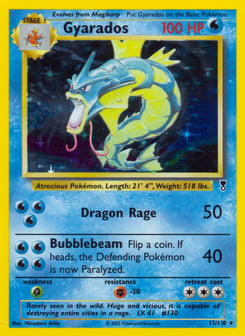 |
Gyarados #12/110 Legendary Collection (2002) |
$48.72 | $66,000 | 1354.7× |
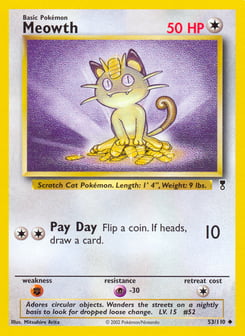 |
Meowth #53/110 Legendary Collection (2002) |
$79.99 | $66,000 | 825.1× |
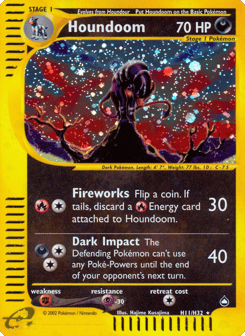 |
Houndoom #H11/H32 Aquapolis (2003) |
$25.00 | $20,150 | 806× |
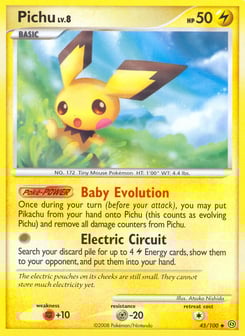 |
Pichu #45/100 Stormfront (2008) |
$32.11 | $25,000 | 778.6× |
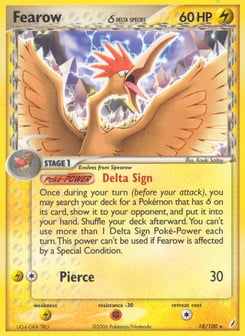 |
Fearow δ #18/100 Crystal Guardians (2006) |
$27.12 | $19,999 | 737.4× |
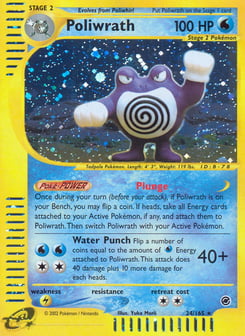 |
Poliwrath #24/165 Expedition Base Set (2002) |
$72.49 | $42,500 | 586.3× |
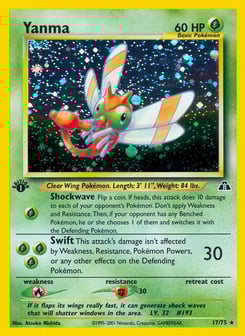 |
Yanma #17/75 Neo Discovery (2001) |
$120.00 | $66,000 | 550× |
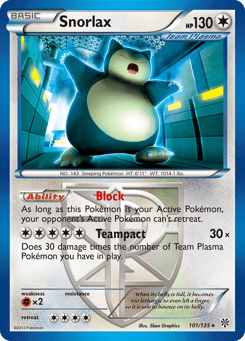 |
Snorlax #101/135 Plasma Storm (2013) |
$70.63 | $33,330 | 471.9× |
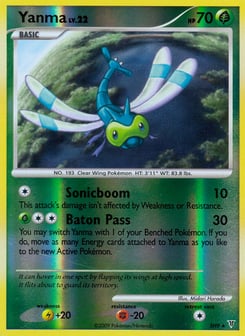 |
Yanma #SH9 Supreme Victors (2009) |
$67.63 | $30,000 | 443.6× |
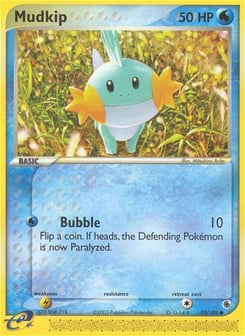 |
Mudkip #59/109 Ruby & Sapphire (2003) |
$45.67 | $20,000 | 437.9× |
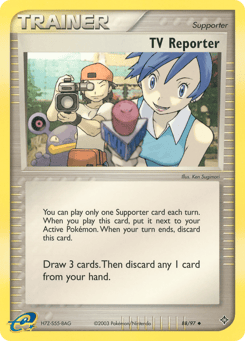 |
TV Reporter #88/97 Dragon (2003) |
$25.05 | $10,000 | 399.2× |
 |
Colress #135/135 Plasma Storm (2013) |
$90.00 | $35,000 | 388.9× |
Look up any card's current raw and graded value in Midpoint — and get an estimated grade before you pay to submit.
1. The Graded vs Raw Value Gap: Real Card Examples
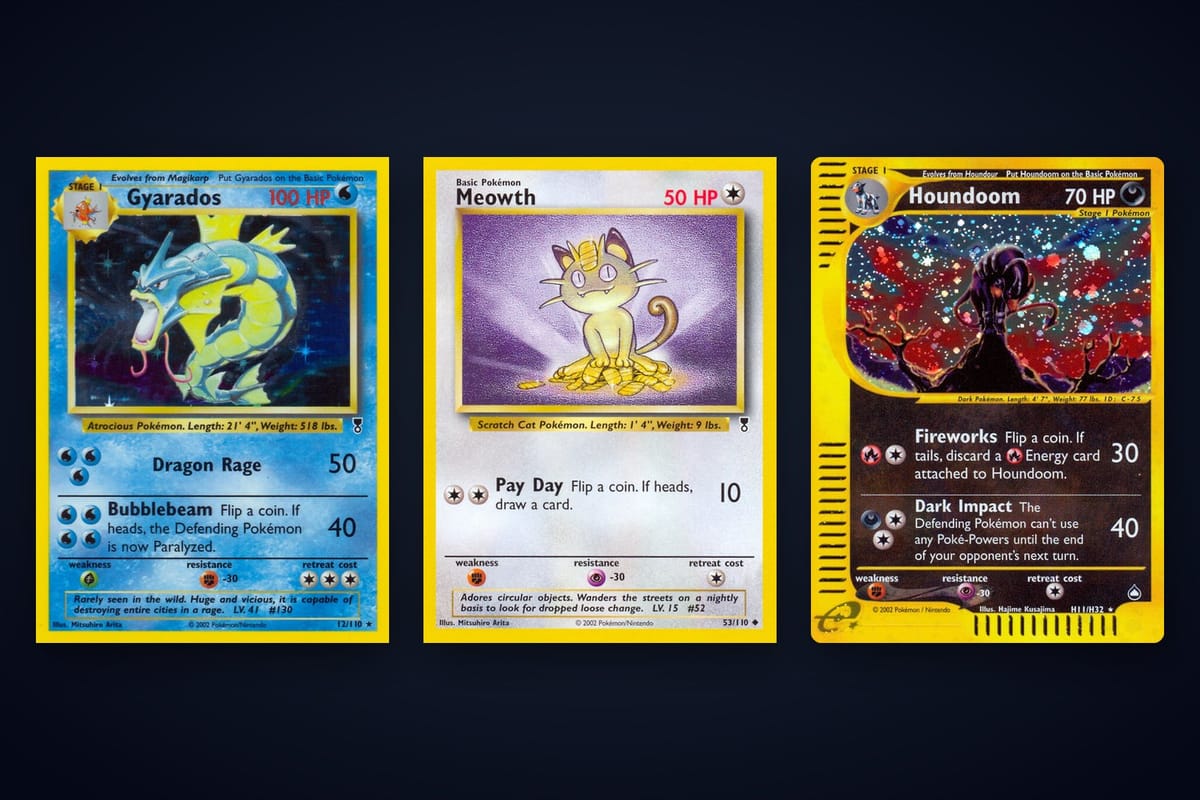
The "gem premium"—the difference in price between a card graded PSA 10 and its raw, ungraded counterpart—can be substantial. For example, as of recent years, a Gyarados #12/110 from Legendary Collection has been reported to have a raw value of around $48.72, but can reach much higher prices in PSA 10, with some sales reported in the tens of thousands of dollars. Even a seemingly common Meowth #53/110 from the same set can see a significant jump when graded highly.
These are extreme cases, but they illustrate why collectors pay close attention to grading. For these cards:
- Pichu #45/100 (Stormfront 2008): $32.11 raw, reported sales up to $25,000 in PSA 10
- Fearow δ #18/100 (Crystal Guardians 2006): $27.12 raw, reported sales up to $19,999 in PSA 10
- Yanma #17/75 (Neo Discovery 2001): $120.00 raw, reported sales up to $66,000 in PSA 10
The bottom line: For the right card in the right condition, grading can multiply your card’s value by a large margin.
2. Which Pokemon Cards Are Worth Grading?
Not all Pokemon cards are worth more graded. The biggest winners are typically:
- Vintage era cards (1999–2006) — especially from sets like Legendary Collection, Neo, and EX Series.
- Chase cards: Holofoils, alt arts, secret rares, and gold stars.
- First edition or low-population cards: Cards rarely found in top condition, like Yanma #17/75 (Neo Discovery), which can command a significant gem premium.
- Cards with cult or nostalgic appeal: Fan favorites like Gyarados or Snorlax.
Modern cards can also be worth grading if scarce in top grade (e.g., print defects boost the value of true PSA 10s). But commons, played cards, or cards under $20 raw rarely justify the cost.
3. The Power of PSA 10: Why Top Grades Matter Most
PSA 10 is widely considered the gold standard for Pokemon cards—and the multiplier for PSA 10 vs PSA 9 can be substantial. For instance, a raw Houndoom #H11/H32 (Aquapolis) has been reported at $25.00, but in PSA 10, it has fetched prices over $20,000 in some sales. Lower grades like PSA 9 or PSA 8 often see far smaller premiums, sometimes only 1.5x to 5x raw value.
The "PSA 10 premium" exists because collectors and investors want the absolute best. PSA’s strict grading scale means only a small fraction of cards achieve 10, especially older ones with print or handling flaws. This scarcity can drive high prices in the market.
4. Vintage vs Modern: Where Grading Multiplies Value
Vintage cards (WOTC, early EX, e-Reader) usually see the highest value jumps from grading. For example:
- Poliwrath #24/165 (Expedition Base Set 2002): $72.49 raw → reported sales up to $42,500 PSA 10
- Snorlax #101/135 (Plasma Storm 2013): $70.63 raw → reported sales up to $33,330 PSA 10
Modern cards, even chase alt arts, can command premiums if very low-population in PSA 10 due to common print flaws. However, the odds of a modern card grading 10 are often higher, so the price gap is sometimes narrower—unless the card is exceptionally tough to grade.
5. When Grading Is NOT Worth It
Some cards are almost never worth grading, including:
- Bulk commons and uncommons, even vintage
- Played or damaged cards (whitening, creases, heavy scratches)
- Low-value modern promos
Grading fees ($15–$50 per card, plus shipping and insurance) can eat up any potential profit on cards under $50 raw. Even with a PSA 10, if the market isn’t chasing the card, you may break even or lose money after fees. Always check recent graded sales before submitting.
6. Factoring in Grading and Selling Fees
To truly profit, you must subtract all costs from your expected sale price:
- Grading fees: PSA bulk rates start around $15–$20, but can be higher for fast turnaround or high-value cards.
- Shipping and insurance: $5–$20 per shipment (more for high-value cards).
- Selling fees: eBay and auction houses typically take 10-15%.
If you grade a $25 card and it only sells for $50 as a PSA 10, you’ll likely lose money. But that same $25 Houndoom, if it truly has a shot at PSA 10 (and a much higher value), could be worth the gamble.
7. How to Estimate Graded Value Before You Submit
Before you spend $30+ on grading, estimate your card’s likely grade and value:
- Check recent PSA 10 sold listings for your exact card (e.g., on eBay or through Midpoint’s lookup feature).
- Compare your card’s condition (centering, edges, corners, surface) to PSA standards. Pre-grading guides are invaluable.
- Review population reports: If only a handful of PSA 10s exist, premiums are typically higher.
Apps like Midpoint give instant PSA, BGS, CGC, and TAG grade estimates using AI—so you can spot potential gem mint cards before you pay for grading.

8. Grading Companies: PSA vs CGC vs TAG
PSA 10 generally commands the highest premium in the Pokemon market. CGC and TAG are respected and often faster or more affordable, but their top grades usually sell for less than PSA 10 equivalents.
- PSA: Highest resale value, strictest grading, often the largest "gem premium" (see Gyarados and Meowth examples above).
- CGC: Popular for modern cards, sometimes easier to achieve high grades, but CGC 10 does not always match PSA 10 in market value.
- TAG: AI-driven with extremely precise subgrades; innovative but still gaining market traction.
Your choice affects your card’s resale value. For top-dollar cards, PSA is still the most established. For more on grading scale differences, see this grading company guide.
9. Why Centering and Condition Determine Everything
The vast majority of "gem premium" comes from near-perfect centering, flawless edges, sharp corners, and clean surfaces. Even minor flaws will drop your card to PSA 9 or lower—and the value drop can be dramatic (often much lower than PSA 10).
Use digital tools like Midpoint’s free centering calculator or their AI grading analysis to measure centering to the millimeter. For a deeper dive, check out How Centering Impacts Card Value.
10. The Best Pokemon Cards to Grade for Profit
So, which Pokemon cards are worth more graded and offer the best shot at a PSA 10 premium? Based on available data, here’s what to look for:
- Rare, vintage holos and secret rares (e.g., Gyarados LC, Houndoom Aquapolis, Yanma Neo Discovery)
- Low-population cards with major demand
- Cards in pack-fresh or near-mint condition with strong centering
- Cards with a history of high gem mint premiums
Always estimate your likely grade and check the latest sales before you submit. The right card in the right grade can be highly valuable for your collection—or your wallet.
Conclusion
Pokemon cards are often worth more graded, especially in PSA 10, but only when they’re rare, in top condition, and in demand. Use tools like Midpoint to pre-grade your cards and research real PSA 10 premiums before you submit. That way, you’ll avoid wasted grading fees and maximize your profit potential—whether you’re aiming for a high-value Gyarados or simply building a portfolio for the future.
FAQ
Q: Is it worth grading Pokemon cards for profit?
A: Sometimes, but only for the right cards—typically rare, vintage, low-population, or chase cards in near-perfect condition. Not all cards will see a profit after grading and selling fees, so estimate value and likely grade first.
Q: What Pokemon cards are worth grading?
A: Cards with high demand, rarity, and low PSA 10 population—such as vintage holos, first edition cards, and tough-to-grade modern chase cards. Use sales data and centering tools to decide.
Q: How much more is a PSA 10 Pokemon card worth than raw?
A: It varies. Some cards can increase in value by large multiples (such as Gyarados LC: $48.72 raw to reported sales up to $66,000 PSA 10), while others see only a small premium. PSA 10 prices depend on rarity, demand, and population.
Q: Does grading modern Pokemon cards increase value?
A: Sometimes. If a modern card is tough to grade (e.g., common factory flaws) or has collector demand, a PSA 10 can be worth much more than raw. But for most modern commons, the premium is small.
Q: Should I grade a vintage Pokemon card or keep it raw?
A: If the card is rare, in excellent condition, and could achieve PSA 9 or 10, grading is usually worth it. Poor condition or low-value vintage cards often don’t justify the grading cost.
Q: How do I know if my Pokemon card will get a PSA 10?
A: Examine centering, corners, edges, and surface closely. Even tiny flaws will lower the grade. Use digital centering tools and compare your card to PSA grading standards before submitting.
Free to start
Try the Midpoint app
Grade any card from a photo, see its raw and PSA 10 value, and track what your collection is worth — free.
Get it on iPhoneGet it on Android


