Egghead Crisis One Piece Cards Value Guide
See Egghead Crisis One Piece cards value, top chase cards, PSA 10 premiums, and which EB-04 cards are worth grading.

Estimated reading time: 14 min
Key Takeaways
- Egghead Crisis One Piece cards value is driven by a small group of manga-style and special parallel chase cards, with the strongest premiums typically concentrated in the rarest hits.
- Raw versus graded pricing can differ sharply, so the best Egghead Crisis cards worth grading are usually the ones with the biggest PSA 10 upside and clean print quality.
- Condition matters more than ever: centering, corners, edge wear, and surface flaws can change whether a card should be kept raw or submitted.
- Sealed product, master sets, and singles each have different risk-reward profiles, so buyers should compare set value before choosing where to spend.
- Midpoint can help estimate raw vs graded value and screen centering before you pay grading fees. Always check current sales data, since prices change quickly.
Card values — live data from Midpoint's card database, as of 2026-11-10. Prices move; Midpoint refreshes these daily.
| Card | Raw | PSA 10 | Gem premium | |
|---|---|---|---|---|
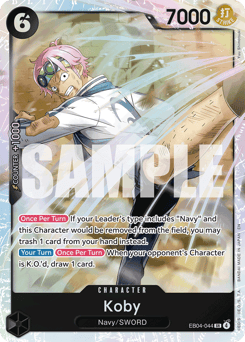 |
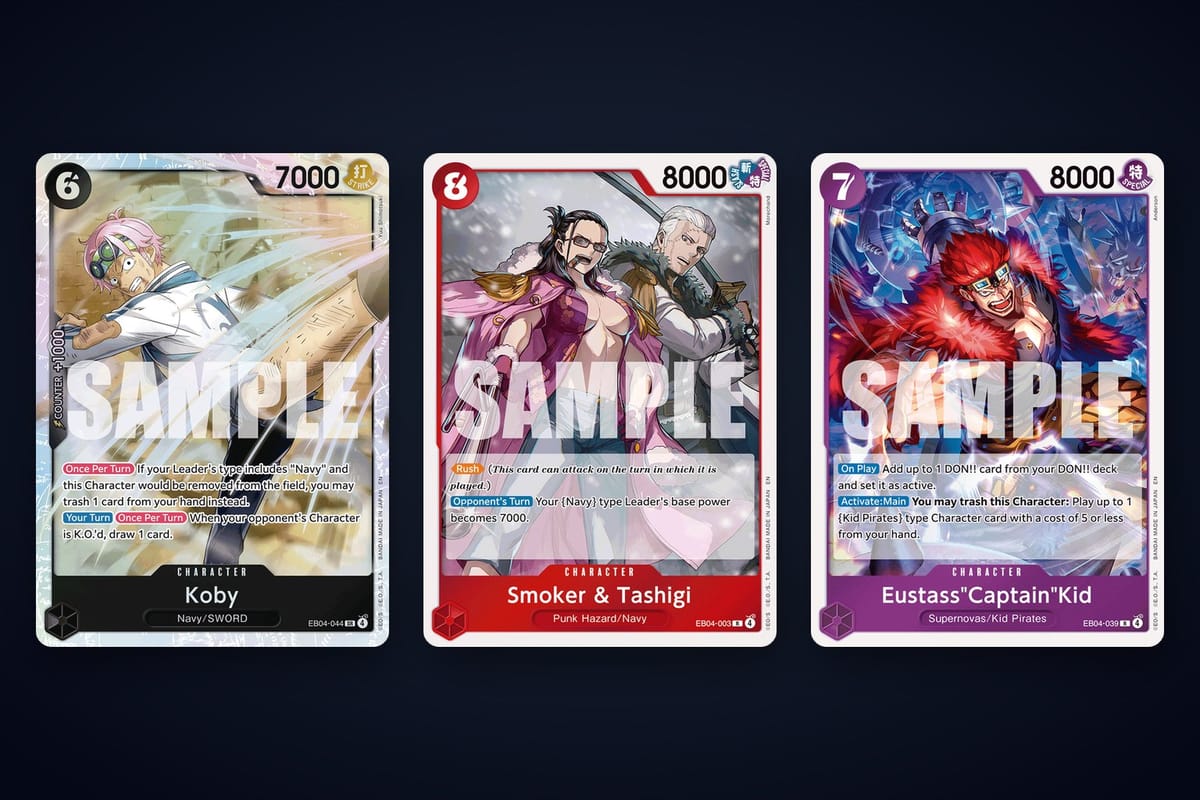
Koby #EB04-044 Egghead Crisis (2026) |
$582.41 | $756.18 | 1.3× |
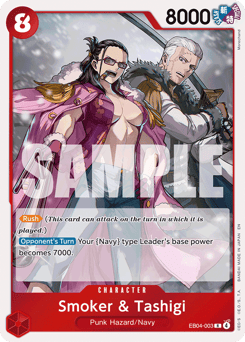 |
Smoker & Tashigi #EB04-003 Egghead Crisis (2026) |
$96.04 | $212.42 | 2.2× |
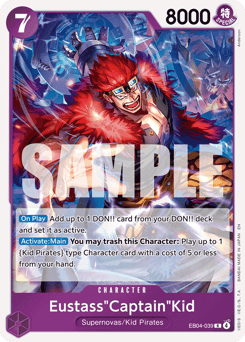 |
Eustass"Captain"Kid #EB04-039 Egghead Crisis (2026) |
$0.11 | $211.79 | 1925.4× |
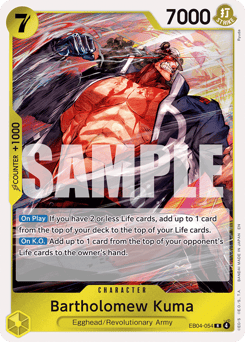 |
Bartholomew Kuma #EB04-054 Egghead Crisis (2026) |
$51.13 | $147.11 | 2.9× |
 |
Charlotte Pudding #EB04-034 Egghead Crisis (2026) |
$0.13 | $99.95 | 768.9× |
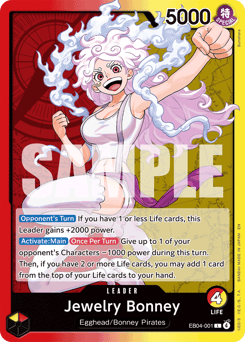 |
Jewelry Bonney #EB04-001 Egghead Crisis (2026) |
$32.28 | $85.30 | 2.6× |
 |
Boa Hancock #EB04-027 Egghead Crisis (2026) |
$0.27 | $65.39 | 242.2× |
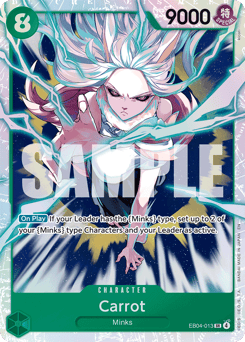 |
Carrot #EB04-013 Egghead Crisis (2026) |
$7.29 | $55.44 | 7.6× |
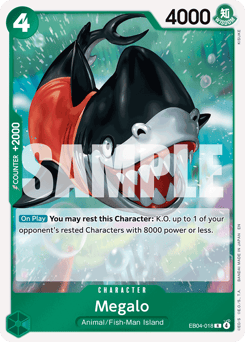 |
Megalo #EB04-018 Egghead Crisis (2026) |
$29.44 | $53.67 | 1.8× |
 |
Monkey.D.Luffy #EB04-061 Egghead Crisis (2026) |
$8.45 | $52.83 | 6.3× |
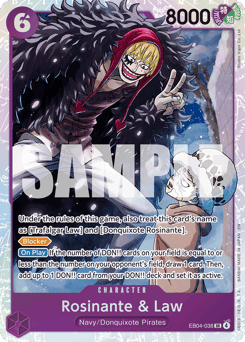 |
Rosinante & Law #EB04-038 Egghead Crisis (2026) |
$1.25 | $39.63 | 31.7× |
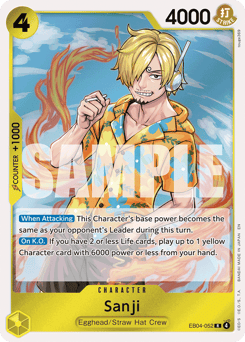 |
Sanji #EB04-052 Egghead Crisis (2026) |
$5.84 | $39.21 | 6.7× |
Look up any card's current raw and graded value in Midpoint — and get an estimated grade before you pay to submit.
Table of Contents
- Section 1: Release, set structure, and what EB-04 includes
- Section 2: The most valuable Egghead Crisis cards
- Section 3: Egghead Crisis price guide by chase tier
- Section 4: Raw vs graded value and PSA 10 premiums
- Section 5: Booster boxes, master sets, and sealed product value
- Section 6: Price trends, supply, and marketplace differences
- Section 7: Which Egghead Crisis cards are worth grading?
- Section 8: Condition, storage, and long-term collecting strategy
Section 1: Release, set structure, and what EB-04 includes
Egghead Crisis overview
The Egghead Crisis One Piece cards value conversation starts with the set itself: EB-04, also called Egghead Crisis. This is a closely watched modern One Piece expansion because it combines a fan-favorite story arc with a chase structure that rewards collectors who care about rarity, art variation, and grading potential.
For buyers, the main question is not just “What is in the set?” but “Which versions are scarce enough to matter?” That distinction is what separates a normal binder set from a high-end collecting target. As with many One Piece releases, the premium cards are concentrated in a small number of alt-art, special parallel, leader parallel, and manga-style hits.
EB-04 also attracts attention because English and Japanese printings can behave differently in the market. Demand patterns and pricing can differ between the two languages, which can affect both raw pricing and graded premiums.
Set size, rarity structure, and print differences
When collectors compare the Egghead Crisis price guide across languages, they are usually looking at the same broad rarity ladder but potentially different market behavior. The key rarities to watch include:
- Leader cards and leader parallel versions
- Rare and super rare cards, including alt-art variants
- SEC and SEC parallel chase cards
- Special parallel cards, which often command a strong collector premium
- Manga-style cards, which are often the highest-end chase pieces in a One Piece set
The practical takeaway is simple: do not treat every EB-04 hit as equal. A regular shiny pull and a top-tier alternate art can look similar at first glance, but their market values can differ dramatically.
How collectors should use this guide
This guide focuses on the cards people most often search for when evaluating most valuable Egghead Crisis cards, with an emphasis on raw price, graded premium, and submission decisions. A data table is inserted automatically after this first section, so the best use of the article is to compare those numbers against condition, centering, and your own buy-in cost.
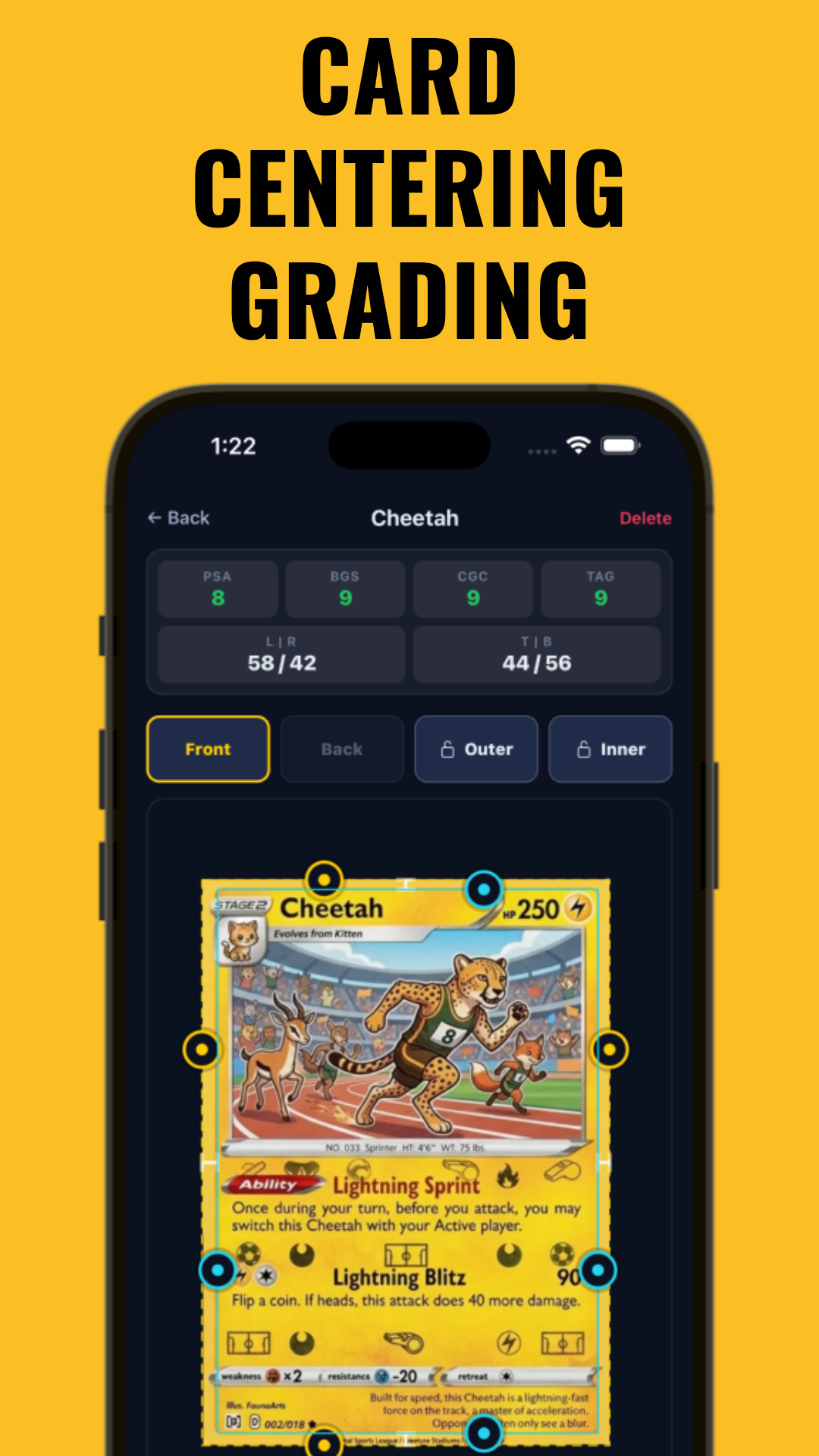
If you are trying to pre-screen cards before submitting them, the most efficient next step is to compare your pull against tools that estimate grade and centering. The easiest way to do that is with Midpoint, which helps collectors estimate PSA, BGS, CGC, and TAG outcomes before they spend grading fees.
Section 2: The most valuable Egghead Crisis cards
The cards that drive the market
When collectors ask about the most valuable Egghead Crisis cards, they are usually talking about a short list of chase hits that dominate the high end of the set. The names collectors most often cite as value leaders are Koby Comic/Manga Rare, Roronoa Zoro SP, Zeus SP, Sabo SP, and Smoker & Tashigi SP. Exact rankings and prices change, so verify them against current sales data.
Those cards matter for three reasons:
- They tend to have the strongest collector demand.
- They are among the hardest cards to replace in top condition.
- They often show a large spread between raw and PSA 10 value.
In a set like EB-04, that spread is where opportunity can live. If you pull a card that grades exceptionally well, the premium can be meaningful. If the card is off-center or has surface issues, the market can discount it quickly.
Top chase cards ranked by market attention
A practical top-10 chase ranking should prioritize demand, scarcity, and premium potential rather than just “cool factor.” For Egghead Crisis, the cards most often discussed by collectors are:
- Koby Comic/Manga Rare
- Roronoa Zoro SP
- Zeus SP
- Sabo SP
- Smoker & Tashigi SP
- Other top parallel or alt-art leaders and SEC parallels from EB-04
- Additional special parallel pulls with strong character demand
That list may shift over time. In One Piece sets, the hierarchy often runs manga-style rarity first, then special parallels, then the strongest alternate arts, but this is a general pattern rather than a guarantee. If you are building a collection, it is smarter to track the whole chase tier than to focus on a single card.
Why manga-style cards lead the set
The Koby card is especially important because manga-style cards in One Piece often behave like trophy assets. They are not just “pulls”; they are centerpiece collectibles. Even when market prices move, a card’s identity and scarcity tend to keep it near the top of a set’s value structure.
For anyone comparing raw cards, sealed product, and graded copies, this is the simplest rule: the rarer the art treatment and the cleaner the grade, the more the market tends to reward the card. That is why the same card can look inexpensive in rough condition but become a major premium once slabbed.
If you want a grading-oriented breakdown of why certain cards outpace others, the logic is similar to the broader framework in how centering impacts card value, where the best copies command the most attention once condition bottlenecks appear.
Section 3: Egghead Crisis price guide by chase tier
Reading the price tiers correctly
A useful Egghead Crisis price guide should not treat one price as the whole story. Modern collectors usually need to compare several layers of value at once: raw, near-mint, pack-fresh, PSA 10, and other top-graded outcomes. The market for EB-04 is likely sensitive to condition because many buyers are chasing gem copies, not just binder fillers.
That is why the cards with the best Egghead Crisis psa 10 value are often not the same cards that look strongest raw. A card with broad collector interest and clean print quality can jump much more when it earns a gem mint grade than a card that already trades close to its ceiling in raw form.
Chase categories that matter most
When using price data for EB-04, focus on these categories:
- Manga-style cards — highest-end trophy tier
- Special parallel cards — strong collector and display demand
- SEC parallel cards — premium chase versions of core characters
- Leader parallel cards — sought after by players and collectors alike
- Alternate-art cards — accessible entry points with solid upside
For many collectors, the best strategy is to rank cards by a combination of raw price and gem spread. If a card is modest raw but jumps significantly in PSA 10, that can make it one of the best Egghead Crisis cards worth grading.
How to think about the market without overcomplicating it
Do not assume every “premium” card is a good grading candidate. Instead, ask three questions:
- Is the raw price already high enough to justify grading fees?
- Does the card have a strong PSA 10 premium?
- Can I reasonably expect a gem result based on centering, corners, edges, and surface?
That checklist is especially helpful for EB-04 because some cards have collectible appeal but weaker gem spreads. Others have both, which is where grading becomes more attractive. If you want a faster way to assess whether a card is likely to cross the gem threshold, the Free Centering Calculator and the broader grading workflow at Card Centering Tool: Accurate Card Grading Estimates can help you screen before submission.
In other words: raw value tells you what the card is worth today. PSA 10 value tells you what the market may pay for the cleanest copies. The gap between those two numbers is where collectors look for grading profit.
Section 4: Raw vs graded value and PSA 10 premiums
Why grading changes the conversation
The biggest mistake newer collectors make is assuming a valuable raw card automatically becomes a profitable graded card. That is not always true. In EB-04, the most valuable cards can show a large jump at PSA 10, but only if they also have the physical quality to earn that grade.
That is why raw versus graded value matters so much in the egghead crisis one piece cards value conversation. A raw card is priced for uncertainty. A graded card is priced for confidence.
Professional grading also introduces company-specific differences. PSA, BGS, CGC, and TAG do not always produce identical market outcomes. Some buyers pay a strong premium for PSA 10, while others care more about subgrades, label appeal, or population scarcity.
The premium gap collectors care about
For EB-04 chase cards, the premium gap can be especially noticeable on top characters and manga-style hits. The best graded examples tend to attract buyers because they combine rarity with visual appeal and third-party verification.
As a rule, the following cards are among the most likely to justify grading consideration:
- Koby Comic/Manga Rare
- Roronoa Zoro SP
- Zeus SP
- Sabo SP
- Smoker & Tashigi SP
Not every copy of those cards will be worth grading, though. If centering is borderline, corners show whitening, or the surface has roller marks or print lines, the expected graded premium can shrink fast.
Raw, PSA 10, and the hidden cost of mediocre condition
One reason collectors use grading tools before submission is that raw condition can be deceptive. A card may look fine in a sleeve but fail to gem because of a narrow left-right border, surface haze, or tiny edge issues that become visible under magnification.
If you are serious about maximizing value, compare your card against known grading inputs before paying fees. Midpoint is designed for exactly that workflow: measure centering, estimate grades, and decide whether the card has enough upside to justify submission. For collectors balancing condition risk and resell value, that is often the difference between a smart submission and an expensive miss.
For a deeper dive into grade economics beyond One Piece, see Card Grade Impact on Insurance Value, which explains why slabbed condition can materially affect protectable value.
Section 5: Booster boxes, master sets, and sealed product value
How sealed product compares with singles
Collectors often ask whether a sealed Egghead Crisis booster box is better than buying singles. The answer depends on your goal. Sealed product gives you lottery-like upside and long-term holding appeal. Singles give you certainty and control.
For Egghead Crisis, that tradeoff is especially important because the set’s top value is concentrated in a few cards. If you want the Koby Manga Rare or one of the top SP cards, singles are usually the more efficient route. If you enjoy ripping packs and can accept variance, sealed boxes may still make sense as a collector hold.
Master sets and why they cost more than people expect
A complete master set is not just about collecting one copy of each card. In modern One Piece, the master-set target can also include alt-art variations, parallel versions, and special treatments. That makes the total cost much higher than a casual buyer expects.
When people search for the value of a complete Egghead Crisis master set, they are really asking two questions:
- What would it cost to assemble every needed card?
- How much liquidity would that set have if sold later?
Those are not the same thing. Master sets are often harder to sell than top singles, even when the total card count is complete. The buyer pool is smaller, so the resale market can be less liquid.
When sealed makes sense
Sealed EB-04 product is most attractive when you want optionality. If supply tightens and set demand stays healthy, sealed boxes can benefit from scarcity, though this is not guaranteed. Sealed product also depends on opening odds, print availability, and broader One Piece collector behavior.
If you are deciding between sealed and singles, think about your time horizon:
- Short term: singles usually make more sense
- Medium term: sealed can be a hedge against chase-card volatility
- Long term: a strong master set can be a trophy asset, but liquidity matters
In practice, many collectors split the difference: buy the cards they want most as singles, and keep a few sealed boxes only if they like holding product. That strategy reduces risk while still leaving room for upside.
Section 6: Price trends, supply, and marketplace differences
Why EB-04 prices move quickly
Egghead Crisis is a modern set, so prices can change fast. The market is influenced by fresh openings, character popularity, grading results, and how many copies appear in high grade. That is why recent Egghead Crisis price trends can feel volatile even when the set itself is stable.
The key trend to watch is not one universal direction but the relationship between supply and grade quality. If new inventory floods the market, raw prices can soften. If gem copies remain scarce, PSA 10 premiums can stay resilient or even strengthen.
Where buyers compare prices
Collectors should always compare across venues before buying. The same card can trade differently across:
- TCGplayer for broad U.S. market pricing
- Cardmarket for European pricing
- Japanese marketplaces for domestic JP demand
- Buylist or buyback offers for fast liquidity
That comparison matters because marketplace fees, regional demand, and shipping conditions can all move the effective net price. A raw card that looks cheap in one venue may not actually be a bargain after fees and shipping.
Supply, scarcity, and buyer behavior
Scarcity in EB-04 is not just about how hard a card is to pull. It is also about how many copies survive in top condition and how many collectors are actively competing for them. That is why “scarce” and “expensive” are related but not identical.
For example, a desirable SP card can have decent supply in raw form but still command strong money if collectors prefer gem copies. Conversely, a card may be hard to find but still trade below expectations if demand is narrow.
If your goal is to buy wisely, track both raw and graded listings. If your goal is to sell, know whether your copy is premium-grade material or simply a nice raw card. That distinction changes what channel you should use and how long you should be willing to wait for the right buyer.
Section 7: Which Egghead Crisis cards are worth grading?
The best grading candidates
The clearest Egghead Crisis cards worth grading are the ones with the strongest combination of rarity, collector demand, and visible condition quality. In this set, that usually means the top-tier chase cards first and everything else second.
From a practical standpoint, the best candidates are:
- Koby Comic/Manga Rare if centering and surface are strong
- Roronoa Zoro SP for broad character demand
- Zeus SP if the copy is clean and well-centered
- Sabo SP for strong collector interest
- Smoker & Tashigi SP when the card appears gem-mint fresh
Lower-tier hits can still be grade-worthy if they are difficult to pull in clean condition, but the expected return is usually smaller. That is why grading should be a selective decision, not a blanket policy.
How to decide before submitting
Before sending a card out, check four things:
- Centering — are borders balanced front and back?
- Corners — any whitening, fraying, or bends?
- Edges — any chipping or rough cuts?
- Surface — print lines, scratches, dents, or roller marks?
If one of those categories is weak, the gem probability drops. And if the gem probability drops, the fee-to-upside ratio gets worse. That is why pre-grading matters so much for modern cards.
Midpoint is useful here because it helps estimate a likely grading outcome before you commit money. It is especially handy for collectors trying to tell whether a card has PSA 10 potential or whether it is better sold raw.
When to keep a card raw
Keep a card raw if:
- It has obvious centering issues
- The surface shows visible print defects
- The raw market is already strong and the gem spread is small
- You want liquidity without waiting for grading turnaround
Grade a card if:
- It is a true chase card with strong upside
- It looks crisp under close inspection
- The PSA 10 premium is materially higher than raw
- You can realistically hit a gem condition outcome
That framework is the cleanest way to turn a set like EB-04 from a rip-and-hope product into a disciplined collecting opportunity.
Section 8: Condition, storage, and long-term collector strategy
Why condition can erase value
Condition is the backbone of modern card value. For Egghead Crisis, a tiny defect can be the difference between a strong raw sale and a missed grading opportunity. That is especially true for chase cards, where buyers are often paying for eye appeal as much as rarity.
Even if a card is expensive raw, the market may discount it if the centering is off, the surface has faint damage, or the edges show wear. That is why two copies of the same card can sell for very different amounts.
How to store valuable EB-04 cards
Good storage does more than protect value; it preserves optionality. If you plan to grade later or resell later, use practices that minimize risk:
- Handle cards by the edges only
- Use clean sleeves and semi-rigid holders
- Avoid stacking raw cards without protection
- Store away from heat, humidity, and sunlight
- Keep graded cards upright and stable to prevent sleeve abrasion
If you want a more detailed storage plan, read How to Store Valuable Cards. Good storage is boring, but it protects the exact things collectors pay premiums for: sharp corners, clean surfaces, and intact edges.
How to think about investing in Egghead Crisis
Are Egghead Crisis cards worth buying or investing in? The honest answer is: some may be, but not all, and no card’s future value is guaranteed. The best investment logic applies to the top chase cards, especially the cards with the best raw-to-graded spread and the strongest ongoing character demand.
A smart collector usually prioritizes:
- Top chase cards in the cleanest condition possible
- PSA 10 candidates rather than low-grade speculations
- Cards with strong liquidity, not just high asking prices
- Purchase discipline over hype-driven buying
That is where value tools help. Midpoint is built to support exactly this kind of decision-making, from centering measurements to grade estimates and portfolio tracking. If you are collecting across One Piece, Pokémon, Magic, or sports cards, it can help you make faster buy/sell calls without guessing.
Used well, EB-04 is not just a fun set to open. It is a set where careful buyers can separate raw value, PSA 10 value, and long-term collector demand with much more confidence.
Conclusion
Egghead Crisis stands out because its value appears concentrated in a handful of high-demand chase cards, especially the manga-style and special parallel hits. If you are studying egghead crisis one piece cards value, the key is to compare raw price, PSA 10 upside, and condition risk before buying or grading.
The best cards to watch are the ones that combine scarcity with broad collector demand: Koby Comic/Manga Rare, Roronoa Zoro SP, Zeus SP, Sabo SP, and Smoker & Tashigi SP. Those are the cards most likely to justify close grading attention, but only if the copy is clean enough to compete in gem-mint condition.
For buyers, that means focusing on the cards with the strongest premium gap. For sellers, it means knowing whether your copy deserves a slab or a raw listing. For graders, it means centering and surface quality should come first. If you want to check those factors before spending on submission fees, Midpoint is a practical place to start.
FAQ
Q: What is the most expensive card in the One Piece Egghead Crisis set?
A: The Koby Comic/Manga Rare is commonly cited as the top value leader in the set, but rankings can change, so check current sales data for both raw and graded copies.
Q: How much is the Koby Manga Rare from Egghead Crisis worth?
A: Check current sold listings to compare raw and graded versions of the Koby Comic/Manga Rare, as prices change over time. Its value is driven by its trophy-card status and strong collector demand.
Q: What are the best chase cards in Egghead Crisis EB-04?
A: The most watched chase cards are Koby Comic/Manga Rare, Roronoa Zoro SP, Zeus SP, Sabo SP, and Smoker & Tashigi SP.
Q: How much is a sealed Egghead Crisis booster box worth?
A: Sealed booster box value depends on the current market, but collectors should compare sealed pricing with the value of the strongest singles before deciding what to buy.
Q: Are Egghead Crisis cards worth buying or investing in?
A: They can be, especially the top chase cards and gem-ready copies, but there are no guarantees. The best opportunities are usually in cards with strong raw-to-graded upside and reliable collector demand.
Q: What is the value of a complete Egghead Crisis master set?
A: A full master set typically costs more than most buyers expect because it includes multiple premium versions and chase-tier cards. Its resale value depends on completeness, condition, and buyer demand.
Free to start
Try the Midpoint app
Grade any card from a photo, see its raw and PSA 10 value, and track what your collection is worth — free.
Get it on iPhoneGet it on Android