Hockey Card Prices Rising November 2026: 10 Cards to Watch
Hockey card prices rising November 2026: which rookies and stars are climbing, why Jacob Fowler leads, and how to verify values before you buy, sell or grade.

Estimated reading time: 9 min
Key Takeaways
- Hockey card prices rising in November 2026 is a story of individual cards, not the whole market. Broad hockey indexes have reportedly slipped over 30 days while specific players climb.
- Jacob Fowler Young Guns lead the conversation after his reported October breakout and NHL Rookie of the Month recognition.
- Veteran attention matters too: Alex Ovechkin's 2024 Upper Deck Young Guns Renewed has reportedly surged.
- Verified sold prices are a far more reliable guide than asking prices. Check raw and PSA 10 comps, population and serial numbers before you act.
All specific values in this post's data table are as of 2026-11-15. Treat them as a snapshot, not a promise.
If you are tracking hockey card prices rising November 2026, the first thing to know is that the picture is mixed. The hockey card market in November 2026 looks soft in aggregate, but a handful of trending hockey cards are moving the other way. This list walks through the hockey cards going up in value, the forces behind each move, and how to decide whether to buy, hold, sell or grade.
We do not quote prices in the prose. The data table in this post has the raw and PSA 10 figures as of 2026-11-15. Here we focus on what the moves mean.
30-day price movers — live data from Midpoint's card database, as of 2026-11-15. Prices move; Midpoint refreshes these daily.
| Card | Raw | PSA 10 | 30-day | |
|---|---|---|---|---|
 |
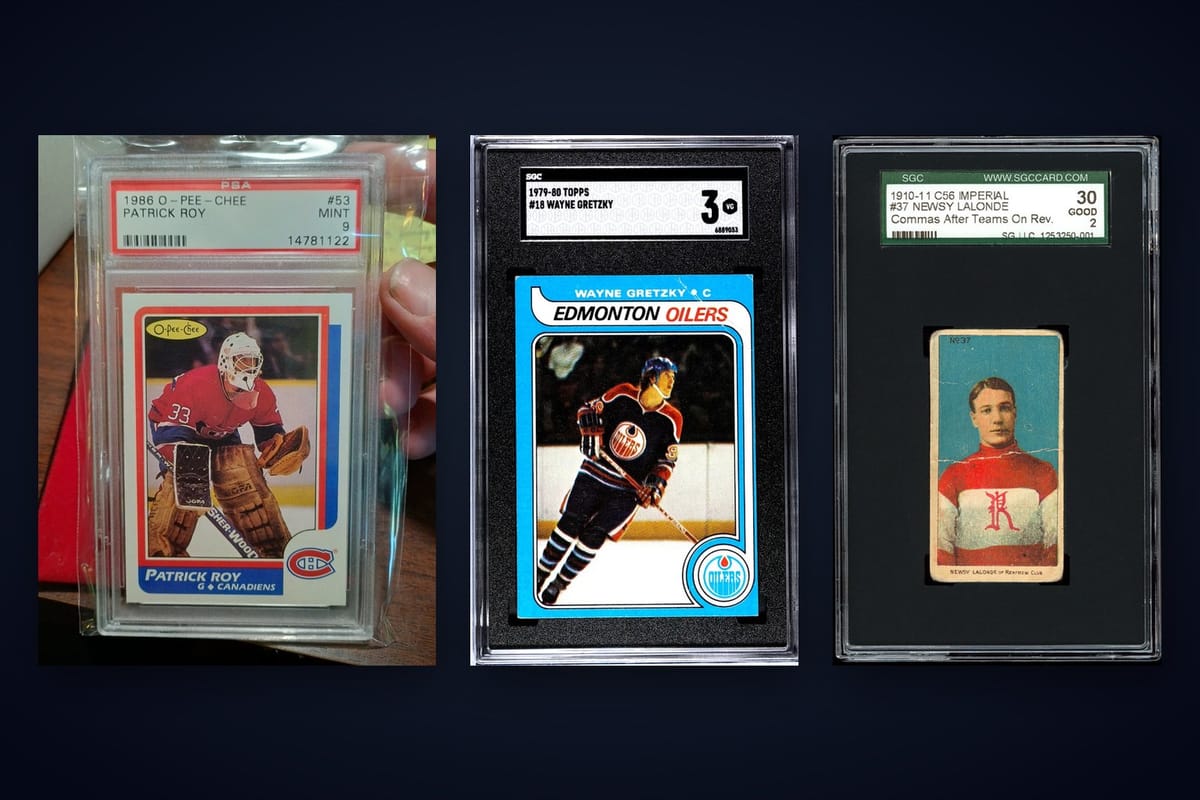
Patrick Roy #53 1986 O-Pee-Chee |
$132.41 | $12,791 | +24.3% |
 |
Wayne Gretzky #18 1979 Topps |
$846.62 | $72,623 | +4.4% |
 |
Newsy Lalonde #37 1910 C56 |
$179,000 | — | 0% |
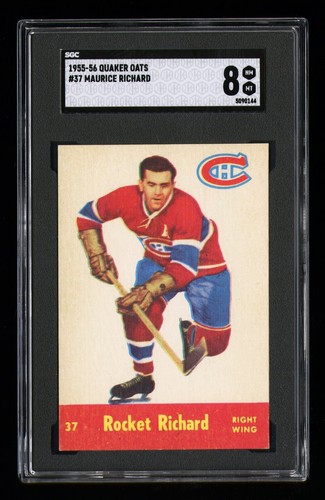 |
Rocket Richard #37 1955 Parkhurst Quaker Oats |
$500,000 | — | 0% |
 |
Logan Stankoven #244 2024 Upper Deck Young Guns Jumbo |
$10.94 | $70.51 | 0% |
 |
Connor Bedard [Autograph] #110 2023 SP Authentic |
$2,350 | $8,690 | 0% |
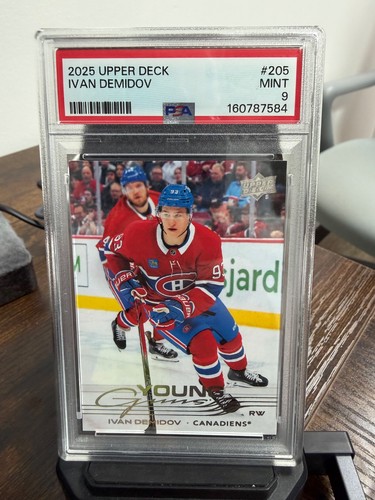 |
Ivan Demidov #205 2025 Upper Deck |
$88.82 | $523.49 | 0% |
 |
Sidney Crosby #PO-2 2026 Upper Deck Tim Hortons Powerhouse Pillars |
$40.03 | $221.61 | 0% |
 |
Patrick Roy #53 1986 Topps |
$60.00 | $10,155 | 0% |
 |
Nick Suzuki #OR-4 2024 Upper Deck Outburst Retro Young Gun |
$130.57 | $371.23 | 0% |
 |
Kyle Connor #212 2016 Upper Deck |
$15.08 | $80.16 | 0% |
 |
Ed Litzenberger #61 1959 Topps |
$10.50 | $2,075 | 0% |
Look up any card's current raw and graded value in Midpoint — and get an estimated grade before you pay to submit.
1. The Big Picture: A Softer Index, Stronger Individual Cards
Reports on the hockey market over the last 30 days show the category as a whole drifting lower. That sounds bearish, but it can hide what is happening underneath. Market-wide indexes average thousands of cards, and most of those are not moving. A few high-demand names can rise sharply while the average slips.
For collectors, this means a single headline about hockey being down is not a reason to sell your best cards. It is also not a reason to buy anything that looks cheap. Demand tends to concentrate in players with a current catalyst.
- What is rising: players with fresh performance, awards or media attention.
- What is flat or falling: deep inventory of common rookies and sets with plenty of supply.
- What to do: judge each card on its own recent sales, not on the index.
2. Jacob Fowler 2025 Upper Deck Extended Series Young Guns (Base)
Jacob Fowler is the clearest example of hockey cards going up in value this month. His reported October breakout and NHL Rookie of the Month recognition put him in front of a much wider audience than the usual prospect buyers. The Young Guns rookie card in Upper Deck Extended Series is the one most collectors want, because Young Guns are widely treated as the hobby's default rookie benchmark.
The base Young Guns is the liquid card. It trades often, which makes its price movement easier to trust than a rare parallel that sells once a month. Check the data table for the raw and PSA 10 values as of 2026-11-15.
- Catalyst: a hot month plus a monthly award.
- Risk: goalie performance is volatile, and a slump can reverse a spike quickly.
- Best use: a core position if you believe in the long-term player, not just October.
3. Fowler's Outburst Silver, Deluxe /250 and Holiday Parallels
When a rookie heats up, parallels often move before and harder than the base card. The same Upper Deck Extended Series set has several Fowler versions worth watching: Outburst Silver, the Deluxe /250 and the Holiday parallel.
The Deluxe /250 is serial numbered, so its supply is capped at 250. Fewer copies means one buyer can shift the price, and sales are less frequent. Holiday and Outburst Silver may sit in between, with more scarcity than base but less clarity than a numbered card.
- Look at the last three to five sold comps, not just the latest one.
- A single high sale is not a trend. Ask whether prices held on the next sale.
- Compare each parallel to the base card. A widening gap can mean real scarcity, or just thin sales.
4. Alex Ovechkin 2024 Upper Deck Young Guns Renewed
Not every riser is a rookie. Alex Ovechkin's 2024 Upper Deck Young Guns Renewed has reportedly seen a price surge, and it shows how veteran-star attention can move cards. Ovechkin is a franchise name with a legacy narrative, so milestones and highlights tend to send fresh buyers to his key cards.
The Renewed card is attractive because it pairs a modern set with one of the most recognizable names in the sport. That combination can appeal to both player collectors and set builders.
- Catalyst: legacy-driven attention rather than a breakout month.
- Risk: milestone spikes can fade once the news cycle moves on.
- Tip: compare raw and PSA 10 values in the table. Star-driven demand may support graded copies more strongly, but check the sold comps.
5. Easton Cowan and Other Rising Rookies and Prospects
Easton Cowan is another name collectors are tracking among rising rookie cards. Prospects like him can move on call-ups, line changes and highlight clips, and their cards tend to react faster than established players because there is less sales history to anchor the price.
The same applies to current-season rookies and prospects across the league. Cards in this group are speculative. They can move up in a week and give it back in two.
- Prefer first-year flagship rookies over obscure inserts, because liquidity matters when you want out.
- Set a target price before you buy, not after the spike.
- Keep position sizes small for anyone whose role in the NHL is not yet secure.
6. The Most Active Hockey Sets Right Now
Where collectors are spending money is a useful clue to which cards are trending. The sets reportedly seeing the most activity include 2025 O-Pee-Chee Platinum, Allure, Upper Deck, and newer products such as Artifacts and Credentials.
Each attracts a different buyer. O-Pee-Chee Platinum is known for its parallels and color variations. Allure leans on its look and rookie content. Upper Deck remains the home of Young Guns. Artifacts and Credentials bring in collectors chasing newer rookie and prospect cards.
- Active set does not mean rising card. High volume can mean heavy supply.
- Look for the player and parallel inside the set that shows rising sold prices.
- New products often see an early spike that settles as more copies appear.
7. Raw vs. Graded: Why PSA 10 Prices Tell a Different Story
A raw price and a PSA 10 price for the same card can be far apart, and they do not always move together. The data table shows both as of 2026-11-15. Raw cards vary in centering, corners, edges and surface, so one raw copy may be a gem while another would grade a 7.
That is why the premium for a PSA 10 reflects both the card's demand and the odds of a copy earning that grade. Modern Upper Deck Young Guns are often cited for condition issues, which is part of why high grades can carry a premium. For background on how top grades differ between companies, see grading scale differences by company.
- If the PSA 10 premium is wide, grading a clean copy may be worth it.
- If the gap is narrow, grading fees may eat the gain.
- Centering is the easiest flaw to check before you submit. Our guide on how centering impacts card value explains why.
8. What Drives Short-Term Hockey Card Prices
Short-term moves in hockey cards usually trace back to something that happened on the ice or in the news. Knowing the trigger helps you decide whether a rise will last.
- Performance and awards: a Rookie of the Month nod, like Fowler's, can widen the buyer pool quickly.
- Winning streaks: team success can raise attention on its key players.
- Injuries: a serious injury can cool demand, though long-term holders may see it as a buying window.
- Call-ups: a prospect's first NHL games often trigger buying.
- Media attention: highlight clips, broadcasts and social posts send collectors searching.
The pattern is simple. Hype cards often spike fast and fade fast. Cards backed by sustained performance and a clear career arc tend to hold their gains better.
9. The November Release Calendar and Its Effect on Demand
New releases pull attention and money. The 2026-27 Upper Deck Black Diamond release is reportedly on the calendar, and big launches can redirect collector spending toward new product and away from older cards. Check Upper Deck's official schedule for exact dates.
They can also lift demand for older cards of players who appear in the new set. Rookies and stars in a fresh checklist can get renewed attention, and sealed product buyers hunt for hits.
- Expect some early volatility in comparable cards around a release.
- Do not chase the first-week price of a new chase card. Supply usually rises as boxes are opened.
- If you plan to sell a card that overlaps with a new release, consider listing before the supply wave.
10. How to Verify November 2026 Hockey Card Values
Asking prices are wishes. Sold prices are what buyers actually paid. Before you buy, sell or grade, confirm what a card actually sells for.
- Recent eBay sold listings: filter to sold and completed items, and match the exact card, parallel and grade.
- Price history: look at the trend over several weeks, not one day.
- Population data: a low pop in PSA 10 can support price. A rising pop can cap it. See our guide to grading low population cards.
- Parallel and serial number: a /250 card is not a base card. The number matters, and low numbers like /10 or /1 often sell at a premium.
- Sales volume: ten sales in a week are a better signal than one.
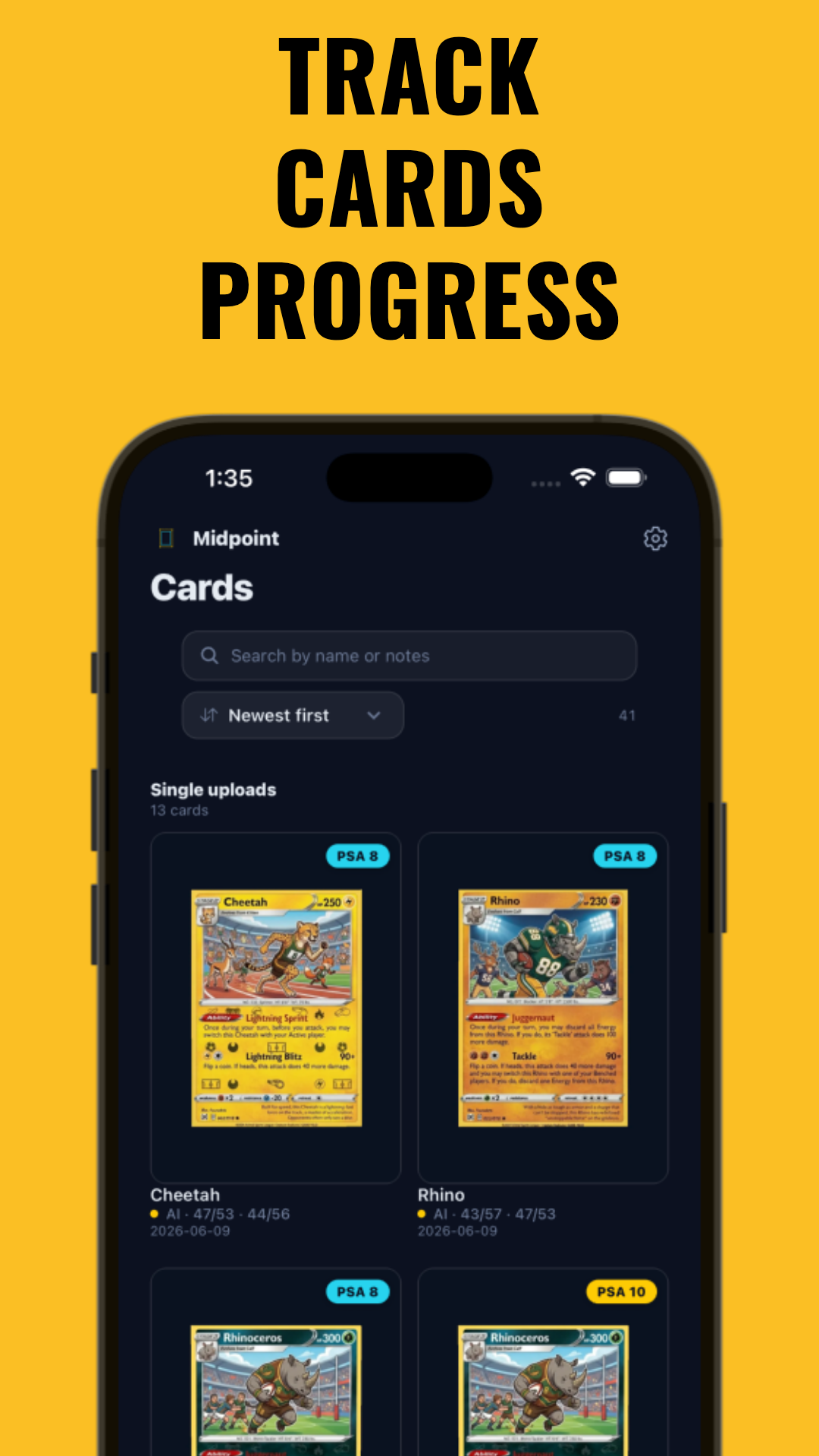
Midpoint helps here. You can look up raw and graded values across more than 1.5 million cards, and track what your collection is worth over time in the Midpoint app, which is free on iOS and Android.
11. Buy, Hold, Sell or Grade: A Simple Decision Framework
With prices moving, a clear rule set keeps emotion out of it.
- Buy: when a card has a durable catalyst, healthy sales volume and a price that has not already doubled in a week.
- Hold: when you own a star or long-term rookie and the dip is a market-wide drift rather than a problem with the player.
- Sell: when a spike came from a single event, the player's role is uncertain, or you have more copies than you need.
- Grade: when the PSA 10 premium over raw is meaningful and your copy looks clean.
Before you pay to submit, measure centering and check corners, edges and surface. Our walkthrough on how to pre-grade your card covers the steps. Midpoint's AI grading gives an estimated PSA, BGS, CGC and TAG grade so you can avoid paying fees on a card that will not hit the grade you need.
Conclusion
Hockey card prices rising in November 2026 is a selective story. The broader market has reportedly cooled over 30 days, but cards tied to a clear catalyst are climbing: Jacob Fowler's Young Guns and parallels after an October breakout, Alex Ovechkin's Young Guns Renewed on veteran attention, and prospects like Easton Cowan on momentum.
Use the data table for the raw and PSA 10 snapshot as of 2026-11-15, then confirm with recent sold comps. Decide based on the catalyst, the grade premium and your own time horizon. To check centering and estimate grades before you submit, try Midpoint.
FAQ
Q: Why are hockey card prices rising in November 2026?
A: The overall hockey market has reportedly dipped over 30 days, but individual cards are rising on specific catalysts. These include Jacob Fowler's strong October and Rookie of the Month recognition, veteran-star attention for Alex Ovechkin, prospect call-ups and a busy release calendar.
Q: Which hockey cards are increasing in value right now?
A: Cards drawing the most attention include Jacob Fowler's Upper Deck Extended Series Young Guns and parallels, Alex Ovechkin's 2024 Upper Deck Young Guns Renewed, and Easton Cowan and other current-season rookies and prospects.
Q: Why are Jacob Fowler hockey cards rising in value?
A: His breakout October and NHL Rookie of the Month recognition reportedly brought new buyers to his Young Guns rookie card and its parallels. Performance-driven spikes can reverse if play slips, so watch recent sales.
Q: What is the current value of Jacob Fowler Young Guns cards?
A: See the data table in this post for raw and PSA 10 values as of 2026-11-15. Values change quickly, so confirm against the latest sold listings for the exact card and grade.
Q: Are hockey cards a good investment in 2026?
A: There are no guarantees. Prices depend on player performance, supply and demand, and the broader market has reportedly softened recently. Focus on liquid cards with durable demand, keep position sizes sensible and only spend what you can afford to hold.
Q: How do I check the real selling price of a hockey card?
A: Use sold and completed listings, not asking prices. Match the exact card, parallel, serial number and grade, review several recent sales, and check population and sales volume. A card lookup tool like Midpoint can show raw and graded values in one place.
Free to start
Try the Midpoint app
Grade any card from a photo, see its raw and PSA 10 value, and track what your collection is worth — free.
Get it on iPhoneGet it on Android