Gold Star Pokémon Cards Value: Top Cards & Grading Insights
Discover the gold star Pokémon cards value, top rare cards, PSA 10 prices, and how grading impacts these prized collectibles.

Estimated reading time: 9 min
Key Takeaways
- Gold Star Pokémon cards are highly sought after for their rarity and unique shiny artwork.
- Charizard, Umbreon, and Rayquaza are among the most valuable Gold Star Pokémon cards.
- PSA 10 grades can significantly increase card values, often by multiple times compared to raw cards.
- Condition factors like centering and surface are common grading challenges for Gold Stars.
- Set origin and card popularity heavily influence Gold Star Pokémon cards value.
Gold Star Pokémon cards represent one of the most exciting and valuable niches in Pokémon card collecting. Known for their shiny Pokémon art and rarity, these cards can fetch high prices, especially in high-grade conditions. In this guide, we explore the gold star Pokémon cards value, highlighting notable valuable cards, grading effects, and the sets they come from. Whether you’re a seasoned collector or just starting, understanding these factors will help you better assess your collection’s worth.
Card values — live data from Midpoint's card database, as of 2026-08-28. Prices move; Midpoint refreshes these daily.
| Card | Raw | PSA 10 | Gem premium | |
|---|---|---|---|---|
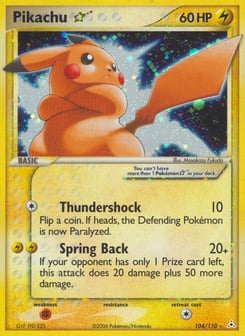 |
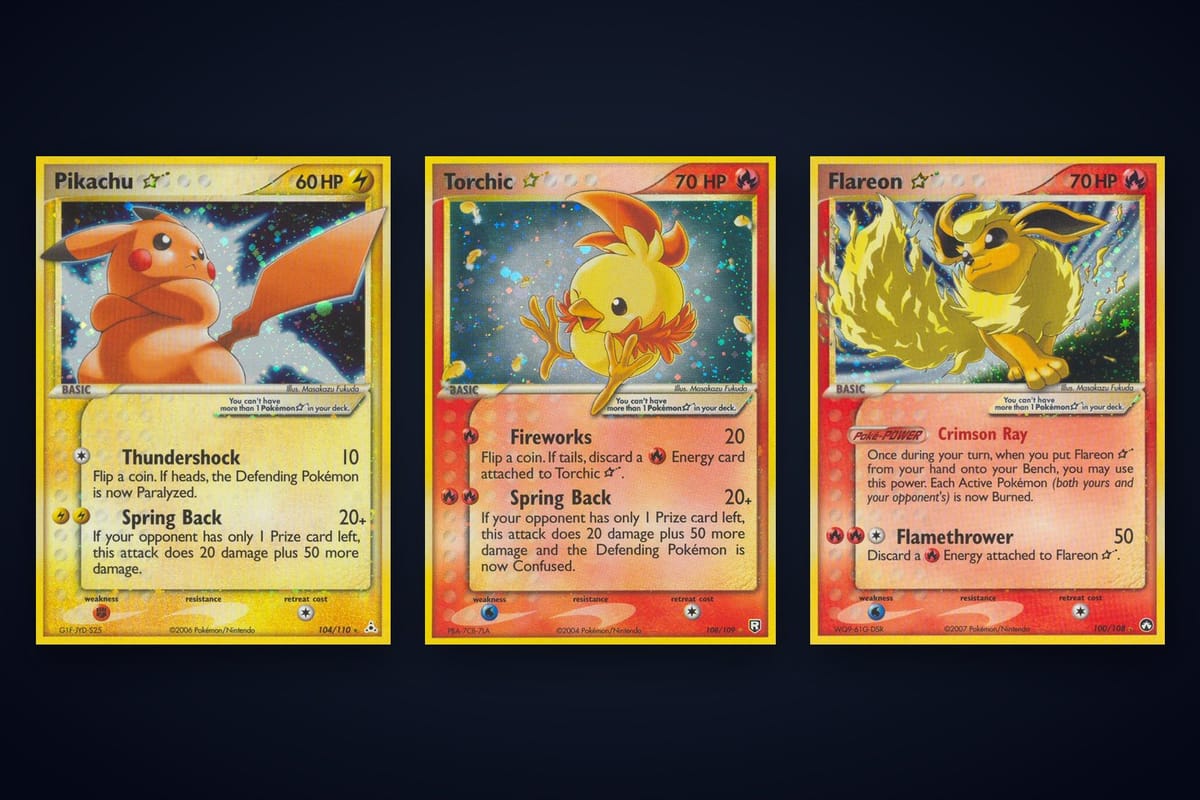
Pikachu ☆ #104/110 Holon Phantoms (2006) |
$3,200 | $139,753 | 43.7× |
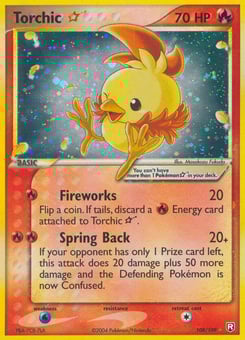 |
Torchic ☆ #108/109 Team Rocket Returns (2004) |
$499.00 | $36,084 | 72.3× |
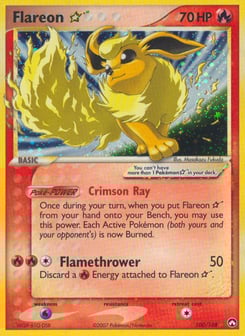 |
Flareon ☆ #100/108 Power Keepers (2007) |
$750.00 | $36,017 | 48× |
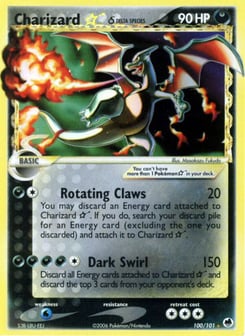 |
Charizard ☆ δ #100/101 Dragon Frontiers (2006) |
$998.95 | $29,634 | 29.7× |
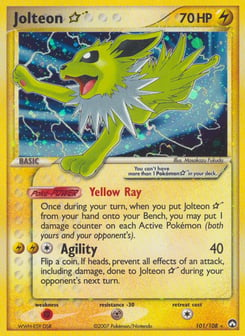 |
Jolteon ☆ #101/108 Power Keepers (2007) |
$449.00 | $26,037 | 58× |
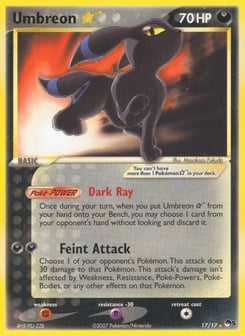 |
Umbreon ☆ #17/17 POP Series 5 (2007) |
$71.35 | $20,215 | 283.3× |
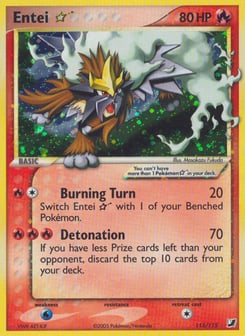 |
Entei ☆ #113/115 Unseen Forces (2005) |
$1,067 | $14,285 | 13.4× |
 |
Mew ☆ δ #101/101 Dragon Frontiers (2006) |
$3,500 | $13,709 | 3.9× |
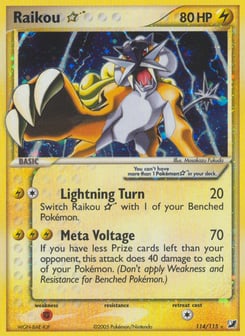 |
Raikou ☆ #114/115 Unseen Forces (2005) |
$1,600 | $13,346 | 8.3× |
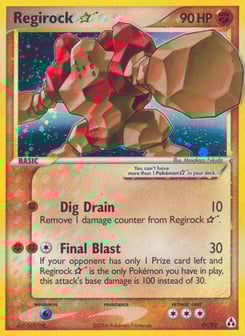 |
Regirock ☆ #91/92 Legend Maker (2006) |
$747.00 | $5,685 | 7.6× |
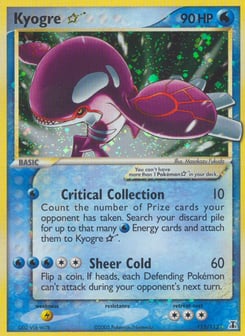 |
Kyogre ☆ #112/113 Delta Species (2005) |
$2,101 | $5,021 | 2.4× |
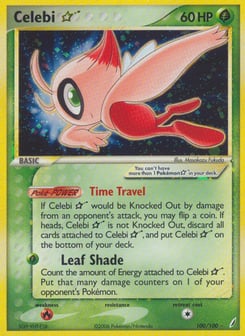 |
Celebi ☆ #100/100 Crystal Guardians (2006) |
$950.00 | $4,991 | 5.3× |
Look up any card's current raw and graded value in Midpoint — and get an estimated grade before you pay to submit.
1. What Are Gold Star Pokémon Cards?
Gold Star Pokémon cards are a subset of rare Pokémon cards first released in the early 2000s. They feature shiny, alternate-colored Pokémon with a distinctive gold star next to the Pokémon's name, signifying their rarity and special status. Unlike typical holofoil cards, Gold Stars have unique artwork showcasing shiny variants that stand out.
These cards originated primarily from sets such as EX Team Rocket Returns, EX Deoxys, Holon Phantoms, Delta Species, POP Series 5, Power Keepers, Crystal Guardians, and Legend Maker. Their scarcity combined with the shiny Pokémon art makes them some of the most coveted cards in the hobby.
What sets them apart from other gold or shiny cards is their rarity and the limited print runs, often making them chase cards for collectors worldwide.
2. Most Valuable Gold Star Pokémon Cards
When considering gold star Pokémon cards value, some names are especially notable due to their popularity and scarcity. The top contenders include Charizard, Umbreon, Rayquaza, Espeon, Pikachu, Gyarados, Torchic, Mewtwo, and the Eeveelutions. These cards often command premium prices at auction and in private sales.
For example, the Gold Star Charizard from EX Team Rocket Returns is widely regarded as a grail card, sometimes selling for very high prices in PSA 10 condition. Similarly, Umbreon and Rayquaza Gold Star cards have strong demand, with Umbreon Gold Star value often high due to its popularity and lower population counts.
Collectors also prize the Gold Star Espeon and Pikachu for their fan-favorite status, while cards like Torchic and Mewtwo gain value from their roles in popular decks and nostalgia.
3. How Grading Impacts Gold Star Pokémon Cards Value
Grading plays an important role in determining the market price of Gold Star cards. PSA 10 grades on Gold Star cards can elevate their value by multiple times compared to raw counterparts. For instance, a raw Umbreon Gold Star may be worth several thousand dollars, but a PSA 10 copy can fetch significantly more, depending on market conditions.
However, achieving a PSA 10 grade on Gold Star cards is known to be difficult. Common issues include imperfect centering, edge wear, and surface imperfections. Centering is especially critical since the gold star emblem and artwork need to be well aligned for top grades. For more details on centering challenges, see our complete guide to card centering by type.
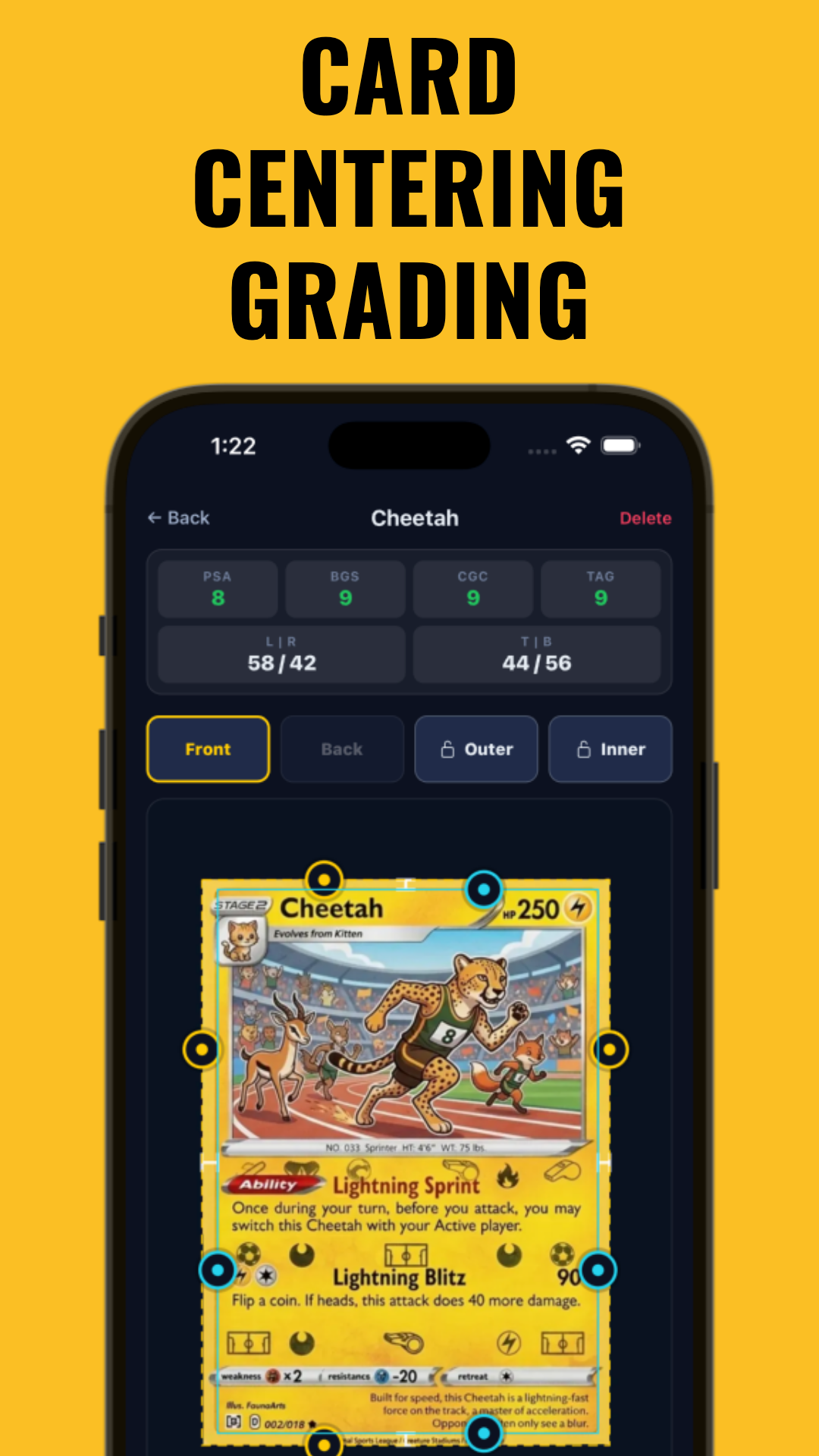
This is where tools like Midpoint become useful. Midpoint’s AI digital grading and precise centering measurement allow collectors to pre-grade their cards before submitting them for professional grading, potentially saving time and money. For a deeper understanding of the grading process and when it’s worth it, check out our card grading guide.
4. Value Ranges for Raw, PSA 9, and PSA 10 Copies
Gold Star Pokémon cards value varies widely based on condition and grading. As of 2026-08-28, here are some example ranges:
- Raw copies: Generally worth from around $1,500 up to $10,000 depending on card and condition.
- PSA 9 graded: Typically 2-3 times the raw value due to collector confidence and condition assurance.
- PSA 10 graded: The highest premium, often 3-5 times raw value, especially for iconic cards like Charizard and Umbreon.
For example, the Umbreon Gold Star raw value may be around $6,000, but PSA 10 versions can sell for significantly more. Similarly, Rayquaza Gold Star raw cards are around $3,500, with PSA 10 grading pushing values higher.
5. Set-by-Set Coverage of Major Gold Star Cards
Each Gold Star set has unique cards with varying values. Understanding these sets helps collectors target the most valuable cards.
- EX Team Rocket Returns: Home to the iconic Gold Star Charizard, one of the most valuable Pokémon cards ever.
- EX Deoxys: Includes sought-after cards like Gold Star Rayquaza and Gold Star Espeon.
- Holon Phantoms & Delta Species: Feature various Gold Star Pokémon with alternate typings and unique artworks.
- POP Series 5, Power Keepers, Crystal Guardians, Legend Maker: Offer additional Gold Star cards, though generally less valuable than the early sets.
Collectors often prioritize cards from the earliest sets due to lower print runs and higher demand.
6. Why Some Gold Star Cards Are Cheaper Despite Rarity
Not all Gold Star cards command equally high prices. Factors such as popularity of the Pokémon, art appeal, and demand impact value. Some rare cards may have less fan interest or less striking artwork, leading to lower prices despite rarity.
For example, certain Delta Species Gold Star cards are rarer but don’t reach the high values of Charizard or Umbreon because they are less iconic or visually compelling to collectors.
7. Recent Market Trends for Gold Star Pokémon Cards
As of mid-2026, Gold Star Pokémon cards have seen steady interest and price appreciation. Increased collector interest, nostalgia, and the rise of grading services contribute to demand. PSA 10 Gold Star cards especially continue to be sought after as supply remains limited.
Market movement suggests that investing in top Gold Star cards can be a viable strategy, but condition and grading quality remain paramount. Collectors should carefully assess centering and surface before submitting for grading, using resources like Midpoint’s AI grading for more informed estimates.
8. The Importance of Centering and Surface in Grading
Centering and surface condition are the most common grading factors preventing Gold Star cards from reaching PSA 10. Since Gold Stars have a small gold star emblem and shiny artwork, even slight misalignment or surface wear impacts grade noticeably.
Midpoint’s precise centering measurement helps you evaluate if your card meets the strict criteria for top grades before paying for professional grading. This digital pre-grade reduces risk and helps collectors avoid costly submission mistakes.
For more on this topic, see How to Pre-Grade Your Card and How Centering Impacts Card Value.
9. Top Chase Cards to Watch
Among the Gold Star Pokémon, some cards are especially prized:
- Charizard Gold Star (EX Team Rocket Returns): The ultimate grail card.
- Umbreon Gold Star: Highly sought for rarity and fan appeal.
- Rayquaza Gold Star: A powerful and visually striking card.
- Espeon and other Eeveelutions: Popular for collector interest.
- Pikachu and Mewtwo: Fan favorites with strong demand.
Focusing on these chase cards can help maximize your collection’s value and investment potential.
10. Why Use Midpoint for Your Gold Star Cards?
Midpoint offers an all-in-one solution for collectors focused on Gold Star Pokémon cards value. With AI-driven digital grading, you get instant PSA, BGS, CGC, and TAG grade estimates based on centering, corners, edges, and surface. This helps you determine if a card is worth grading professionally or better kept raw.
Additionally, Midpoint’s portfolio tracking lets you monitor your collection’s value over time, while the card lookup tool shows up-to-date market prices for over 250,000 cards, including Gold Stars. Using Midpoint can help you make informed decisions to protect and grow your collection.
Learn more at Midpoint.
Conclusion
Gold Star Pokémon cards are some of the most valuable and coveted in the hobby, with iconic cards like Charizard, Umbreon, and Rayquaza often setting the pace for high prices. Understanding the factors that drive gold star Pokémon cards value—rarity, artwork, grading, and set origin—helps collectors make informed decisions.
Achieving top grades like PSA 10 can significantly boost value, but condition challenges like centering and surface quality make pre-grading essential. Tools like Midpoint empower collectors to better assess their cards before submitting them, helping protect their investment and potentially maximize returns.
Whether you’re chasing the legendary Charizard or building a diverse Gold Star collection, knowledge and grading insight are your best allies.
FAQ
Q: How much are Gold Star Pokémon cards worth?
A: Values vary widely, from around $1,500 for raw copies of less popular cards to significantly higher amounts for PSA 10 versions of top chase cards like Umbreon and Charizard (as of 2026-08-28).
Q: What is the most valuable Gold Star Pokémon card?
A: The Gold Star Charizard from EX Team Rocket Returns is generally considered among the most valuable, commanding high prices in PSA 10 condition.
Q: Are Gold Star Pokémon cards real and why are they so expensive?
A: Yes, they are genuine cards officially released by Wizards of the Coast and later by Pokémon. Their expense comes from rarity, unique shiny artwork, and collector demand.
Q: How much does a PSA 10 Gold Star card sell for compared with raw?
A: PSA 10 graded cards typically sell for multiple times more than raw cards due to guaranteed condition and collector confidence.
Q: Which Gold Star Pokémon cards are the best investments?
A: Top investments often include Charizard, Umbreon, Rayquaza, and popular Eeveelutions due to their rarity, demand, and iconic status.
Q: Why are Umbreon, Rayquaza, and Charizard Gold Star cards worth the most?
A: Their high value is driven by rarity, fan popularity, appealing artwork, and limited print runs. These cards have become hobby icons over time.
Free to start
Try the Midpoint app
Grade any card from a photo, see its raw and PSA 10 value, and track what your collection is worth — free.
Get it on iPhoneGet it on Android