
How to Grade MTG Cards: The Complete Trading Card Grading Guide
Learn how to grade MTG, Pokémon, One Piece, Yu-Gi-Oh, and Lorcana cards. Step-by-step card grading tips, value insights, and how to spot fakes.


Estimated reading time: 13 min
Key Takeaways
- Card grading basics apply across Magic: The Gathering, Pokémon, One Piece, Yu-Gi-Oh, and Lorcana.
- Centering, edges, corners, and surface condition drive card grades and value.
- Digital tools like Midpoint can help with pre-grading and value tracking.
- Game-specific quirks (Pokémon holo scratches, MTG borders) matter for grading.
- Understanding chase cards and rarity impacts which cards are worth grading.
Grading your Magic: The Gathering (MTG) cards — and those from Pokémon, One Piece, Yu-Gi-Oh, and Lorcana — is important if you want to maximize your trading card investment. In this guide on how to grade MTG cards, we’ll break down the universal grading process, highlight game-specific quirks, discuss value differences (with real price data where available), and show you how digital tools like Midpoint may make grading easier and more precise.
Card values — live data from Midpoint's card database, as of 2026-08-03. Prices move; Midpoint refreshes these daily.
| Card | Raw | PSA 10 | Gem premium | |
|---|---|---|---|---|
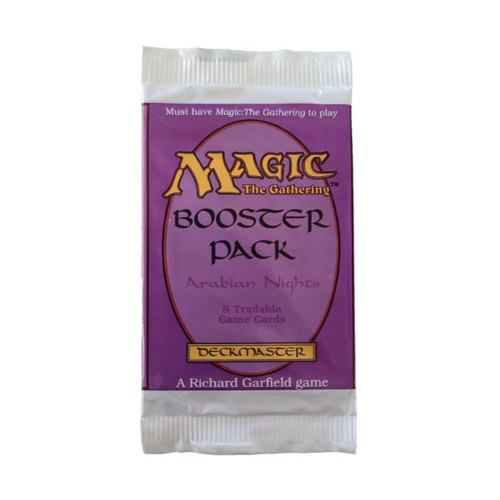 |
Booster Pack Magic Arabian Nights |
$2,342 | $6,779 | 2.9× |
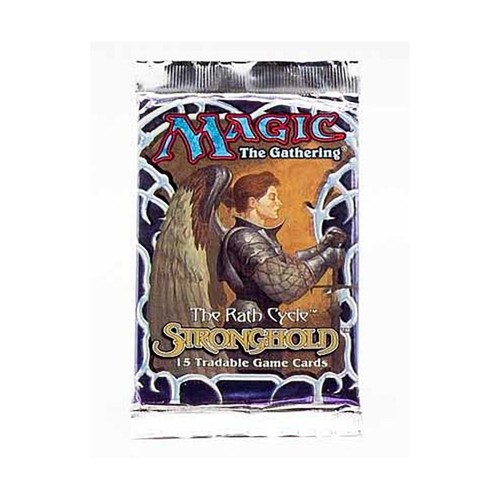 |
Booster Pack Magic Stronghold |
$145.07 | $804.00 | 5.5× |
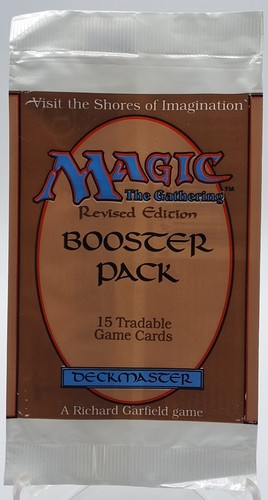 |
Booster Pack Magic Revised |
$315.00 | $780.00 | 2.5× |
 |
Booster Pack Magic Urzas Legacy |
$130.44 | $650.00 | 5× |
 |
Booster Pack Magic Ice Age |
$44.97 | $480.77 | 10.7× |
 |
Booster Pack Magic Portal Three Kingdoms |
$472.00 | $425.03 | 0.9× |
 |
Booster Pack Magic Mirage |
$98.35 | $355.00 | 3.6× |
 |
Princess Twilight Sparkle #2 Magic Ponies the Galloping |
$210.03 | $325.00 | 1.6× |
 |
Booster Pack Magic Fallen Empires |
$12.50 | $279.70 | 22.4× |
 |
Booster Pack Magic Prophecy |
$46.62 | $225.00 | 4.8× |
Look up any card's current raw and graded value in Midpoint — and get an estimated grade before you pay to submit.
Step 1: Understand the Basics of Card Grading
Card grading is the process of having a third-party company (like PSA, BGS, CGC, TAG) evaluate your card’s physical condition and assign a numerical grade (typically 1–10). This grade influences your card’s value and collectability. The same core principles apply whether you’re grading MTG, Pokémon, One Piece, Yu-Gi-Oh, or Lorcana cards. The four main criteria:
- Centering: How evenly the card's front and back are printed, measured in % or mm.
- Corners: Condition of all four corners (sharpness, wear, bends).
- Edges: Any whitening, chipping, or nicks along the edges.
- Surface: Scratches, print lines, stains, or dents on the card’s face or back.
Each grading company has different standards — for example, PSA allows slightly worse centering for a 10 than BGS — so knowing the details matters. To explore the differences between grading companies, see Grading Scale Differences by Company.
Step 2: Identify the Best Cards to Grade (By Game and Set)
Not every card is worth grading — focus on chase cards, low-population rarities, and high-value singles. Here’s how to spot them across games:
- MTG: Reserved List cards (like Black Lotus, Dual Lands), old booster packs (e.g., Arabian Nights, Ice Age), and unique promos (Ponies: The Galloping) can have strong value. For example, a Magic Arabian Nights booster pack has been reported at $2,342 raw and $6,779 in PSA 10 (as of 2026-08-03) — a 2.9x premium.
- Pokémon: Focus on the most valuable Pokémon cards to grade — such as original Charizard, Pokémon 151 chase cards, and rare alt arts. Sets like the original Base Set, Neo Genesis, and modern sets like 151 are among the best Pokémon sets to invest in.
- One Piece: Alt art and low-population cards can command premiums. The One Piece TCG alt art value often increases when cards are in pristine condition.
- Yu-Gi-Oh: 1st edition, Ghost Rare, and Secret Rare cards are commonly prioritized for grading.
- Lorcana: Early print runs, serialized promos, and chase cards are highly sought-after.
Grading makes the biggest difference when the gem-mint premium is high — for example, a Magic Ice Age booster pack has been reported to increase from $44.97 raw to $480.77 in PSA 10 (10.7x). Compare this to Magic Portal Three Kingdoms, where PSA 10 is actually lower than raw ($425.03 vs $472), showing the importance of researching before grading. For more on how grades affect insurance and investment value, check out Card Grade Impact on Insurance Value.
Step 3: Inspect Card Centering — The Fastest Way to Lose (or Gain) Value
Centering is a common reason cards miss gem-mint grades. Most grading companies require front centering of 55/45 or better for a PSA 10; backs are often more lenient. Pokémon is known for tough back centering, especially in vintage sets. MTG, Yu-Gi-Oh, and Lorcana also penalize off-center backs less, but front centering remains critical.
- Use a centering ruler or a free digital tool like the Midpoint Centering Calculator to measure centering down to 0.1mm.
- Check both front and back, especially for Pokémon (where back centering can drop a 10 to a 9).
- Remember: Even a high-value card can drop below grading value if centering is off.
Automated tools now use AI to analyze centering and can help flag cards that may not achieve PSA, BGS, or CGC 10s. For a detailed look at how AI is being used in centering analysis, see How AI Transforms Card Centering Analysis.

Step 4: Examine Corners, Edges, and Surface
After centering, carefully inspect the other grading areas:
- Corners: Use a 10x magnifier to check for whitening or bends.
- Edges: Look for chipping, especially on black-bordered sets (MTG, Yu-Gi-Oh, Lorcana).
- Surface: Shine a light at an angle to spot print lines, holo scratches (Pokémon), or clouding.
Game-specific quirks matter:
- Pokémon: Holofoil scratches can downgrade cards; check both front and back for ink spots or print lines.
- MTG: Older sets have rougher cuts; don’t confuse factory edge for damage.
- One Piece: Alt arts may be prone to surface scratches due to their finish.
Use digital grading tools like Midpoint for surface and edge analysis, or consult How to Pre-Grade Your Card for a step-by-step manual inspection approach.
Step 5: Authenticate Your Card and Spot Fakes
High-value cards (especially vintage Pokémon and MTG reserved list) are frequent targets for counterfeiters. Here’s how to tell if a Pokémon card is fake — and apply similar checks to other games:
- Light Test: Real cards let some light pass through; fakes often don’t.
- Blue Core Test: Peel back a corner (only on a known fake or bulk card!) to check for a blue paper layer in genuine cards.
- Texture: Fake cards often feel waxy or too glossy.
- Print Quality: Compare fonts, colors, and alignment against known genuine cards.
For Pokémon, look for missing set symbols or incorrect holo patterns. One Piece alt arts and Lorcana promos have also been reported as targets for counterfeiting due to their value. When in doubt, get a professional opinion or use the card lookup feature in Midpoint to compare with authenticated database images.
Step 6: Decide: Grade Yourself or Send to a Grading Company?
Once you've pre-graded your card and checked for authenticity, decide if professional grading is worth the cost. Consider:
- Value Boost: Cards like Magic Fallen Empires booster packs have been reported to increase from $12.50 raw to $279.70 in PSA 10 (over 22x), but only if your card is gem-mint.
- Submission Fees: Most services charge $20–$50 per card; not worth it for low-value singles.
- Turnaround Time: High-demand cards may be prioritized.
Use your pre-grade estimate to weigh the cost-benefit. Digital apps like Midpoint provide grading estimates for PSA, BGS, CGC, and TAG, so you can make an informed decision before spending on submission fees. For a deep dive into centering requirements for investment cards, check Centering Requirements for Rookie Cards.
Step 7: Track Your Collection and Values Over Time
Once graded, keep your collection organized and up-to-date. Digital portfolio trackers let you:
- Monitor value changes (raw vs graded) across all games and sets.
- Spot which cards are rising in value (e.g., Pokémon 151 chase cards or MTG reserved list staples).
- Export reports for insurance or trading.
Midpoint lets you upload your entire collection, see current market values, and track the value impact of grading — all for free on iOS and Android.
Tips & Common Mistakes
- Don’t rely on naked-eye centering or surface checks; use a digital tool or high-res scan.
- Never clean or alter cards before grading — cleaning can damage finish and may disqualify from top grades.
- Check population reports; sometimes it’s not worth grading if PSA 10s are common and premiums are low (like Magic Portal Three Kingdoms booster packs).
- For sealed packs and high-value singles, always check for reseals or tampering.
- Mixing up rarity symbols (star, diamond, circle) in Pokémon or missing alt art identifiers can lead to costly mistakes.
Conclusion
Learning how to grade MTG cards — and those of Pokémon, One Piece, Yu-Gi-Oh, and Lorcana — is helpful for collectors who want to maximize value. By understanding grading criteria, using digital tools like Midpoint, and staying aware of game-specific quirks, you can avoid costly mistakes and make more informed investment decisions. Whether you’re chasing Pokémon 151 grails, One Piece alt arts, or rare MTG reserved list cards, grading can help you achieve higher returns and build a strong collection.
FAQ
- How do I know if my card is worth grading?
Check recent sales for raw vs graded (PSA 10) prices, consider the card’s rarity and demand, and use a digital pre-grade tool like Midpoint to estimate your card’s likely grade before submitting. - What is the most important factor in card grading?
Centering is often a key factor for a gem-mint grade, but all four areas (centering, corners, edges, surface) are essential. See How Centering Impacts Card Value for more. - Are grading standards different for Pokémon, MTG, and One Piece?
Yes, but the basics are similar: Pokémon is stricter on back centering and holo scratches, MTG cares about border chipping, and One Piece focuses on surface finish. Always check game-specific quirks. - What’s the best way to tell if a Pokémon card is fake?
Use light and blue core tests, compare print quality, and check for missing set symbols or wrong holo patterns. For more, see the Pokémon card grading guide on Midpoint’s FAQ. - Should I grade sealed booster packs?
Sometimes, if the set and condition are rare. For example, a Magic Ice Age booster pack in PSA 10 has been reported as over 10x more valuable than raw. But always check for signs of resealing or tampering first. - Can I use Midpoint for all trading card games?
Midpoint covers Pokémon, MTG, One Piece, Yu-Gi-Oh, Lorcana, and sports cards, offering digital pre-grading and value tracking for each.
Free to start
Try the Midpoint app
Grade any card from a photo, see its raw and PSA 10 value, and track what your collection is worth — free.
Get it on iPhoneGet it on Android


