How to Measure Card Centering: Step-by-Step Precision Guide
Learn how to measure card centering for trading cards, estimate grades, and avoid costly mistakes before grading. Expert tips for accurate centering analysis.

Estimated reading time: 7 min
Key Takeaways
- Accurate card centering measurement is crucial for grading and card value.
- Manual and digital tools enhance measurement precision.
- Understanding grading criteria helps avoid costly submission mistakes.
- Apps like Midpoint provide instant, millimeter-accurate centering estimates.
- Consistent technique is key for reliable results every time.
Table of Contents
- Section 1: Why Card Centering Matters
- Section 2: Manual Methods to Measure Card Centering
- Section 3: Digital Tools and Apps for Card Centering
- Section 4: Tips for Consistency and Accuracy
- Section 5: Common Mistakes to Avoid
- Conclusion
- FAQ
Section 1: Why Card Centering Matters
The Impact of Centering on Card Value
Understanding how to measure card centering is essential for collectors. Centering significantly impacts a card’s grade and market value. Even a slight off-center can drop a card from a PSA 10 to a PSA 8, affecting its investment potential.
- Grading companies (PSA, BGS, CGC, TAG) use strict centering criteria.
- Perfect centering maximizes both grade and resale value.
- Collectors and investors seek well-centered cards for their collections.
For a deeper understanding of how centering affects your card’s worth, see How Centering Impacts Card Value: A Detailed Guide.
Section 2: Manual Methods to Measure Card Centering
Tools You Need
To measure card centering without digital assistance, you’ll need basic tools:
- A precise ruler or caliper (preferably measuring millimeters)
- Good lighting and a flat surface
- Optional: card centering gauges designed for standard card sizes
Step-by-Step Manual Measurement
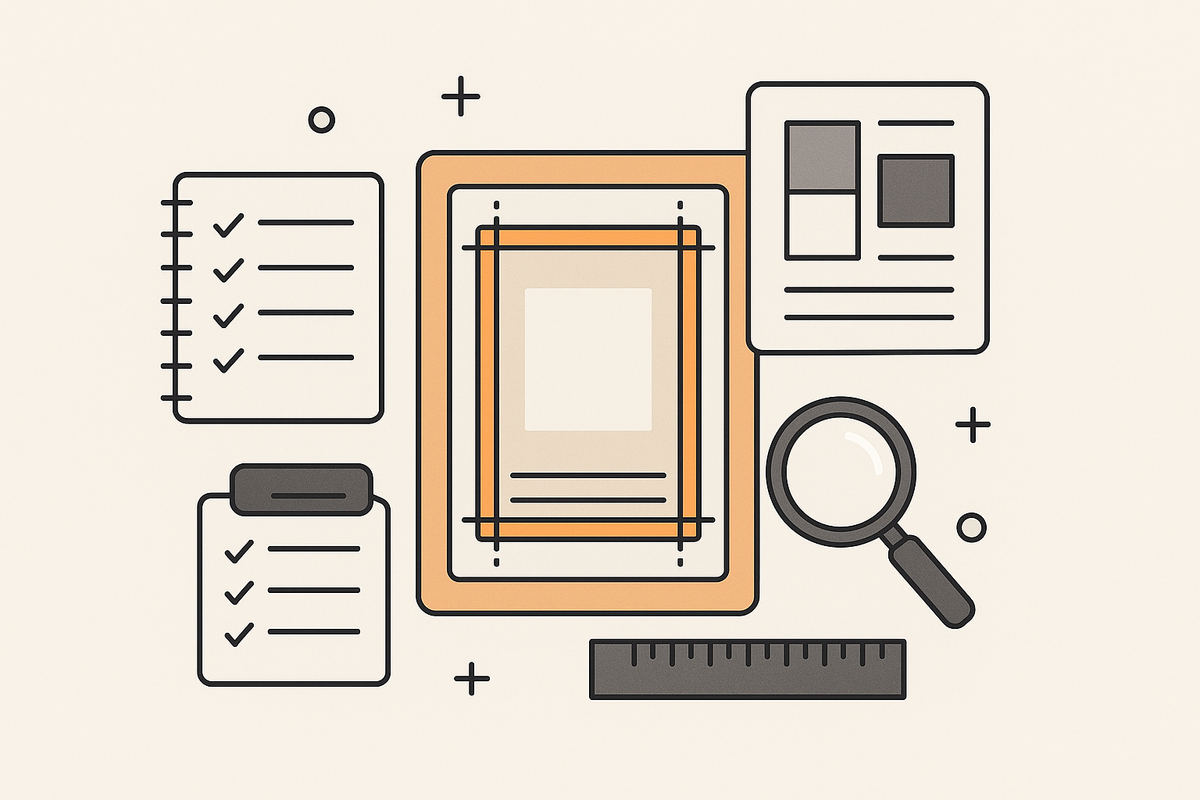
Follow these steps to measure card centering accurately:
- Step 1: Place the card on a flat, well-lit surface.
- Step 2: Measure the distance from the card’s printed border to the edge on the left and right sides. Record both measurements.
- Step 3: Repeat the process for the top and bottom borders.
- Step 4: Calculate centering percentages:
- Example: If the left border measures 2mm and the right is 3mm, total width border is 5mm.
- Divide each border by the total and multiply by 100 for the percentage (e.g., left: 40%, right: 60%).
Compare your results to grading standards (e.g., PSA 10 requires at least 55/45 centering on the front).
Section 3: Digital Tools and Apps for Card Centering
The Power of Digital Measurement
Manual methods can be accurate, but digital tools streamline the process and reduce human error. Apps use image analysis to deliver instant centering percentages and grade estimates.
Using Midpoint for Precise Results
Midpoint is a card-centering tool tailored for collectors. Simply upload a photo of your card, and Midpoint measures centering down to the millimeter, instantly estimating PSA, BGS, CGC, and TAG grades based on your card’s specifics.
- Eliminates manual calculation errors
- Provides visual guides for each border
- Saves time and helps you avoid grading fees on poorly centered cards
For an in-depth look at digital and AI-powered centering tools, check out AI-Focused Comparison: How AI Transforms Card Centering Analysis.
Section 4: Tips for Consistency and Accuracy
Best Practices
Consistency is key when learning how to measure card centering. Follow these tips for reliable results:
- Always use the same tools and methods for comparison across cards.
- Double-check lighting and angle to avoid parallax errors.
- Re-measure if results seem inconsistent or when using a new tool.
- Calibrate your ruler or app if possible, especially for high-value cards.
Integrating Centering Checks into Pre-Grading
Make centering assessment part of your pre-grading routine. For a full walkthrough on evaluating your cards before submission, see How to Pre-Grade Your Card: A Step-by-Step Guide.
Section 5: Common Mistakes to Avoid
Avoid These Pitfalls
Many collectors lose money on grading fees due to simple mistakes:
- Relying on eyeballing instead of actual measurements.
- Forgetting to measure both the front and back centering.
- Ignoring minor border discrepancies that impact grade.
- Not keeping records of measurements for future reference.
Leverage tools like Midpoint to minimize errors and make data-driven grading decisions.
Conclusion
Learning how to measure card centering is a foundational skill for any trading card collector or investor. Proper measurement protects your grading investment and ensures your cards reach their highest potential value. Whether you use manual tools or advanced apps like Midpoint, a consistent and precise approach will pay off in better grades and higher returns.
FAQ
Q: What is considered good centering for a PSA 10?
A: PSA 10 typically requires centering of at least 55/45 on the front and 75/25 on the back, side-to-side and top-to-bottom.
Q: Can I measure card centering with just a ruler?
A: Yes, but use a precise ruler or caliper and follow careful measurement steps to avoid errors.
Q: Does poor centering always hurt card value?
A: Yes, off-center cards generally receive lower grades and are less desirable to collectors.
Q: Are digital apps accurate for measuring centering?
A: Quality apps like Midpoint use precise algorithms and image analysis, often providing more accurate and faster results than manual methods.
Q: Should I measure both the front and back of my card?
A: Absolutely. Grading companies evaluate both sides, so always assess centering on the front and back.
Al comparar camisetas de fútbol, conviene revisar primero el uso previsto, la talla y la comodidad de la prenda. Para ordenar la búsqueda, camisetas de futbol del AC Milan puede revisarse junto con las medidas y el tipo de ajuste preferido. Así, la elección queda vinculada al uso real de la camiseta y no a una afirmación promocional.
Free to start
Try the Midpoint app
Grade any card from a photo, see its raw and PSA 10 value, and track what your collection is worth — free.
Get it on iPhoneGet it on Android