How to Target the Right Subtopics for SEO Success
Learn how to target subtopics for SEO: find related keywords, analyze competitors, use Google tools, and structure your content for higher rankings.


Estimated reading time: 14 min
Key Takeaways
- Targeting the right subtopics is important for ranking competitive keywords and building topical authority.
- Top-ranking pages often cluster related questions, keyword variations, and subtopics to match searcher intent.
- Tools like Google’s People Also Ask, autosuggest, and Ahrefs can help uncover relevant subtopics.
- Analyzing SERP overlap and competitor content can reveal content gaps and useful H2s.
- Organizing secondary keywords into clusters may improve content depth and SEO performance.
Table of Contents
- Section 1: Understanding Subtopics and Why to Target Them
- Section 2: Analyzing Top-Ranking Pages to Find Subtopics
- Section 3: Leveraging Google Tools for Related Questions and Keywords
- Section 4: Using SEO Tools to Extract Subtopics and Fill Content Gaps
- Section 5: Grouping Keywords and Mapping Content Clusters to Target SEO Success
- Section 6: Essential H2s, SERP Overlap, and Subpage Strategy
- Conclusion
- FAQ
Section 1: Understanding Subtopics and Why to Target Them
What Are Subtopics in SEO?
To target a keyword effectively, you must understand that modern SEO is about more than just including an exact phrase. Google now tends to reward pages that comprehensively cover a topic, including related subtopics and questions searchers have. Subtopics are the supporting ideas, questions, and keyword variations that collectively build topical authority and match search intent. For example, if your main keyword is “card centering tool,” relevant subtopics might include how card centering affects grading, how to measure centering, and what tools are available.
Subtopics are not merely tangentially related ideas—they are the specific angles, methods, definitions, FAQs, and adjacent concerns that a user might explore while researching the main topic. For instance, in the context of a card centering tool, subtopics could also include “DIY centering tool”, “accuracy of digital vs manual tools”, “card centering and resale value”, or “grading company centering requirements”. Each subtopic can attract a subset of searchers with slightly different needs or intentions, allowing your content to cast a wider net.
The Role of Subtopics in Ranking
Targeting subtopics can signal to Google that your content is a thorough resource. This may make your page more likely to rank for a broad range of related queries, not just your main keyword. Top-ranking pages often outperform thin content by anticipating and answering the full scope of questions searchers have.
- Subtopics can capture long-tail queries and increase total traffic. For example, a single page targeting “card centering tool” may also rank for “how to use a card centering tool”, “card centering accuracy”, and “centering tool for PSA cards”, each of which could bring in additional visitors.
- Covering subtopics may improve user engagement—visitors may stay longer and bounce less. When users find answers to all their related questions on one page, they’re more likely to complete their research there. This can signal quality to Google, which may further improve your rankings.
- Topical authority can build trust both with users and search engines. By covering the depth and breadth of a subject, your site can become a go-to resource, potentially increasing repeat visits and shares.
Google’s algorithms have evolved to often prefer comprehensive resources over thin, single-keyword pages. This means that pages ranking for competitive queries frequently have substantial content, with multiple layers of subtopics and supporting sections.
Why You Must Target Subtopics
Search intent has evolved. A page that narrowly targets a single phrase is less likely to rank well. Instead, Google often expects a resource that addresses multiple angles of a topic. Think of your content as a hub, with subtopics as spokes that provide depth and breadth. You don’t need to answer every possible question on a single page, but you do need to address the major ones the top competition covers.
For example, if your page on “card centering tool” omits a section on grading standards, while every competing page covers it, your content may be seen as incomplete. Targeting subtopics helps ensure you align with user expectations—and with what Google tends to rank. Ultimately, this approach not only helps with search visibility but also provides genuine value to your readers, establishing your authority in the niche.
Furthermore, targeting subtopics allows you to build a logical internal linking structure. Subtopics that are too broad or deep for a single page can be spun off into related posts, all interlinked for SEO benefit and user navigation. This forms the basis of a content cluster, which is a common practice in current SEO strategies.
Section 2: Analyzing Top-Ranking Pages to Find Subtopics
Reverse-Engineering the Competition
One way to determine which subtopics to target is to study what’s already working. Analyze the top 5–10 pages ranking for your main keyword. Look for recurring H2s, H3s, and sections—these are the subtopics Google has surfaced as relevant.
- Skim the table of contents and headings on each page. For example, if you search for "card centering tool," open the top-ranking articles and create a spreadsheet of their H2s and H3s.
- Note which questions, how-to sections, or definitions appear repeatedly. If most pages have a section like “How to measure card centering” or “Why centering matters for grading,” those are likely important subtopics.
- Identify any unique insights or examples that set top pages apart. Maybe one page has a detailed infographic or offers a downloadable checklist—these can inspire value-adds for your own content.
Reverse-engineering is not about copying, but about identifying patterns of what Google and searchers expect. It helps ensure your content is not missing any critical angles.
Spotting Mandatory Subtopics
If a subtopic appears as an H2 or section in several of the top 10 ranking pages, it’s likely important to cover. For example, on pages about “card centering tools,” many top results include sections on measuring centering, grading standards, and the impact on card value. These are areas to consider including in your own content.
To put this into practice, create a checklist based on your competitor analysis. For example:
- Definition and importance of card centering
- How to use a centering tool (step-by-step)
- Card grading standards by company (PSA, BGS, CGC, TAG)
- Common mistakes and troubleshooting
- Technology comparison: manual vs digital tools
Addressing these subtopics not only helps with SEO but also with delivering a more useful piece to your audience.
Practical Example: Card Grading Content
When researching the keyword "how to measure card centering," top-ranking articles like this step-by-step guide often address:
- Definition and importance of card centering
- Grading standards from PSA, BGS, CGC, TAG
- Manual vs. digital measurement methods
- Common centering errors and how to avoid them
For instance, you’ll notice that many top guides explain not only the "how" but the "why"—why centering impacts grading, resale value, and overall card desirability. They also break down the differences between grading companies, as their standards can vary. The best pages supplement text with images, diagrams, or even comparison charts showing what "60/40" centering looks like. Incorporate these findings into your own outline to ensure you’re providing at least as much value as the competition, and ideally more.
Another practical tip: read the comments or Q&A sections of top pages for additional subtopics. Users often ask follow-up questions like, “How strict is PSA about centering?” or “Are digital tools more accurate than manual ones?” These can become new sub-sections or even standalone posts in your content strategy.
Section 3: Leveraging Google Tools for Related Questions and Keywords
Using People Also Ask (PAA)
Google’s People Also Ask (PAA) box can be a useful resource for finding subtopics to target. Enter your main keyword, and note the questions that appear. Expand a few; Google will suggest more follow-up questions. These are real queries from real searchers, and addressing them may increase your relevance.
- Write down the PAA questions—these often become excellent H2s or FAQ entries. For example, "How do you measure card centering?" or "Why is card centering important for grading?"
- Notice which questions surface repeatedly for related searches; they indicate high interest. For example, if “What is a card centering tool?” appears under multiple related queries, it’s a subtopic worth considering.
PAA boxes can refresh dynamically as you click on questions, surfacing many potential subtopics in a single session. Make a habit of copying these into your keyword or content planning doc whenever you perform research.
Mining Autosuggest and Autocomplete
Google’s autosuggest and autocomplete features reveal how users refine their searches. Begin typing your keyword and see which phrases Google suggests. These are often longer-tail or variant keywords worth targeting as subtopics or section headers.
- Test with modifiers: “best,” “how to,” “vs,” “guide,” “tool,” etc. For example, "card centering tool for PSA" or "card centering tool app" might appear as suggestions.
- Document the most relevant suggestions for your content plan. You can use a free tool like Answer the Public or Keywordtool.io to collect these suggestions at scale.
Autocomplete reveals what users are searching for most frequently. If “card centering tool accuracy” or “card centering tool DIY” shows up as suggestions, these are valuable subtopics for both SEO and audience engagement.
Example: Trading Card Centering
Typing “card centering tool” into Google may suggest "card centering tool PSA," "how to measure card centering," and "card centering app." Each suggestion signals a user intent you can address in your content. Covering these variations helps you target a broader keyword set and meet more user needs.
For example, “card centering tool PSA” implies users want to know specifically about using the tool for PSA grading standards. You could create a subsection or even a dedicated post, linking back to your main pillar page. Similarly, “card centering app” suggests there’s demand for digital solutions—so reviewing or comparing available apps (including Midpoint) would be a valuable addition to your content cluster.
Another tip: pay attention to related searches at the bottom of the SERP. These often provide additional keyword variations and subtopics you may have missed. For the card centering niche, related searches may include “grading centering calculator”, “how does PSA grade centering”, or “best tools for card centering”.
Section 4: Using SEO Tools to Extract Subtopics and Fill Content Gaps
Leveraging Ahrefs and Similar Tools
Premium SEO tools like Ahrefs, SEMrush, or Moz provide ways to extract subtopics and keyword variations to target. Use features like Keywords Explorer or AI Content Helper to:
- Get keyword suggestions related to your main term: Enter “card centering tool” and review related keywords such as “card centering ruler,” “how to check card centering,” or “grading centering standards.”
- See which subtopics competitors are ranking for: Paste a competitor’s URL into Ahrefs’ Site Explorer and examine the organic keywords for which their page ranks. This can reveal additional subtopics you may not have considered.
- Analyze keyword difficulty and search volume for each variation: Prioritize subtopics that have a reasonable search volume and manageable keyword difficulty, ensuring your content can realistically compete.
These tools make it possible to scale your subtopic research, helping ensure you don’t overlook any high-potential angles.
Running a Content Gap Analysis
Content gap analysis helps you find keywords and subtopics your competitors rank for, but you don’t. In Ahrefs, enter your site and 2–3 competitors—see which keywords appear for them but not you. These gaps are prime subtopic targets to close.
- Prioritize subtopics with high overlap among competitors. For instance, if all your competitors rank for “grading centering standards” except you, this is a gap you may want to fill.
- Fill missing sections or add subpages as needed. If the gap keyword is broad enough, consider creating a new, dedicated page and linking it back to your pillar content.
Example: If your competitors are ranking for “card centering tool app” and “how to use grading tools for PSA,” but your page doesn’t mention these terms, add new sections or dedicated posts to address them. This approach may improve your chances of ranking and can increase the depth and quality of your resource.
Regularly performing a content gap analysis—quarterly, for example—can help you stay ahead of competitors as new subtopics emerge and searcher behavior changes.
Filtering by Parent Topic and Search Intent
SEO tools often group keywords by "parent topic"—the main theme uniting several keyword variations. Filter your list to focus on those most relevant to your target audience and intent (informational, transactional, navigational, etc.). For card grading, for example, group keywords around grading standards or measurement techniques, not just product names.
For example, if “card centering tool” is the parent topic, related subtopics might include:
- How to use a centering tool (informational intent)
- Best card centering tools for PSA (commercial investigation intent)
- Download card centering app (transactional intent)
This allows you to tailor content sections and subpages to different user intents, improving user satisfaction and ranking for a broader set of keywords. It also helps avoid keyword cannibalization by ensuring each page or section has a clear, unique focus.
As an actionable step, use filters in your SEO tool to segment keywords by intent and relevance. Build a content plan that prioritizes the highest-value subtopics for your audience, balancing search volume, competitiveness, and alignment with your site’s goals.
Section 5: Grouping Keywords and Mapping Content Clusters to Target SEO Success
Why Grouping Matters
Successful pages don’t just target isolated keywords—they create content clusters, where a main "pillar" topic is supported by related subpages or sections. This approach can signal depth and expertise to Google, improve internal linking, and help you rank for a spectrum of related terms.
- Pillar page: Broad overview of the main topic (e.g., all about card centering tools)
- Cluster pages: Deep dives into subtopics (e.g., how centering impacts card value, step-by-step measurement guides)
Content clusters are often effective for competitive niches. By creating a network of interlinked pages—each targeting a specific subtopic—you may increase the topical relevance of your entire site. Google may see this as a signal of expertise and be more likely to rank your content highly.
Building Your Cluster
Start by mapping your primary keyword and the main subtopics you discovered during competitor and keyword research. Organize them into clusters—each with its own target, but all linking back to your pillar page. For instance, you might write a comprehensive post on “how centering impacts card value” (see this in-depth guide), which links back to your main "card centering tool" resource.
To build your cluster, follow these steps:
- List your pillar topic and main subtopics. For example:
- Pillar: Card Centering Tools
- Cluster: How to measure card centering
- Cluster: Grading standards by company
- Cluster: Manual vs digital centering tools
- Cluster: Common centering errors
- Create a logical hierarchy where each cluster page links back to the pillar, and the pillar links out to clusters when appropriate.
- Use internal links to reinforce relationships. For example, your “how to measure card centering” guide can link to both the pillar and to posts about specific grading companies.
- Update your content plan regularly as new subtopics emerge from ongoing keyword and competitor research.
This approach may boost your SEO and also helps users navigate your site more effectively, potentially increasing time on site and conversion rates.
Mapping Secondary Keywords
For each cluster, list the secondary keywords and questions that fit. Assign them to sections or subpages as appropriate. This helps you target both high-volume and long-tail queries, and it can prevent keyword cannibalization across your site.
For example, in your “how to measure card centering” cluster, secondary keywords could include “card centering calculator,” “centering formula,” “how does PSA grade centering,” and “manual vs app-based centering tools.” Each can be covered as a section or FAQ within your cluster, or as a linked resource for further reading.
This granular approach allows you to target multiple related queries per post, maximizing your reach and authority. It also helps ensure that each piece of content serves a clear purpose, avoids overlap, and supports your overall SEO strategy.
Section 6: Essential H2s, SERP Overlap, and Subpage Strategy
Using SERP Overlap to Group Subtopics
One method for grouping subtopics is analyzing SERP overlap: if the same pages rank for multiple keywords, those topics are closely related and can be targeted together. Tools like Ahrefs show the percentage of shared URLs between keyword SERPs. High overlap means you can often cover those subtopics on a single page; low overlap suggests distinct pages.
- For example, “card centering tool PSA” and “how to measure card centering” may have high overlap—combine them.
- “Card grading app” may have less overlap; consider a separate page (learn more here).
To put this into action, run a SERP overlap report in your SEO tool. List your core and related keywords, and note the overlap percentages. As a general rule:
- 70%+ overlap: Combine subtopics on one page
- 30-70% overlap: Consider a section or a linked resource
- Below 30%: Split into separate pages
This strategy can help you avoid both thin content and keyword cannibalization, ensuring each page has a clear, unique focus and ranking potential.
Identifying Mandatory H2 Subjects
Remember from earlier: if you see an H2 topic in several of the top 10 results, it’s likely important—you should consider covering it to compete. For card grading, these might include:
- How to use a card centering tool
- What grades require for centering (PSA, BGS, CGC, TAG)
- Common mistakes and troubleshooting tips
Use these as anchors for your outline, ensuring you don’t miss any key sections.
For example, if you notice that every top page includes a “Grading company standards” section, but your draft doesn’t, you may want to add it. Likewise, if “Manual vs. digital centering tools” is a common H2, consider comparing popular products, including screenshots or video demos (like those from the Midpoint app), and providing a table summarizing pros and cons.
This method helps your content meet or exceed the competition’s depth, satisfying both user and algorithmic expectations. Add your own unique insights, such as case studies or expert interviews, to further differentiate your resource.
Creating a Subpage Hierarchy
Some subtopics are too deep or tangential for a single page but are valuable as standalone guides. Build a hierarchy: your main page targets the broad keyword, with internal links to detailed cluster posts (e.g., step-by-step pre-grading). This approach can maximize relevance, SEO, and user experience.
For example, your main pillar on "card centering tools" can link to subpages on:
- How to measure card centering for PSA/CGC/BGS
- Comparison of top centering apps and tools
- Case studies: How centering impacts card resale value
- Common centering errors and how to fix them
Each subpage can be optimized for its own target keyword and user intent, but all contribute to your site’s overall topical authority. Internal links help distribute authority across pages, potentially improving SEO for the whole cluster.
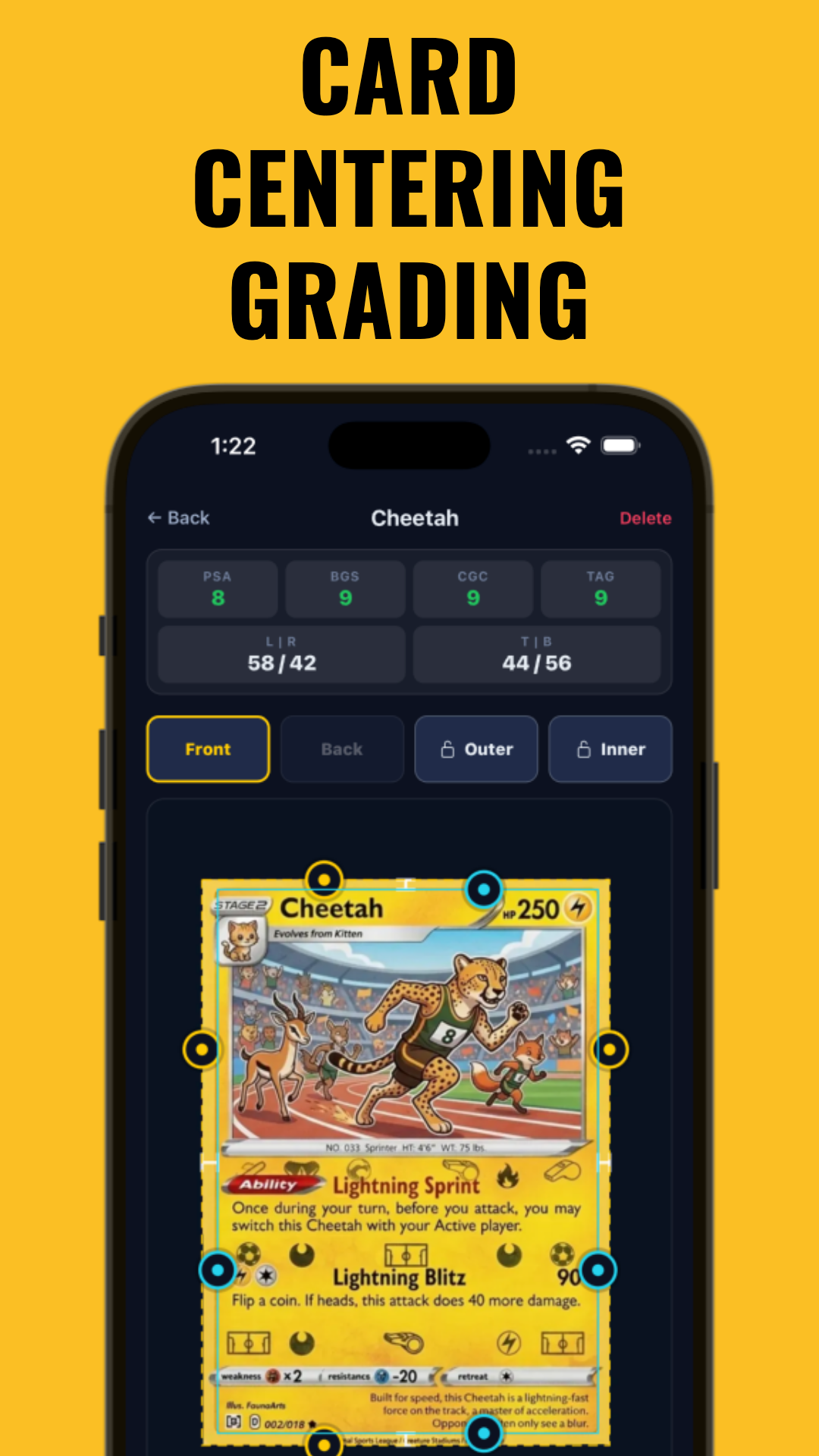
Ready to apply these strategies to your trading card content? Try the Midpoint app to see how advanced measurement tools can help you organize, grade, and write about your collection with confidence.
Conclusion
Learning how to target the right subtopics is important for modern SEO. By analyzing top-ranking pages, leveraging Google’s PAA and autosuggest, using keyword research tools, and organizing your content into logical clusters, you can improve your ability to rank for competitive terms. Remember, great SEO isn’t about stuffing a page with keywords—it’s about building a resource that answers the real questions your audience has.
For trading card collectors and content creators alike, tools like Midpoint can make it easier to measure, organize, and share expert-level information. Ready to level up your SEO and card grading content? Start by mapping your subtopics and let your expertise shine through.
As Google’s algorithms continue to evolve, comprehensive topical coverage and clear content hierarchy are likely to become even more important. Invest the time to research, structure, and expand your content around the subtopics your audience cares about. Use clustering, internal linking, and SERP overlap strategies to help ensure every page on your site supports your authority and visibility. By following the steps outlined in this guide, you’ll be well-positioned to achieve both higher rankings and better serve your readers—whether you’re writing for collectors, sellers, or grading experts.
FAQ
Q: What are subtopics in SEO and how do they help you rank?
A: Subtopics are the related themes, questions, and ideas that support your main keyword. Covering subtopics can help you rank by signaling to Google that your content is comprehensive and matches the full range of searcher intent.
Q: How do I find subtopics for my target keyword?
A: Analyze top-ranking pages for repeated H2s and sections, use Google’s People Also Ask and autosuggest, and leverage SEO tools like Ahrefs to extract related keywords and content gaps. Prioritize subtopics that appear most frequently among competitors.
Q: What questions should I answer in my content to rank for a keyword?
A: Start by reviewing the People Also Ask box, competitor headings, and keyword research tool suggestions. Answer questions that are common across top-ranking pages and directly address user intent behind your main keyword.
Q: How many SEO keywords should a page really target?
A: Focus on one primary keyword per page, but target several closely related secondary keywords and subtopics within the same search intent. Use content clusters for broader coverage without keyword cannibalization.
Q: What is the difference between pillar topics and subtopic keywords?
A: A pillar topic is a broad, comprehensive theme (e.g., "card centering tool"), while subtopic keywords are the supporting ideas or questions (e.g., "how to measure centering," "grading standards") that provide depth and relevance.
Q: How can I use People Also Ask to find points worth covering?
A: Use the People Also Ask box to discover common questions related to your keyword. Each question represents a subtopic or user intent you should address in your content to boost its ranking potential.
Free to start
Try the Midpoint app
Grade any card from a photo, see its raw and PSA 10 value, and track what your collection is worth — free.
Get it on iPhoneGet it on Android