
Japanese Pokémon Cards Worth Money: 9 High-Value Finds (2004–2016)
Discover Japanese Pokémon cards worth money, top promos, EX/Lv.X values, grading tips, and how to spot rare gems in your collection. Full value guide inside!

Estimated reading time: 12 min
Key Takeaways
- Japanese Pokémon cards from 2004–2016 include some of the most valuable and rare finds for collectors.
- Promos, EX era holos, and trophy cards are often notable for high resale value, especially in PSA 10 grades.
- Japanese print runs are generally known for better centering and quality control, which can drive value for top-condition cards.
- Card condition—centering, surface, corners, edges—significantly impacts raw vs graded prices.
- Apps like Midpoint help collectors identify, grade, and track high-value Japanese cards.
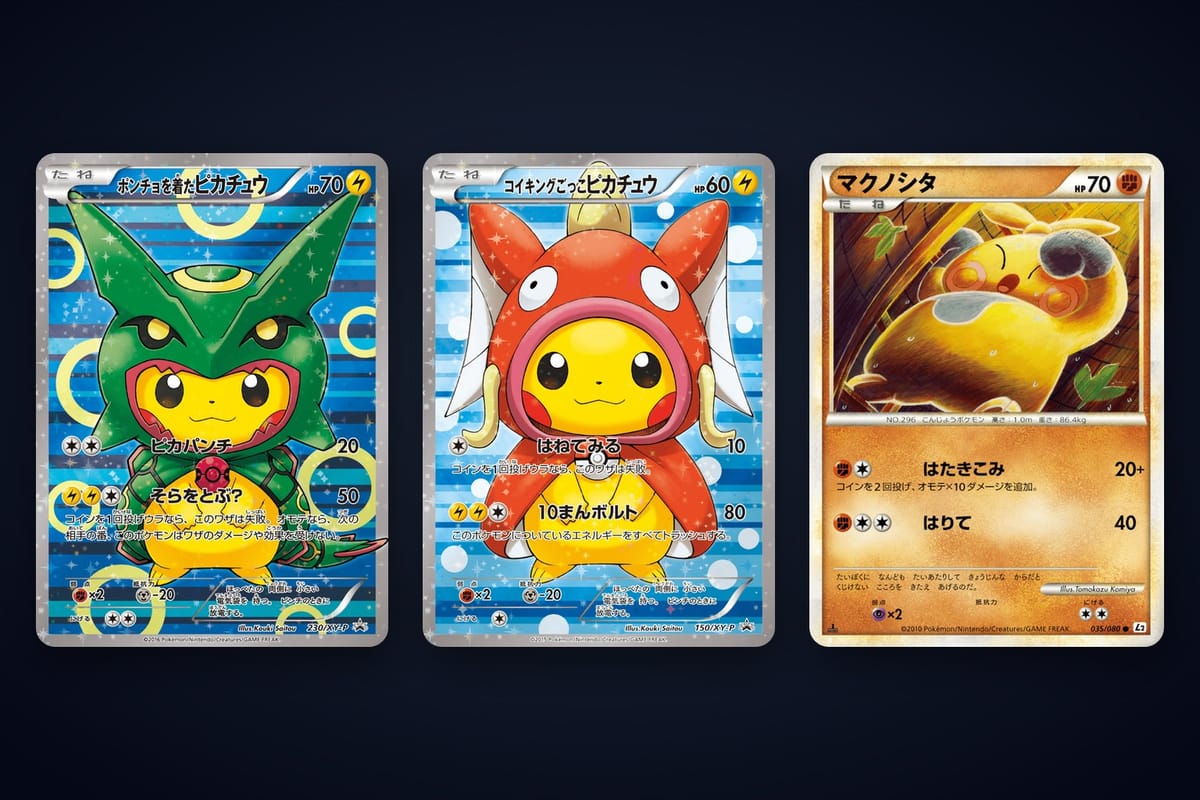
Japanese Pokémon cards worth money are more than just collectibles—they’re investments and passion pieces for collectors worldwide. From dazzling promo exclusives to the iconic EX and Lv.X cards of the 2000s, the Japanese market is filled with hidden gems that can fetch hundreds or even thousands of dollars, especially in pristine PSA 10 condition. Whether you inherited a collection or hunt for grails, understanding what makes Japanese Pokémon cards valuable is essential. This guide covers the most sought-after cards from 2004–2016, how to spot them, why grading matters, and how to maximize your collection’s value.

Card values — live data from Midpoint's card database, as of 2026-08-10. Prices move; Midpoint refreshes these daily.
| Card | Raw | PSA 10 | Gem premium | |
|---|---|---|---|---|
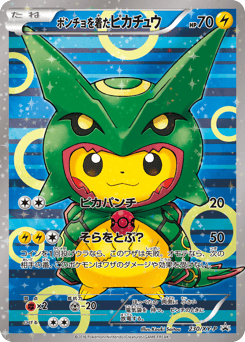 |
ポンチョを着たピカチュウ #230/XY-P XY Promos (2013) |
$3,700 | $16,287 | 4.4× |
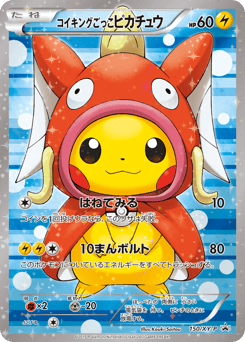 |
コイキングごっこピカチュウ #150/XY-P XY Promos (2013) |
$3,600 | $12,201 | 3.4× |
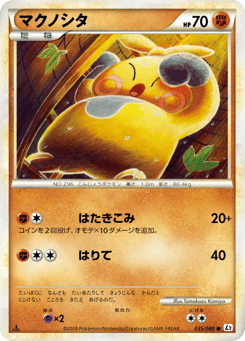 |
マクノシタ #035/080 よみがえる伝説 (2010) |
$150.00 | $10,000 | 66.7× |
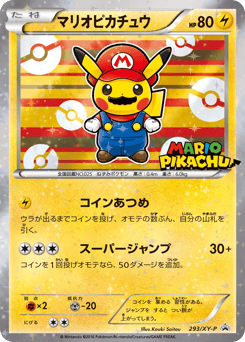 |
マリオピカチュウ #293/XY-P XY Promos (2013) |
$2,200 | $9,235 | 4.2× |
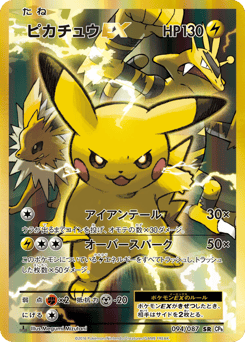 |
ピカチュウEX #094/087 拡張パック 20th Anniversary (2016) |
$1,500 | $8,720 | 5.8× |
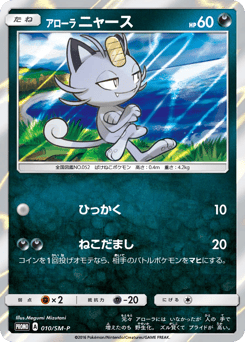 |
アローラ ニャース #010/SM-P Sun & Moon Promos (2016) |
$1,300 | $7,006 | 5.4× |
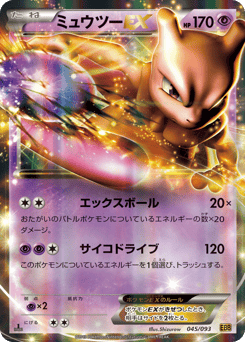 |
ミュウツーEX #045/093 EXバトルブースト (2013) |
$1,600 | $6,300 | 3.9× |
 |
日本代表のピカチュウ #050/XY-P XY Promos (2013) |
$350.00 | $6,055 | 17.3× |
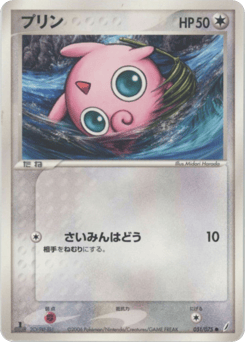 |
プリン #051/075 きせきの結晶 (2006) |
$300.00 | $4,450 | 14.8× |
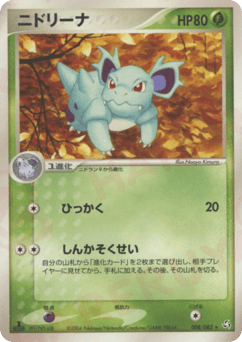 |
ニドリーナ #008/082 伝説の飛翔 (2004) |
$200.00 | $4,000 | 20× |
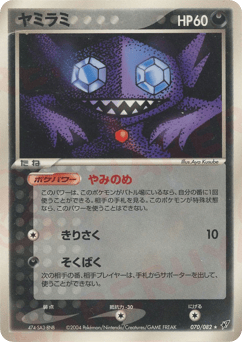 |
ヤミラミ #070/082 蒼空の激突 (2004) |
$2,500 | $3,000 | 1.2× |
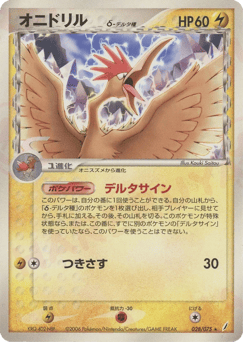 |
オニドリルδ-デルタ種*1ED #028/075 きせきの結晶 (2006) |
$1,200 | $2,000 | 1.7× |
Look up any card's current raw and graded value in Midpoint — and get an estimated grade before you pay to submit.
1. Japanese Promo Cards Worth Money: Trophy, Event, and Magazine Exclusives
Japanese promo cards are highly regarded among collectors. Many were exclusive to Japan and never released in English, making them relatively rare and sometimes valuable. Examples include trophy cards awarded at tournaments, magazine inserts, and cards distributed through Pokémon Center events. Condition is crucial—mint promos can be worth significantly more than played copies.
- 2005 Master’s Scroll (マスターズスクロール): Promo awarded at the Battle Road Summer/Fall events—PSA 10s are among the most sought-after promo cards from the era.
- 2007 Victory Medal (勝利のメダル): Awarded to tournament winners, with gold, silver, and bronze versions. These cards can sell for hundreds in top grade.
- Corocoro Comics promos: Exclusive holo promos distributed via monthly magazines, often featuring unique art.
Promo cards like these are usually marked with the "PROMO" symbol (プロモ) or unique numbering. Always check for the event year and look up comps with tools like Midpoint before selling or grading.
2. Japanese EX Era Cards Value (2003–2007)
The Japanese EX era (ADV and PCG series, equivalent to English EX sets) includes some of the most collectible holo cards and ultra rares. Japanese print quality was typically superior, and many EX cards remain in better condition compared to their English counterparts.
- Rocket’s Raikou ex (ロケット団のライコウex, 2004 Rocket Gang Strikes Back): Known for low pop in PSA 10, recent sales have shown prices in the $900–$1,200 range as of 2026-08-10.
- Charizard ex (リザードンex, Flight of Legends 2004): Continues to be a top chase—raw copies near mint still command high prices, PSA 10s much more.
- Rayquaza ex (レックウザex, Deoxys 2004): Highly sought-after, especially first edition prints with gold star rarity.
When searching for the most valuable Japanese Pokémon cards from the 2000s, the EX era holos and ultra rares are a key focus. Look for set symbols like PCG or ADV, and prioritize cards with little whitening or print lines.
3. Vintage Japanese Holos: Base Set, Neo, and E-Series
Even though this guide focuses on mid-era cards, some earlier Japanese holos remain highly valued, especially in pristine condition. Japanese Base Set (拡張パック, Expansion Pack), Neo sets (金銀, Gold & Silver), and e-Card series (eカード) often have better centering and fewer print defects than English versions.
- Base Set Charizard (リザードン, No Rarity Symbol): PSA 10s can fetch high prices due to low population.
- Lugia (ルギア, Neo Genesis): Japanese prints often have cleaner holo surfaces—raw near mint can be several hundred dollars.
- Umbreon (ブラッキー, Neo Discovery): Japanese holo and 1st edition prints are top targets for collectors.
These vintage Japanese holos are typically marked with a star rarity and set number. For more on protecting holos, see How to Store Valuable Cards.
4. Japanese LV.X Cards Value (2006–2009)
LV.X cards debuted in Japan with the Diamond & Pearl (DP) series (ダイヤモンド&パール), and they remain some of the most visually striking and collectible cards from the late 2000s. The Japanese printings often sell for more due to lower print runs and better condition.
- Lucario LV.X (ルカリオLV.X, DP1): Raw near mint $60–$100; PSA 10s can reach several hundred as of 2026-08-10.
- Garchomp LV.X (ガブリアスLV.X, DP5): Sought-after for competitive and collector value—Japanese first edition is especially desirable.
- Darkrai LV.X (ダークライLV.X, DP4): Popular for its unique art and play history.
Check for the “LV.X” text and DP series logo. Centering and edge quality are generally better in Japanese LV.X cards, making them good grading candidates.
5. Modern Japanese Alt Arts and Special Art Rares (SARs)
Recent Japanese sets (Sun & Moon, Sword & Shield, Scarlet & Violet) have introduced highly collectible chase cards known as Alternative Art (Alt Art) and Special Art Rare (SAR) cards. These cards feature full-art designs, textured foiling, and low pull rates.
- Moonlit Miracle Umbreon (イーブイヒーローズ, Eevee Heroes 2021): Still commands premium prices, especially as a Japanese SAR.
- Charizard V SAR (スターバース, Star Birth): Modern chase with consistent demand—Japanese prints often have lower populations in PSA 10.
Modern Japanese SARs and Alt Arts are often marked with “SR,” “SAR,” or “UR” in the rarity symbol. Use a free centering calculator to check if yours is a strong grading candidate.
6. Raw vs Graded: The Value Impact for Japanese Cards
The difference in value between raw and PSA 10 (or BGS/CGC 10) Japanese Pokémon cards can be significant—sometimes several times higher for graded examples. Japanese cards are often better centered with fewer print defects, which increases the likelihood of getting a top grade, but also raises collector expectations for condition.
- Example: A raw Japanese Rocket’s Raikou ex may sell for $300–$400, while a PSA 10 fetches $900–$1,200 (as of 2026-08-10).
- Low-population trophy or promo cards in PSA 10 can be worth much more than even PSA 9s.
Apps like Midpoint offer AI-driven centering and surface analysis so you can estimate likely grades before you pay for expensive submissions. For more, see How Centering Impacts Card Value.
7. How Japanese Print Quality and Population Affect Value
Japanese Pokémon cards are often noted for their higher print quality—sharper centering, smoother holofoil, and fewer edge/corner defects. This means more PSA 10s exist for certain cards, but also that collectors expect near-perfection. Japanese-exclusive cards often have much lower populations, especially for promos and trophy cards.
- Japanese print runs are typically smaller for special sets and promos, making them harder to find in mint.
- English cards, by contrast, tend to have more print lines and off-center cuts, reducing PSA 10 populations.
Understanding print quality and population can help you spot underappreciated cards. For a deep dive, visit Card Grading for Low Population Cards.
8. Condition Factors: Centering, Whitening, and Surface Quality
Japanese cards are often in better condition straight from pack, but even minor defects (whitening, print dots, centering issues) can reduce value. Condition is very important for high-end collectors and investors.
- Centering: Japanese cards are usually well-centered, but off-center examples drop sharply in value. Use apps or guides like How to Measure Pokémon Card Centering.
- Whitening and Corners: Even a single nick can mean the difference between PSA 9 and PSA 10.
- Surface Quality: Scratches or holo print lines can be subtle—use a strong light or tools like Midpoint to check before grading.
If you’re new to grading, see How to Pre-Grade Your Card for a step-by-step workflow.
9. Identifying Rare Japanese Cards: Symbols, Set Numbers, and Rarity
Japanese Pokémon cards use distinct set symbols, rarity icons, and numbering systems that differ from English. Mastering these details helps you spot valuable cards in bulk lots or old collections.
- Set Symbol: Usually printed near the bottom, e.g., PCG, ADV, DP, XY, SM for different eras.
- Rarity Symbol: Star (rare), double star (ultra rare), or unique promo markings.
- Card Numbering: Promos typically have “PROMO” and a unique number; set cards follow the format “XY-P,” “DPBP#,” or similar.
Learning to identify these symbols is key for picking out the most valuable Japanese Pokémon cards 2000s era, as well as modern gems.
Conclusion
Japanese Pokémon cards worth money are plentiful, especially from the 2004–2016 period. Whether you’re chasing trophy promos, EX and LV.X era holos, or modern Alt Arts, the key is understanding what sets these cards apart—superior print quality, exclusive releases, and sharp centering all boost value. Use digital tools like Midpoint to pre-grade your cards, track sales comps, and decide what’s worth sending in for PSA 10 glory. With the right approach, your next Japanese card find could be a true grail.
FAQ
Q: Are Japanese Pokémon cards worth money?
A: Many Japanese Pokémon cards—especially promos, EX/LV.X era holos, and trophy/event cards—can be worth hundreds or even thousands of dollars, particularly in top condition or PSA 10 grades.
Q: Which Japanese Pokémon cards are the most valuable?
A: Trophy promos (e.g., Master’s Scroll, Victory Medal), early EX era holos (like Rocket’s Raikou ex), and vintage no rarity Base Set holos are among the most valuable, especially in PSA 10.
Q: Why are some Japanese Pokémon cards worth more than English cards?
A: Japanese cards often have better print quality, lower print runs for certain promos, and exclusive cards not found in English. This makes high-grade Japanese cards particularly desirable and sometimes more valuable.
Q: How much is a PSA 10 Japanese Pokémon card worth compared to raw?
A: PSA 10 Japanese cards often sell for several times more compared to raw near-mint copies. For example, a raw Rocket’s Raikou ex might sell for $300–$400, while a PSA 10 is valued at $900–$1,200 (as of 2026-08-10).
Q: What Japanese Pokémon cards should I look for in old collections?
A: Look for Japanese promos (with PROMO/プロモ marking), EX or LV.X era holos (PCG, ADV, DP, or XY sets), and vintage holos (Base Set, Neo). Cards with clean centering and no whitening are strong grading candidates.
Q: How can I tell if a Japanese Pokémon card is rare or valuable?
A: Check for rarity symbols (★, ★★, PROMO), unique set symbols, and card numbering. Research sales comps using collector tools or apps like Midpoint to determine market value and grading potential.
Free to start
Try the Midpoint app
Grade any card from a photo, see its raw and PSA 10 value, and track what your collection is worth — free.
Get it on iPhoneGet it on Android


