Lorcana Card Prices Dropping November 2026: Buy the Dip
Lorcana card prices dropping in November 2026: why falling prices happen, which cards to watch raw and PSA 10, and how to buy the dip smartly.

Estimated reading time: 9 min
Key Takeaways
- Lorcana card prices dropping in November 2026 is often largely a supply story: reprints, new product and fading launch hype.
- Judge the market on 30-day and 90-day trends, not one red day on TCGplayer or Cardmarket.
- Early chapters and Enchanted rares tend to hold value better than promos and standard holos.
- A dip is a good moment to pick up a cheap raw copy that centers well and pre-grade it before you pay to submit.
Lorcana card prices dropping in November 2026 is the question on every collector's mind. Falling Lorcana card prices feel alarming, but they rarely mean the same thing for every card. This guide breaks down the Lorcana card market in November 2026: what may be cooling off, why it happens, and how to act without panic-selling or catching a falling knife.
This guide does not quote percentages or prices, because live prices move daily. Always confirm current numbers on TCGplayer and Cardmarket before you buy or sell.
30-day price movers — live data from Midpoint's card database, as of 2026-11-03. Prices move; Midpoint refreshes these daily.
| Card | Raw | PSA 10 | 30-day | |
|---|---|---|---|---|
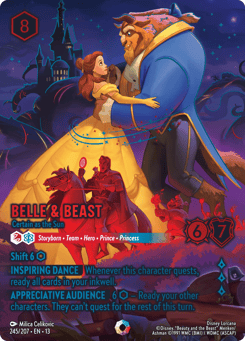 |
Belle & Beast #245/207 Attack of the Vine! (2026) |
$1,817 | $2,141 | -35.3% |
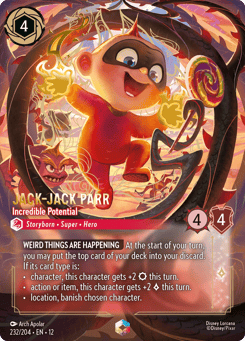 |
Jack-Jack Parr #232/204 Wilds Unknown (2026) |
$85.89 | $278.01 | -31.3% |
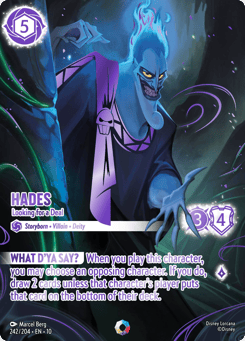 |
Hades #242/204 Whispers in the Well (2025) |
$1,067 | $1,798 | -18.9% |
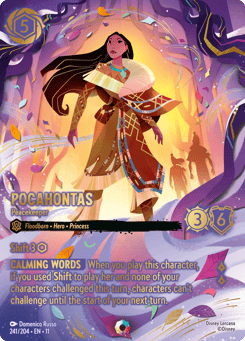 |
Pocahontas #241/204 Winterspell (2026) |
$1,071 | $1,721 | -16.6% |
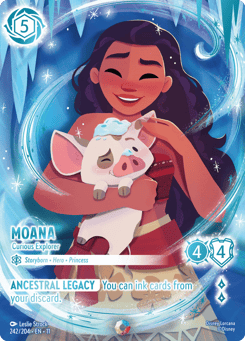 |
Moana #242/204 Winterspell (2026) |
$1,249 | $1,708 | -15.9% |
 |
Mickey Mouse #231/204 Fabled (2025) |
$701.71 | $2,152 | -14.7% |
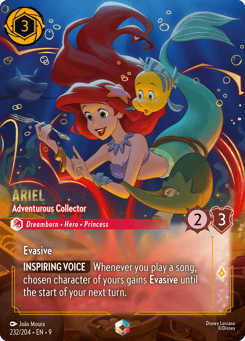 |
Ariel #232/204 Fabled (2025) |
$772.45 | $2,240 | -12.6% |
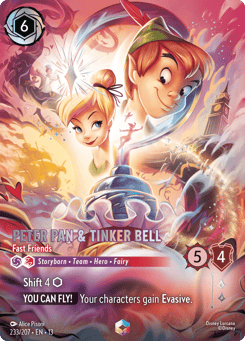 |
Peter Pan & Tinker Bell #233/207 Attack of the Vine! (2026) |
$167.16 | $612.46 | -12.5% |
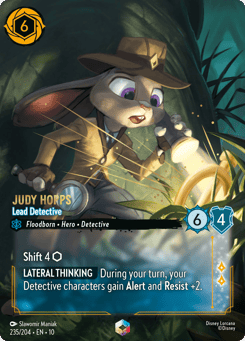 |
Judy Hopps #235/204 Whispers in the Well (2025) |
$138.70 | $500.92 | -12.2% |
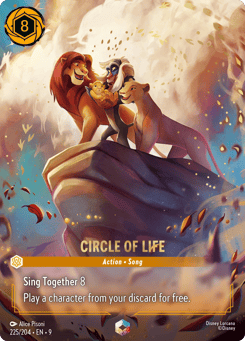 |
Circle of Life #225/204 Fabled (2025) |
$576.11 | $1,885 | -11.5% |
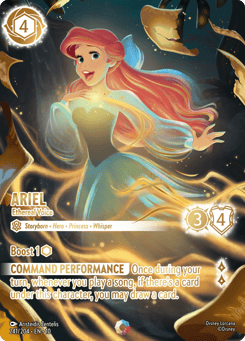 |
Ariel #241/204 Whispers in the Well (2025) |
$1,483 | $2,674 | -9.9% |
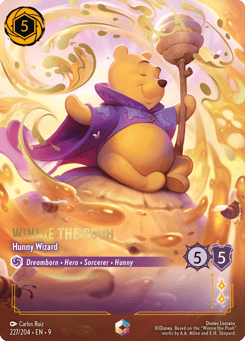 |
Winnie the Pooh #227/204 Fabled (2025) |
$1,468 | $4,062 | -9.6% |
Look up any card's current raw and graded value in Midpoint — and get an estimated grade before you pay to submit.
1. Read the 30-Day Trend, Not the Daily Dip
The first step in any November 2026 market check is separating noise from direction. Single-day moves on low-volume cards are often one sale at an odd price, not a trend.
Use three windows:
- Daily: useful only to spot unusual spikes or single outlier sales.
- 30-day: a good read on whether a card is actually losing value after a release or reprint.
- 90-day: shows whether the drop is a reset from a hype peak or a slide that has been building.
A card that is down over 30 days but flat over 90 has probably just settled. A card that keeps sliding across both windows deserves more caution.
2. Hyperia City Enchanted Cards: The Set Everyone Is Watching
Enchanted cards from a newer set like Hyperia City are often among the first to see price pullbacks because they launch at the top of the hype curve. Chase cards from a new set are priced on scarcity expectations. As packs get opened and singles reach the market, those expectations get tested.
What to check on any Hyperia City Enchanted:
- The 30-day change on TCGplayer market price, not the lowest listing.
- How many copies are listed. A growing listing count can mean supply is outrunning demand.
- Whether the character is a fan favorite or a playable staple. Both can help a card hold up.
Compare any card you are watching against live prices. If it is still falling at the 30-day mark, patience usually costs you nothing.
3. Illumineer's Quest: The Great Hunny Rescue Promo and Holo Cards
Promo and holo cards from Illumineer's Quest: The Great Hunny Rescue show how a novelty premium can fade. Promos often spike when they are new and hard to find. Once more players have completed the content or more copies surface, the premium can cool.
Why promos can be more fragile than main-set rares:
- Demand is often concentrated in collectors rather than competitive players.
- Supply is hard to measure, so buyers may overpay early.
- There is no steady pack-opening cycle to keep fresh buyers coming in.
If you want one of these cards, wait for the price to stop trending down over 30 days rather than chasing the first dip.
4. Raw vs Near Mint vs PSA 10: Where the Gaps Show
Falling Lorcana card prices do not hit every condition equally. In a cooling market, raw Near Mint copies often move first because they are the easiest to list and compare. PSA 10 prices tend to be thinner and more erratic, since fewer sales set the price.
When you compare raw and graded values, remember:
- A raw Near Mint copy has to survive grading to become a PSA 10, and centering is a common failure point.
- A thin PSA 10 market can look stable simply because nothing is selling.
- The gap between raw and PSA 10 is what you are paying grading fees to capture. If the gap shrinks, so does your upside.
Check raw and PSA 10 prices for the cards you care about and note where the gap looks wide enough to justify grading.
5. Reprints and Extra Supply: A Main Driver
One of the simplest explanations for lower prices is more cards. Reprints, new set releases and continued printing of existing product all add supply. Because players can often get what they need from newer products, reprinted staples can lose their scarcity premium quickly.
How to spot supply-driven drops:
- The price falls shortly after a reprint announcement or release.
- Cheaper, non-chase versions often drop first.
- The original version tends to hold better if it is visually distinct, such as an Enchanted or special treatment.
This is why the same dip can be a buying chance for a playable card and a warning for a pure collector's card.
6. Fading Hype, Tournament Demand and Collector Behavior
Release hype is a real price component, and it typically fades. Early buyers pay for the thrill of opening and owning a new chase. A few weeks later, many of them have moved on, while sellers keep listing.
Three demand forces to watch:
- Hype: strongest in the first weeks of a set and usually the first to disappear.
- Tournament demand: steadier, but it only supports cards that matter in competitive decks.
- Collector behavior: long-term holders support Enchanted and iconic characters, while flippers push prices both ways.
If a card has no competitive role and its hype was the main driver, expect a slower recovery.
7. TCGplayer vs Cardmarket: Check Both Before You Act
The Lorcana card market in November 2026 can look different depending on where you look. TCGplayer reflects the US market in dollars, while Cardmarket reflects European demand in euros, with its own seller base and shipping dynamics.
Practical habits:
- Compare the 30-day trend on both platforms. If both are down, the drop is more likely to be real.
- Use sold or market price rather than the lowest listing.
- Account for shipping and fees when comparing buy prices across regions.
A card that is cheaper in Europe than in the US may reflect different supply levels, demand, currency or shipping costs, not necessarily a bargain.
8. What Is Holding Its Value: Early Chapters and Enchanted Rares
Not everything is sliding. Early chapters tend to hold better because their supply is more limited. Those sets are generally not in regular print runs, and every opened box removes sealed product from the market. Enchanted rares from those sets also benefit from being the cards collectors want most.
Signs a card is resilient:
- Its 90-day line is flat or climbing even while newer cards fall.
- Listings are scarce and sell quickly.
- It is a recognizable character in a premium treatment.
Compare the 30-day moves of early-chapter and Enchanted cards against newer cards.
9. Lorcana Cards to Buy the Dip: A Simple Checklist
Falling prices create chances, but only for the right cards. Before buying the dip, run this checklist:
- Has the 30-day decline slowed or flattened?
- Is there a reprint still coming that could push the price lower?
- Is the card a playable, a fan favorite, or both?
- Are you buying for play, for the collection, or to grade?
Set a limit on how much you spend and buy in stages rather than all at once. That way a further drop works in your favor.
10. Grade a Cheap Copy That Centers Well
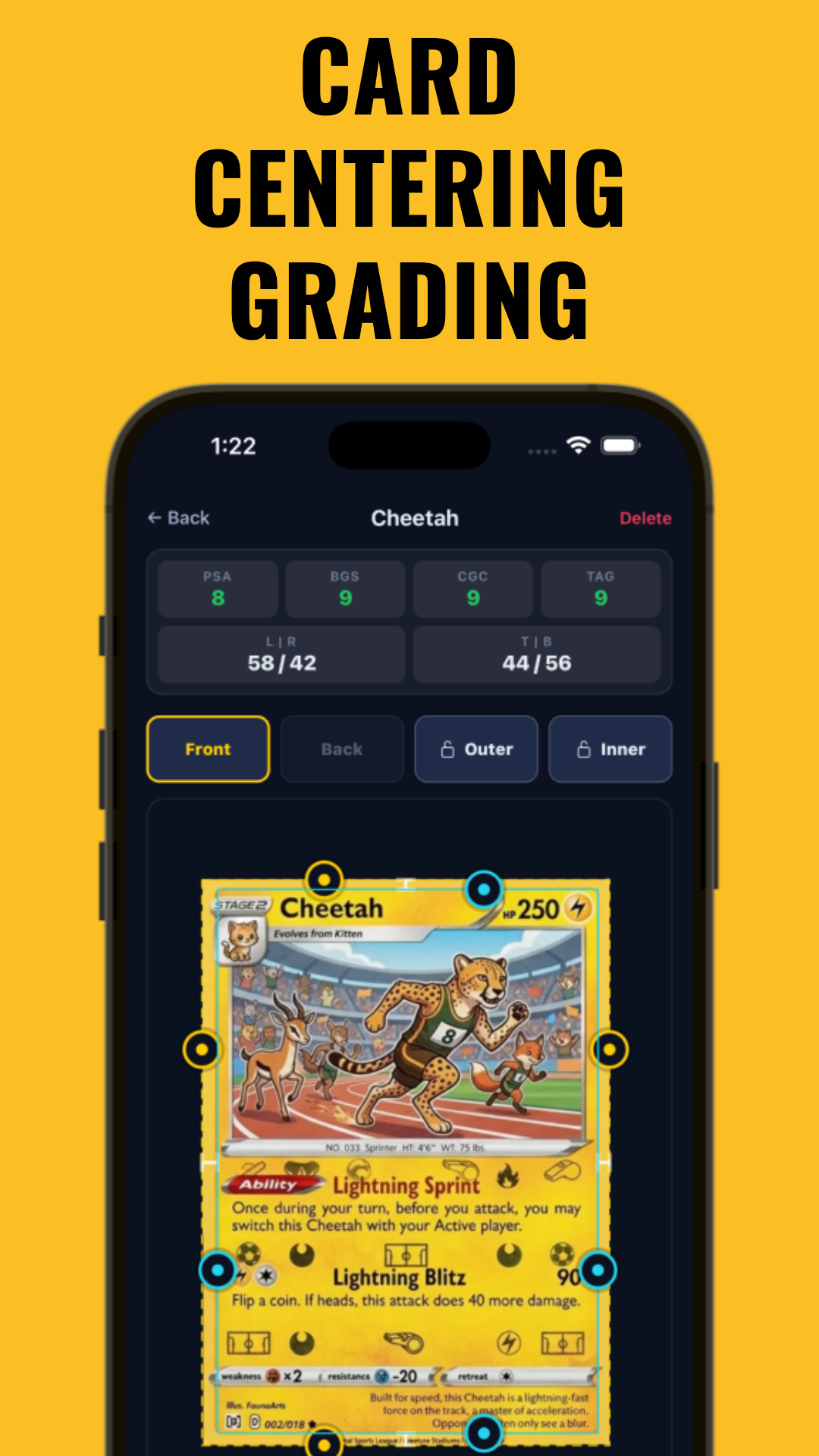
A dip is the cheapest time to buy raw copies, which makes it a good time to hunt for ones that could earn a high grade. Centering is one of the most visible factors, and it is one you can measure before you spend anything. Grading fees add up per card, so you want to know a copy is worth it first.
A simple process:
- Buy several raw copies of a card you like and ask sellers for sharp, straight-on photos.
- Measure the front borders with the free centering calculator to rule out off-center copies.
- Follow a step-by-step pre-grading process to check corners, edges and surface.
- Submit only the best, and keep the rest as playables or trades.
Midpoint gives you an estimated PSA, BGS, CGC and TAG grade from centering, corners, edges and surface, so you can weigh the grading fee against the likely result. To understand why borders matter so much, read about how centering impacts card value.
11. Sell Now or Wait? A Practical Way to Decide
There is no universal answer, but you can decide by card type and goal.
- Sell soon: promos or hype-driven cards still trending down on both TCGplayer and Cardmarket, especially if you never planned to keep them.
- Hold: early-chapter cards and Enchanted rares you love, where the 90-day trend is steady.
- Wait to decide: anything with a reprint on the horizon, until the new supply shows up in prices.
Remember that fees and shipping eat into every sale, so selling in a down market only makes sense if you need the cash or expect further drops. Keep your collection safe in the meantime with good storage habits.
Conclusion
Lorcana card prices dropping in November 2026 often comes down to extra supply, reprints and the natural fading of hype. The smart response is not panic. Read the 30-day and 90-day trends, favor cards with lasting demand, and avoid chasing promos that were priced on novelty.
If you want to use the dip, buy a few raw copies, check their centering, and only pay to grade the ones that look strong. You can measure and estimate grades for free in Midpoint before spending a cent on submission.
FAQ
Q: Why are Lorcana card prices dropping in November 2026?
A: Common drivers are added supply from reprints and new product, plus fading release hype. Early buyers who paid a premium for new chase cards move on, while more copies keep getting listed.
Q: Which Lorcana cards are losing the most value right now?
A: Cards priced on hype tend to fall most, including chase cards from newer sets such as Hyperia City Enchanteds and promo or holo cards like those from Illumineer's Quest: The Great Hunny Rescue. Check live TCGplayer and Cardmarket prices and trends for the specific cards you care about.
Q: Are Hyperia City Lorcana cards a good buy after the price drop?
A: Only if the 30-day decline has slowed and you want the card for the long term. If the price is still sliding on both TCGplayer and Cardmarket, waiting is usually cheaper.
Q: Will Lorcana card prices keep falling after any November 2026 reprints?
A: Nobody can say for certain. Reprinted cards usually take time to settle as new supply is absorbed, so watch the 30-day trend for a flattening before assuming the bottom is in.
Q: Which Lorcana cards are still holding their value?
A: Early-chapter cards and Enchanted rares often hold up better because of more limited supply and strong collector demand, though this is not guaranteed. Confirm with the 90-day trend on the card you are looking at.
Q: Should I sell my Lorcana cards now or wait for prices to recover?
A: Sell hype-driven cards you do not plan to keep if they are still trending down. Hold cards you love with steady long-term demand, and hold off on anything affected by an upcoming reprint until the market adjusts.
Free to start
Try the Midpoint app
Grade any card from a photo, see its raw and PSA 10 value, and track what your collection is worth — free.
Get it on iPhoneGet it on Android