
MTG Reserved List Cards Value: The Ultimate Collector’s Guide
Discover MTG Reserved List cards value, grading tips for Pokémon, One Piece, Yu-Gi-Oh, Lorcana, and set investment strategies. Boost your collection’s worth!

Estimated reading time: 12 min
Key Takeaways
- MTG Reserved List cards are known for unique long-term value and often command large grading premiums.
- Understanding grading for Pokémon, One Piece, Yu-Gi-Oh, Lorcana, and MTG is important for maximizing value.
- Raw vs graded price gaps can be significant—grading can increase card value, especially for low-pop, iconic sets.
- Modern tools like Midpoint allow collectors to estimate grades and values before submitting for professional grading.
- Spotting fakes and knowing the top sets and chase cards is important for new collectors.
If you’re serious about trading card games, you’ve heard the buzz around MTG Reserved List cards value. But what makes these cards so special? And how do you properly grade and value Pokémon, One Piece, Yu-Gi-Oh, and Lorcana cards too? This guide combines market data, grading tips, and collector insights to help you make informed decisions—no matter your game of choice.
Card values — live data from Midpoint's card database, as of 2026-08-03. Prices move; Midpoint refreshes these daily.
| Card | Raw | PSA 10 | Gem premium | |
|---|---|---|---|---|
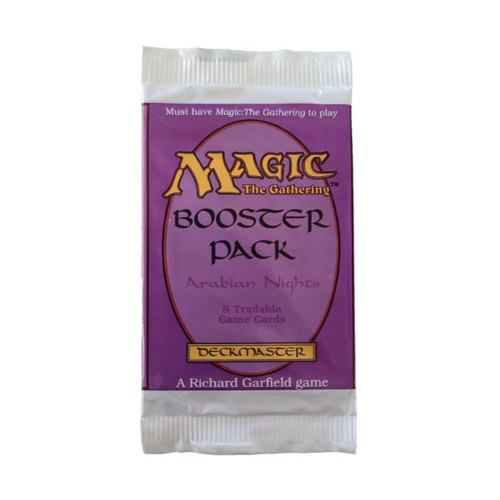 |
Booster Pack Magic Arabian Nights |
$2,342 | $6,779 | 2.9× |
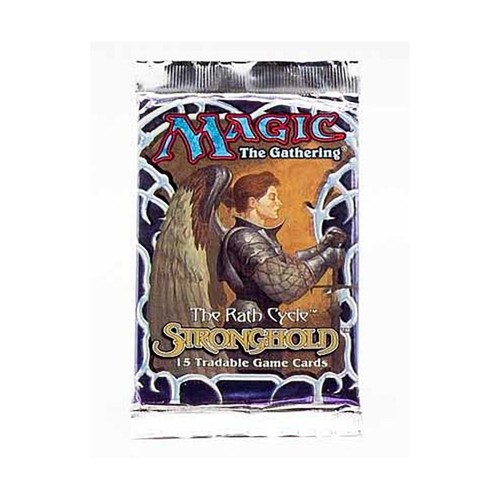 |
Booster Pack Magic Stronghold |
$145.07 | $804.00 | 5.5× |
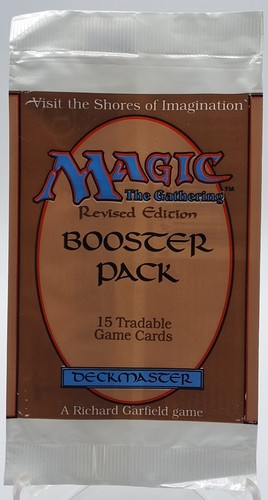 |
Booster Pack Magic Revised |
$315.00 | $780.00 | 2.5× |
 |
Booster Pack Magic Urzas Legacy |
$130.44 | $650.00 | 5× |
 |
Booster Pack Magic Ice Age |
$44.97 | $480.77 | 10.7× |
 |
Booster Pack Magic Portal Three Kingdoms |
$472.00 | $425.03 | 0.9× |
 |
Booster Pack Magic Mirage |
$98.35 | $355.00 | 3.6× |
 |
Princess Twilight Sparkle #2 Magic Ponies the Galloping |
$210.03 | $325.00 | 1.6× |
 |
Booster Pack Magic Fallen Empires |
$12.50 | $279.70 | 22.4× |
 |
Booster Pack Magic Prophecy |
$46.62 | $225.00 | 4.8× |
Look up any card's current raw and graded value in Midpoint — and get an estimated grade before you pay to submit.
1. MTG Reserved List Cards Value Explained
The Magic: The Gathering Reserved List is a set of cards Wizards of the Coast has stated will not be reprinted, contributing to scarcity—and value. Sets like Arabian Nights, Stronghold, and Urza’s Legacy include cards and sealed packs with a following among collectors and investors.
What does that look like in the real market? Take the Booster Pack (Magic Arabian Nights): as of 2026-08-03, a raw pack averages $2,342, but a PSA 10 fetches $6,779—a 2.9x premium. Even lower-profile sets can surprise: Booster Pack (Magic Fallen Empires) jumps from $12.50 raw to $279.70 in PSA 10 (22.4x!).
- Scarcity: No reprints mean supply is capped.
- Grading premiums: High grades can multiply value, sometimes 5-20x raw price.
- Iconic status: Reserved List staples are sought after by collectors.
Understanding these market forces can help you spot potential buys—and avoid overpaying for overgraded or fake cards.
2. How Grading Impacts Value (With Real Examples)
Grading isn’t just about condition—it’s about verifying authenticity and maximizing resale value. The premium for a gem mint grade can be significant, especially for old, rare, or low-population cards. For example, a raw Booster Pack (Magic Ice Age) is $44.97 as of 2026-08-03, while a PSA 10 is worth $480.77 (10.7x premium). Even modern oddities like Princess Twilight Sparkle #2 (Magic Ponies the Galloping) see a raw value of $210.03 but $325 in PSA 10.
Not every card sees the same multiplier: Booster Pack (Magic Portal Three Kingdoms) has a raw price of $472 and a PSA 10 price of $425.03, showing how market demand, pop reports, and set mystique all play a role.
- High grades = higher liquidity and trust.
- Check population reports: Low pops can drive higher premiums.
- Use tools like Midpoint to estimate grades before you pay for pro grading.
Curious how centering and surface impact value? Read How Centering Impacts Card Value: A Detailed Guide.
3. How to Grade Pokémon Cards: Key Factors
Pokémon grading has quirks: centering is notoriously strict (especially on the blue back), holo scratches are heavily penalized, and print lines matter. PSA, BGS, and CGC each have slightly different standards—but all focus on centering, corners, edges, and surface.
For the most valuable Pokémon cards to grade (such as 1999 Charizard or modern Pokémon 151 chase cards), even a half-grade drop can affect value significantly. Use a magnifier, strong light, and digital centering tools. Want step-by-step help? Try the Free Centering Calculator from Midpoint or see their How to Pre-Grade Your Card: A Step-by-Step Guide.
- Check for whitening on edges/corners
- Inspect surface for scratches/print lines
- Measure centering (front and back!)
- Confirm authenticity—see below for fake spotting tips
Choosing the right grading company can also matter for resale value.
4. One Piece Card Grading and Alt Art Value
The One Piece TCG has grown in popularity, especially for alt art cards and tournament promos. Grading is similar to Pokémon, but surface quality is often higher out of pack. What matters most?
Look for:
- Perfect centering—alt arts have tight borders.
- No print lines or holo defects (can occur on high-gloss cards).
- Sharp corners—factory nicking is less common than Pokémon.
One Piece TCG alt art value can be higher for PSA 10s, especially for low-population cards. Using a digital grading tool like Midpoint before sending cards to PSA, BGS, or CGC can help ensure you only pay to grade cards likely to hit gem mint.
5. How to Grade MTG Cards Like a Pro
MTG cards have three main quirks: off-center cuts (especially old sets), edge chipping, and surface printing issues. Reserved List cards (like those from Arabian Nights, Revised, or Urza’s Legacy) often have high grading premiums because mint condition is rare.
Steps to grade your MTG cards before sending:
- Check centering with a millimeter ruler or app (front and back).
- Inspect edges for whitening—especially on black-bordered sets.
- Surface: Look for scratches, ink dots, print errors.
- Confirm authenticity—counterfeits are common for high-value Reserved List cards.
Want a full breakdown? Read Card Centering Tool: Accurate Card Grading Estimates and see how AI can spot flaws the eye misses in How AI Transforms Card Centering Analysis.

6. Yu-Gi-Oh and Lorcana: Grading for Newer TCGs
Yu-Gi-Oh and Disney Lorcana both have unique grading quirks. Yu-Gi-Oh cards can have print lines and small centering issues, while Lorcana collectors should check for rainbow foil defects and soft corners out of pack.
- Yu-Gi-Oh: Look for holo scratches, micro-dings (especially on older cards), and factory edge miscuts.
- Lorcana: Surface clarity is key—Disney foils can show fingerprints and bend easily.
Both games are seeing rising graded premiums for low-pop chase cards. If you’re unsure how to grade, use a digital guide or app, and consider reading up on grading for low-population cards.
7. Spotting Fake Cards: Essential Checks
High-value cards can attract counterfeiters. Whether you collect Pokémon, MTG, or One Piece, learn to spot fakes before you buy or grade:
- Light test: Real cards are semi-opaque—shine a flashlight through, fakes often let too much or too little light through.
- Magnifier: Real cards show rosette printing dots; fakes are blurry or pixelated.
- Weighing: Fakes are often too light or too heavy by 0.1-0.2g.
- Feel: Real cards have a specific snap and texture.
Use digital lookup tools like Midpoint to verify card details and spot suspicious listings.
8. The Best Sets to Invest In (Across All Games)
Looking for the best Pokémon sets to invest in? Or the right MTG or One Piece chase cards? Here’s what’s popular with collectors and investors:
- Pokémon: Base Set, Neo Genesis, Pokémon 151, and modern sets with low print runs/chase cards.
- MTG: Reserved List sets (Arabian Nights, Revised, Urza’s Legacy, Stronghold), oddball promos.
- One Piece TCG: Early alt arts, winner promos, and judge promos.
- Yu-Gi-Oh: 1st Edition LOB, tournament prize cards, Starlight Rares.
- Lorcana: D23 promos, first-print rares, and chase foils.
Focus on first prints, low-population cards, and sealed product from notable sets for the highest potential upside.
9. Singles vs Sealed: What Holds Value?
Should you buy and grade singles, or stash sealed packs and boxes? The answer depends on the game and era:
- Sealed Reserved List MTG: Packs like Arabian Nights, Stronghold, and Ice Age can outpace singles—if you can keep them mint and authentic.
- Graded singles: Key for Pokémon, One Piece, and Yu-Gi-Oh chase cards.
Sealed product can be faked, so buy from trusted dealers and always authenticate. Want to know how grade impacts insurance? See Card Grade Impact on Insurance Value: The Ultimate Guide.
10. Tracking Your Collection’s Value Over Time
Serious about collecting or investing? Use a digital portfolio tracker to monitor your collection’s value as markets move. Apps like Midpoint let you upload your cards, track raw and graded values, and see historical price changes for over 250,000 cards across all major TCGs.
With features like precise centering measurement, AI grading estimates, and live value updates, you’ll always know when it’s time to buy, sell, or grade your next big card.
Conclusion
Whether you’re chasing the next Reserved List MTG card or grading the latest Pokémon chase card, knowledge is your best investment. Understanding MTG Reserved List cards value, how to grade across different games, and how market trends affect sealed and single prices will help you make more informed decisions as a collector. Use digital tools like Midpoint to sharpen your eye—and your wallet. Happy collecting!
FAQ
Q: What are MTG Reserved List cards, and why are they valuable?
A:
Reserved List cards are Magic: The Gathering cards that are not planned to be reprinted, making them scarce and collectible. Their value can grow over time, especially in top grades.
Q: How does centering affect card grading and value?
A:
Centering is a key grading factor. Poor centering can drop a PSA 10 to a PSA 8 or lower, reducing value significantly. Use digital tools or millimeter rulers to measure before grading. Learn more in this guide.
Q: How can I tell if a Pokémon or MTG card is fake?
A:
Check for proper weight, light opacity, print texture, and overall feel. Use digital lookup tools to compare against verified cards, and buy from reputable sellers.
Q: What’s the best way to pre-grade my cards before sending to PSA, BGS, or CGC?
A:
Use a strong light, magnifier, and apps like Midpoint to measure centering, inspect edges/corners, and check for surface flaws. See this step-by-step grading guide.
Q: Which Pokémon or MTG sets are best to invest in now?
A:
Pokémon Base Set, Neo Genesis, Pokémon 151, and MTG Reserved List sets like Arabian Nights and Revised are popular with collectors. Focus on first prints, low population, and iconic chase cards.
Q: Is it better to invest in singles or sealed product?
A:
Both can be good options, but sealed product (especially from classic sets) can outpace singles over time—if kept authentic and mint. Graded singles are important for high-demand chase cards in all games.
Free to start
Try the Midpoint app
Grade any card from a photo, see its raw and PSA 10 value, and track what your collection is worth — free.
Get it on iPhoneGet it on Android


