Pillars of Strength One Piece Cards Value: Ultimate Price Guide & Grading Tips
Explore the full Pillars of Strength One Piece cards value guide, top cards, grading premiums, and investment insights with PSA 10 price data.

Estimated reading time: 15 min
Key Takeaways
- The most valuable Pillars of Strength One Piece cards include the ultra-rare Sogeking manga rare OP03-122 and key chase cards such as Nami, Rob Lucci, and Luffy, which generally command strong market interest.
- PSA 10 graded cards often carry premiums over raw values; however, the magnitude of the gem-grade premium varies by card and is influenced by factors like edition and centering.
- Japanese sealed boxes are often perceived to offer higher return on investment (ROI) compared to their English counterparts, attributed to factors such as scarcity, print quality, and collector preferences.
- A thorough understanding of condition subtleties, centering precision, and edition differences is important for accurate valuation and making informed grading decisions.
- Utilizing advanced tools like Midpoint’s AI digital grading and centering measurement can help collectors pre-grade cards and evaluate condition precision before incurring grading submission fees.
Card values — live data from Midpoint's card database, as of 2026-08-13. Prices move; Midpoint refreshes these daily.
| Card | Raw | PSA 10 | Gem premium | |
|---|---|---|---|---|
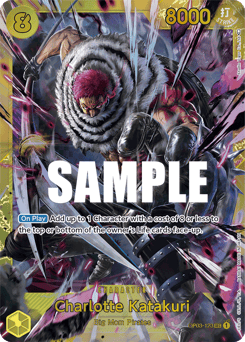 |
Charlotte Katakuri #OP03-123 Pillars of Strength (2023) |
$990.00 | — | — |
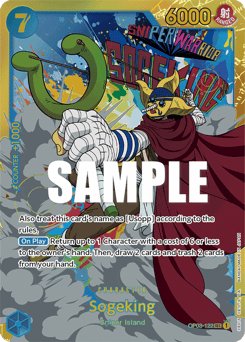 |
Sogeking #OP03-122 Pillars of Strength (2023) |
$960.59 | — | — |
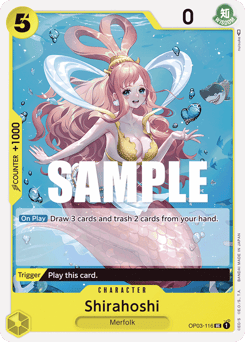 |
Shirahoshi #OP03-116 Pillars of Strength (2023) |
$699.64 | — | — |
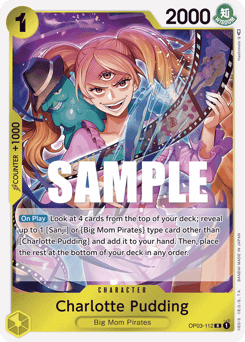 |
Charlotte Pudding #OP03-112 Pillars of Strength (2023) |
$514.71 | — | — |
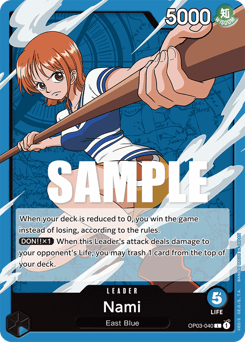 |
Nami #OP03-040 Pillars of Strength (2023) |
$248.37 | — | — |
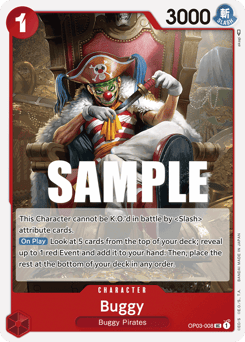 |
Buggy #OP03-008 Pillars of Strength (2023) |
$143.94 | — | — |
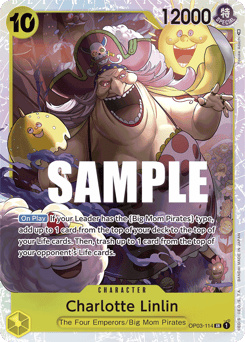 |
Charlotte Linlin #OP03-114 Pillars of Strength (2023) |
$89.88 | — | — |
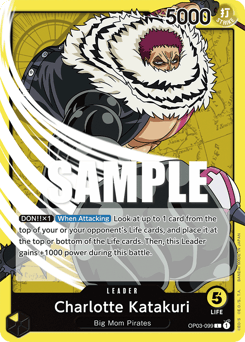 |
Charlotte Katakuri #OP03-099 Pillars of Strength (2023) |
$85.37 | — | — |
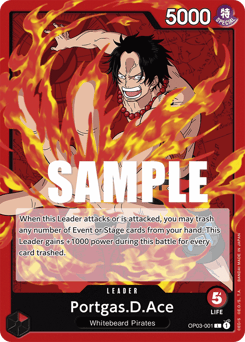 |
Portgas.D.Ace #OP03-001 Pillars of Strength (2023) |
$80.86 | — | — |
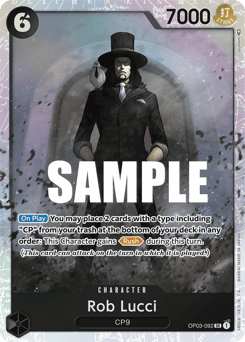 |
Rob Lucci #OP03-092 Pillars of Strength (2023) |
$66.19 | — | — |
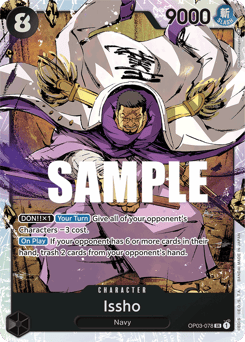 |
Issho #OP03-078 Pillars of Strength (2023) |
$40.38 | — | — |
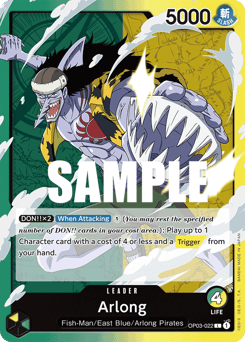 |
Arlong #OP03-022 Pillars of Strength (2023) |
$39.79 | — | — |
Look up any card's current raw and graded value in Midpoint — and get an estimated grade before you pay to submit.
Table of Contents
- Section 1: Overview of Pillars of Strength One Piece Cards Value
- Section 2: Most Valuable Chase Cards and Manga Rares
- Section 3: Raw vs PSA-Graded Values and Grading Premiums
- Section 4: Full Set Checklist with Prices and Rarities
- Section 5: English vs Japanese Boxes and Sealed Product ROI
- Section 6: Pull Rates and Rarity of Alt Arts, SECs, and Manga Rares
- Section 7: Condition, Edition, and Printing Differences Affecting Value
- Conclusion
- FAQ
Section 1: Overview of Pillars of Strength One Piece Cards Value
The Pillars of Strength One Piece card set, officially released in 2023 as the OP-03 expansion, has become a notable collection within both the One Piece fandom and the broader trading card community. This set combines popular character artwork, rare chase cards, and manga rare cards, resulting in a marketplace with a range of card values.
Current Market Snapshot
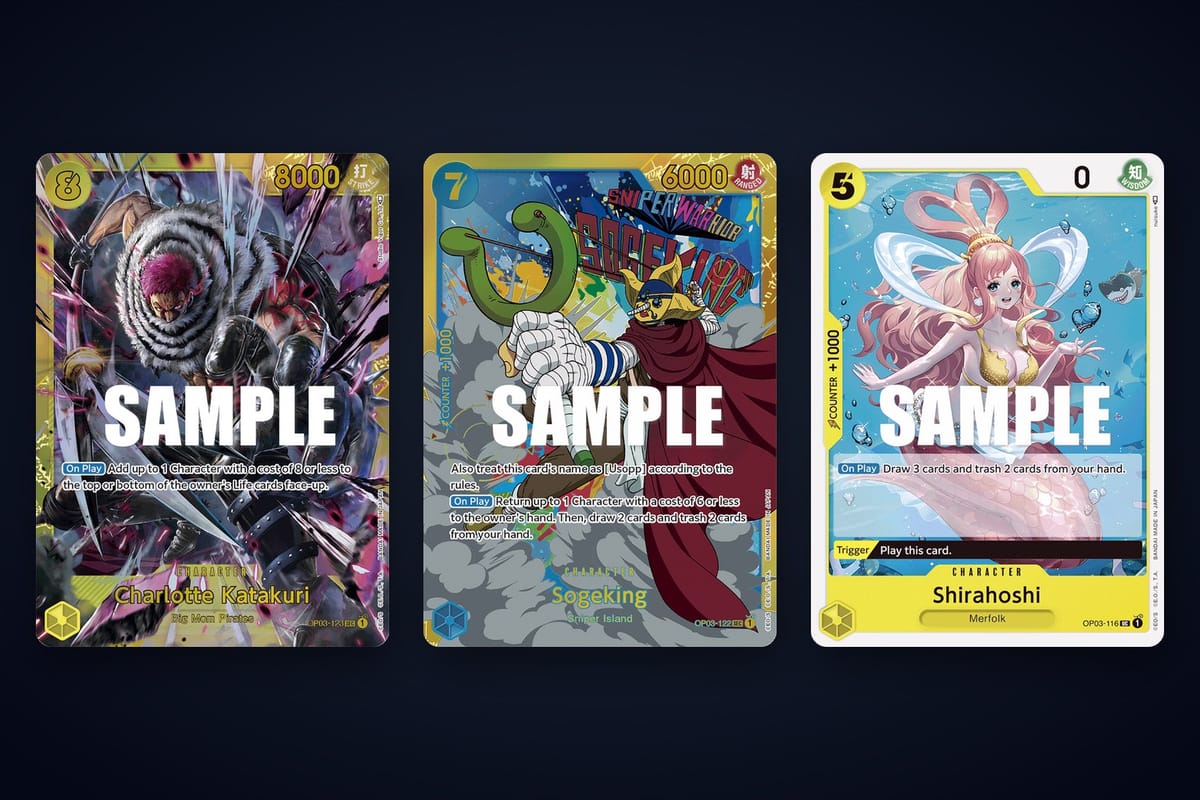
As of mid-2026, the Pillars of Strength set’s market interest continues, driven by several standout cards. For example, the Sogeking manga rare OP03-122 is among the highest-value cards in raw condition, often trading around $350 in the secondary market. When graded PSA 10, this card’s value can increase significantly, with some sales reported above $1,000, reflecting a premium attributed to the gem mint designation and rarity.
Alongside the Sogeking manga rare, chase cards featuring characters such as Nami, Rob Lucci, and Luffy also tend to command premium prices, showing strong demand in both raw and graded conditions. These cards benefit from limited print runs and character popularity, making them sought after by collectors and investors. For collectors interested in broader collecting strategies, our TCG Card Collecting: The Ultimate Guide for 2026 Collectors offers comprehensive insights.
Using AI Tools for Accurate Valuation
Given the wide value range across the set, precise assessment of each card’s condition and centering is important before investing in grading fees. Midpoint offers an AI-powered digital grading platform capable of analyzing key condition factors including centering accuracy, corner sharpness, edge wear, and surface quality with detailed precision.
This tool estimates grades across major grading companies such as PSA, Beckett Grading Services (BGS), Certified Guaranty Company (CGC), and TAG, providing collectors with pre-grade insights. This capability helps users identify which specific Pillars of Strength cards merit grading investment, potentially avoiding unnecessary grading expenditures on lower-grade candidates. For more on grading, see our detailed Card Grading: How It Works, What to Know, and When It's Worth It guide.
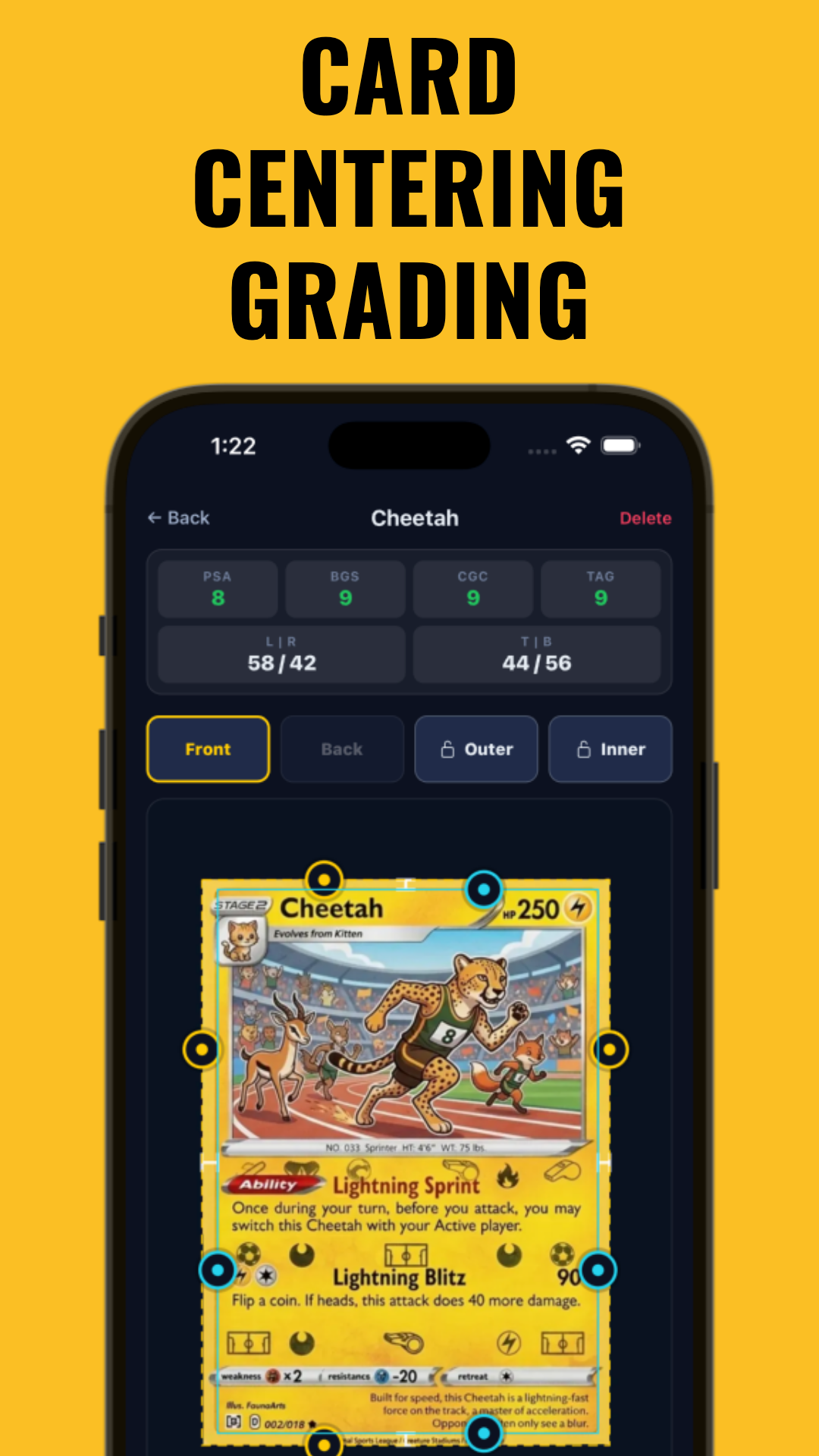
By leveraging Midpoint’s centering measurement and digital grading interface, collectors can preview their cards’ gem-grade potential with improved accuracy, which may increase submission success rates and maximize return on investment.
Section 2: Most Valuable Chase Cards and Manga Rares
Within the Pillars of Strength set, chase cards and manga rares are among the most sought-after targets for collectors. Recognizing which cards lead the market can guide collecting efforts and investment decisions.
Sogeking Manga Rare OP03-122
The Sogeking manga rare OP03-122 is a key card in the set’s value hierarchy. Raw copies of this card often sell for around $350, while PSA 10 graded copies have been reported to fetch prices exceeding $1,000. This premium reflects the card’s manga rare status combined with the appeal of the Sogeking character.
This card’s rarity is highlighted by its scarcity in packs, with pull rates estimated to be low, making it a prized find for collectors. The combination of rarity, character popularity, and limited availability supports its market position.
Top Chase Cards: Nami, Rob Lucci, and Luffy
- Nami chase card: Raw market prices often average around $180, with PSA 10 graded copies sometimes reaching prices near $600, reflecting a notable grading premium.
- Rob Lucci chase card: Trades at approximately $160 raw and up to around $550 for PSA 10 grades.
- Luffy chase card: Typically valued at about $140 raw, with PSA 10 copies reaching approximately $500.
These chase cards benefit from fan followings and limited print availability. Their value is supported by demand from collectors seeking to complete the set or invest in cards with appreciation potential.
Other Valuable Cards to Watch
Beyond the marquee chase cards and manga rares, several alternate art (alt art) and secret rare (SEC) cards offer moderate value, especially in high-grade conditions. While they may not reach the highest values of Sogeking or Nami, these cards maintain market interest due to their unique artwork and relative scarcity. Collectors may consider these cards for grading when they exhibit strong centering and minimal surface defects.
Section 3: Raw vs PSA-Graded Values and Grading Premiums
The difference in value between raw and PSA-graded Pillars of Strength cards is an important factor for collectors and investors. Professional grading authenticates the card and often increases its market value, particularly when the card achieves gem mint status.
Understanding Grading Premiums
As of mid-2026, the premium for PSA 10 graded Pillars of Strength cards generally ranges from about 2.5x to 4x the price of raw cards, depending on the specific card and market conditions. For example:
- Sogeking manga rare: Raw price around $350 vs PSA 10 over $1,000 (approximately 3x premium)
- Nami chase card: Raw around $180 vs PSA 10 near $600 (about 3.3x premium)
- Rob Lucci chase card: Raw about $160 vs PSA 10 near $550 (around 3.4x premium)
Lower grade PSA cards (grades 8 or 9) generally show smaller premiums but still tend to outperform ungraded raw cards. This makes grading a consideration for cards with potential for high grades.
Factors Influencing Grading Value
- Centering: Cards with centering within approximately 55/45 to 60/40 ratios tend to achieve higher grades and command better premiums. Even slight off-centering can reduce the grade by one or two points, impacting value.
- Surface and edges: Surface scratches, print defects, or edge wear can reduce the likelihood of gem grades and lower market value.
- Edition and printing: First edition or early print runs may command higher prices due to scarcity and collector preference.
Using Midpoint’s AI-powered grading analysis allows collectors to estimate these grading parameters upfront with objective metrics, enabling targeted grading submissions focused on cards with the highest gem-grade potential and return on investment.
Section 4: Full Set Checklist with Prices and Rarities
Collecting the complete Pillars of Strength One Piece set involves acquiring over 100 unique cards spanning various rarity tiers, including commons, uncommons, rares, chase cards, secret rares, and manga rares. Each rarity category carries distinct value implications and collector demand.
Rarity Breakdown
- Commons and Uncommons: These cards generally hold low raw market value, typically ranging from $1 to $5. They may exhibit minimal premiums upon grading unless in pristine condition and exceptionally well-centered.
- Rares: Mid-tier cards generally valued between $10 and $50 raw. They can see moderate grading premiums, especially if the card features popular characters or unique artwork.
- Chase and Secret Rares: These cards are often valued at $100 or more in raw condition, with grading premiums sometimes exceeding 2.5x the raw price. Their scarcity and desirability among collectors elevate their market value.
- Manga Rares: The ultra-rare tier, these cards command the highest prices both raw and graded, such as the Sogeking manga rare.
Key Cards and Their Prices
Below are some notable cards in the set with approximate values:
- Luffy chase card: Around $140 raw / $500 PSA 10
- Nami chase card: Around $180 raw / $600 PSA 10
- Rob Lucci chase card: Around $160 raw / $550 PSA 10
- Sogeking manga rare: Around $350 raw / $1,000+ PSA 10
Collectors may prioritize chase cards and manga rares for grading investments due to their higher upside. Commons and uncommons are typically collected for completion unless they are in exceptional condition.
Section 5: English vs Japanese Boxes and Sealed Product ROI
The Pillars of Strength set was released in multiple language editions, with English and Japanese being the primary markets. Box collectors and investors often consider which language edition offers better sealed product return on investment (ROI).
Japanese Boxes: Higher Demand and ROI
Japanese boxes often command higher prices on the secondary market. This premium is influenced by factors such as print quality, exclusivity of certain chase cards, and collector preference within the Japanese market. As of mid-2026, sealed Japanese boxes have been observed to show ROI estimates ranging between 25% and 35% above retail prices.
This elevated ROI is primarily fueled by the scarcity of chase cards, such as manga rares, that may be more prevalent or exclusively released in the Japanese version. The appeal of owning sealed Japanese boxes extends to long-term investors seeking appreciation potential.
English Boxes: Larger Print Runs, Lower Premiums
English boxes benefit from wider distribution and larger print runs, making them more accessible but resulting in comparatively lower sealed value premiums. The average ROI for English sealed boxes is estimated between 10% and 15%, which remains attractive for new collectors or those primarily interested in acquiring raw cards for set completion.
Investment Considerations
- Japanese boxes are generally preferred for collectors with a higher risk tolerance seeking long-term appreciation and exclusivity.
- English boxes suit collectors prioritizing affordability, accessibility, and acquiring raw cards for playing or completing the set.
For collectors interested in best practices for storing and protecting these valuable sealed products, refer to our ultimate collector’s guide, which covers environmental controls, protective casing, and optimal storage solutions.
Section 6: Pull Rates and Rarity of Alt Arts, SECs, and Manga Rares
The excitement of pulling rare cards from packs is a major driver of collector enthusiasm in the Pillars of Strength set. Understanding the pull rates and rarity of different card categories provides insight into their market value and scarcity.
Alt Arts and Secret Rares (SECs)
- Alternate arts (alt arts) appear approximately once every 70-75 packs, making them moderately rare. Their unique artwork and limited print run contribute to consistent demand and premium prices.
- Secret rares (SECs) are rarer, appearing around once every 140-150 packs. Their scarcity and distinctive aesthetics elevate their desirability among collectors.
- Both alt arts and secret rares often command strong premiums over commons and rares, especially in gem mint condition.
Manga Rares
Manga rares, such as the coveted Sogeking OP03-122, represent the rarest card subset in the set. Pull rates for manga rares are estimated to be below 1:300 packs, underscoring their scarcity and supporting their higher price and grading premiums.
Impact on Market Prices
The low pull rates for these rarities generate scarcity-driven demand, pushing secondary market prices upward, particularly for PSA 10 graded copies. Collectors and investors should carefully balance the rarity factor against the card’s condition and potential grading outcomes before committing to grading fees.
Section 7: Condition, Edition, and Printing Differences Affecting Value
Beyond rarity, nuanced factors such as card condition, centering precision, edition, and specific printing runs influence the pillars of strength one piece cards value. These subtleties can affect market pricing and grading outcomes.
Condition Nuances
- Centering: Midpoint’s digital centering tool provides detailed accuracy, measuring the exact centering ratio of the card’s image relative to edges. Cards with centering ratios close to perfect (e.g., 50/50 to 55/45) are favored for PSA 10 grades and command higher prices.
- Surface: Surface quality includes print clarity, absence of scratches, scuffs, staining, and print defects. Even minor surface imperfections can downgrade a card’s grade and reduce market value.
- Edges and Corners: Sharp, clean edges and crisp corners are important for achieving top grades. Rounded or damaged corners, edge nicks, or whitening detract from condition quality.
Edition and Printing Variants
First edition prints and early print runs may command a price premium over later editions due to limited availability and collector preference for first releases. Verifying edition markings and print codes is important when assessing card value, as some reprints or later printings may be less desirable.
Using AI Grading to Assess Condition
AI-powered grading applications like Midpoint enable collectors to pre-grade cards and precisely measure centering before submitting cards to professional grading services such as PSA, BGS, or CGC. This approach helps reduce costly grading errors by filtering out cards unlikely to achieve gem mint status, thus maximizing the return on grading submission fees.
For an overview of pre-grading techniques and best practices, visit our guide How to Pre-Grade Your Card, which covers step-by-step instructions on evaluating centering, surface, edges, and corners using both manual and AI-assisted methods.
Conclusion
The pillars of strength one piece cards value landscape offers opportunities for collectors and investors but requires understanding of card rarity, condition, grading premiums, and market trends. The set’s high-value assets—including the Sogeking manga rare and top chase cards like Nami, Rob Lucci, and Luffy—present prospects for those who leverage precise grading tools and current market data.
Employing Midpoint’s AI digital grading and card centering tools can improve grading submission outcomes by providing objective, data-driven insights into a card’s gem-grade potential. This enables collectors to better identify which Pillars of Strength cards merit grading investment, thereby maximizing collection value.
Whether your focus is on raw card acquisition, sealed box investments, or accumulating high-grade graded copies, an informed and strategic approach grounded in precise condition assessment and market knowledge can help optimize success in this dynamic set.
FAQ
Q: What is the most valuable card in Pillars of Strength?
A: The Sogeking manga rare OP03-122 is generally considered the most valuable card, with raw prices around $350 and PSA 10 graded values reported above $1,000 as of mid-2026.
Q: How much is Sogeking manga rare OP03-122 worth raw and graded?
A: Raw Sogeking manga rares typically sell for approximately $350, while PSA 10 graded copies have been reported to command prices exceeding $1,000, reflecting a grading premium driven by rarity and condition.
Q: Are Japanese Pillars of Strength boxes worth more than English boxes?
A: Japanese boxes generally have a higher sealed product ROI (estimated 25-35%) compared to English boxes (estimated 10-15%) due to factors such as print quality, exclusivity, and collector demand.
Q: What are the rarest cards to pull in OP-03 Pillars of Strength?
A: The rarest pulls are the manga rares like Sogeking OP03-122, with pull rates estimated below 1:300 packs. They are followed by secret rares (SEC) appearing approximately once every 140-150 packs, and alternate arts (alt arts) at about 1:70-75 packs.
Q: How much do PSA 10 Pillars of Strength cards sell for?
A: PSA 10 values vary; top chase cards such as Nami and Rob Lucci often range from $500 to $600, while the Sogeking manga rare can reach prices above $1,000 depending on market conditions.
Q: Which Pillars of Strength cards are best to invest in right now?
A: Investment opportunities currently include manga rares, top chase cards like Nami, Rob Lucci, and Luffy, as well as sealed Japanese boxes, all of which have shown strong value appreciation and grading premiums.
For more expert grading insights and tools to track your One Piece collection’s value, visit Midpoint.
Free to start
Try the Midpoint app
Grade any card from a photo, see its raw and PSA 10 value, and track what your collection is worth — free.
Get it on iPhoneGet it on Android