Sun & Moon Promos Pokémon Cards Value: Ultimate Price & Grading Guide
Discover the definitive Sun & Moon Promos Pokémon cards value guide, top cards, PSA 10 prices, and which promos are worth grading and collecting.

Estimated reading time: 15 min
Key Takeaways
- Sun & Moon Promos Pokémon cards vary in value based on rarity, condition, and grading, with some cards commanding premiums due to unique artwork or limited distribution.
- Some of the more valuable promos include Pikachu variants, Clefairy, Psyduck, Eevee, Mimikyu, and Team Skull Pikachu, with specific print runs and variants influencing demand.
- PSA 10 graded cards often show price premiums compared to raw Near Mint cards, sometimes 2-4 times the value, influenced by population reports and gem-rate difficulty.
- Japanese promos can sometimes command higher prices due to regional scarcity, print differences, and exclusive event distributions, occasionally fetching premiums over English versions.
- Using tools like Midpoint can help estimate grading and centering before costly submissions, potentially reducing risk and maximizing return on grading investments.
Card values — live data from Midpoint's card database, as of 2026-10-25. Prices move; Midpoint refreshes these daily.
| Card | Raw | PSA 10 | Gem premium | |
|---|---|---|---|---|
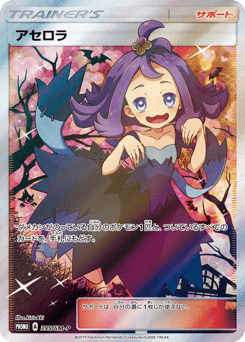 |
アセロラ #395/SM-P Sun & Moon Promos (2016) |
— | $27,088 | — |
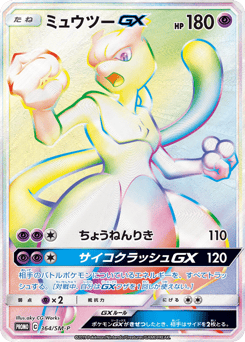 |
ミュウツーGX #364/SM-P Sun & Moon Promos (2016) |
— | $24,903 | — |
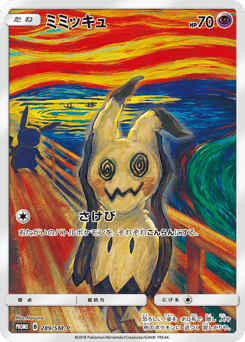 |
ミミッキュ #289/SM-P Sun & Moon Promos (2016) |
$2,679 | $20,400 | 7.6× |
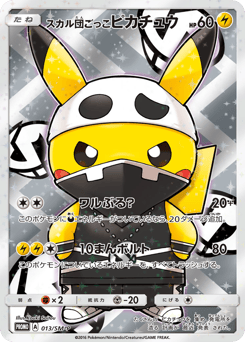 |
スカル団ごっこピカチュウ #013/SM-P Sun & Moon Promos (2016) |
— | $15,591 | — |
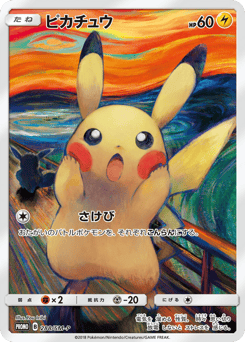 |
ピカチュウ #288/SM-P Sun & Moon Promos (2016) |
— | $13,354 | — |
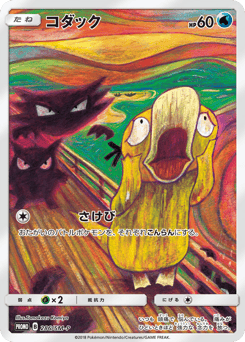 |
コダック #286/SM-P Sun & Moon Promos (2016) |
$2,551 | $10,927 | 4.3× |
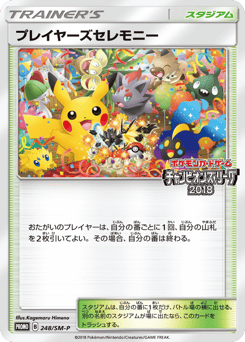 |
プレイヤーズセレモニー #248/SM-P Sun & Moon Promos (2016) |
— | $7,905 | — |
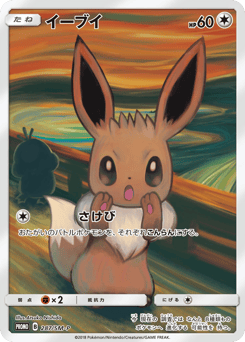 |
イーブイ #287/SM-P Sun & Moon Promos (2016) |
$1,658 | $5,619 | 3.4× |
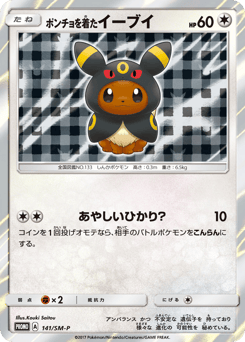 |
ポンチョを着たイーブイ #141/SM-P Sun & Moon Promos (2016) |
$1,212 | $5,149 | 4.3× |
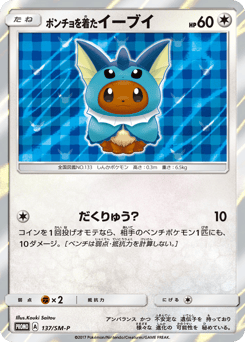 |
ポンチョを着たイーブイ #137/SM-P Sun & Moon Promos (2016) |
$1,148 | $4,815 | 4.2× |
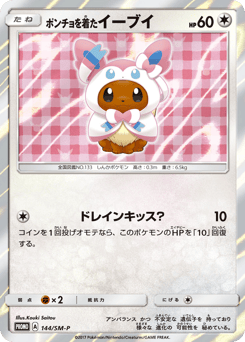 |
ポンチョを着たイーブイ #144/SM-P Sun & Moon Promos (2016) |
$1,148 | $4,212 | 3.7× |
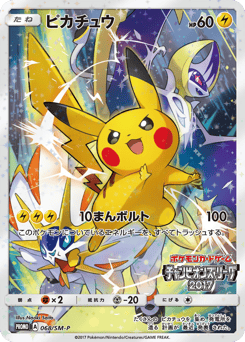 |
ピカチュウ #068/SM-P Sun & Moon Promos (2016) |
$2,296 | $4,003 | 1.7× |
Look up any card's current raw and graded value in Midpoint — and get an estimated grade before you pay to submit.
Table of Contents
- Section 1: Identifying Sun & Moon Promos and Their Numbering
- Section 2: Market Value Overview and Most Valuable Cards
- Section 3: PSA 10 Value and Grading Premiums
- Section 4: Raw vs Graded Prices, Variants, and Conditions
- Section 5: Japanese vs English Sun & Moon Promos
- Section 6: Tips for Collecting, Buying, and Selling Sun & Moon Promos
- Conclusion
- FAQ
Section 1: Identifying Sun & Moon Promos and Their Numbering
Understanding the Promo Numbering System
Sun & Moon Promos Pokémon cards are identified primarily by their unique collector numbers, which typically follow the format SM001 through SM#### for English promos, and SM-P for Japanese variants. These numbers help collectors and sellers accurately pinpoint each card when referencing price guides or listings.
For example, the popular Clefairy SM48 and Psyduck SM49 appear early in the numbering sequence, while later promos like Team Skull Pikachu SM170 and Mimikyu SM160 are among the later releases. This numbering is useful when differentiating between English and Japanese printings, as the latter often adds a "P" prefix or suffix to the numbering.
Additionally, collectors should be aware that the numbering system also indicates the release order and can sometimes hint at card rarity. Early promos such as SM001 to SM050 often have more print runs but some also carry unique artworks making them desirable. Later promos, especially those tied to special events or collaborations, may have limited prints regardless of numbering.
How to Spot Genuine Sun & Moon Promo Cards
- Promo logo: Authentic cards carry the official "Promo" badge, typically in the lower right or left corner, depending on the card. This logo is distinct and consistent in placement and style across the Sun & Moon promo series.
- Card text and layout: Sun & Moon promos maintain consistent typography and holographic patterns unique to this series. For instance, font style, energy symbols, and HP indicators adhere to design standards. Deviations may indicate counterfeit or altered cards.
- Centering & edges: Good centering and clean edges help confirm authenticity and increase grading value. Off-centered cards or those with uneven borders may be genuine but will have reduced value.
- Holographic patterns: Sun & Moon promos often feature specific holofoil styles such as rainbow foiling or star patterns that differ from regular set cards. Familiarity with these patterns aids in identification.
Using Midpoint allows collectors to digitally verify centering and condition before investing in physical grading, potentially minimizing the risk of overpaying for low-grade cards. Midpoint's AI-driven analysis provides percentages for top, bottom, left, and right centering, helping determine if a card meets grading thresholds—for example, PSA considers centering between 55/45 to 60/40 as acceptable for higher grades.
English vs Japanese Promo Numbering Differences
Japanese Sun & Moon Promos typically carry the "SM-P" identifier, while English promos use "SM" followed by a three-digit number. This distinction is important because even identical artwork can have differing values based on print region, rarity, and collector demand.
Moreover, Japanese promos sometimes include unique numbering suffixes or prefixes indicating event exclusivity or limited prints (e.g., SM-P 001). Collectors should note that the Japanese variants often have different back card text language and may feature alternate holographic treatments, making them distinct and sometimes more collectible.

Section 2: Market Value Overview and Most Valuable Cards
Complete Set Value
As of 2026-10-25, the complete Sun & Moon Promos set is estimated to have a market value roughly between $1,200 to $1,500 in raw Near Mint condition. This estimate can fluctuate based on market demand and card condition. Collecting the full promo set remains popular due to the variety of fan-favorite Pokémon and the exclusivity of some printings.
The set comprises over 170 unique promos, including several variants and special editions. Completionists often seek to acquire all English promos along with key Japanese variants, which can significantly increase total investment. The market for complete sets sees seasonal fluctuations, often peaking around major Pokémon anniversaries or when related video games or media releases boost interest.
Top Most Valuable Sun & Moon Promos Cards
- Pikachu Variants (e.g., SM170 Team Skull Pikachu): These cards are popular, with raw Near Mint values around $100 and PSA 10 graded values often higher. Limited print runs, unique artwork, and association with popular Pokémon lore drive demand.
- Clefairy SM48: A nostalgic favorite, raw copies may go for roughly $60, while PSA 10 graded examples can command higher prices. This card's popularity is amplified by its distinctive artwork and role in the franchise history.
- Psyduck SM49: Valued around $50 raw, Psyduck promos remain popular for their unique artwork and collector nostalgia.
- Eevee SM154: A versatile collectible with raw prices near $45, reflecting steady demand among collectors.
- Mimikyu SM160: This promo can fetch around $70 raw and more when graded. Its design and popularity contribute to its desirability.
Other Notable High-Value Cards
Cards like the Team Skull Pikachu SM170 and staff or prerelease versions also attract premium prices due to scarcity and special distribution. Variants with reverse holo or special edition foiling often add additional value. For instance, a reverse holo Psyduck SM49 can sell for more than its standard holo counterpart.
Staff promos, often distributed only to tournament staff or event organizers, are especially rare. Prerelease promos, given before official set launches, sometimes feature unique stamps or foiling, making them prized among collectors. These variants can command prices above their standard promo equivalents.
Section 3: PSA 10 Value and Grading Premiums
Understanding PSA 10 Value Premiums
Sun & Moon Promos cards graded PSA 10 (Gem Mint) often command a premium ranging from about 2x to 4x their raw Near Mint prices. This premium depends on factors like centering, surface quality, corner sharpness, and edge wear. For example, the Clefairy SM48 may sell raw at $60 but can reach higher prices when graded PSA 10.
Collectors and investors often target PSA 10 grades because they represent the pinnacle of card condition, which is especially important for promos that may have been handled or stored less carefully. The grading premium reflects buyer confidence in card authenticity and preservation, as well as the reduced risk of defects.
Population Reports and Gem-Rate Effects
- Population density: Cards with fewer PSA 10 submissions generally have higher premiums due to scarcity. For example, the Pikachu SM170 has a relatively low population of PSA 10s, making those graded examples more sought-after and potentially more expensive.
- Gem-rate impact: Cards that are difficult to grade at PSA 10, such as some holo promos with foil cracking or centering challenges, often have higher market value. This scarcity of perfect grades can elevate price points.
- Examples: The Pikachu SM170 is known for its challenging centering, so its PSA 10 population remains low, which can amplify its value. Similarly, Mimikyu SM160 has a lower gem-rate due to foil imperfections, potentially increasing PSA 10 premiums.
- Submission strategy: Collectors often use AI tools like Midpoint to pre-assess centering and surface flaws, optimizing their chances of achieving PSA 10 and avoiding costly rejections or low grades.
Other Grading Companies and Comparisons
While PSA is the most recognized, BGS (Beckett Grading Services), CGC (Certified Guaranty Company), and TAG Grading also offer services that impact market prices. BGS is known for subgrades, allowing detailed insight into centering, edges, corners, and surface, which can sometimes command premiums over PSA. CGC has gained popularity due to quicker turnaround and competitive pricing.
Midpoint’s AI grading estimates can predict your card’s grade across these companies, aiding collectors in choosing the best submission path. For example, a card with excellent centering but minor surface wear might score differently between PSA and BGS, informing which grading service to use. For a deeper dive, check the grading scale differences by company.
Section 4: Raw vs Graded Prices, Variants, and Conditions
Price Differences by Condition
Card condition significantly affects Sun & Moon Promos Pokémon cards value. Raw Near Mint cards sell at a baseline price, but those with visible wear, creases, or centering issues typically drop in value. Conversely, graded cards, especially PSA 9 and 10, can fetch multiples of raw prices.
For example, a Clefairy SM48 in Excellent condition with minor edge wear might sell for 40-50% of the Near Mint raw price, whereas a PSA 9 graded card can be worth around 75-85% of a PSA 10 price, reflecting the value drop-off from lower grades. Knowing this price scaling helps collectors decide if grading is cost-effective.
Variants Affecting Value
- Reverse Holo: Some promos have reverse holo finishings, which can add value. For instance, an Eevee SM154 reverse holo may command a premium due to its aesthetic appeal and relative scarcity.
- Staff and Prerelease Editions: These rare distribution variants can increase the base value. Staff promos often have a distinct stamp or foil treatment, and prerelease cards are prized for their early release status.
- Special Editions: Limited print runs or event-exclusive promos often command collector premiums. Cards handed out at conventions, tournaments, or collaboration events (e.g., Pokémon Center exclusives) can sell for more than standard promos.
- Misprints and Errors: Rare misprints, such as off-center foiling, color anomalies, or text errors on promos, can sometimes increase value among error collectors, though these are niche markets.
How to Accurately Estimate Your Card’s Value
Use up-to-date market sources like TCGplayer, eBay completed sales, and Cardmarket for recent pricing. Pay attention to sold listings rather than just asking prices to get realistic market values. Combining these with AI-powered tools like Midpoint helps confirm centering and surface quality, which directly influence value.
Step-by-step, collectors should:
- Identify the exact card and variant number (e.g., SM48 Clefairy).
- Check recent sold listings on multiple platforms to assess current market trends.
- Use Midpoint to analyze centering and surface condition digitally.
- Adjust price expectations based on condition (Near Mint, Excellent, Played, etc.).
- Consider grading costs and possible premiums if deciding to submit to PSA, BGS, or CGC.
Section 5: Japanese vs English Sun & Moon Promos
Regional Rarity and Distribution
Japanese Sun & Moon Promos tend to be less common outside Japan, with limited print runs and distribution mostly through events or promotional campaigns. This scarcity can translate to higher collector demand and pricing internationally, despite sometimes lower raw sales volume in Japan.
For example, some Japanese promos were only available at specific events like Pokémon Center openings or limited-time campaigns, with print runs in the low thousands or less. English promos generally have larger print runs due to wider distribution, thus lower scarcity. Collectors outside Japan sometimes pay premiums to acquire these Japanese versions.
Print and Design Differences
- Card numbering: Japanese promos use "SM-P" codes, differing from the English "SM" system. This helps identify print origin.
- Language and text: Japanese text and sometimes alternate art or holographic styles distinguish these promos. For example, the font for Pokémon names and abilities follows Japanese typographic standards, and some cards have unique kanji or katakana energy symbols.
- Authentication: Checking authenticity involves examining the holo pattern, font, and official Pokémon logo placement. Japanese promos might use a different holofoil pattern with subtle variations in gloss or reflectiveness compared to English promos.
- Alternate arts: Some Japanese promos feature artwork or foiling not present in English versions, adding to their collectibility.
Market Value Comparison
While English promos generally have more sales volume and thus more stable pricing, Japanese promos can sometimes fetch premiums for identical cards in near mint or graded condition. For highly sought-after cards like Pikachu SM-P170, this premium may be more pronounced due to scarcity and collector preference.
Additionally, Japanese graded cards sometimes receive different population report counts and gem rates, influencing pricing. For instance, a PSA 10 Japanese Pikachu SM-P170 might be rarer than its English counterpart, potentially pushing prices higher.
Section 6: Tips for Collecting, Buying, and Selling Sun & Moon Promos
When to Buy or Sell Sun & Moon Promos
Buying during market dips or off-peak seasons can yield better prices. For example, immediately after a new set release or during holiday seasons when sellers increase listings, prices may temporarily drop. Conversely, selling high-demand promos like Mimikyu SM160 or Team Skull Pikachu SM170 at peak interest—such as during anniversaries or related media releases—may maximize returns.
Monitoring market trends and news, such as Pokémon game launches or competitive play events featuring certain Pokémon, can provide timing advantages. For instance, when Mimikyu was featured prominently in a popular tournament, its promo prices increased.
Which Promos Are Worth Grading?
- Cards with near-perfect centering, sharp corners, and clean surfaces—these have the highest potential to achieve PSA 10 or equivalent grades.
- Top-value promos such as Clefairy SM48, Pikachu SM170, and Mimikyu SM160, as these often show the greatest price jump when graded.
- Rare distribution variants and special editions, where grading authenticates and preserves scarcity.
- Cards exhibiting unique characteristics like reverse holo or special foiling that can be confirmed and valued higher when graded.
Using AI grading tools like Midpoint before submission can reduce grading fees wasted on low-grade cards. Midpoint's analysis of centering and surface quality allows you to pre-screen and select the best candidates, increasing the probability of high grades and return on investment. Learn more on how to pre-grade your card.
Storing and Protecting Your Collection
Proper storage helps prevent condition degradation, preserving value. Use protective sleeves (penny sleeves), rigid top loaders, and binders with archival-quality pages to avoid scratches and bends. Store cards vertically to prevent warping and keep them in a cool, dry place away from direct sunlight.
Humidity levels should ideally be between 30-50%, and temperature stable to avoid card warping or mold. Avoid excessive handling; when necessary, handle cards by the edges with clean hands or gloves to prevent oils and dirt transfer. For comprehensive strategies, visit How to Store Valuable Cards: The Ultimate Collector's Guide.
Conclusion
The Sun & Moon Promos Pokémon cards represent a collectible category influenced by rarity, condition, and grading. Key cards like Pikachu variants, Clefairy, and Mimikyu are among those that often lead the market in price, especially when graded PSA 10. Understanding the differences between English and Japanese promos, as well as how grading impacts value, can help collectors make informed decisions when buying, selling, or holding.
Advanced tools like Midpoint offer AI-backed digital grading and centering analysis, helping estimate card value before costly grading submissions. Whether building a complete set or investing in single high-value promos, this guide provides insights to navigate the Sun & Moon Promos market effectively.
FAQ
Q: What is the most valuable Sun & Moon Promo Pokémon card?
A: Some of the most valuable Sun & Moon Promo cards include Pikachu variants like Team Skull Pikachu SM170, which can reach higher PSA 10 prices as of 2026-10-25. Variants with special foiling or limited distribution may command higher prices.
Q: How much is a complete Sun & Moon Promos set worth?
A: A complete raw Near Mint set of Sun & Moon Promos is estimated around $1,200 to $1,500, depending on market conditions and card states. Including Japanese variants or graded copies can increase the total value.
Q: Are Japanese Sun & Moon Promos worth more than English versions?
A: Japanese promos can sometimes command a premium due to scarcity and regional exclusivity, especially in graded condition. Some high-demand Japanese promos may exceed this premium based on rarity.
Q: What are the most expensive Sun & Moon Promo cards?
A: Beyond Pikachu variants, cards like Clefairy SM48, Psyduck SM49, Eevee SM154, and Mimikyu SM160 are among the higher-priced promos. Staff and prerelease variants also often fetch premium prices.
Q: How much is a PSA 10 Sun & Moon Promo worth?
A: PSA 10 graded Sun & Moon Promos can be worth multiple times their raw Near Mint values; for example, Clefairy SM48 PSA 10 may sell near $180. The exact premium depends on gem-rate difficulty and population reports.
Q: How can I tell if my Sun & Moon Promo card is rare or valuable?
A: Check the card's promo number, distribution method, and condition, and use market price guides or AI grading tools like Midpoint to estimate rarity and value. Also, verify if it’s a special variant or regional print.
Free to start
Try the Midpoint app
Grade any card from a photo, see its raw and PSA 10 value, and track what your collection is worth — free.
Get it on iPhoneGet it on Android