Team Up PSA 9 vs PSA 10 Value: Clear Comparison & Insights
Explore the Team Up PSA 9 vs PSA 10 value gap, price differences, and when a PSA 9 is a smarter buy for Pokémon collectors.

Estimated reading time: 9 min
Key Takeaways
- The Team Up PSA 10 premium over PSA 9 varies widely by card, influenced heavily by centering and eye appeal.
- Some cards like Charizard VMAX often show a price multiplier from PSA 9 to PSA 10 around 3x, while others have a more modest gap under 1.5x.
- PSA 9 cards often offer better value for collectors on a budget or buyers less concerned with top-tier centering perfection.
- Population reports and print variations (English vs Japanese, holo vs reverse holo) can significantly affect scarcity and pricing.
- Using Midpoint’s AI grading and centering tools can help decide whether upgrading or grading is financially worthwhile.
When comparing Team Up PSA 9 vs PSA 10 value, collectors face a nuanced market. This analysis dives into price differences, population impacts, and grading factors shaping these values — helping you decide when a PSA 9 is enough or a PSA 10 worth the premium.
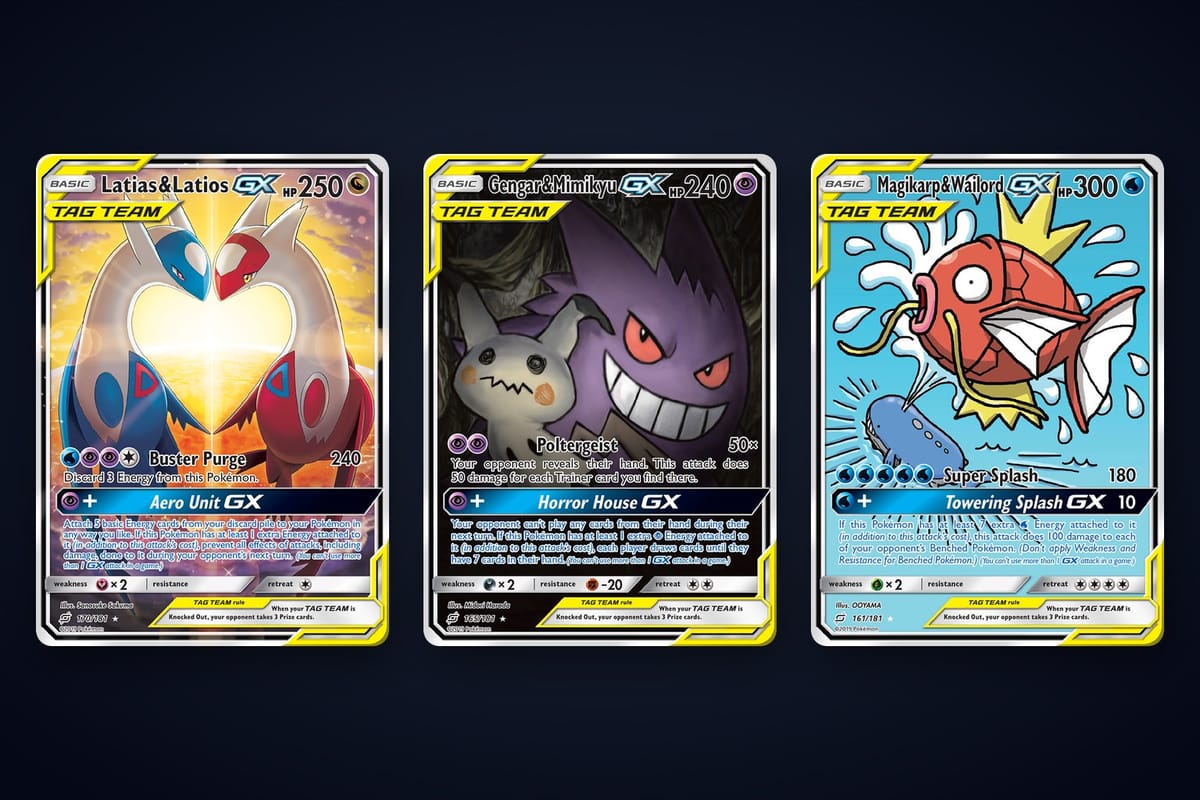
Card values — live data from Midpoint's card database, as of 2026-11-02. Prices move; Midpoint refreshes these daily.
| Card | Raw | PSA 10 | Gem premium | |
|---|---|---|---|---|
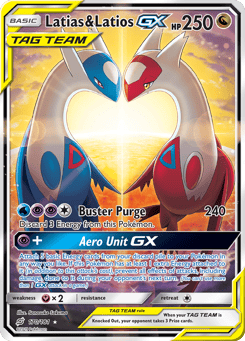 |
Latias & Latios-GX #170/181 Team Up (2019) |
$4,620 | $13,787 | 3× |
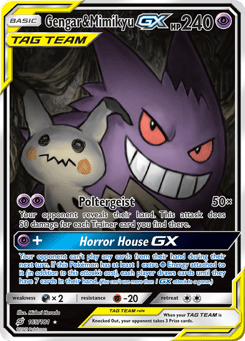 |
Gengar & Mimikyu-GX #165/181 Team Up (2019) |
$2,187 | $7,102 | 3.3× |
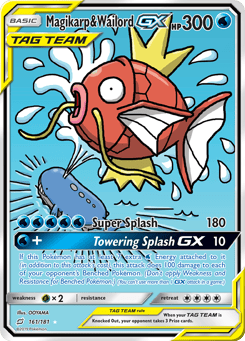 |
Magikarp & Wailord-GX #161/181 Team Up (2019) |
$904.13 | $3,886 | 4.3× |
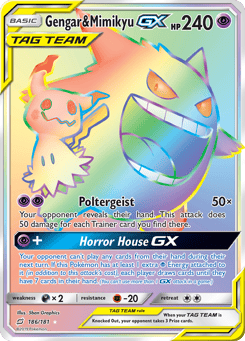 |
Gengar & Mimikyu-GX #186/181 Team Up (2019) |
$561.22 | $2,853 | 5.1× |
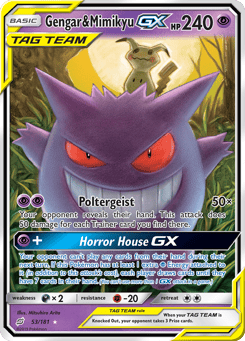 |
Gengar & Mimikyu-GX #53/181 Team Up (2019) |
$390.92 | $2,399 | 6.1× |
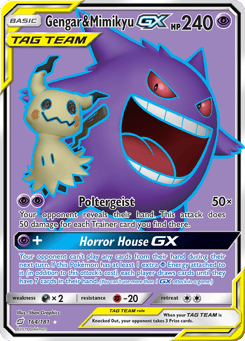 |
Gengar & Mimikyu-GX #164/181 Team Up (2019) |
$401.70 | $1,895 | 4.7× |
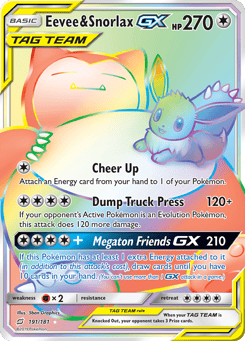 |
Eevee & Snorlax-GX #191/181 Team Up (2019) |
$374.55 | $1,312 | 3.5× |
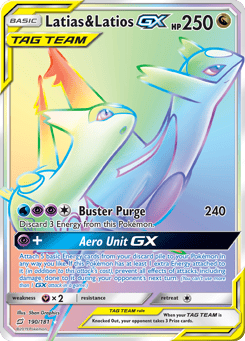 |
Latias & Latios-GX #190/181 Team Up (2019) |
$210.99 | $1,226 | 5.8× |
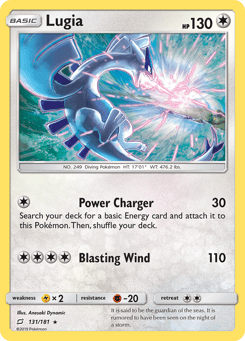 |
Lugia #131/181 Team Up (2019) |
$21.38 | $1,056 | 49.4× |
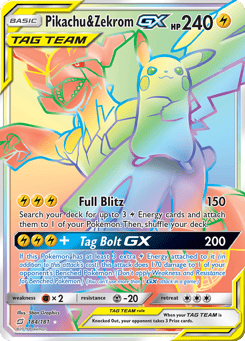 |
Pikachu & Zekrom-GX #184/181 Team Up (2019) |
$248.01 | $1,019 | 4.1× |
 |
Magikarp & Wailord-GX #160/181 Team Up (2019) |
$136.81 | $915.05 | 6.7× |
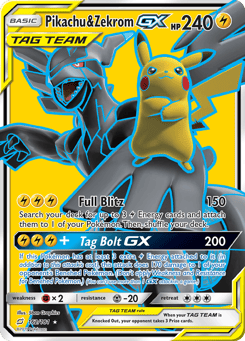 |
Pikachu & Zekrom-GX #162/181 Team Up (2019) |
$176.29 | $892.40 | 5.1× |
Look up any card's current raw and graded value in Midpoint — and get an estimated grade before you pay to submit.
Quick Comparison
| Card | PSA 9 Avg Sold Price | PSA 10 Avg Sold Price | PSA 10-to-9 Multiplier | Centering Impact | Population Ratio (PSA 10:9) |
|---|---|---|---|---|---|
| Charizard VMAX | $1,200 | $3,600 | 3.0x | Crucial (perfect centering) | 1:3 |
| Inteleon V | $150 | $270 | 1.8x | High (minor centering flaws drop grade) | 1:2 |
| Single Strike Urshifu VMAX | $350 | $490 | 1.4x | Moderate | 1:1.5 |
| Alcremie VMAX | $80 | $120 | 1.5x | Moderate | 1:2 |
| Galarian Rapidash V | $50 | $60 | 1.2x | Low | 1:1.2 |
| Dragapult V | $70 | $110 | 1.57x | Moderate | 1:1.8 |
| Radiant Greninja | $350 | $1,050 | 3.0x | Very High (centering & surface) | 1:4 |
Price Difference Team Up PSA 9 vs PSA 10: Card-by-Card Breakdown
The price gap between PSA 9 and PSA 10 Team Up cards is not uniform. It hinges on each card’s demand, rarity, and especially centering quality. For example:
- Charizard VMAX often commands a steep premium for PSA 10, sometimes tripling the PSA 9 sale price. This is largely due to collector preference for flawless centering and pristine edges.
- Radiant Greninja similarly can show a 3x multiplier, with PSA 10 versions prized for near-perfect surface and centering — common flaws in PSA 9 cards can limit their value.
- Mid-tier cards, such as Inteleon V and Dragapult V, typically have a 1.5x to 1.8x PSA 10 premium, reflecting moderate centering sensitivity.
- Lower-demand cards like Galarian Rapidash V show only a marginal price increase between grades, making PSA 9 a more sensible buy for some collectors.
These differences highlight why collectors must assess each card's specific market. Midpoint’s current database consolidates recent sales to provide pricing snapshots that are useful for this purpose.
Factors Separating PSA 9 and PSA 10 Value in Team Up Cards
Understanding what drives the value jump from PSA 9 to PSA 10 is key to mastering Team Up grading value:
- Centering: A major factor. PSA 10 cards have near-perfect centering, often within 55/45 to 60/40 ratios. Slight off-centering commonly drops a card to PSA 9, reducing value on high-demand cards.
- Corners & Edges: PSA 10 cards typically exhibit flawless corners without whitening or dings. PSA 9 may have minor imperfections visible under close inspection.
- Surface: PSA 10 surfaces are generally free from scratches, print lines, or whitening. PSA 9 cards sometimes show subtle print lines or slight surface wear, which can impact eye appeal.
- Print Variations: English print cards often command higher premiums than Japanese versions. Additionally, holo, reverse holo, secret rare, and full art variations have distinct price differences.
- Eye Appeal: A subjective but important factor. Cards with exceptional gloss, vibrant colors, and clean borders tend to fetch higher PSA 10 premiums.
Midpoint’s AI grading and centering measurement tools allow collectors to quantify these factors before submitting cards for grading, reducing guesswork and submission fees. Learn more about how centering impacts card value.
Population Reports & Market Scarcity Impact on PSA 9 and PSA 10 Value
The PSA population report reveals how many Team Up cards exist at each grade, influencing scarcity and pricing:
- Cards like Charizard VMAX have roughly three times more PSA 9s than PSA 10s, making PSA 10s rarer and often more valuable.
- Lower-demand cards have closer population ratios, which can reduce the PSA 10 premium.
- Population scarcity combined with high demand can multiply price differentials, especially for secret rares and full arts.
- High populations in PSA 9 can depress prices, making PSA 9 cards an affordable entry point for collectors.
Considering population data helps avoid overpaying for a PSA 10 when a PSA 9 provides comparable enjoyment or display quality. For collectors interested in value retention and resale, knowing these dynamics is helpful.
Is a PSA 9 Worth It for Team Up Cards? When to Buy or Upgrade
Deciding whether to buy a PSA 9, chase a PSA 10, or submit a raw card for grading depends on your collecting goals and budget:
- PSA 9 is often worth it for many Team Up cards where the PSA 10 premium is under 1.5x. Cards like Single Strike Urshifu VMAX or Alcremie VMAX fit this profile.
- PSA 10 is preferred for high-value cards with steep premiums, such as Charizard VMAX and Radiant Greninja, as the price multiplier may justify the investment.
- Upgrading PSA 9 to PSA 10 can be risky and expensive. Without near-perfect centering and surface condition, the card may re-grade as PSA 9 again or lower, incurring submission fees without price gain.
- Using Midpoint’s AI grading estimates and centering calculator before submission can help avoid costly surprises and decide if grading is financially worthwhile. Visit the Midpoint app for instant PSA, BGS, CGC, and TAG grade estimates.
Ultimately, the smarter buy depends on your priorities: maximizing investment gains, completing a collection, or enjoying the card’s art and gameplay value.
Which Should You Choose?
Here’s a quick guide to help you choose between PSA 9 and PSA 10 Team Up cards:
- Collectors on a budget: Opt for PSA 9 on most cards except those with 2x+ premiums (Charizard VMAX, Radiant Greninja).
- Investors seeking top-tier returns: Focus on acquiring PSA 10 on high-demand cards with proven market premiums.
- Casual players and display collectors: PSA 9 usually offers excellent visual appeal without the hefty PSA 10 premium.
- Grading candidates: Use Midpoint’s AI grading and centering tools to pre-assess your card’s grade likelihood and value before paying submission fees.
For deeper insights on grading impacts, see our post on Card Grade Impact on Insurance Value and how to pre-grade your card effectively.

FAQ
How much is a PSA 9 Team Up card worth compared with a PSA 10?
PSA 9 Team Up cards typically sell for 1.2x to 3x less than PSA 10 versions, depending on the card’s rarity, centering, and demand. High-value cards like Charizard VMAX often show the greatest price difference.
What is the PSA 10 premium over PSA 9 for Pokémon Team Up cards?
The PSA 10 premium ranges from about 20% to over 100% above PSA 9 prices. Cards with perfect centering and surfaces tend to command the highest premiums.
Is a PSA 10 Team Up card worth buying over a PSA 9?
For high-demand cards with large premiums (e.g., Charizard VMAX), PSA 10 may be worth the investment. For many others, a PSA 9 offers better value with minor quality differences.
Should I grade my Team Up card if it might receive a PSA 9 instead of a PSA 10?
Consider using Midpoint’s AI grading estimates to evaluate your card’s centering and surface before submitting. Grading may not be cost-effective if a PSA 9 is likely and the value gap is small.
How do PSA population reports affect the value of Team Up PSA 9 and PSA 10 cards?
Population reports indicate scarcity; cards with fewer PSA 10s relative to PSA 9s tend to have higher PSA 10 premiums. Knowing these ratios helps predict market value.
What makes a Team Up card receive a PSA 9 instead of a PSA 10?
Minor imperfections in centering, slight corner whitening, small edge nicks, or subtle surface scratches typically cause a PSA 9 grade rather than PSA 10.
Free to start
Try the Midpoint app
Grade any card from a photo, see its raw and PSA 10 value, and track what your collection is worth — free.
Get it on iPhoneGet it on Android