
Vintage Japanese Pokémon Cards Value: 11 Key Factors & Price Guide
Discover vintage Japanese Pokémon cards value: price guide, rarity, grading, most valuable cards, promos, and what drives high prices in 1996-2003 sets.

Estimated reading time: 13 min
Key Takeaways
- Vintage Japanese Pokémon cards (1996–2003) can be highly valuable, with some raw cards selling for $2,500+ and PSA 10s sometimes fetching even more.
- Value depends on rarity, condition, iconic characters, promos, and unique print features like errors or low print runs.
- Japanese cards are often noted for their print quality compared to English cards and can be worth more, especially for rare promos and select sets.
- Grading can make a significant difference; PSA 10s may sell for several times the raw value for rare cards.
- Knowing how to spot authenticity, print variations, and sealed product value is essential for collectors and sellers.
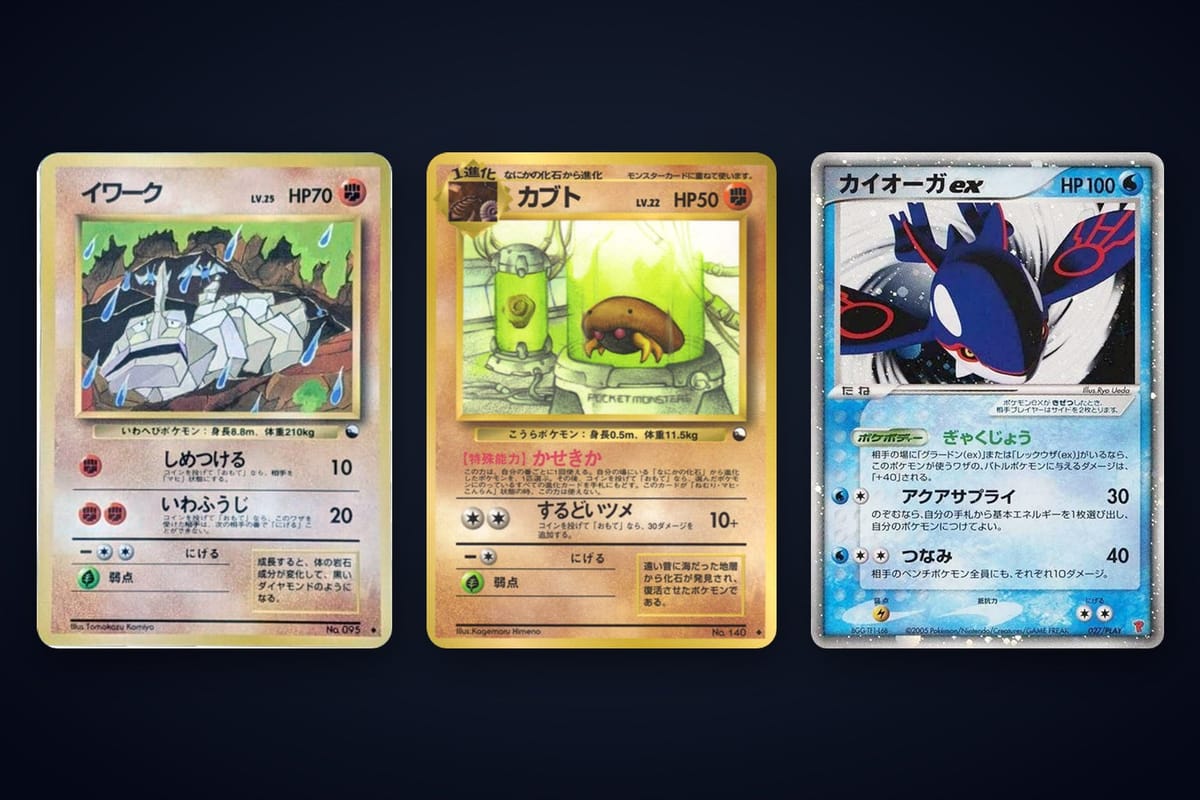
Vintage Japanese Pokémon cards value is a hot topic for collectors and investors. The original Japanese sets from 1996 to the early 2000s include some of the hobby’s rarest and most sought-after cards—often with different features, print quality, and even pricing dynamics compared to their English counterparts. Whether you’re eyeing the カブト from Expansion Sheet 2 or hunting down elusive promo cards, understanding what drives value is crucial. This guide covers the most valuable Japanese Pokémon cards, key factors that impact price, how to identify authentic vintage cards, and how grading and condition can multiply a card’s worth. If you want to estimate your own cards’ value or get instant PSA/BGS/CGC grades, apps like Midpoint make it easy to scan, pre-grade, and research 250,000+ cards.

Card values — live data from Midpoint's card database, as of 2026-08-10. Prices move; Midpoint refreshes these daily.
| Card | Raw | PSA 10 | Gem premium | |
|---|---|---|---|---|
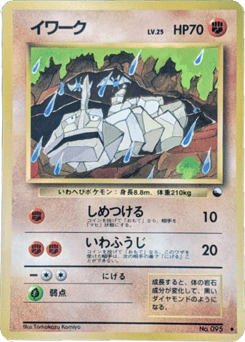 |
イワーク #No.095 拡張シート2 (1998) |
$2,000 | $4,398 | 2.2× |
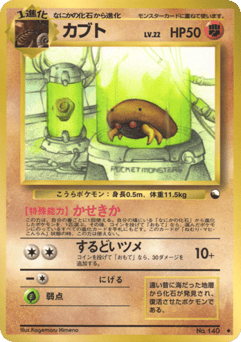 |
カブト #No.140 拡張シート2 (1998) |
$2,500 | $4,324 | 1.7× |
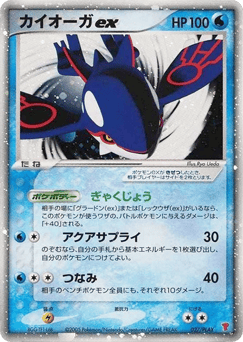 |
Kyogre ex #027/PLAY PLAY Promos (2003) |
$80.00 | $3,888 | 48.6× |
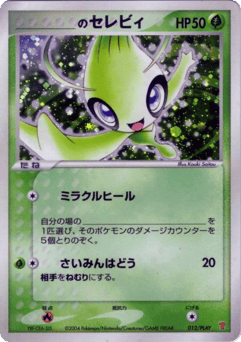 |
_____'s Celebi #012/PLAY PLAY Promos (2003) |
$199.99 | $3,196 | 16× |
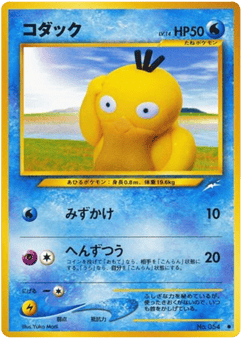 |
コダック #No.054 闇、そして光へ... (2001) |
$1,200 | $2,222 | 1.9× |
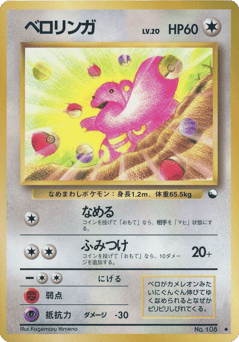 |
ベロリンガ #No.108 拡張シート1 (1998) |
$600.00 | $1,778 | 3× |
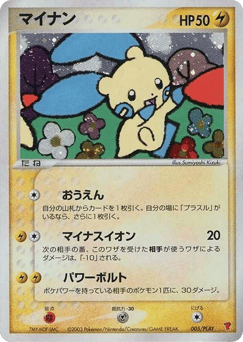 |
Minun #005/PLAY PLAY Promos (2003) |
$99.99 | $1,561 | 15.6× |
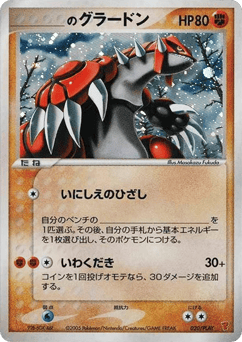 |
_____'s Groudon #020/PLAY PLAY Promos (2003) |
$170.99 | $1,517 | 8.9× |
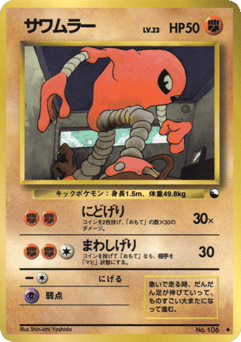 |
サワムラー #No.106 拡張シート2 (1998) |
$300.00 | $1,231 | 4.1× |
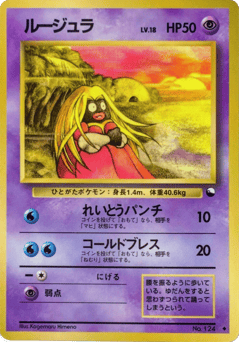 |
ルージュラ #No.124 拡張シート2 (1998) |
$600.00 | $1,185 | 2× |
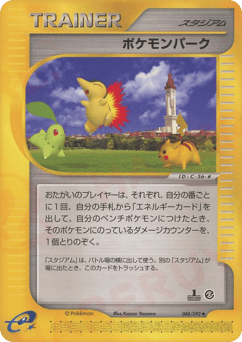 |
ポケモンパーク #088/092 地図にない町 (2002) |
$500.00 | $1,028 | 2.1× |
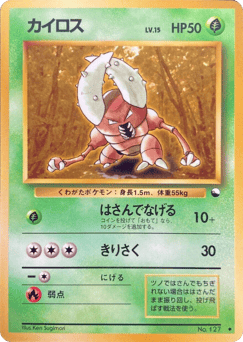 |
カイロス #No.127 拡張シート1 (1998) |
$300.00 | $908.92 | 3× |
Look up any card's current raw and graded value in Midpoint — and get an estimated grade before you pay to submit.
1. What Defines Vintage Japanese Pokémon Cards?
Most collectors consider vintage Japanese Pokémon cards to be those released from 1996 (the very first Japanese Expansion Pack, or 拡張パック) through around 2003. This era includes iconic sets such as:
- Japanese Base Set (拡張パック, "Expansion Pack") – 1996
- Expansion Sheet 1 & 2 (拡張シート1・2) – 1997–1998
- Neo Series (neo Genesis, neo Discovery, etc.) – 1999–2001
- E-Series (e-Card, 地図にない町 "Town on No Map", 闇、そして光へ... "Darkness, and to Light...") – 2001–2002
- Fossil (化石の秘密, "Mystery of the Fossils") – 1997
- Vintage promos (CoroCoro, ANA, PLAY, etc.) – 1997–2003
Japanese printings often pre-date English cards by months and sometimes feature exclusive artwork, holo patterns, or unique promo releases. Some cards, like the earliest Base Set Charizard, are among the most valuable Japanese Pokémon cards ever produced.
2. Rarity: Print Runs, Promos, and First Editions
Rarity is the cornerstone of vintage Japanese Pokémon cards value. Unlike English sets, Japanese cards rarely have an explicit 1st Edition stamp, but scarcity comes from:
- Low print runs: Early sets and limited promos had far fewer copies than English releases.
- Promo exclusivity: Cards only distributed at tournaments, events, or through magazine campaigns (e.g., PLAY Promos) are extremely hard to find.
- Print variations: No Rarity Base Set cards (no symbol in the bottom right) are the true first print run and command premiums.
For example, the Kyogre ex #027/PLAY from the 2003 PLAY Promos was a tournament prize, with a raw value of $80 but a PSA 10 value of $3,888 (as of 2026-08-10).
3. The Impact of Condition & Grading on Value
Condition is everything in the world of vintage cards. Japanese cards are often better centered and have superior print quality compared to English ones, but even small flaws can reduce value. Grading companies like PSA, BGS, and CGC assign a 1–10 score based on centering, corners, edges, and surface. The difference between a raw card and a PSA 10 can be several times higher for rare issues.
Examples from Midpoint’s live data (as of 2026-08-10):
- カブト #No.140 (Expansion Sheet 2, 1998): Raw $2,500, PSA 10 $4,324 (1.7x premium)
- Kyogre ex #027/PLAY (PLAY Promos 2003): Raw $80, PSA 10 $3,888 (48.6x premium!)
Using a digital grading tool like Midpoint can help you pre-grade and measure centering down to the millimeter before paying $30+ for professional grading. For more tips, read How to Pre-Grade Your Card: A Step-by-Step Guide.
4. Most Valuable Vintage Japanese Pokémon Cards
While many collectors chase Charizard and Pikachu, Japanese sets include some surprising stars. As of 2026-08-10, these cards stand out for their raw and PSA 10 value (all values from Midpoint):
- カブト #No.140 (Expansion Sheet 2, 1998): Raw $2,500 / PSA10 $4,324
- イワーク #No.095 (Expansion Sheet 2, 1998): Raw $2,000 / PSA10 $4,398
- Kyogre ex #027/PLAY (PLAY Promos 2003): Raw $80 / PSA10 $3,888
- _____'s Celebi #012/PLAY (PLAY Promos 2003): Raw $199.99 / PSA10 $3,196
- コダック #No.054 (Darkness, and to Light..., 2001): Raw $1,200 / PSA10 $2,222
- ベロリンガ #No.108 (Expansion Sheet 1, 1998): Raw $600 / PSA10 $1,778
Notice the large PSA 10 premium on some promo cards (16x to 48x for Kyogre ex and Celebi). For more about iconic chase cards and their origins, see the next section.
5. Japanese vs English: Value Differences Explained
Are Japanese Pokémon cards worth more than English cards? Sometimes, yes—especially for rare promos or short print runs. Factors include:
- Better print quality: Japanese cards tend to grade higher due to superior centering and finish.
- Population: Some Japanese cards, like No Rarity Base Set or unique promos, have far fewer graded copies than their English equivalents.
- Iconic chase cards: While English Base Set Charizard is legendary, Japanese exclusives and promos (like the Pikachu Illustrator or PLAY promos) can outpace their English cousins in value.
Check out How Centering Impacts Card Value: A Detailed Guide for more about why Japanese cards often command a premium among serious collectors.
6. How to Identify Authentic Vintage Japanese Cards
Counterfeits are common, so authenticating your vintage Japanese card is key. Look for:
- Copyright line: Early cards (1996–1999) have copyright lines like "©1995, 96, 98 Nintendo, Creatures, GAMEFREAK"
- Japanese text: Set names, Pokémon names, and attacks will be in Japanese kanji/kana, not romanized or English.
- Set symbols: Most early sets lack set symbols; E-series and later sets include them (e.g., e-Card logo, Neo set mark).
- Old back design: Vintage cards have the classic blue "Pocket Monsters Card Game" back, distinct from the English "Pokémon" logo.
- Holo patterns: Japanese holos often differ in pattern or texture—compare to known authentic examples.
If in doubt, use digital references or submit for grading. Midpoint’s AI can help confirm authenticity and surface issues before you commit to grading fees.
7. Error Cards, Misprints, and Print Variations
Error cards and misprints from the Japanese vintage era can be among the most valuable Pokémon cards. Examples include:
- No Rarity Base Set: Early Base Set cards missing the rarity symbol—much rarer and more valuable than standard prints.
- Misaligned holos, missing foil, or wrong text: These usually come from early print runs or test sheets.
- Topsun Blue Back and Green Back cards: These pre-date official TCG sets and are highly collectible, especially error versions.
Track error card population and auction results to estimate value, as some are truly one-of-a-kind.
8. Sealed Product: Booster Packs, Boxes, and Sheets
Sealed vintage Japanese Pokémon products are highly sought after by collectors. Unopened booster packs and boxes from the 1996–2003 era can command high prices, especially if from rare sets like Expansion Sheet or Neo. Features to look for:
- Original seals, no tampering or resealing
- Set logos in Japanese (e.g., "拡張パック")
- Artwork matching the release era (Base Set packs look very different from E-Series)
Sealed product can sometimes be worth more than the sum of its singles, especially for low print runs or promo-only releases.
9. Price Examples: Raw vs PSA 10 Value Gaps
The "gem premium"—the difference between a raw card and a PSA 10—can be dramatic. From Midpoint’s data (as of 2026-08-10):
- Kyogre ex #027/PLAY: Raw $80, PSA 10 $3,888 (48.6x)
- Minun #005/PLAY: Raw $99.99, PSA 10 $1,561 (15.6x)
- カイロス #No.127 (Expansion Sheet 1): Raw $300, PSA 10 $908.92 (3x)
These gaps show why pre-grading and centering measurement are so important. For a deeper dive into how grading impacts value and insurance, see Card Grade Impact on Insurance Value: The Ultimate Guide.
10. Checking Recent Sold Comps and Market Value
To estimate the current market value of your Japanese vintage cards, always check recent sold comps. Use tools like:
- Midpoint’s card price lookup for up-to-date raw and graded sales data
- Major auction archives (Yahoo! Japan, eBay, Heritage)
- Price guide sites and community sales threads
Always compare exact card details (set, year, promo origin, condition) and check for grading population. For detailed price analysis, the Midpoint app provides instant value tracking and grade population stats for over 250,000 cards.
11. The Most Valuable Japanese Vintage Chase Cards & Promos
Some of the highest-value Japanese Pokémon cards are trophy cards and rare promos, such as:
- Pikachu Illustrator (CoroCoro promo, 1998) – widely considered the world’s most expensive Pokémon card
- 1997–1998 Tournament trophies (No. 1, 2, 3 Trainer cards)
- PLAY Promos like Kyogre ex, Celebi, Minun, and Groudon (raw $99.99–$199.99, PSA10 $1,500–$3,800+)
- Expansion Sheet and Neo set chase cards
- Special promo releases (ANA, JR Rally, Daisuki Club, etc.)
While not every card is a six-figure trophy, the right promo or rare print can be a major portfolio piece. Use Midpoint’s portfolio tracker to monitor your collection’s value over time and spot market trends for these vintage icons.
Conclusion
Vintage Japanese Pokémon cards value is driven by a mix of rarity, set history, condition, grading, and collector demand for iconic cards and promos. From the early Expansion Sheets to the legendary PLAY Promos, the Japanese market offers unique opportunities for those who know what to look for—and how to authenticate and grade their cards. With the right tools and research, even a single card can be a treasure. For collectors, apps like Midpoint make it easier than ever to measure, grade, and value your Japanese Pokémon cards before sending them to PSA or BGS. Happy hunting!
FAQ
Q: How much are vintage Japanese Pokémon cards worth?
A:
Values range from a few dollars to thousands. For example, カブト (Expansion Sheet 2, 1998) is listed at $2,500 raw and $4,324 in PSA 10 as of 2026-08-10. Promos and low-population cards can reach much higher.
Q: Which Japanese vintage Pokémon cards are the most valuable?
A:
Top examples include trophy cards like Pikachu Illustrator, No. 1 Trainer, and rare promos such as Kyogre ex and Celebi from the PLAY Promos. Some Neo and Expansion Sheet cards also command high prices.
Q: Are Japanese Pokémon cards worth more than English cards?
A:
In some cases, yes—especially for rare promos, No Rarity Base Set, and low-print sets. Japanese cards are often noted for better print quality and lower graded population, which can boost value.
Q: How can I tell if my vintage Japanese Pokémon card is real?
A:
Check the copyright line, Japanese text, set symbols, and card back design. Compare holo patterns to known authentic cards. For more tips, use Midpoint's AI grading to spot fakes and surface issues quickly.
Q: Does grading increase the value of Japanese Pokémon cards?
A:
Grading can increase value by 2x to over 40x for rare cards, especially in PSA 10 condition. Pre-grading with digital tools can help you spot cards worth submitting.
Q: What Japanese Pokémon sets and promos are worth money?
A:
Key sets include the original Expansion Pack (Base Set), Expansion Sheet 1 & 2, Neo, E-Series, and promos like the PLAY, CoroCoro, and ANA cards. Check current prices and population reports before selling or buying.
Free to start
Try the Midpoint app
Grade any card from a photo, see its raw and PSA 10 value, and track what your collection is worth — free.
Get it on iPhoneGet it on Android


