
Basketball Card Prices Rising November 2026: 12 Movers
Basketball card prices rising November 2026: which players, sets and inserts are moving, raw vs PSA 10 context, and whether to buy, hold, sell or grade.

Estimated reading time: 9 min
Key Takeaways
- The basketball card market in November 2026 looks flat overall, but individual cards are rising. Selection matters more than the broad trend.
- Demand clusters around Cooper Flagg, Victor Wembanyama, Caleb Wilson, and stars like Stephen Curry and Shai Gilgeous-Alexander. Legends such as Jordan, Kobe and LeBron tend to stay steadier.
- Raw versus PSA 10 gaps, condition and centering decide whether grading a rising card is worth the fee.
- Look for repeated sales across 7-day and 30-day windows before trusting a gain. One high-dollar sale or a high listing price is not a trend.
Basketball card prices rising in November 2026 is the story many collectors are chasing, but the headline hides the detail. The basketball card market in November 2026 is not lifting every card. It is lifting specific players, sets and parallels.
This guide walks through 12 things to check, from trending basketball cards to how to separate real momentum from noise. The price table in this post uses Midpoint's database figures as of 2026-11-15. This article does not restate every number from it. It explains how to read them.
30-day price movers — live data from Midpoint's card database, as of 2026-11-15. Prices move; Midpoint refreshes these daily.
| Card | Raw | PSA 10 | 30-day | |
|---|---|---|---|---|
 |
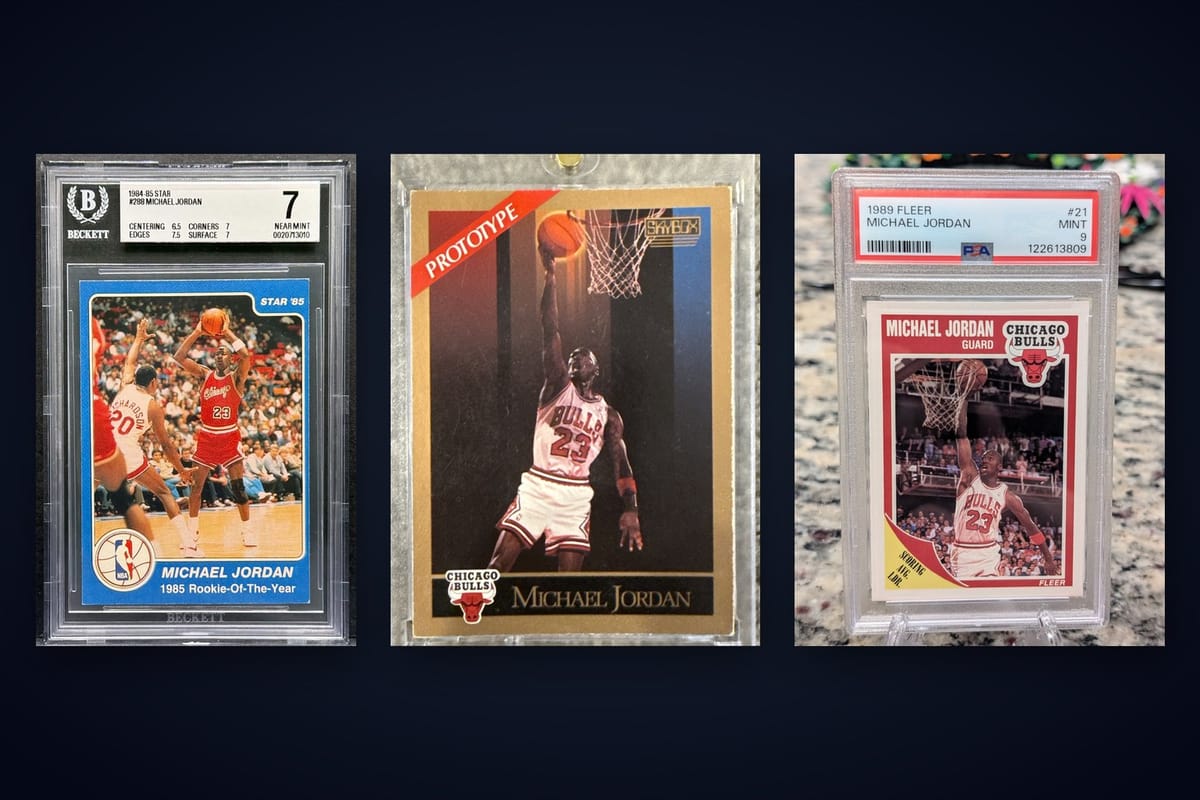
Michael Jordan #288 1984 Star |
$9,500 | $248,508 | +141.3% |
 |
Michael Jordan #41 1990 Skybox Prototype |
$321.65 | $2,740 | +22.4% |
 |
Michael Jordan #3 1989 Fleer Sticker |
$13.51 | $10,717 | +21% |
 |
Shaquille O'Neal #1 1992 Upper Deck |
$14.75 | $5,293 | +14.3% |
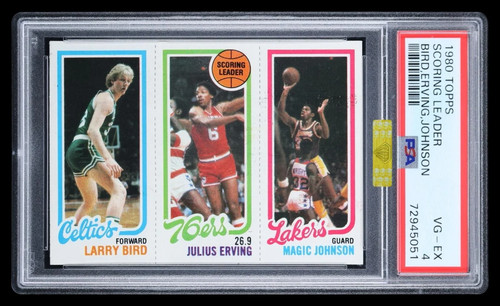 |
Larry Bird / Julius Erving / Magic Johnson #34 / 139 / 174 1980 Topps |
$1,063 | $96,183 | +10.3% |
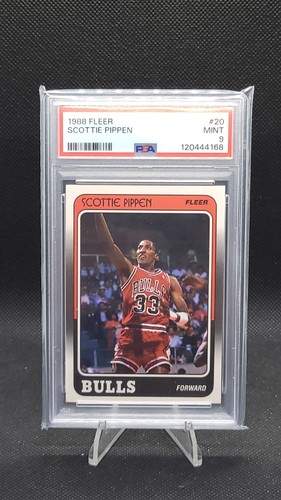 |
Scottie Pippen #20 1988 Fleer |
$25.00 | $4,009 | +10.3% |
 |
Michael Jordan #13 1991 Hoops Superstars |
$26.85 | $1,999 | +5.9% |
 |
Michael Jordan #4 1997 Hoops Frequent Flyer Club |
$300.00 | $2,301 | +3.3% |
 |
Akeem Olajuwon #237 1984 Star |
$724.06 | $47,893 | +0.4% |
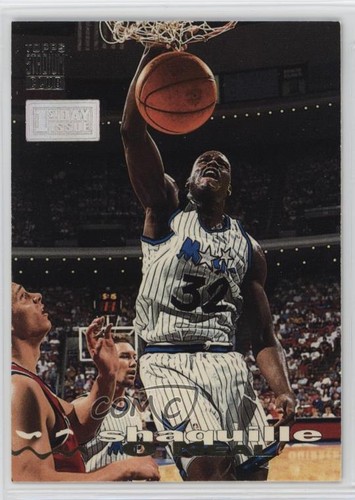 |
Shaquille O'Neal [1st Day Issue] #100 1993 Stadium Club |
$61.11 | $1,741 | 0% |
 |
Cooper Flagg [Green] #80TBA-CF 2025 Topps Chrome Update 1980-81 Autograph |
$3,137 | $14,612 | 0% |
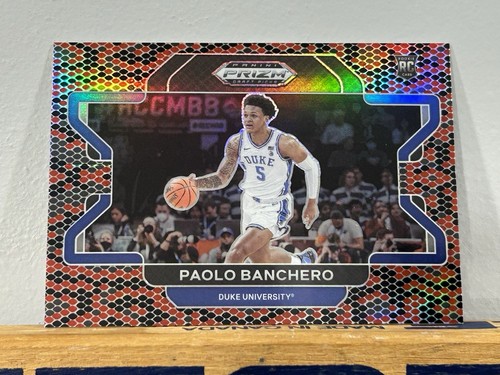 |
Paolo Banchero [Venom] #52 2022 Panini Prizm Draft Picks |
$44.97 | $250.00 | 0% |
Look up any card's current raw and graded value in Midpoint — and get an estimated grade before you pay to submit.
1. The Big Picture: Flat Overall, Rising Individually
The most useful way to frame the basketball card market in November 2026 is as two markets. A broad basket of cards looks roughly flat. Underneath, a smaller group of cards is climbing quickly.
That split matters because an index-style view can make you complacent. If you only look at "the market," you miss the cards that are actually moving. If you buy a random mid-tier card, you may see nothing.
- Do: compare each card's 7-day and 30-day change against the group, not against your gut.
- Do: note whether a card moved because of sales volume or because only one buyer showed up.
- Don't: assume a rising star lifts every card of that player equally.
2. Cooper Flagg Rookie and Prospect Cards
Cooper Flagg is a major driver of demand in the trending basketball cards conversation. Rookie-year attention tends to concentrate on the most visible names. New product releases and NBA season storylines can keep pushing buyers toward his cards.
The practical issue is that hype affects different versions differently. Base cards, numbered parallels and low-print inserts each trade in their own market. Check the specific version you hold or plan to buy.
- Compare raw and PSA 10 values for the exact parallel, not just the player name.
- Watch for thin markets, where one sale can swing the average.
- Expect volatility. Rookie prices move with game performance and news.
3. Victor Wembanyama Cards
Victor Wembanyama is still one of the strongest demand stories in the hobby. His cards are no longer pure speculation. They have a sales history, so you can see what buyers actually paid across several months.
That history makes him easier to evaluate than a new name. Look at where his cards sat 30 days ago and where they sit now, then check whether volume is rising with price. Rising price on rising volume is a healthier signal than rising price on a handful of sales.
- Prioritize numbered parallels and premium inserts if you want scarcity.
- Use PSA 10 comps only for cards that could realistically grade that high.
4. Caleb Wilson and Other Prospect Names
Caleb Wilson shows how prospect-driven demand works. Buyers pay for potential before a long NBA résumé exists. That can push cards up fast, and it can reverse just as fast.
Prospect cards carry a different risk than established star cards. Prices depend on draft projection, college or early-pro performance and how many copies are listed. A gain here can be real but fragile.
- Size positions small. Prospect cards can move sharply in both directions.
- Prefer cards you would be happy to hold if the price stalls.
5. Stephen Curry and Shai Gilgeous-Alexander
Not every riser is a rookie. Stephen Curry and Shai Gilgeous-Alexander show that proven, in-season stars can also pull buyers in. Their cards benefit from steady on-court attention and a deep collector base.
These players tend to offer smoother trading than prospects. There are usually more sales to compare, which makes it easier to tell a real move from a one-off.
- Look at graded and raw prices side by side to see where the premium sits.
- Check whether the gain is in older key cards or newer parallels. The two often move separately.
6. Jordan, Kobe and LeBron: Vintage and Legend Demand
Michael Jordan, Kobe Bryant and LeBron James anchor the other side of the market. Legend cards attract long-term collectors, so their prices often behave differently from modern rookies. They tend to be less jumpy and more tied to condition and grade.
So are vintage basketball cards outperforming modern ones in 2026? It depends on the card. Compare each card's 30-day change instead of assuming a whole category wins. Vintage and legend cards often show gradual moves, while modern rookies often show sharper swings.
- For vintage, condition and centering can matter as much as the grade label. See how centering impacts card value.
- Low-population cards can trade very differently from common ones. Verify scarcity before paying a premium.
7. 2025-26 Topps Chrome and Topps Flagship Basketball
2025-26 Topps Chrome Basketball and Topps Flagship Basketball are among the sets collectors are watching. Chrome tends to draw the grading crowd because of its shiny surface and refractor parallels. Flagship generally offers a more accessible entry point.
Set-level interest does not mean every card in the set is rising. Typically the gain concentrates in star rookies, short-printed parallels and autographs, while commons stay quiet.
- Check rookie cards of top names first, then work down to parallels.
- Compare Chrome and Flagship versions of the same player to see where the premium is.
8. Prizm, Optic Downtown, Glass Canvas and Ultra Violet Inserts
Panini Prizm has long been a benchmark set for basketball collectors. Inserts such as Downtown, Glass Canvas and Ultra Violet add scarce, eye-catching cards that can lead short-term gains. Check the exact product and year, since availability varies.
Inserts can move fast because supply is limited. They can also be hard to price, since few copies sell. A single sale tells you little. Several sales in the same week tell you a lot.
- Match the exact insert name, parallel and grade when comparing sales.
- Treat one sale on a rare insert as a data point, not a price.
9. Raw vs PSA 10: Where the Premium Sits
Raw versus graded basketball card prices are the core decision for anyone holding a riser. A PSA 10 usually carries a clear premium over a raw copy, but that premium only pays off if your card would actually grade a 10.
Condition and centering decide a lot of outcomes. A card that looks clean can still miss a top grade on off-center borders. Check centering before you pay the grading fee, which varies by company and service level. Midpoint's free centering calculator measures it, and our guide on how to pre-grade your card covers the rest.

- Grade it: sharp corners, clean surface, front centering near 55/45 or better, and a wide raw-to-PSA 10 gap.
- Sell raw: visible flaws or poor centering, especially if the raw price already reflects the demand.
- Know the scales: PSA, BGS and CGC differ. See grading scale differences by company.
10. Rising Hobby Box Prices and the Shift to Singles
When sealed boxes get more expensive, many collectors skip the gamble and buy the single they want. That can shift demand toward specific cards, which may help explain why individual prices can rise while the overall market looks flat.
For buyers, the math is simple. Compare the cost of chasing a card through packs with the going price for that card, raw or graded. For most collectors targeting one player, the single is usually the cheaper and more certain route.
- Buy singles if you want a specific rookie or parallel.
- Only open boxes if you value the experience, not the return.
11. How to Tell Sustained Growth from Isolated Sales
This is the step most collectors skip. A listing price is what a seller hopes for. A sold price is what a buyer paid. Only sold prices should drive decisions.
Use the 7-day and 30-day change together. A card up on both windows, with several recent sales, shows sustained momentum. A card up sharply on 7 days but flat on 30 may be a spike. Check eBay sold listings, auction bid counts and sales volume across marketplaces.
- Stronger signals: multiple sales, rising bid counts, consistent prices across marketplaces.
- Weaker signals: a single large sale, high asking prices with no sales, or a gain on very few transactions.
- Track your own cards over time in Midpoint to see how your collection's value actually changes.
12. Will the Gains Last Through the NBA Season and Holidays?
Nobody can promise that. Basketball card demand is often supported by the NBA season and by holiday gift buying. But player performance, injuries and new releases can shift sentiment quickly.
A sensible approach is to treat the data as a decision aid, not a forecast.
- Buy: cards with rising prices and rising sales volume, ideally near a recent dip.
- Hold: established stars and legends you want long term.
- Sell: spikes on thin volume, especially raw cards that may not grade well.
- Grade: only when centering and condition support a high grade and the premium covers the fee and wait.
Conclusion
Basketball card prices rising in November 2026 is real but selective. The basketball card market is flat in aggregate, while specific players, sets and inserts are climbing. Cooper Flagg, Victor Wembanyama, Caleb Wilson, Curry and Gilgeous-Alexander lead the modern demand, while Jordan, Kobe and LeBron anchor the legend side.
Before you act, check sold prices, compare raw to PSA 10, and confirm the gain holds across 7-day and 30-day windows. To see what a card could grade before you pay, try Midpoint free on iOS and Android.
FAQ
Q: Are basketball card prices going up in November 2026?
A: Overall prices look roughly flat, but individual cards are rising. Gains are concentrated in specific players, sets and inserts rather than across the whole market.
Q: Which basketball cards are rising in value right now?
A: Demand is strongest around Cooper Flagg, Victor Wembanyama, Caleb Wilson, Stephen Curry and Shai Gilgeous-Alexander, plus select 2025-26 Topps Chrome, Flagship, Prizm and Optic inserts. Check the table's 7-day and 30-day changes as of 2026-11-15.
Q: What NBA cards are worth buying in November 2026?
A: Look for cards with rising prices and healthy sales volume, such as star rookies and in-demand parallels. Avoid chasing spikes backed by one sale or high listing prices.
Q: Why are Cooper Flagg and Victor Wembanyama cards increasing in price?
A: Both draw concentrated collector attention. Flagg benefits from rookie-year interest, and Wembanyama from a strong track record and deep demand. Rising hobby-box prices may also push some buyers toward singles.
Q: Are vintage basketball cards outperforming modern cards in 2026?
A: It varies by card. Legends like Jordan, Kobe and LeBron tend to move more steadily, while modern rookies and prospects often swing more sharply. Compare each card's 30-day change.
Q: Is it better to buy raw or PSA-graded basketball cards right now?
A: Graded cards cost more but reduce condition risk. Raw can offer value if you can judge centering, corners and surface yourself, and you only grade cards likely to earn a high grade.
Free to start
Try the Midpoint app
Grade any card from a photo, see its raw and PSA 10 value, and track what your collection is worth — free.
Get it on iPhoneGet it on Android


