Promo Expansion 2 Lorcana Cards Value: Raw vs PSA 10 Guide
Promo Expansion 2 Lorcana cards value explained: raw vs graded prices, the PSA 10 gem premium, and which cards are actually worth sending to grading.

Estimated reading time: 11 min
Key Takeaways
- Promo Expansion 2 Lorcana cards value depends on three things: the version (regular, foil, event or serialized, where those versions exist), the condition, and how it was distributed.
- The gap between a raw near-mint copy and a PSA 10 is the number that decides whether grading pays off, not the PSA 10 price on its own.
- Always compare recent sold prices, not active listings, and check at least two marketplaces.
- Centering is the cheapest defect to check before you spend $30+ on a submission.
- Midpoint's figures in this guide are dated as of 2026-11-15. Promo prices move, so re-check before you buy, sell, or submit.
Card values — live data from Midpoint's card database, as of 2026-11-15. Prices move; Midpoint refreshes these daily.
| Card | Raw | PSA 10 | Gem premium | |
|---|---|---|---|---|
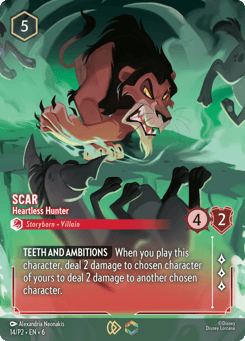 |
Scar #14/P2 Promo Expansion 2 (2024) |
$29.93 | $1,509 | 50.4× |
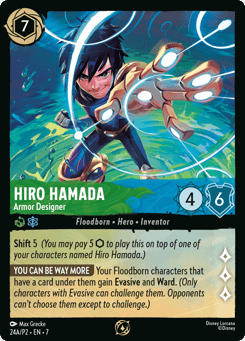 |
Hiro Hamada #24A/P2 Promo Expansion 2 (2024) |
$1.42 | $1,090 | 767.9× |
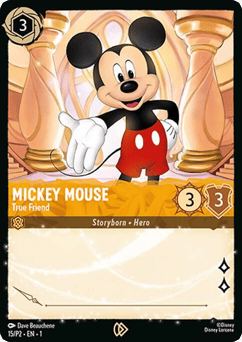 |
Mickey Mouse #15/P2 Promo Expansion 2 (2024) |
$114.41 | $798.94 | 7× |
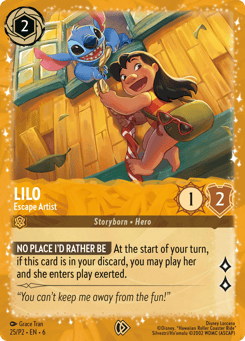 |
Lilo #25/P2 Promo Expansion 2 (2024) |
$3.86 | $372.27 | 96.4× |
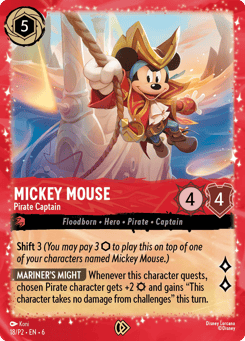 |
Mickey Mouse #18/P2 Promo Expansion 2 (2024) |
$11.10 | $363.40 | 32.7× |
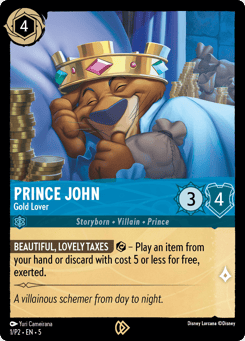 |
Prince John #1/P2 Promo Expansion 2 (2024) |
$14.65 | $320.61 | 21.9× |
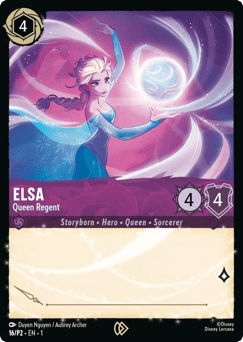 |
Elsa #16/P2 Promo Expansion 2 (2024) |
$51.90 | $305.00 | 5.9× |
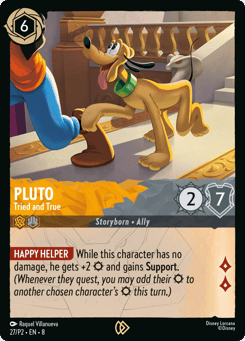 |
Pluto #27/P2 Promo Expansion 2 (2024) |
$11.85 | $240.00 | 20.3× |
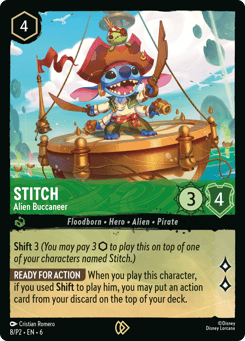 |
Stitch #8/P2 Promo Expansion 2 (2024) |
$3.13 | $227.58 | 72.7× |
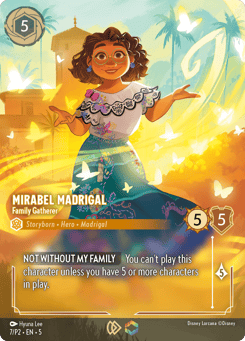 |
Mirabel Madrigal #7/P2 Promo Expansion 2 (2024) |
$27.13 | $188.28 | 6.9× |
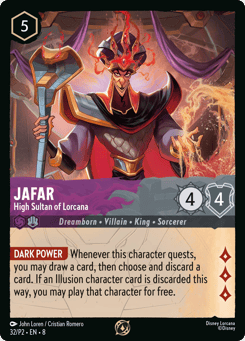 |
Jafar #32/P2 Promo Expansion 2 (2024) |
$1.29 | $185.36 | 143.7× |
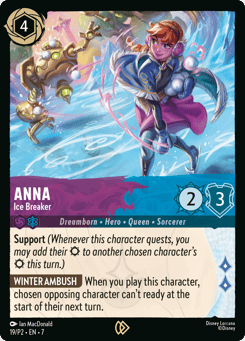 |
Anna #19/P2 Promo Expansion 2 (2024) |
$10.50 | $146.58 | 14× |
Look up any card's current raw and graded value in Midpoint — and get an estimated grade before you pay to submit.
Table of Contents
- Section 1: What Promo Expansion 2 Means in Lorcana
- Section 2: Building a Promo Expansion 2 Price Guide You Can Trust
- Section 3: Version Premiums: Regular, Foil, Alternate Art, Serialized and Event Cards
- Section 4: Condition, Centering and the PSA 10 Gem Premium
- Section 5: Promo Expansion 2 Cards Worth Grading (and Which to Skip)
- Section 6: Scarcity, Authentication and Counterfeit Risks
- Section 7: Price Trends, Liquidity and Whether Values Will Rise
- Conclusion
- FAQ
Section 1: What Promo Expansion 2 Means in Lorcana
If you are searching for Promo Expansion 2 Lorcana cards value, start with what the label covers. Promo Expansion 2 is a collection of promotional Disney Lorcana cards. They are not sold in the normal booster-pack flow of a main set. They arrive through organized play, store events, special products and similar channels.
That distribution is the root of promo pricing. A card that only a limited group of players could obtain behaves differently from one that opened in every booster box.
How to identify a Promo Expansion 2 card
Do not rely on the artwork or a seller's title. Check the card itself:
- Set marking and collector number: promo cards carry a promo-style set code and number in the card's bottom area, separate from the numbering of a main set. Confirm it matches the Promo Expansion 2 listing you are comparing against.
- Character and card name: many promos reprint a character that also exists in a main set. Same name does not mean same card.
- Finish: check whether the copy is a standard or foil version, because they can trade at different prices.
Why identification affects value
Lookup errors are a common pricing mistake in promos. A seller quotes the price of a main-set card with the same name, and the buyer overpays. Always match the exact set code and number before you read any price.
Promo Expansion 2 is also separate from other Lorcana promo groups, such as the first promo set or challenge-style promos. Each has its own distribution, so price one against another with care.
Where the numbers in this guide come from
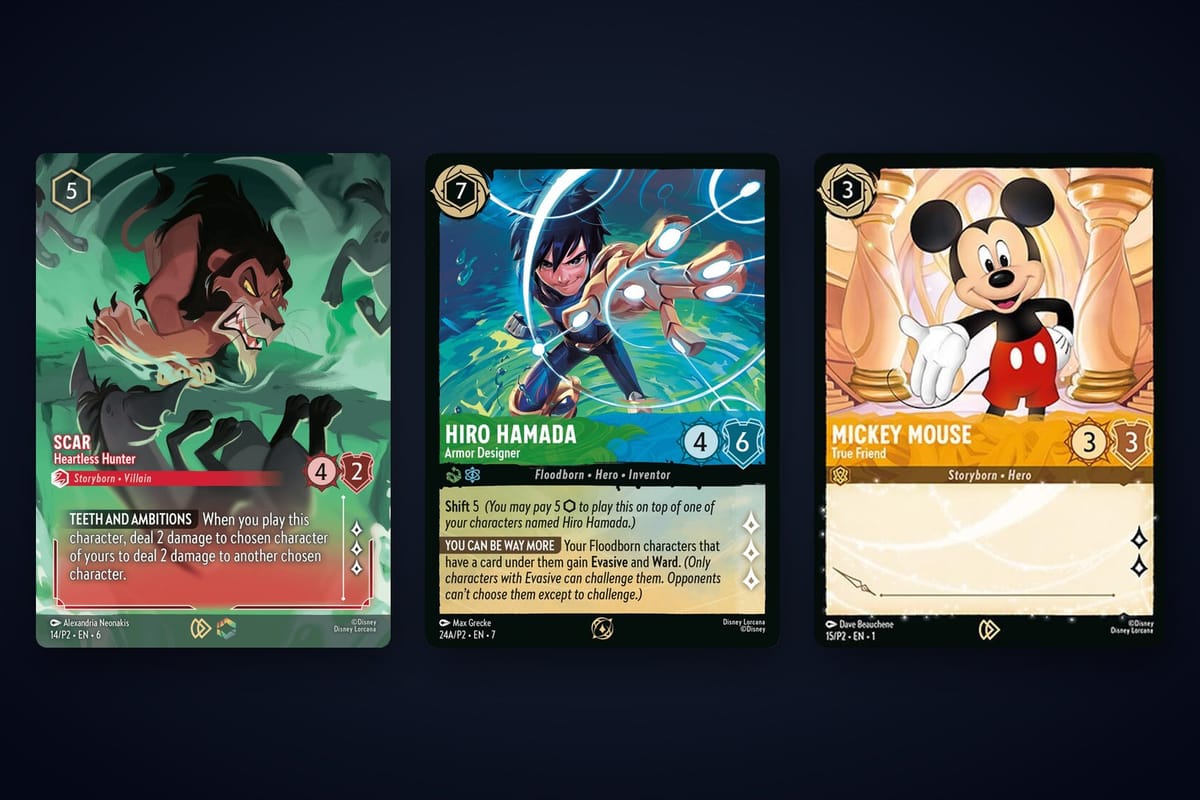
The data table that follows this section lists Promo Expansion 2 cards with raw and graded values from Midpoint's own database, as of 2026-11-15. I refer to those entries throughout and do not restate every figure in the text. Everything else in this guide is method: how to read those numbers, and how to decide what to do with them.
Section 2: Building a Promo Expansion 2 Price Guide You Can Trust
A reliable Promo Expansion 2 price guide is not one number from one site. It is a range built from sold data, adjusted for version and condition. Promo cards trade thinly, so a single sale can mislead.
Sold prices versus active listings
Asking prices on promos are often aspirational. A listing sitting unsold for weeks tells you what a seller hopes for, not what the market pays.
- Sold listings (eBay): the best evidence of real transactions. Filter by sold and completed, and read the title to confirm version and condition.
- TCGplayer market price: useful for raw singles, built from recent sales. Check the sales history, not just the headline figure.
- Cardmarket: the main reference for European buyers. Its pricing reflects a different seller base and currency, so do not mix it with US figures without converting.
- Active listings: use them to see supply. Many low-priced listings suggest sellers are competing, which caps price growth.
Handling thin sales data
When only a handful of copies sell each month, one outlier can distort the average. Use these habits:
- Look at the last several sales, not just the latest.
- Discard obvious outliers such as auction-ending oddities, mislabeled listings, or damaged copies sold as mint.
- Note the date. A sale from many months ago may not reflect today's demand.
- Compare like with like: same version, same condition, same grader if graded.
Where Midpoint fits
Midpoint's card lookup shows raw versus graded values across more than 1.5 million cards, including Lorcana. The table after Section 1 is drawn from that database as of 2026-11-15. Use it as your starting point, then confirm against recent sold comps for the specific copy in your hand.
The raw-versus-graded view matters because it exposes the gem premium directly. That is the most important number in any promo value decision, and we return to it in Section 4.
Section 3: Version Premiums: Regular, Foil, Alternate Art, Serialized and Event Cards
The most valuable Promo Expansion 2 cards are rarely valuable because of the character alone. They are valuable because of which version you hold. Two cards with the same name can sit at very different price points.
Regular versus foil
Where a promo exists in both standard and foil finishes, the foil often commands a premium, because foil is the preferred finish for many collectors' display. But foils also bring condition risk. Foil cards can show curl, surface scratches and print lines that make top grades harder.
Do not assume a foil is always the better investment. A foil that grades poorly can end up worth less than a clean non-foil.
Alternate art and serialized copies
Where they exist, alternate-art treatments tend to attract collectors who want a specific look, which can support steadier demand. Serialized cards, where a number is stamped on the card, add a second layer of scarcity: the print run is fixed and visible.
- Check whether the serial number matters to buyers. Low numbers can trade at a premium.
- Confirm the serial format against known genuine examples before you pay.
- Remember that very scarce cards can have few sales, so published prices are shaky.
Event-specific promos
Cards tied to a particular event, tournament placement, or store program have a built-in story. The limited number of people who could earn them keeps supply small. But demand depends on players and collectors caring about that event, so scarcity alone does not guarantee a high price.
When you look at the table after Section 1, compare entries in the same card family across versions. The spread between them shows how much the market pays for finish and distribution, independent of the character.
Section 4: Condition, Centering and the PSA 10 Gem Premium
Searches for Promo Expansion 2 PSA 10 value are really searches for the gem premium: how much extra a perfect slab fetches over a raw copy. That gap, not the headline PSA 10 price, drives every grading decision.
How condition steps down
Raw cards are usually priced by condition tier:
- Near mint: the baseline most price guides quote.
- Lightly played and played: edge whitening, small scratches and corner wear pull the price down, often sharply on modern cards where buyers expect pack-fresh quality.
- Damaged: creases, bends and water damage usually leave a card as filler for collectors who just want the art.
For graded copies, PSA, BGS and CGC each use their own scales, and a top grade does not mean the same thing across companies. Our guide to grading scale differences by company explains why a PSA 10, a BGS 9.5 and a CGC 10 should not be treated as equals.
Centering: the quiet grade-killer
Modern Lorcana cards, and foils in particular, can arrive off-center straight from the pack. A card can look flawless to the eye and still miss a 10 because of border ratios. Read more about how centering impacts card value before you assume a clean-looking card will gem.
Reading the gem-premium gap
Open the table after Section 1 and compare each card's raw figure with its PSA 10 figure, as of 2026-11-15. Two patterns matter:
- A wide gap means a perfect grade is rewarded heavily, so grading can pay off if your copy has a realistic shot.
- A narrow gap means collectors barely pay extra for the slab, so grading fees may erase the gain.
Also remember that PSA 9 often sells well below PSA 10 on modern cards. The real question is not "what is the PSA 10 worth" but "what do I expect after weighing the chance of a 10 against the chance of a 9 or lower."
Section 5: Promo Expansion 2 Cards Worth Grading (and Which to Skip)
Which Promo Expansion 2 cards are worth grading? Use a simple rule: grade only when the expected resale gain clearly exceeds the total cost of grading. Total cost includes the fee, shipping, insurance and the time your money is tied up.
A break-even method
Work through this for each card:
- Step 1: note the raw near-mint value from the table (as of 2026-11-15).
- Step 2: note the PSA 10 value and the PSA 9 value if available.
- Step 3: add your all-in grading cost. Many submissions start at $30+ per card before shipping and insurance.
- Step 4: estimate your honest odds of a 10 from centering, corners, edges and surface.
- Step 5: compute the expected value: (odds of 10 × PSA 10 value) + (odds of 9 × PSA 9 value) − grading cost. Compare it to simply selling raw.
If the result is not clearly above the raw value, skip grading.
Pre-grade before you pay
This is where Midpoint helps. Its AI grading estimates a PSA, BGS, CGC or TAG grade from centering, corners, edges and surface, so you can screen cards before spending money. Measure centering to the millimeter first, because it is the fastest way to rule out weak candidates. You can also run a quick check with the free centering calculator.

For a full routine, follow our step-by-step guide on how to pre-grade your card.
Cards to skip
- Copies with visible whitening, print lines, or off-center borders.
- Cards with a narrow raw-to-gem gap.
- Low-value promos where fees would eat most of the upside.
Keep the strongest candidates, the ones with a wide premium and a clean pre-grade, and sell the rest raw.
Section 6: Scarcity, Authentication and Counterfeit Risks
Promo values rise and fall with scarcity, but scarcity is hard to measure. Official print runs for promos are rarely published, so treat any claimed number with suspicion unless the source is credible.
What actually drives scarcity
- Distribution method: event-only or placement-only cards reach fewer people than store giveaways.
- Serialization: a stamped limit gives a hard ceiling on supply.
- Survival rate: promos handed out loosely often end up bent or lost, so high-condition copies can be rarer than the raw print run suggests.
- Demand from players: a promo that is also tournament-useful has two buyer groups, collectors and players.
Population reports from graders add one more signal. A low graded population at the top grade can support premiums, but pop counts only show cards that were submitted, not every card in existence. Our post on grading low population cards covers how to read those numbers.
Spotting fakes and altered cards
As values climb, counterfeits can follow. Check these before buying a raw promo:
- Print quality: look for blurry text, wrong fonts, or washed-out color against a known genuine card.
- Card stock and feel: weight, stiffness and edge color should match a real card from the same set.
- Foil pattern: counterfeit foils can show the wrong sheen or an unnatural rainbow.
- Light test: compare how light passes through against a real card.
- Alterations: trimmed edges, re-glued layers, or touched-up corners are common tricks to chase a higher grade.
Safer ways to buy
Prefer graded slabs from PSA, BGS or CGC for expensive pieces, and verify the certification number on the grader's site. For raw cards, buy from sellers with clear, high-resolution photos of the front, back and edges, and a return policy. If a price looks too good for a rare promo, assume there is a reason.
Section 7: Price Trends, Liquidity and Whether Values Will Rise
Will Promo Expansion 2 cards appreciate? Nobody can promise that, and anyone who does is guessing. What you can do is judge the forces that move promo prices and plan for liquidity.
What tends to push prices up
- Limited supply: promos are distributed outside regular booster printings.
- Growing collector interest in Lorcana generally.
- Low graded populations at the top grade.
- Popular characters and strong art.
What tends to push prices down
- Reprints or equivalent versions of the same card in a later product.
- Waning interest in the game, or banned and rotated cards for players.
- A flood of graded copies, which raises supply of slabs.
- Hype spikes that fade. Promo prices can jump on news and then settle.
Liquidity: can you actually sell it?
A card with a high listed price but few buyers is hard to convert to cash. Check how often a card sells, not just what it sells for. Thin markets also mean wide bid-ask gaps, so expect to negotiate or wait.
Protect value while you hold. Sleeves, top loaders and cool, dry storage preserve the condition your price depends on. See our guide on how to store valuable cards.
Track it instead of guessing
Midpoint's portfolio tracking shows your collection's value over time, so you see how your promos move rather than relying on memory. Re-check the figures regularly, since the numbers in this guide are dated as of 2026-11-15. Set a rule in advance, such as reviewing each card every few months and selling when the premium is strong, so hype does not decide for you.
Conclusion
The value of Promo Expansion 2 Lorcana cards comes down to version, condition and distribution. Foils, alternate arts, serialized and event-linked copies can sit above standard versions, and the gem-premium gap between raw and PSA 10 decides whether grading earns its fee.
Build your own price guide from sold data across TCGplayer, eBay and Cardmarket. Pre-grade before you pay, starting with centering. Verify authenticity on anything expensive, and treat future appreciation as a possibility, not a promise.
Ready to check your own cards? Look up raw and graded values and estimate grades in Midpoint, free on iOS and Android, before you spend a cent on submission.
FAQ
Q: How much are Promo Expansion 2 Lorcana cards worth?
A: It varies by card, version and condition. Standard promos generally sit lower, while foils, alternate arts, serialized and event-linked copies can trade higher. Midpoint's database lists raw and graded values as of 2026-11-15, and you should confirm them against recent sold prices.
Q: What is the most valuable Promo Expansion 2 Lorcana card?
A: The top-valued card is usually the scarcest version, such as a serialized, event-distributed or alternate-art copy, especially in high grade. Check the table in this guide and compare it to current sold listings, since the leader can change.
Q: Where can I check the current price of Promo Expansion 2 cards?
A: Use sold listings on eBay, market prices on TCGplayer, and Cardmarket for European pricing. Midpoint's card lookup also shows raw versus graded values in one place.
Q: Are Promo Expansion 2 Lorcana cards rare?
A: They are generally scarcer than typical booster cards because they come through events and special distribution, but rarity differs by card. Serialized and event-only versions are scarcer than widely distributed ones, and official print runs are often not published.
Q: How much is a graded Promo Expansion 2 Lorcana card worth?
A: Graded value depends on the card and grade. PSA 10 copies often earn a clear premium over raw, while PSA 9 often sells much lower. Compare the raw and graded figures in the table before you submit.
Q: What is the difference between Promo Expansion 2 and other Lorcana promo cards?
A: Each promo group is a separate collection with its own release timing and distribution. Match the exact set marking and number before comparing prices with other promos.
Free to start
Try the Midpoint app
Grade any card from a photo, see its raw and PSA 10 value, and track what your collection is worth — free.
Get it on iPhoneGet it on Android