Promo Expansion 1 Lorcana Cards Value: Raw vs Graded Guide
Promo Expansion 1 Lorcana cards value explained: top cards like Stitch Rock Star #30, raw vs PSA 10 gaps, and which promos are worth grading.

Estimated reading time: 12 min
Key Takeaways
- Promo Expansion 1 Lorcana cards value is driven by character popularity, foil treatment, and how cleanly a copy grades, not by a traditional rarity tier.
- The most valuable Promo Expansion 1 cards are led by Stitch - Rock Star #30 and Mickey Mouse - Leader of the Band #34.
- The gap between raw Near Mint and a PSA 10 is the number that decides everything. If the premium does not cover grading costs and the risk of a lower grade, don't submit.
- Always compare sold listings with active asking prices, and note the date of every figure you use. Midpoint's figures in this guide are dated as of 2026-11-15.
- Centering is the cheapest defect to check before you pay. Measure it first and you avoid most wasted submissions.
Card values — live data from Midpoint's card database, as of 2026-11-15. Prices move; Midpoint refreshes these daily.
| Card | Raw | PSA 10 | Gem premium | |
|---|---|---|---|---|
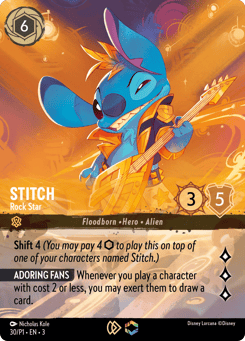 |
Stitch #30/P1 Promo Expansion 1 (2022) |
$268.92 | $1,185 | 4.4× |
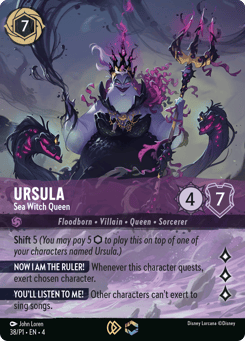 |
Ursula #38/P1 Promo Expansion 1 (2022) |
$114.03 | $919.19 | 8.1× |
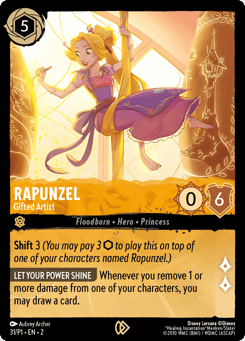 |
Rapunzel #31/P1 Promo Expansion 1 (2022) |
$19.92 | $591.01 | 29.7× |
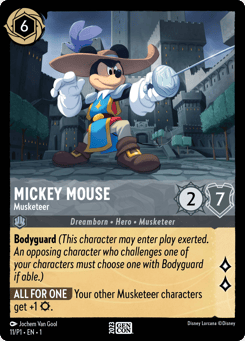 |
Mickey Mouse #11/P1 Promo Expansion 1 (2022) |
$111.91 | $459.35 | 4.1× |
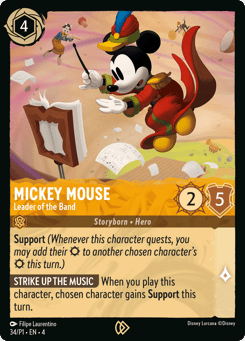 |
Mickey Mouse #34/P1 Promo Expansion 1 (2022) |
$5.19 | $403.91 | 77.8× |
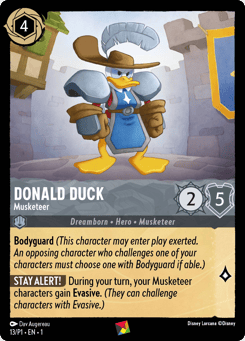 |
Donald Duck #13/P1 Promo Expansion 1 (2022) |
$82.46 | $366.12 | 4.4× |
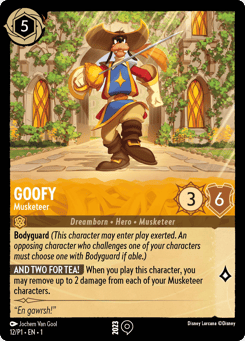 |
Goofy #12/P1 Promo Expansion 1 (2022) |
$96.35 | $355.77 | 3.7× |
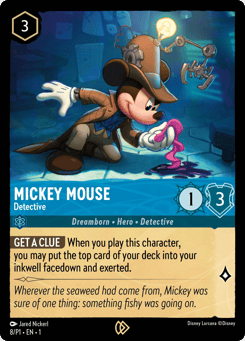 |
Mickey Mouse #8/P1 Promo Expansion 1 (2022) |
$11.49 | $267.83 | 23.3× |
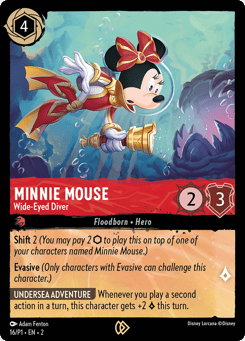 |
Minnie Mouse #16/P1 Promo Expansion 1 (2022) |
$2.32 | $243.99 | 105.2× |
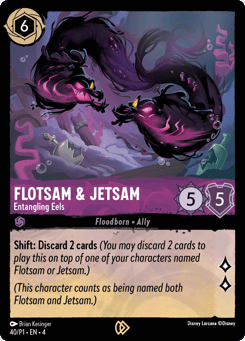 |
Flotsam & Jetsam #40/P1 Promo Expansion 1 (2022) |
$6.46 | $235.39 | 36.4× |
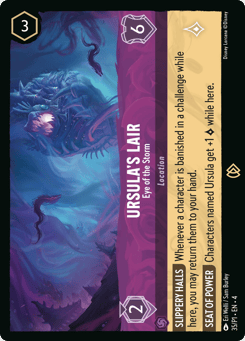 |
Ursula's Lair #35/P1 Promo Expansion 1 (2022) |
$0.58 | $230.00 | 396.6× |
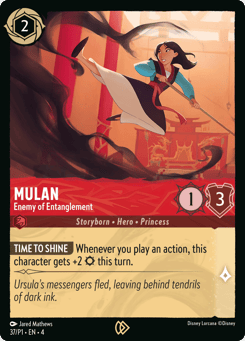 |
Mulan #37/P1 Promo Expansion 1 (2022) |
$0.97 | $226.33 | 233.3× |
Look up any card's current raw and graded value in Midpoint — and get an estimated grade before you pay to submit.
Table of Contents
- Section 1: What Promo Expansion 1 Is and What Drives Its Value
- Section 2: Promo Expansion 1 Price Guide: How to Read the Numbers
- Section 3: Most Valuable Promo Expansion 1 Cards
- Section 4: Promo Expansion 1 PSA 10 Value and the Gem-Premium Gap
- Section 5: How Condition, Centering, and Surface Change the Price
- Section 6: Promo Expansion 1 Cards Worth Grading: A Decision Framework
- Section 7: Where to Check Prices and How Promos Compare
- Conclusion
- FAQ
Section 1: What Promo Expansion 1 Is and What Drives Its Value
If you are researching Promo Expansion 1 Lorcana cards value, start with what the set actually is. Promo Expansion 1 is a collection of Disney Lorcana promotional cards. They were generally distributed through events, leagues, store programs, and special products rather than pulled from standard booster packs.
That distinction matters. A booster-pack card has a printed rarity (such as Common, Rare, or Enchanted). A promo card's scarcity comes from how it was distributed, and that is harder to see on the card itself.
How the card list is organized
Each promo carries a card number, a character name, and a subtitle, for example Stitch - Rock Star #30 or Mickey Mouse - Leader of the Band #34. The number and subtitle together are the safest way to search a database, because the same character often appears in several versions across Lorcana.
- Card number: the identifier you should match against any listing.
- Character and subtitle: the name collectors search for.
- Finish: many promos are foil, and the finish changes how a listing is priced.
The four forces behind price
Across the whole set, value generally comes down to four things:
- Character appeal: Stitch and Mickey draw buyers well beyond the Lorcana player base.
- Playability: a promo that is strong in constructed or a leader-style card can see extra demand.
- Distribution scarcity: league and event promos may reach fewer hands than widely distributed ones.
- Condition and grade: a gem copy sells for a different price than a played one.
A note on the data in this guide
The table that follows this section shows the figures from Midpoint's own database, as of 2026-11-15. I refer to those entries by name in the sections below and do not quote prices that are not in the table. Treat every number as a snapshot. Promo prices can move quickly when a single sale clears at a new level.
Section 2: Promo Expansion 1 Price Guide: How to Read the Numbers
A good Promo Expansion 1 price guide does more than list a number. It tells you what kind of number it is. Three different figures often get mixed together, and that is where most bad buying and selling decisions start.
Raw Near Mint versus graded
The raw column in the table reflects ungraded copies, usually priced as Near Mint. A raw card has no verified condition. The buyer is trusting a photo and a description. That uncertainty is built into the price.
A graded copy, in contrast, has a third party's verdict on centering, corners, edges, and surface. The price reflects that verdict. That is why graded and raw values can sit far apart even for the same card number.
Sold listings versus asking prices
This is the single most useful habit in card pricing.
- Asking prices show what sellers hope to get. A single optimistic listing can sit unsold for months.
- Sold prices show what a buyer actually paid, on a specific date.
When you check a promo, look at the most recent sales and note the date, the marketplace, and the condition or grade. A sale from many months ago may no longer represent the market, especially for a thinly traded promo.
Thin markets and outliers
Promo cards often trade less frequently than main-set cards. Fewer sales means one unusual transaction can distort the average. Here is how to protect yourself:
- Compare at least several recent sales, not one.
- Ignore sales that are clearly damaged, mislabeled, or part of a bundle.
- Match the finish and the grade exactly before you compare.
- Record the date so you can tell whether the market has moved since.
Midpoint's card lookup gives you raw and graded values side by side across a large database of cards, which makes the raw-to-graded gap easy to see for any promo. You can try it at Midpoint.
Section 3: Most Valuable Promo Expansion 1 Cards
When collectors ask for the most valuable Promo Expansion 1 cards, two names come up first. Both are in the table, and both are worth understanding beyond the price.
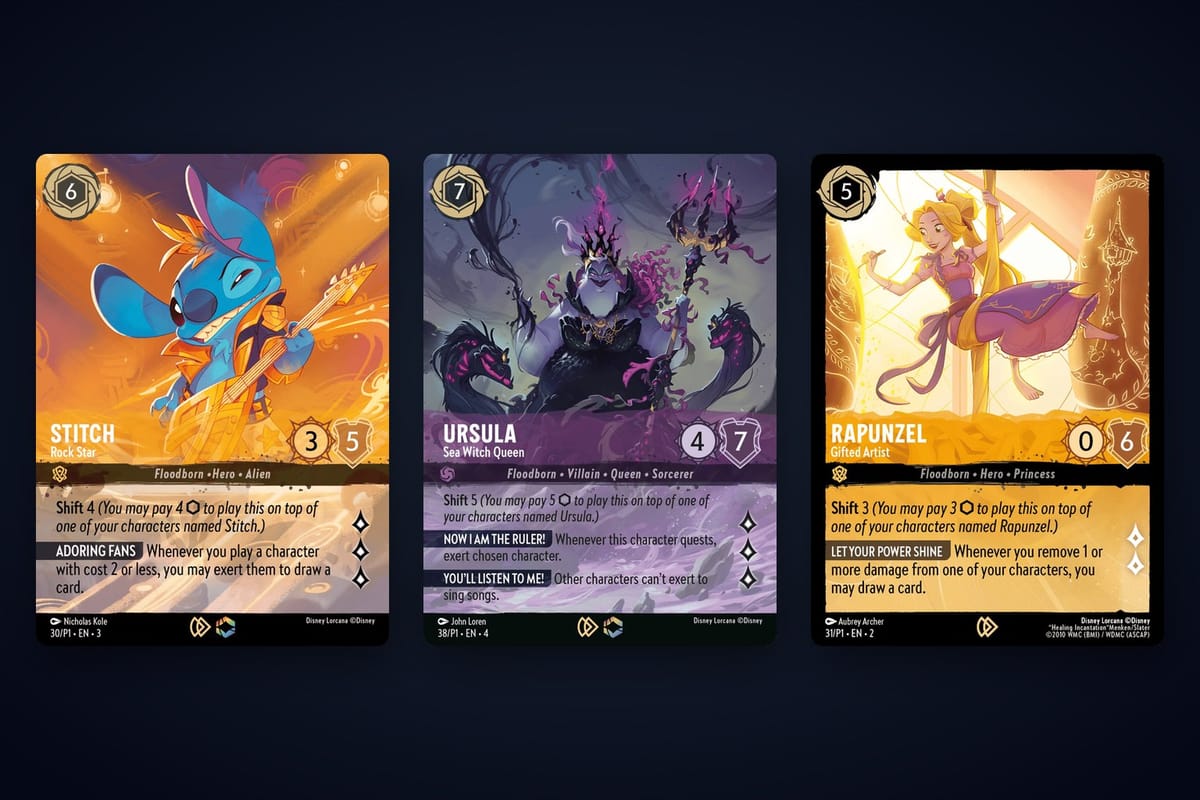
Stitch - Rock Star #30
Stitch - Rock Star #30 is the headline card for many collectors. Stitch is one of the most recognizable Disney characters, and the Rock Star version combines that appeal with a distinctive design. Demand likely comes from several groups at once: Lorcana players, Disney collectors, and people who simply want a standout promo.
Check the table for its raw and graded figures as of 2026-11-15, and compare them against recent sold listings before you act.
Mickey Mouse - Leader of the Band #34
Mickey Mouse - Leader of the Band #34 is the other premium promo. Mickey carries enormous brand weight, and the band theme gives the card a clear identity. Like Stitch, it attracts buyers who may never open a booster pack.
Its value is a good example of how character appeal can outweigh pure playability. Collectors often want the iconic versions first.
Other premium promos to watch
Beyond the top two, look at the rest of the table for cards that stand out. Signals that a lesser-known promo may be underpriced:
- A popular character with a distinctive subtitle.
- A foil finish that is hard to find in clean condition.
- A large gap between raw and graded values, which may suggest clean copies are scarce.
- A distribution channel that reached fewer players, such as a specific league or event.
Be careful with the last point. League and event scarcity can be real, but it is difficult to verify without print-run information. Don't pay a premium for a story you cannot confirm.
Section 4: Promo Expansion 1 PSA 10 Value and the Gem-Premium Gap
The Promo Expansion 1 PSA 10 value is rarely a simple multiple of the raw price. The difference between a raw Near Mint copy and a PSA 10 is called the gem premium, and it is the key number for deciding whether to grade.
Why the premium exists
A PSA 10 tells the buyer that centering, corners, edges, and surface all passed a strict standard. Many raw cards that look clean in photos do not reach it. Because top grades are harder to get, buyers pay extra for the certainty. For a full breakdown of what each company's top grade means, see this guide to grading scale differences by company.
PSA 7 to PSA 10 is not a straight line
Prices across grades usually climb unevenly:
- PSA 7 to 8: often a modest step. These grades can sit close to raw Near Mint prices.
- PSA 9: typically a clear step up, but still well short of a 10.
- PSA 10: usually the largest jump, because it is the grade collectors chase.
That shape means a card that misses a 10 and lands a 9 can leave you with far less upside than you expected.
CGC, BGS, and TAG copies
Other graders price differently. A CGC or BGS copy of the same card often trades at a different level than PSA, and each company's top tier means something different. BGS in particular uses subgrades, and its highest tier (the Black Label) is rarer than a standard 10. Do not assume a CGC 10 equals a PSA 10 in the market. Compare like for like, using sold listings for the exact grader and grade.
How to use the gap
Open the table and subtract the raw figure from the PSA 10 figure for each card. A wide gap means grading could pay off if the copy is clean. A narrow gap means the card may not be worth the fee. I'll turn that into a decision framework in Section 6.
Section 5: How Condition, Centering, and Surface Change the Price
Two copies of the same promo can differ in price by a large amount purely because of condition. Understanding where cards lose points helps you judge a raw copy before you buy or submit it.
Centering
Centering is the border balance on the front and back of the card. It is the most objective flaw because you can measure it. A card that is visibly shifted to one side will struggle to reach a gem grade no matter how clean the rest is. For a deeper look at why this matters, read how centering impacts card value.
You can check a card in seconds with the free centering calculator, which turns border measurements into ratios.
Corners, edges, and surface
- Corners: look for whitening, softness, or tiny dings under bright light.
- Edges: chipping shows up fast on dark borders.
- Surface: scratches, print lines, and dents hide on foil. Tilt the card under a light and look at it from several angles.
Foil promos deserve extra scrutiny. The reflective finish shows scratches that a flat card would hide, and a surface flaw can cost a copy a full grade or more.
Pre-grading before you pay
An estimated grade before submission saves money. Midpoint's AI grading estimates a PSA, BGS, CGC, and TAG grade from centering, corners, edges, and surface, so you can see where a copy is likely to land before you pay for it. The screen below shows the summary view.

If you want a manual process, follow this step-by-step guide to pre-grading your card. Either way, the goal is the same: find the defects yourself before a grader does.
Section 6: Promo Expansion 1 Cards Worth Grading: A Decision Framework
Deciding which Promo Expansion 1 cards are worth grading is a math problem, not a feeling. Here is a simple way to run it.
The break-even test
Grading costs money, often tens of dollars per card once you add fees and shipping, and fees vary by company and service level. You also take on the risk that the card does not hit the grade you want. Ask these questions:
- What is the raw value? That is what you can sell for today without grading.
- What is the PSA 10 value, and the PSA 9 value? Use both, not only the best case.
- What are the total costs? Grading fee, shipping, insurance, and any selling fees.
- How likely is a gem? Your pre-grade estimate answers this.
Grade the card only if the expected graded value, weighted by the chance of each grade, beats the raw value by more than your total cost.
Good candidates
- Premium promos such as Stitch - Rock Star #30 or Mickey Mouse - Leader of the Band #34, where the gem premium in the table is wide.
- Copies with near-perfect centering and clean surfaces on inspection.
- Cards you plan to hold, since a slab protects condition over time.
Poor candidates
- Cards where the PSA 10 and raw prices are close together.
- Copies with visible centering shifts, whitening, or foil scratches.
- Cards you are likely to sell quickly, where the wait for grading eats the return.
Protect the card first
A cheap promo can become an expensive miss if it is damaged between pulling it and submitting it. Store candidates in sleeves and rigid holders. This guide on how to store valuable cards covers the basics.
Don't forget to price the downside. If a copy lands a 7 or 8, would you still be happy with that result? If not, think twice.
Section 7: Where to Check Prices and How Promos Compare
No single site tells the whole story. Use several and cross-check them.
Where to look
- TCGplayer: a common reference for raw card prices and recent sales in the US.
- eBay sold listings: filter to sold items to see real transactions, including graded copies.
- PriceCharting: tracks raw and graded sale history in one place.
- Cardmarket: useful for European pricing, which can differ from US prices.
- Midpoint: raw versus graded values for each card, plus portfolio tracking so you can see your collection's value over time.
For each source, note the date and the exact condition or grade. A figure without a date is just a guess.
How Promo Expansion 1 compares with other cards
Comparing promos to other Lorcana products takes care, because they are different kinds of scarcity.
- Enchanted cards: these are a pack-pull rarity. Their scarcity is built into the pull rate, and they usually sit in a different price tier than most promos.
- Tournament and league promos: scarcity comes from who played and when. Supply is hard to estimate.
- D23 and event exclusives: limited by attendance and distribution, which can make them scarce but hard to price.
Promo Expansion 1 sits in this broader group. Don't assume it will behave like an Enchanted card. Judge each promo by its own sold history.
Track your results over time
Once you own a few promos, tracking matters. Prices shift, and a card you bought as raw may now justify grading. Low-supply cards in particular reward patience, and this guide on grading low population cards explains how population counts influence decisions.
If you insure a collection, grades also affect coverage. See the guide to card grade impact on insurance value for more on that.
Conclusion
Promo Expansion 1 Lorcana cards value comes down to a few clear ideas. Character appeal sets the ceiling, which is why Stitch - Rock Star #30 and Mickey Mouse - Leader of the Band #34 lead the set. Condition sets the price you will actually get. And the gem premium, the gap between raw Near Mint and a PSA 10, tells you whether grading is worth the cost.
Work through the numbers in the table as of 2026-11-15, confirm them against recent sold listings, and treat every figure as a dated snapshot. Then check the card itself. Measure centering, inspect corners, edges, and foil surface, and only submit copies that have a real chance at a top grade.
To check centering and estimate a grade before you spend money, try Midpoint. It is free on iOS and Android.
FAQ
Q: How much are Promo Expansion 1 Lorcana cards worth?
A: It depends on the card, its finish, and its condition. The most popular promos, led by Stitch - Rock Star #30 and Mickey Mouse - Leader of the Band #34, sit well above the rest of the set. Midpoint's table lists raw and graded values as of 2026-11-15. Confirm them against recent sold listings before you buy or sell.
Q: What is the most valuable Promo Expansion 1 Lorcana card?
A: Stitch - Rock Star #30 and Mickey Mouse - Leader of the Band #34 are the two premium promos most collectors name first. Check the table to see which one leads on raw and graded values at the moment, since the order can change.
Q: How much is Stitch Rock Star #30 worth?
A: Its price depends on whether the copy is raw or graded and on the grade. Look at the raw and graded figures in the table as of 2026-11-15, then compare them against recent eBay sold listings and TCGplayer data. A PSA 10 will typically sell at a premium over a raw copy.
Q: How much is Mickey Mouse Leader of the Band #34 worth?
A: Use the raw and graded values in the table as your starting point, then confirm them with recent sold listings. Mickey's broad appeal tends to support demand, but clean, well-centered copies generally command the strongest prices.
Q: Are Promo Expansion 1 Lorcana cards rare?
A: Promos do not carry a booster-style rarity tier such as Rare or Enchanted. Their scarcity depends on how they were distributed, such as through events, leagues, or special products. Some are harder to find in clean condition than others, but exact print runs are not always public.
Q: Do graded Promo Expansion 1 Lorcana cards increase in value?
A: Often the top grades carry a premium over raw copies, especially PSA 10. But a lower grade may add little or nothing once you account for costs. Compare the raw-to-graded gap in the table, and pre-grade a card before submitting it.
Free to start
Try the Midpoint app
Grade any card from a photo, see its raw and PSA 10 value, and track what your collection is worth — free.
Get it on iPhoneGet it on Android