
1967 Topps Hockey Cards Value: Orr, Rookies & Grading Tips
1967 Topps hockey cards value guide: Bobby Orr #92, rookies, trophy and all-star cards, raw vs PSA 7-10 gaps, and which cards are worth grading.

Estimated reading time: 11 min
Key Takeaways
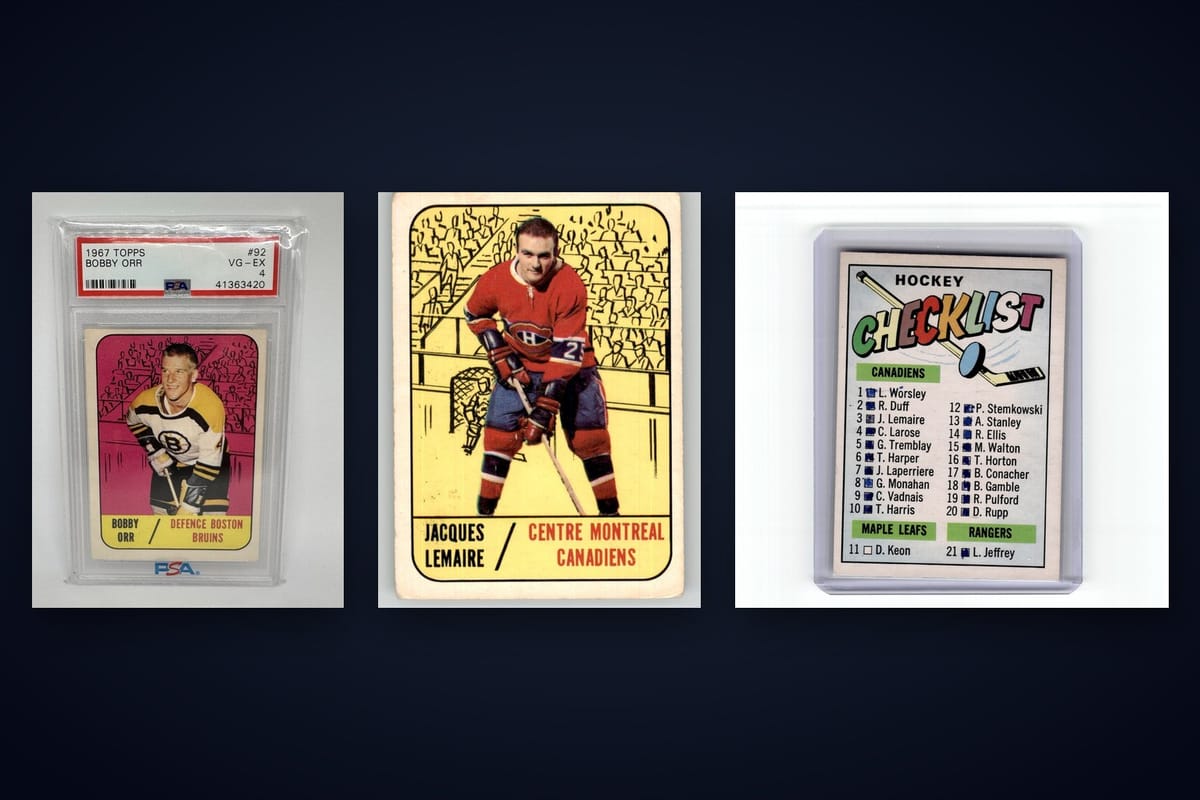
- 1967 Topps hockey cards value is driven by one headline card, Bobby Orr #92, followed by Hall of Fame stars, rookies like Derek Sanderson #33 and Rogie Vachon #75, and the trophy and all-star subsets.
- The gem-premium gap is steep in this set. Condition, centering and print defects can separate a modest raw card from a major graded one.
- Ungraded cards are worth something, but commons and low-grade stars sit in a very different tier than PSA 7-10 examples of key cards.
- Grading makes the most sense for Orr, top rookies, and clean, well-centered stars. It rarely makes sense for worn commons.
- Always compare raw sales with graded sales, and recent sales with price-guide estimates, before deciding what to do.
Card values — live data from Midpoint's card database, as of 2026-11-15. Prices move; Midpoint refreshes these daily.
| Card | Raw | PSA 10 | Gem premium | |
|---|---|---|---|---|
 |
Bobby Orr #92 1967 Topps |
$339.41 | $49,752 | 146.6× |
 |
Jacques Lemaire #3 1967 Topps |
$117.74 | $9,773 | 83× |
 |
Checklist Card #66 1967 Topps |
$123.08 | $9,261 | 75.3× |
 |
Bobby Orr [Calder Memorial Trophy] #118 1967 Topps |
$116.70 | $8,540 | 73.2× |
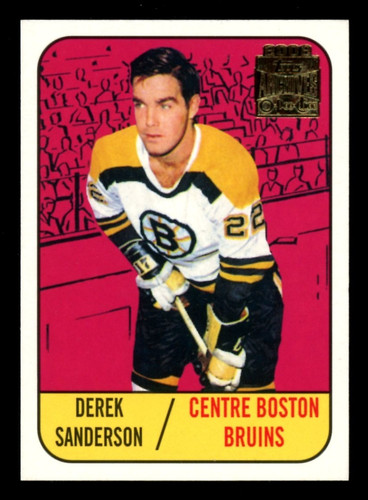 |
Derek Sanderson #33 1967 Topps |
$58.22 | $8,455 | 145.2× |
 |
Checklist Card #120 1967 Topps |
$57.93 | $8,452 | 145.9× |
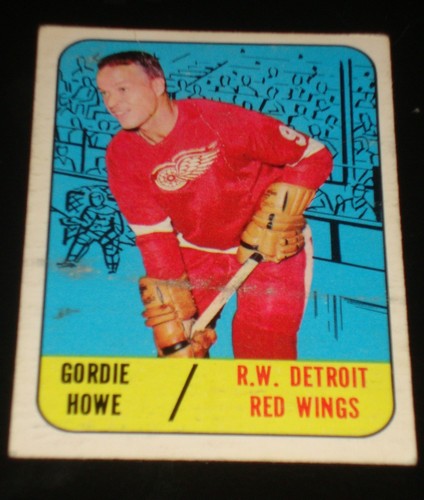 |
Gordie Howe #43 1967 Topps |
$40.49 | $6,175 | 152.5× |
 |
Jean Beliveau #74 1967 Topps |
$41.69 | $5,769 | 138.4× |
 |
Bobby Hull #113 1967 Topps |
$22.91 | $4,882 | 213.1× |
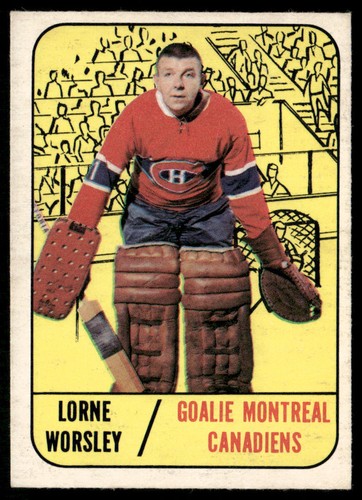 |
Lorne Worsley #1 1967 Topps |
$22.85 | $4,568 | 199.9× |
 |
Rogatien Vachon #75 1967 Topps |
$95.69 | $4,453 | 46.5× |
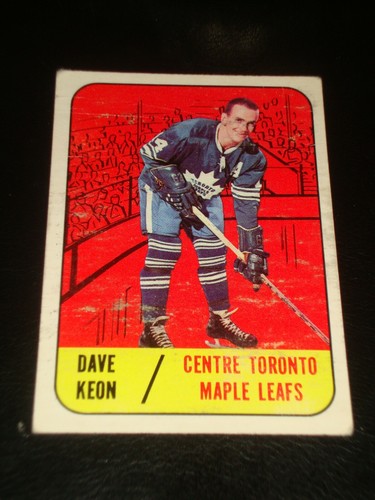 |
Dave Keon #11 1967 Topps |
$30.35 | $4,448 | 146.6× |
Look up any card's current raw and graded value in Midpoint — and get an estimated grade before you pay to submit.
Table of Contents
- Section 1: The 1967-68 Topps Hockey Set at a Glance
- Section 2: A 1967 Topps Price Guide: Raw vs Graded Values
- Section 3: Bobby Orr #92 and How to Identify the Right Card
- Section 4: Rookies, Stars, Trophy and All-Star Cards
- Section 5: Commons, Near-Complete Sets and Complete Sets
- Section 6: Condition, Centering and the PSA 10 Value Gap
- Section 7: Which 1967 Topps Cards Are Worth Grading
- Conclusion
- FAQ
Section 1: The 1967-68 Topps Hockey Set at a Glance
If you are researching 1967 topps hockey cards value, start with the structure of the set. It is small, compact and loaded with Original Six talent, which is why it holds steady collector attention decades later.
Checklist and Set Size
The 1967-68 Topps hockey set runs 132 cards. That is a manageable checklist for set builders, and it is one reason complete and near-complete sets are a real market of their own.
- Original Six era players: The set features players from the Original Six teams, even though the NHL doubled in size with expansion that season. Hall of Famers appear across the checklist.
- Trophy cards: Several cards honor award winners. The Calder Memorial Trophy #118 card featuring Bobby Orr and the Stan Mikita Triple Crown #64 card are two of the best known.
- All-star subset: Twelve all-star cards close out the set, numbered #121-132.
Why This Set Matters to Collectors
Three things give the set staying power. First, Bobby Orr's second-year card, #92, is the centerpiece. Second, it includes rookie cards such as Derek Sanderson #33 and Rogie Vachon #75. Third, it is a vintage set built around the Original Six teams.
How This Guide Handles Prices
Values here come only from Midpoint's own card database, and the data table that follows this section shows raw and graded figures as of 2026-11-15. Hockey vintage prices move with every new auction, so treat any figure, including those, as a snapshot and not a promise. Rather than repeat the table in prose, the rest of this guide explains why the numbers sit where they do and how to use them.
Section 2: A 1967 Topps Price Guide: Raw vs Graded Values
A useful 1967 Topps price guide separates three things: ungraded (raw) cards, mid-grade slabs, and high-grade slabs. Mixing them up is the most common valuation mistake in vintage hockey.
The Three Value Tiers
- Raw, ungraded: Cards sold loose or in a holder without a grade. Prices depend on the seller's description and your own read of the card. Buyers discount raw cards because condition is uncertain.
- PSA 7 and below: Cards with visible wear that still present well. This is where much of the set's collector demand sits, because high grades are hard to find.
- PSA 8-10: The premium tier. Because vintage hockey from this era is prone to rough cuts, off-center printing and edge chipping, high grades carry steep multiples over the grade below.
Price Guides vs Real Sales
Price guides are estimates, often built from averaged or lagged data. Recent auction and marketplace sales are what buyers actually paid. For a thin market like 1967 hockey, a single sale of a high-grade Orr can move the picture, and guide figures can trail behind.
When you compare, keep these rules:
- Match the grade exactly. A PSA 7 comp tells you nothing about a PSA 8.
- Separate raw comps from graded comps. Never use a slab's price to value a loose card.
- Look at several sales. One outlier, such as a bidding war, is not a market.
- Check the date. Older sales may no longer reflect current demand.
Using the Data Table
Read the table by comparing each card's raw figure to its graded figures. The distance between those columns is the gem-premium gap, and it tells you which cards deserve a grading submission. Cards with a small gap are usually fine to keep raw. Cards with a large gap reward careful pre-grading.
Section 3: Bobby Orr #92 and How to Identify the Right Card
When people ask about the most valuable 1967 Topps cards in hockey, the answer starts with Bobby Orr #92. It is the set's key card by a wide margin.
Why Orr's Second-Year Card Is the Key
Orr's true rookie card is the 1966-67 Topps card #35. The 1967-68 Topps #92 is his second-year card, but it is the one that anchors this set. Orr's legend, his place among the greatest defensemen ever, and the fact that his first Topps issue is far pricier and scarcer keep demand for #92 strong. For many collectors it is the more attainable Orr from the Topps era.
Orr also appears in the Calder Memorial Trophy #118 card, which gives him a second desirable card in the same set.
How to Tell Your Orr Is the 1967-68 Card
Confusion between Orr cards is common. Use this checklist:
- Check the card number. The 1967-68 Topps Orr is #92. The 1966-67 Topps Orr rookie is #35.
- Read the back. Season stats and the year line help place the issue. Compare against a verified example from the correct year.
- Compare design, not just photo. Later O-Pee-Chee Orr cards and reprints differ in layout, printing and card stock from original Topps issues.
- Be wary of reprints. Crisp, glossy, perfectly bright cards with modern stock or a reprint marking are not originals.
What Drives Orr's Value
Every element below affects what an Orr #92 sells for:
- Grade. The jump between PSA grades is dramatic for key cards.
- Centering. Off-center Orrs are common and are discounted.
- Corners and edges. Soft corners and chipping are the usual culprits for a lower grade.
- Eye appeal. Strong color, clean borders and a sharp image can push a card above its grade in practice.
For exact raw and graded Orr figures, see the table above, valued as of 2026-11-15.
Section 4: Rookies, Stars, Trophy and All-Star Cards
Beyond Orr, the set holds several cards that carry real demand. These are the ones to sort first when you open a box of old hockey.
Key Rookies
- Derek Sanderson #33: A rookie card for a player closely tied to Orr and the Bruins' rise. Collectors like the Orr connection.
- Rogie Vachon #75: A goaltender rookie from the Original Six era, popular with Canadiens fans and vintage goalie collectors.
Rookie cards generally command a premium over a player's later cards, and these two are among the set's most recognized rookies.
Hall of Fame Stars
- Gordie Howe: One of the sport's all-time names. His cards are consistent sellers across every grade.
- Bobby Hull: A superstar of the era with broad collector appeal.
- Stan Mikita: Among the best players of the decade, and the focus of a famous trophy card.
Stars like these tend to hold a baseline of demand even in lower grades, which makes them safer than most commons when you consider whether a card is worth anything ungraded.
Trophy Cards
The Calder Memorial Trophy #118 card featuring Orr and the Stan Mikita Triple Crown #64 card stand out. Trophy cards carry subject-matter appeal on top of the player's name. Mikita's Triple Crown card commemorates a rare feat, and the Calder card pairs Orr with a trophy he won.
The 12 All-Star Cards (#121-132)
The all-star subset gathers top players, so you will find Hall of Famers inside it. Values vary widely: a star-heavy all-star card behaves like a star card, while a lesser name behaves like a common. Check the individual name and grade rather than assuming the whole subset moves as one block.
Section 5: Commons, Near-Complete Sets and Complete Sets
A big question for new collectors is whether a pile of old 1967 hockey cards is worth much. The honest answer is: it depends on who is in the pile and what shape the cards are in.
Commons vs Stars
Most of the 132 cards are not stars. Commons, especially those with creases, rounded corners, surface wear or staining, sell for a small fraction of what stars and key cards bring. A worn common is rarely worth grading, since the fee alone can exceed the card's value.
That said, vintage commons in strong condition still sell, and set builders fill gaps with them. Condition matters more than name here.
Near-Complete Sets
A near-complete set, missing a handful of cards, is usually valued by what is missing. If the absent cards are Orr #92 or other key cards, the set loses a large share of its worth. If the gaps are commons, the set stays attractive to builders who want a head start.
Complete Sets
A complete 132-card set is worth more as a whole than as a pile of random cards, because assembling it takes real effort and expense. But set value depends heavily on the weakest and strongest components:
- Key card condition. Orr #92 and top stars dominate the value. A set with a high-grade Orr is a different animal from a set with a damaged one.
- Overall grade level. Sets are often described as "VG-EX" or "EX-NM," and this shifts the price a lot.
- Graded vs raw. A fully graded set, such as a PSA registry set, sells in a separate market from an ungraded set.
Should You Break Up a Set?
Sometimes the stars sell for more individually than the set sells for whole, but breaking a set costs time and fees. Compare a set sale against the sum of expected card sales, using the same grade assumptions, before you decide. Keep in mind that the broken-out commons will add very little.
Section 6: Condition, Centering and the PSA 10 Value Gap
Condition is the biggest lever on 1967 Topps PSA 10 value and on every grade below it. For vintage hockey, a top grade is genuinely hard to earn.
What Graders Look At
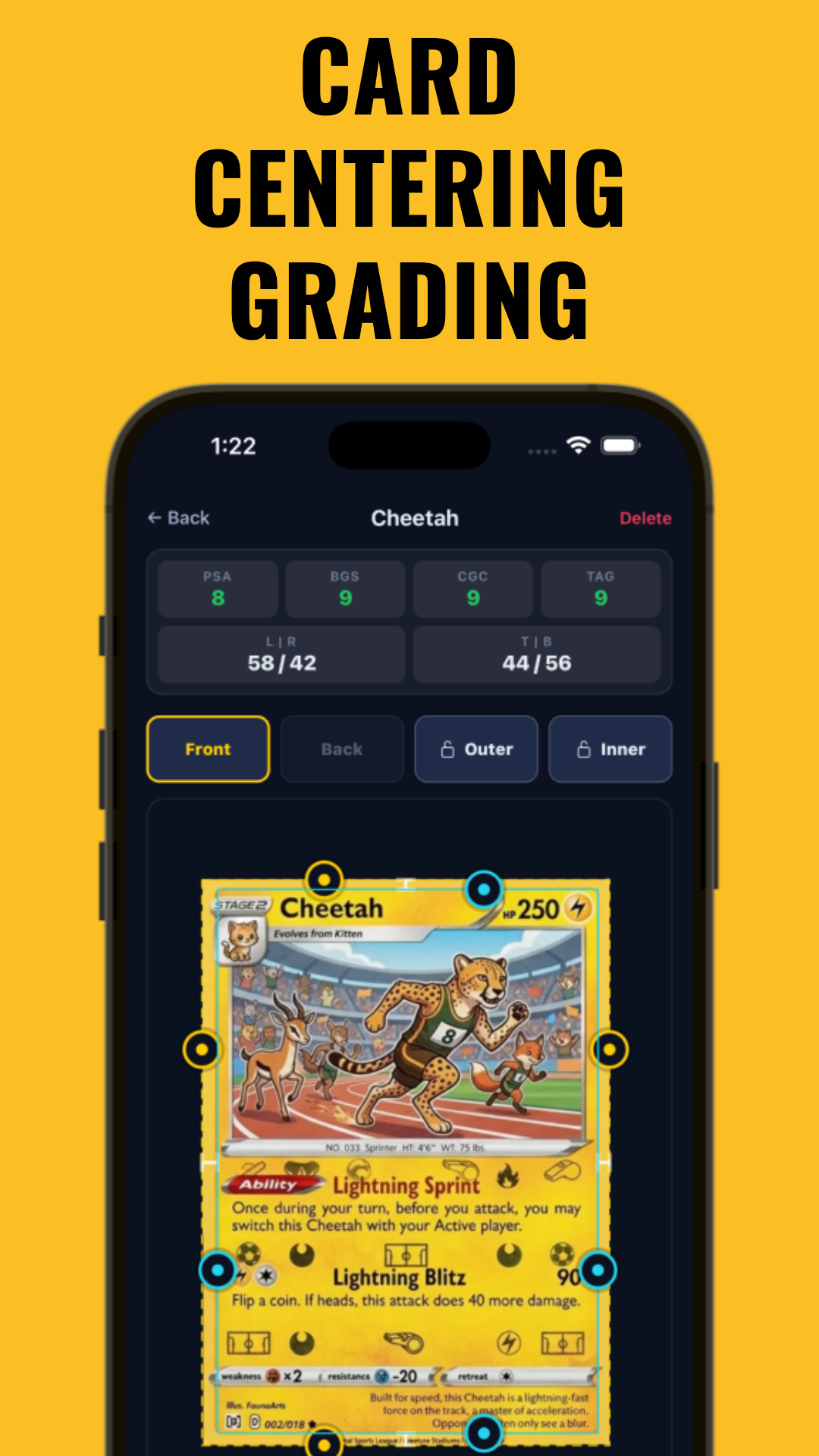
- Centering: The balance of borders left to right and top to bottom. Vintage Topps hockey is often off-center, and heavy off-centering caps the grade. Our guide on how centering impacts card value breaks down the effect.
- Corners: Sharp points earn higher grades. Fuzzing or rounding pulls the card down.
- Edges: Chipping is especially visible on the darker borders of these cards.
- Surface and print defects: Print spots, wax stains, roller marks, scratches and gloss loss all matter.
Scarcity and Population Reports
Population reports show how many copies of a card PSA has graded at each level. A low population at a given grade usually supports a higher price, especially for key cards. Remember that population counts reflect only what has been submitted, not every copy that exists. Our guide on grading low population cards explains how to read them.
The Gem-Premium Gap
The gem-premium gap is the difference between a card's value at a high grade and at the grade just beneath it. In this set, the gap can be very large for key cards. A PSA 10, if one exists for a given card, can be worth many times a PSA 9, and PSA 9 can be worth far more than PSA 8. That is why even small flaws matter so much.
Understand the scale differences across companies too. A PSA 10 and a BGS 10 do not mean the same thing, as covered in our post on grading scale differences by company.
Section 7: Which 1967 Topps Cards Are Worth Grading
Knowing which 1967 Topps cards are worth grading keeps you from wasting money. Grading typically costs tens of dollars per card, depending on the company and service level, so the card's likely slabbed value has to justify the cost, plus shipping and wait time.
Strong Grading Candidates
- Bobby Orr #92: Even mid-grade Orrs gain from authentication and a clear grade.
- Sanderson #33 and Vachon #75: Rookies with a visible gap between raw and graded.
- Howe, Hull and Mikita: When the card has sharp corners, clean surfaces and decent centering.
- Trophy cards like Calder #118 and Mikita Triple Crown #64: Worth a look if the condition is strong.
Cards to Skip
- Commons with creases, rounded corners or staining.
- Cards with obvious trimming or alteration, which graders will reject.
- Cards where the grading fee would eat most of the expected gain.
Pre-Grade Before You Pay
The smartest step is to estimate the grade first. Measure centering, check corners and edges under good light, and compare the result with what graded sales look like at each level. Our walkthrough on how to pre-grade your card covers the steps.
Midpoint helps here. It measures centering to the millimeter and gives an AI-based estimated PSA, BGS, CGC or TAG grade from centering, corners, edges and surface, plus raw vs graded card lookups. Use it to decide before you submit.
A Simple Decision Rule
Compare the expected graded value at your realistic grade, minus fees, against the raw value. If the gain is clear even at the lower end of your grade estimate, submit. If you only profit at a perfect grade, hold.
Conclusion
The value of 1967 Topps hockey cards comes down to a few clear drivers: Bobby Orr #92 at the top, a deep layer of Hall of Famers and rookies like Sanderson #33 and Vachon #75, the trophy and all-star subsets, and a wide gap between common cards and well-graded key cards.
Check the card number first so you know you have the right issue, separate raw comps from graded comps, and treat price guides as estimates rather than guarantees. Then pre-grade your best cards and only submit where the numbers work. With Midpoint, you can measure centering and estimate grades from your phone before you spend a cent on grading.
FAQ
Q: How much is a 1967 Topps Bobby Orr hockey card worth?
A: It depends on which card and which grade. The 1967-68 Topps Orr #92 is the set's key card, and values rise sharply with each PSA grade. Check the raw and graded figures in the data table above (as of 2026-11-15) and compare them with recent sales of the same grade.
Q: What is the most valuable card in the 1967-68 Topps hockey set?
A: Bobby Orr #92 is the set's key card. Other high-demand cards include the Orr Calder Memorial Trophy #118, rookies Derek Sanderson #33 and Rogie Vachon #75, and stars like Gordie Howe, Bobby Hull and Stan Mikita.
Q: How much is a complete 1967-68 Topps hockey card set worth?
A: A complete 132-card set is worth more than a random pile, but the total depends mostly on the condition of Orr #92 and the other stars, plus the overall grade level. Compare the sum of expected individual sales with set sales before buying or selling.
Q: Are 1967 Topps hockey cards worth anything if they are not graded?
A: Yes. Raw stars and key cards in decent shape still sell. Worn commons are worth little, and raw cards are discounted because condition is uncertain. Graded copies in higher grades are worth considerably more.
Q: What 1967-68 Topps hockey cards are rare or valuable?
A: Beyond Orr #92, look at Sanderson #33, Vachon #75, Howe, Hull, Mikita, the Calder Trophy #118 card, the Mikita Triple Crown #64 card, and star-heavy cards in the #121-132 all-star subset. High-grade copies of any of these are scarcer than low-grade ones.
Q: How do I tell if my 1967 Topps hockey card is a Bobby Orr rookie card?
A: It is not, technically. Orr's rookie is the 1966-67 Topps #35. The 1967-68 Topps Orr is #92, his second-year card. Check the card number and the back, and compare against verified examples to separate originals from reprints and later O-Pee-Chee issues.
Free to start
Try the Midpoint app
Grade any card from a photo, see its raw and PSA 10 value, and track what your collection is worth — free.
Get it on iPhoneGet it on Android


