Archazia's Island PSA 9 vs PSA 10 Value: Which Cards Jump?
Archazia's Island PSA 9 vs PSA 10 value: how to calculate the premium, where centering decides the grade, and when a PSA 9 is the smarter buy.

Estimated reading time: 9 min
Key Takeaways
- The Archazia's Island PSA 9 vs PSA 10 value gap is not one fixed number. It is a per-card multiplier (PSA 10 price ÷ PSA 9 price), and it varies widely between cards.
- The biggest PSA 10 premium shows up on high-demand chase cards, especially Enchanted and other top-rarity cards, where one centering or surface flaw separates a 9 from a 10.
- Bottom line: grade a card only if the PSA 10 premium, multiplied by your realistic odds of hitting a 10, beats your grading costs. Otherwise a PSA 9, or simply keeping the card raw, is often the smarter buy.
- Compare completed sales, not asking prices, and match the exact card, variant and language before you trust any gap.
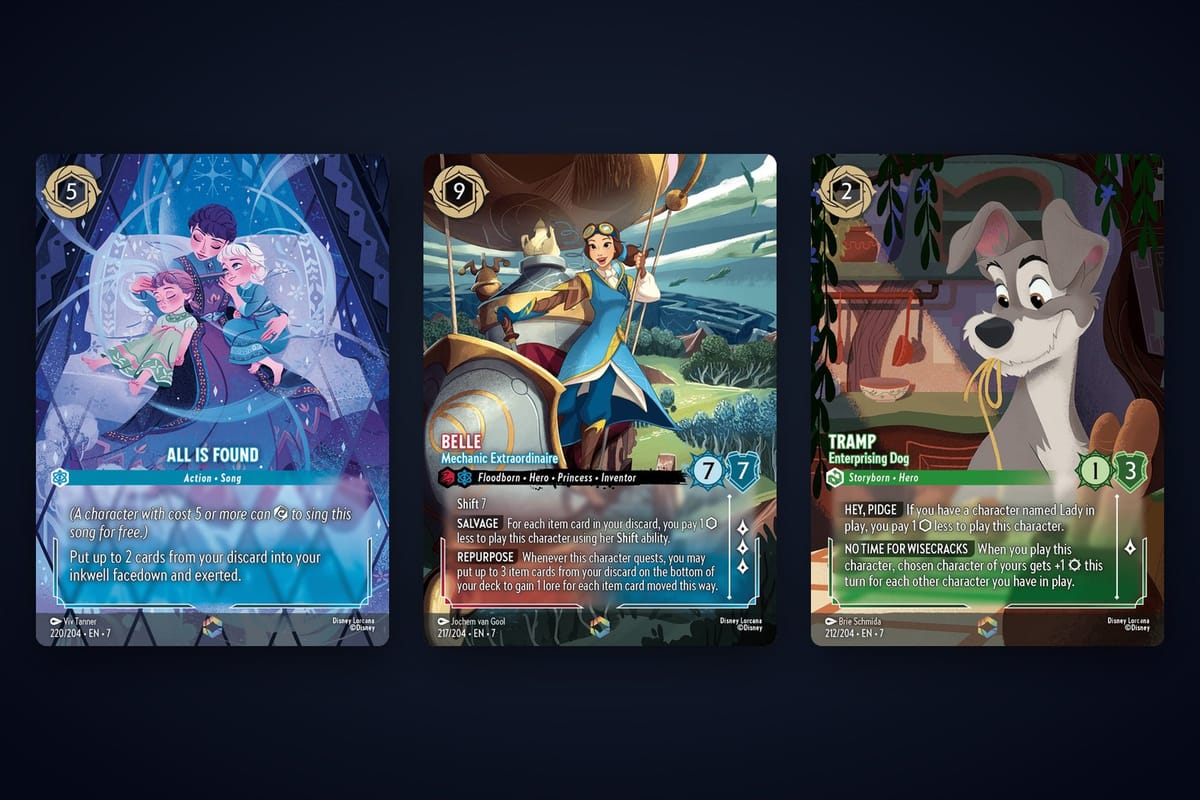
This post compares Archazia's Island PSA 9 vs PSA 10 value for Disney Lorcana cards: what the price difference means, why it differs card by card, and when a PSA 9 is worth it. The quick answer is that a PSA 10 almost always sells at a premium, but only some cards have a premium big enough to justify the cost and risk of grading. The table in this post shows the PSA 9 and PSA 10 values from Midpoint's database as of 2026-10-28, so you can calculate the multiplier for each card yourself.
Card values — live data from Midpoint's card database, as of 2026-10-28. Prices move; Midpoint refreshes these daily.
| Card | Raw | PSA 10 | Gem premium | |
|---|---|---|---|---|
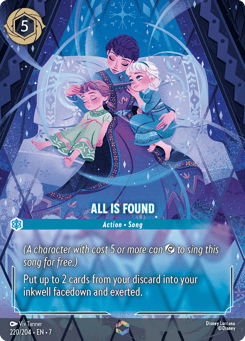 |
All Is Found #220/204 Archazia's Island (2025) |
$279.21 | $2,157 | 7.7× |
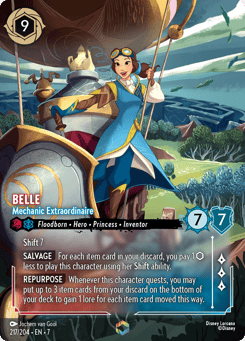 |
Belle #217/204 Archazia's Island (2025) |
$172.67 | $1,465 | 8.5× |
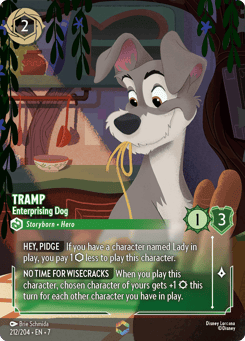 |
Tramp #212/204 Archazia's Island (2025) |
$106.61 | $1,413 | 13.3× |
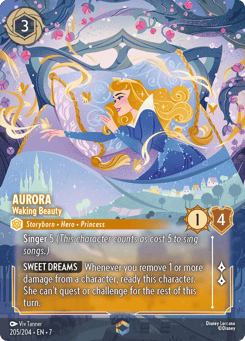 |
Aurora #205/204 Archazia's Island (2025) |
$268.01 | $1,395 | 5.2× |
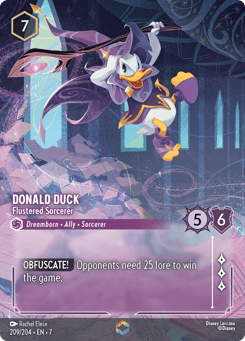 |
Donald Duck #209/204 Archazia's Island (2025) |
$177.07 | $1,146 | 6.5× |
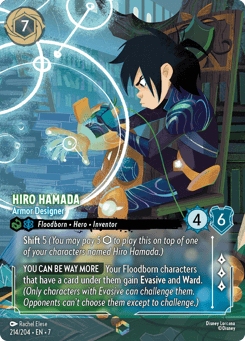 |
Hiro Hamada #214/204 Archazia's Island (2025) |
$60.70 | $1,101 | 18.1× |
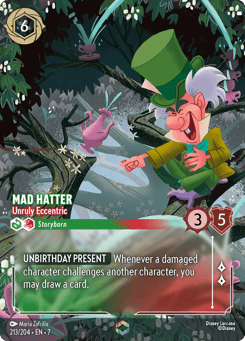 |
Mad Hatter #213/204 Archazia's Island (2025) |
$111.25 | $850.86 | 7.7× |
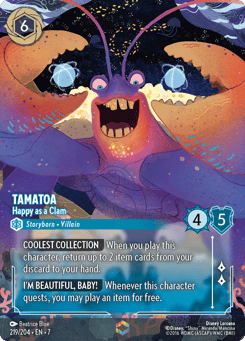 |
Tamatoa #219/204 Archazia's Island (2025) |
$132.29 | $727.04 | 5.5× |
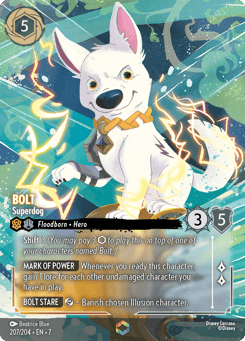 |
Bolt #207/204 Archazia's Island (2025) |
$91.44 | $669.90 | 7.3× |
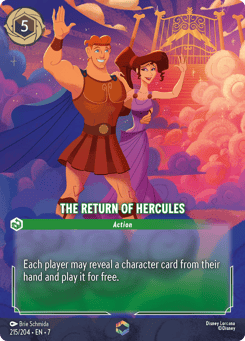 |
The Return of Hercules #215/204 Archazia's Island (2025) |
$66.72 | $607.72 | 9.1× |
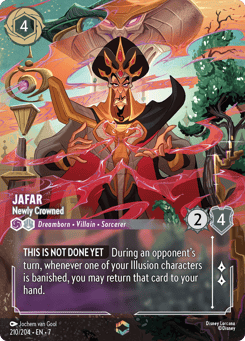 |
Jafar #210/204 Archazia's Island (2025) |
$101.01 | $582.19 | 5.8× |
 |
Belle #126/204 Archazia's Island (2025) |
$0.20 | $499.99 | 2500× |
Look up any card's current raw and graded value in Midpoint — and get an estimated grade before you pay to submit.
Quick Comparison: PSA 9 vs PSA 10 for Archazia's Island
| Dimension | PSA 9 (Mint) | PSA 10 (Gem Mint) |
|---|---|---|
| Price level | Lower entry price, closer to raw value | Carries the premium, often the card's headline price |
| Scarcity | Typically more copies in the PSA population report | Fewer copies, so gem rate matters |
| Centering tolerance | Looser than a 10 | Strictest centering standard |
| Tolerance for flaws | May have one minor imperfection | Essentially no visible flaws at normal viewing |
| Best for | Collectors on a budget, display copies | Investors, set completionists, chase cards |
| Premium behavior | Tends to track closer to raw value | Varies card by card, can shift as population grows |
| Risk when grading | The common outcome for clean cards | The goal, but never guaranteed |
The PSA 9 vs PSA 10 Price Difference on Archazia's Island, Card by Card
The simplest way to measure the psa 9 vs psa 10 price difference for Archazia's Island is to divide the PSA 10 value by the PSA 9 value. That gives you the multiplier. Then subtract the two for the dollar gap.
- Multiplier tells you how much the market rewards perfection on that card.
- Dollar gap tells you how much money is on the table before grading costs and selling fees.
Both matter. A low-priced card can have a large multiplier but a tiny dollar gap that grading fees swallow. A chase card can have a moderate multiplier but a gap in the tens or hundreds of dollars.
When you read the data table in this post (values as of 2026-10-28), sort the cards by multiplier and by dollar gap separately. Cards near the top of both lists are where the Archazia's Island PSA 10 premium is meaningful. Cards near the bottom of both lists are usually better left raw or bought as a PSA 9.
Why the gap differs by card
- Demand: Players and collectors chase a handful of cards, and a PSA 10 of those cards is the trophy version.
- Rarity tier: Enchanted and other top-rarity cards tend to carry larger absolute premiums than commons and uncommons, whose graded copies often trade near what grading costs.
- Supply of 10s: A card that is easy to gem has more PSA 10s, which usually narrows the premium over time.
- Print quality: Cards that commonly show centering or surface problems have fewer 10s, so the 10 earns more.
Where Centering Decides Everything
On many modern trading cards, centering is the first reason a card misses a PSA 10. PSA publishes tighter centering tolerances for a 10 than for a 9, so a card that looks great to the eye can still land at a 9 because of an uneven border. The grading scale differences by company are worth reading if you also consider BGS, CGC or TAG.
This matters most on the cards with the biggest multipliers. If the 10 is worth a lot more than the 9, then a small left-right or top-bottom shift is the difference between a profitable submission and a break-even one. For a deeper look, see how centering impacts card value.
What else separates a 9 from a 10
- Corners: Slight whitening or softness on a corner can cap the grade at 9.
- Edges: Chipping along dark borders or foil edges is easy to miss by eye.
- Surface: Scratches, print lines, dimples and holo or foil texture defects show under angled light.
- Print defects: Ink spots, registration issues and foil scuffs can come straight from the pack.
- Eye appeal: Overall impression matters when a card sits on the border between two grades.
Foil-heavy cards deserve extra scrutiny. Inspect them under a light at several angles before you decide anything.
Is a PSA 9 Worth It for Archazia's Island?
The honest answer to "is a PSA 9 worth it for Archazia's Island" depends on what you are comparing it to.
- PSA 9 vs raw: If the PSA 9 sells for only a little more than the raw card, grading will not pay. If the gap is large, a 9 can still be a profitable outcome on a high-demand card.
- PSA 9 vs PSA 10: If the multiplier is small, buying the 9 saves you money for nearly the same card. If the multiplier is large, the 9 is the budget option and the 10 is the investment.
When a PSA 9 is the smarter buy
- The PSA 10 multiplier is modest and you just want a protected, graded copy.
- You are collecting for display, not resale.
- The card has a high PSA 10 population, so the premium may compress.
- The 10 is priced on a handful of sales and could be thinly traded.
When to hold out for the PSA 10
- The card is a perennial chase card with strong demand.
- The 10 population is low and the 10 has a track record of selling quickly.
- You are completing a high-end set and condition consistency matters.
Archazia's Island Grading Value: The Math Behind a Submission
The real Archazia's Island grading value is an expected-value calculation, not just a price gap. Use this framework:
- Expected return = (chance of a 10 × PSA 10 value) + (chance of a 9 × PSA 9 value) + (chance of lower grades × their values).
- Total cost = raw card cost + grading fee + shipping both ways + insurance + selling fees and taxes.
- Profit = expected return − total cost.
Grading fees depend on the service level and declared value and change over time, so check PSA's current pricing and add shipping, insurance and selling fees on top. For cheap cards, that fixed cost alone can wipe out the premium. For expensive cards, it is a small fraction of the potential upside.
The weak link is the "chance of a 10" input. Most people guess too high. The best way to improve that estimate is to pre-grade: measure centering and check corners, edges and surface before you pay. Our guide to how to pre-grade your card walks through it step by step.
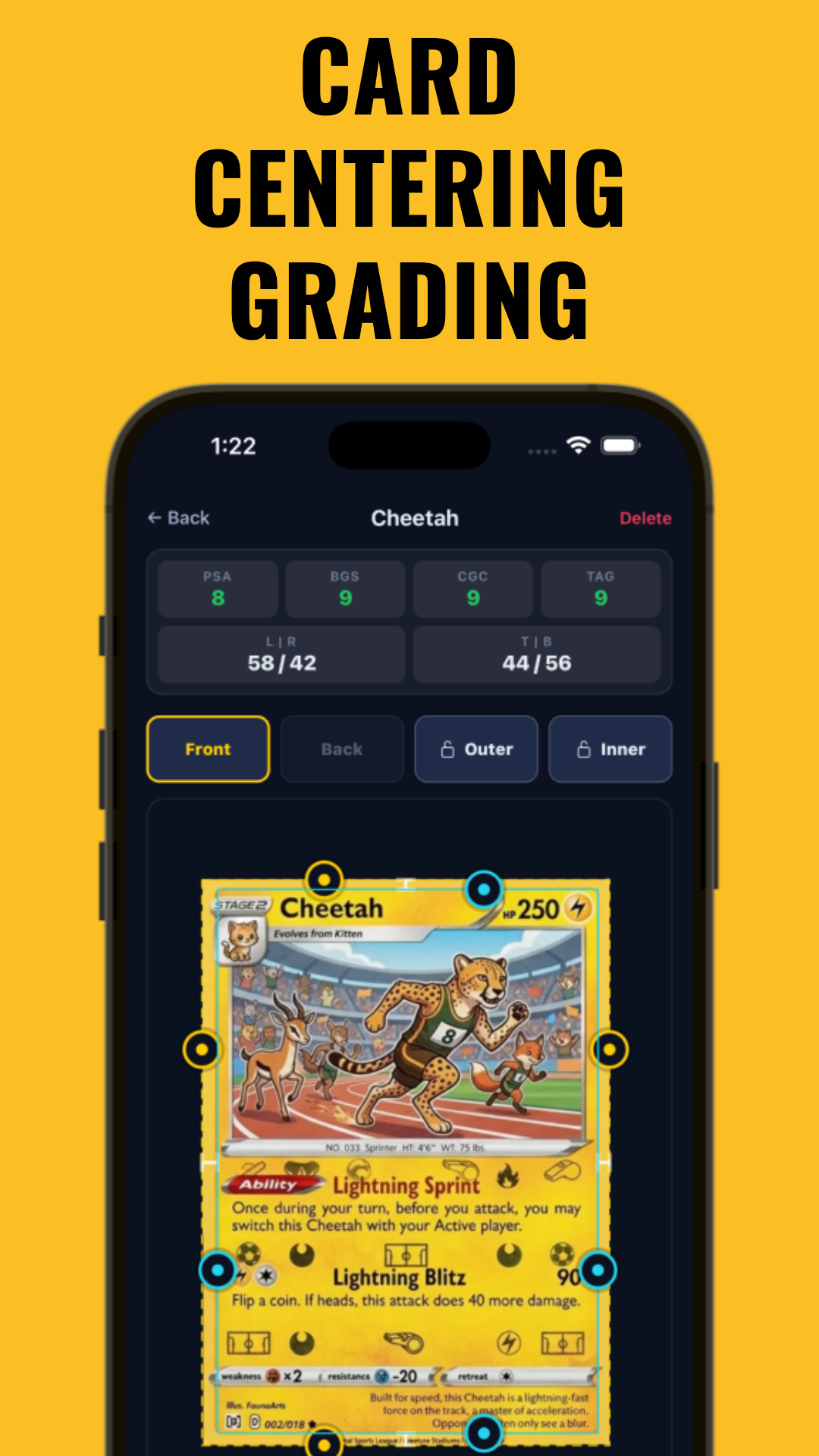
With Midpoint, you can measure your card's centering and get an estimated PSA, BGS, CGC or TAG grade before you spend on a submission. That turns a guess into a number you can plug into the formula above.
Population, Scarcity and Price Trends
Price is only half the picture. The PSA population report tells you how many copies PSA has graded at each level for each card. Two numbers matter:
- PSA 10 population: How many gem copies exist.
- Gem rate: PSA 10s as a share of total graded copies. A low gem rate usually supports a larger premium.
Populations change as more cards are submitted, so check the live report instead of relying on a number from an article. Lower-population cards behave differently, and our guide to card grading for low population cards covers that dynamic.
Completed sales vs. active listings
Active listings show what sellers hope to get. Completed sales show what buyers paid. For a PSA 10 with few sales, a single high or low sale can distort the picture, so look at several recent sales and ignore outliers. Treat any single snapshot, including the as-of 2026-10-28 values in this post, as a starting point and verify it against current sold listings before you buy or submit.
Trend and volatility
Newer-set graded cards tend to move as populations grow and demand shifts. The PSA 10 premium can change over time, often faster than the PSA 9 price. If you track a card for a few weeks before submitting, you will see whether the premium is expanding or compressing.
Identify the Exact Card Before Comparing Prices
Many wrong comparisons come from comparing the wrong card. Before you trust any PSA 9 or PSA 10 value, confirm:
- Card name and number: The collector number identifies the card within the set.
- Rarity and variant: Standard, Enchanted and other treatments are priced very differently.
- Foil type: Regular and cold foil versions are separate listings.
- Language: English and other-language copies do not share a price.
- Label details: Confirm the grade, the card name on the PSA label, and the cert number.
Midpoint's card lookup shows raw versus graded values, which makes it faster to confirm you are looking at the right version.
Which Should You Choose?
- You own a raw, high-demand card with sharp centering: Pre-grade it. If the estimate supports a 10 and the multiplier is large, submit.
- You own a raw card with visible centering issues: Skip grading, or expect a 9 or lower. Run the expected-value math with a 9 as the likely result.
- You are buying to collect and display: A PSA 9 is usually the best value per dollar, especially where the multiplier is modest.
- You are buying as an investment: Prefer a PSA 10 on cards with strong demand and a low gem rate, and compare completed sales first.
- You own a low-value card: Fixed grading costs often exceed the premium. Keep it raw and protect it. See how to store valuable cards.
For a fast check, our free centering calculator is a good first step before a full pre-grade.
FAQ
How much is an Archazia's Island PSA 9 worth?
It depends on the card. Values range widely between common cards and top-rarity cards such as Enchanted. Check the data table in this post (as of 2026-10-28) for the card you own, then confirm against recent completed sales.
How much is an Archazia's Island PSA 10 worth?
A PSA 10 is worth more than a PSA 9 for most cards, and the amount varies by card. The table in this post lists values as of 2026-10-28. For the most current number, look at recent sold listings for the exact variant.
Is a PSA 10 worth more than a PSA 9 for Archazia's Island cards?
Generally yes. The size of the premium differs by card. High-demand cards usually carry a larger dollar gap, while low-value cards may have a gap too small to cover grading costs.
What is the PSA 9 to PSA 10 price multiplier for Archazia's Island cards?
There is no single multiplier. Divide a card's PSA 10 value by its PSA 9 value to get its own. Do this for each card using the values in the table above (as of 2026-10-28).
Which Archazia's Island cards are worth grading?
Cards where the PSA 10 premium is large in dollars, the card has strong demand, and your pre-grade shows clean centering, corners, edges and surface. Skip cards where the gap is smaller than your total grading costs.
How many PSA 10 copies exist for Archazia's Island Enchanted cards?
The number changes as more cards are graded and differs by card. Check PSA's live population report for the exact Enchanted card you are researching.
Free to start
Try the Midpoint app
Grade any card from a photo, see its raw and PSA 10 value, and track what your collection is worth — free.
Get it on iPhoneGet it on Android