Azurite Sea Lorcana Cards Value: Chase Cards & PSA 10 Gap
Azurite Sea Lorcana cards value guide: top chase cards, the raw vs PSA 10 gem premium, booster box vs singles, and which cards are worth grading.

Estimated reading time: 11 min
Key Takeaways
- Azurite Sea Lorcana cards value is concentrated at the top: Enchanted cards, led by Tigger - In the Crow's Nest, carry most of the set's worth.
- The gap between raw and PSA 10 is widest on the chase cards, so centering and surface matter more there than anywhere else in the set.
- Most non-Enchanted cards are not worth grading. The fee, shipping and risk usually outweigh the premium.
- Sealed boxes and singles follow different price logic. Compare live listings before you buy or sell either.
Card values — live data from Midpoint's card database, as of 2026-10-28. Prices move; Midpoint refreshes these daily.
| Card | Raw | PSA 10 | Gem premium | |
|---|---|---|---|---|
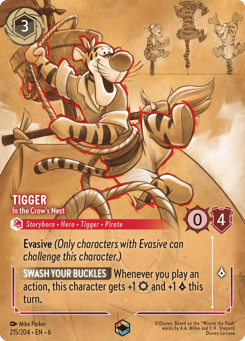 |
Tigger #215/204 Azurite Sea (2024) |
$158.81 | $814.20 | 5.1× |
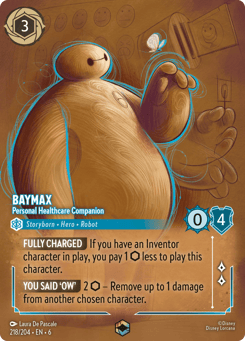 |
Baymax #218/204 Azurite Sea (2024) |
$115.64 | $759.96 | 6.6× |
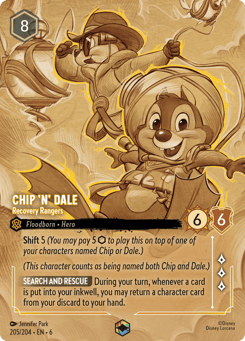 |
Chip 'n' Dale #205/204 Azurite Sea (2024) |
$73.85 | $610.90 | 8.3× |
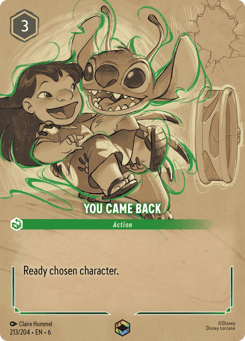 |
You Came Back #213/204 Azurite Sea (2024) |
$104.85 | $568.14 | 5.4× |
 |
Rafiki #52/204 Azurite Sea (2024) |
$0.20 | $523.64 | 2618.2× |
 |
We Could Be Immortals #219/204 Azurite Sea (2024) |
$80.95 | $458.98 | 5.7× |
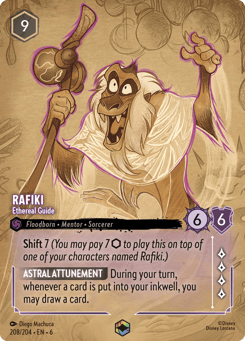 |
Rafiki #208/204 Azurite Sea (2024) |
$62.99 | $365.37 | 5.8× |
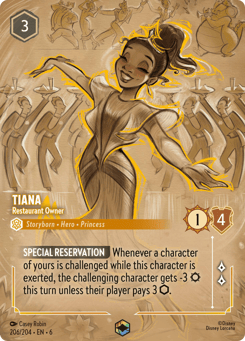 |
Tiana #206/204 Azurite Sea (2024) |
$86.67 | $348.19 | 4× |
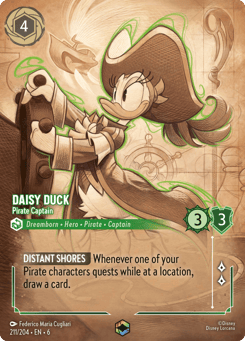 |
Daisy Duck #211/204 Azurite Sea (2024) |
$62.50 | $299.24 | 4.8× |
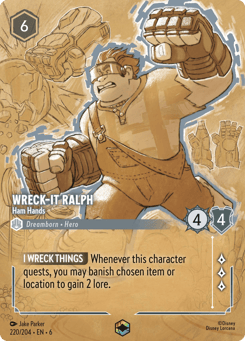 |
Wreck-It Ralph #220/204 Azurite Sea (2024) |
$52.36 | $279.99 | 5.4× |
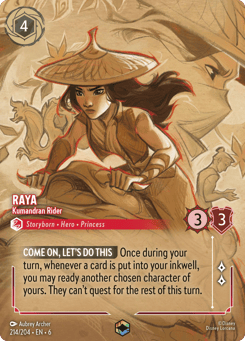 |
Raya #214/204 Azurite Sea (2024) |
$45.92 | $264.47 | 5.8× |
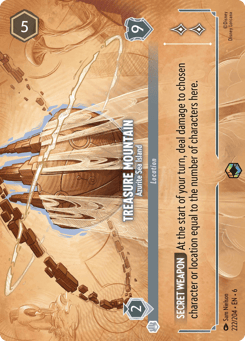 |
Treasure Mountain #222/204 Azurite Sea (2024) |
$24.65 | $249.20 | 10.1× |
Look up any card's current raw and graded value in Midpoint — and get an estimated grade before you pay to submit.
Table of Contents
- Section 1: Azurite Sea Set Overview and What Drives Value
- Section 2: Azurite Sea Price Guide: How to Read the Numbers
- Section 3: Most Valuable Azurite Sea Cards and Chase Cards
- Section 4: Azurite Sea PSA 10 Value and the Gem Premium
- Section 5: Azurite Sea Cards Worth Grading
- Section 6: Booster Box vs Singles
- Section 7: Budget Picks, Non-Enchanted Value and Selling Smart
- Conclusion
- FAQ
Section 1: Azurite Sea Set Overview and What Drives Value
If you want to understand Azurite Sea Lorcana cards value, start with how the set is built. Azurite Sea is a 2024 Disney Lorcana release with a 204-card main set, plus Enchanted cards that sit above the normal rarity ladder. That structure shapes every price you will see.
Set size and rarity structure
Lorcana sets follow a familiar pattern. Most of the 204 cards are commons, uncommons and rares. A smaller slice is Super Rare and Legendary. Enchanted cards are the premium tier, with full-art treatments that are far harder to pull.
- Commons and uncommons: plentiful, mostly bulk unless they are staples in competitive decks.
- Rares, Super Rares and Legendaries: mid-tier, with value tied to playability.
- Enchanted: the chase tier and the main driver of the set's total worth.
The four things that move price
Four forces explain nearly every Azurite Sea price:
- Scarcity: how hard the version is to pull from a pack.
- Playability: whether the card is a staple in competitive decks.
- Character appeal: fan-favorite Disney characters pull collector demand regardless of the meta.
- Finish and condition: foil, Enchanted treatment and Near Mint quality.
A card that scores on several of these at once tends to sit at the top of the set. A card that scores on none is bulk.
The table below shows specific figures from Midpoint's database, dated 2026-10-28. Use it alongside the explanations in the rest of this guide, since single-day prices are only a snapshot.
Section 2: Azurite Sea Price Guide: How to Read the Numbers
Any Azurite Sea price guide is only as useful as your understanding of what the number means. The same card can show several different prices depending on source, finish and condition.
Market price vs listing price
A market price is typically an average of recent completed sales. A listing price is what sellers are asking right now. Listings are often higher than market, and the lowest listing is often a damaged or non-English copy.
- Use market price to estimate what a card is actually worth.
- Use live listings to see current competition when you plan to sell.
- Ignore a single outlier sale. One buyer overpaying does not reset the market.
Normal, foil and Enchanted printings
Each Azurite Sea card can exist in multiple versions, and they price very differently:
- Normal (non-foil): the baseline. This is the version most players buy for decks.
- Foil: a premium over normal, usually modest on commons and larger on desirable cards.
- Alternate art and promo versions: priced on rarity and demand, not on the base card.
- Enchanted: a different price universe entirely, often many times the normal version.
Condition, language and marketplace
Quoted prices assume Near Mint condition. A card with whitening on the edges or surface scratches sells for less, and the discount grows with the card's value. Language matters too: English copies generally anchor the price guides you see, while other languages trade on their own markets.
Marketplace also affects value. TCGplayer reflects the US market in dollars. Cardmarket reflects Europe in euros. The two can differ because of supply, shipping and local demand, so compare both before treating one number as final.
Prices also move daily. A new set release, a ban announcement or a viral pull video can shift a card within days, which is why a dated snapshot is only a starting point.
Section 3: Most Valuable Azurite Sea Cards and Chase Cards
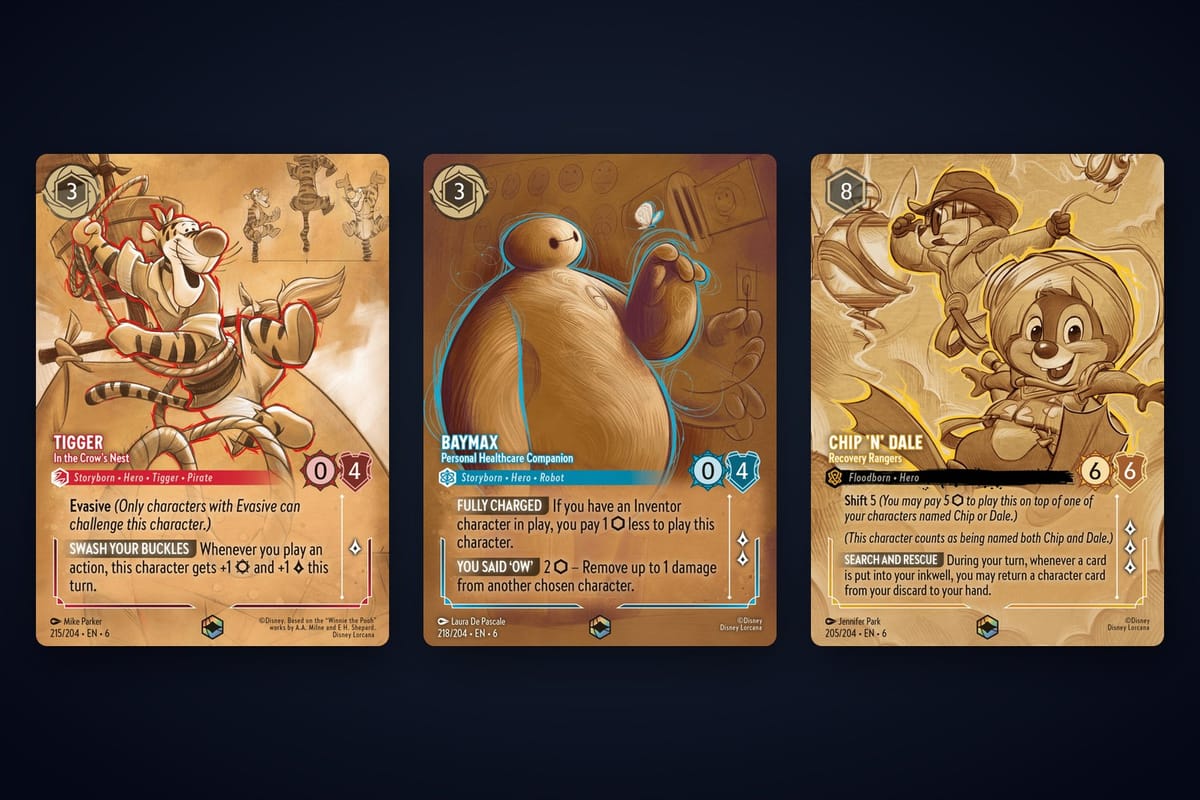
The most valuable Azurite Sea cards are overwhelmingly Enchanted. The clear leader is Tigger - In the Crow's Nest (Enchanted), which tops the set on both market interest and price.
Why Tigger leads
Tigger combines every demand driver. It is an Enchanted card, so supply is limited. It features a hugely popular character. And the art is a standout in a set with many strong treatments. Collectors who want a trophy card from the set often start here.
Other chase cards to know
Beyond Tigger, the chase list includes Enchanted versions of cards such as Baymax, Tiana, You Came Back and We Could Be Immortals. Check the exact card name and version in your lookup, because several characters have multiple printings in the set.
- Character-driven Enchanteds (Tigger, Baymax, Tiana) rely on fan appeal.
- Song Enchanteds (You Came Back, We Could Be Immortals) rely on striking art and collector completionism.
- Playable staples can hold value outside the Enchanted tier when a deck depends on them.
How the top 10 usually shakes out
The top of any Lorcana set price list tends to be dominated by Enchanted cards, with a few Legendary or Super Rare staples and foil versions filling out the rest. The order within the top 10 can swap week to week, but the pattern is stable. If you want the exact ranking, check the table in this guide and then confirm against live data.
One practical point: the gap between the number-one card and the rest is large. Pulling a single top Enchanted can matter more to a box's return than every other rare combined.
Section 4: Azurite Sea PSA 10 Value and the Gem Premium
Azurite Sea PSA 10 value is where raw and graded prices diverge most. The difference between a raw Near Mint copy and a PSA 10 is the gem premium, and it is not uniform across the set.
Why the premium varies
The premium depends on how many collectors actually want a slabbed copy, and how hard a 10 is to achieve. On chase Enchanteds, buyers want the best copy available, so the premium can be large. On a common, almost nobody pays extra for a slab, so the premium can be zero or even negative after fees.
- High-demand Enchanteds: the gem premium is largest because collectors pay for certainty.
- Mid-tier rares: modest premium, often not enough to cover costs.
- Commons and uncommons: little to no premium.
What a 10 actually requires
A top grade needs near-perfect centering, sharp corners, clean edges and a flawless surface. Lorcana's foil and Enchanted finishes can show surface issues and edge wear that are easy to miss by eye. For a breakdown of how the companies differ, see this guide to grading scale differences between PSA, BGS and CGC.
Population and scarcity of graded copies
Graded value is also affected by how many copies reach each grade. Early on, few slabbed copies exist, and prices can run high. As more people submit, the supply of 10s grows and the premium often compresses. This is why graded prices on a newer set can look different a year later. Always check current population reports before assuming yesterday's slab price still holds.
The key takeaway: the gem premium is real on the top cards, but it is a bet on condition, not a guarantee.
Section 5: Azurite Sea Cards Worth Grading
Deciding which Azurite Sea cards are worth grading comes down to simple math. Grading only makes sense when the expected graded value, after fees and risk, beats the raw value.
The grading math
Use this logic:
- Estimate the chance your card lands at each grade (10, 9, 8 or lower).
- Multiply each chance by the typical sale price at that grade.
- Add them up, then subtract the grading fee, shipping, insurance and selling fees.
- Compare to what the raw card sells for today.
With fees starting around $30 for many submissions, only cards with a meaningful gem premium clear the bar. In practice that means the Enchanted chase cards and a few high-value foils, not the bulk of the set.
Check centering first
Centering is the easiest flaw to measure before you submit, and it is often the one that rules a card out. A noticeably off-center Enchanted is unlikely to hit a 10, which changes the math completely. Our guide on how centering impacts card value explains the tolerances, and you can run a quick check with the free centering calculator.
Pre-grade before you pay
Midpoint estimates a PSA, BGS, CGC or TAG grade from centering, corners, edges and surface, so you can screen your pulls before paying for submission.
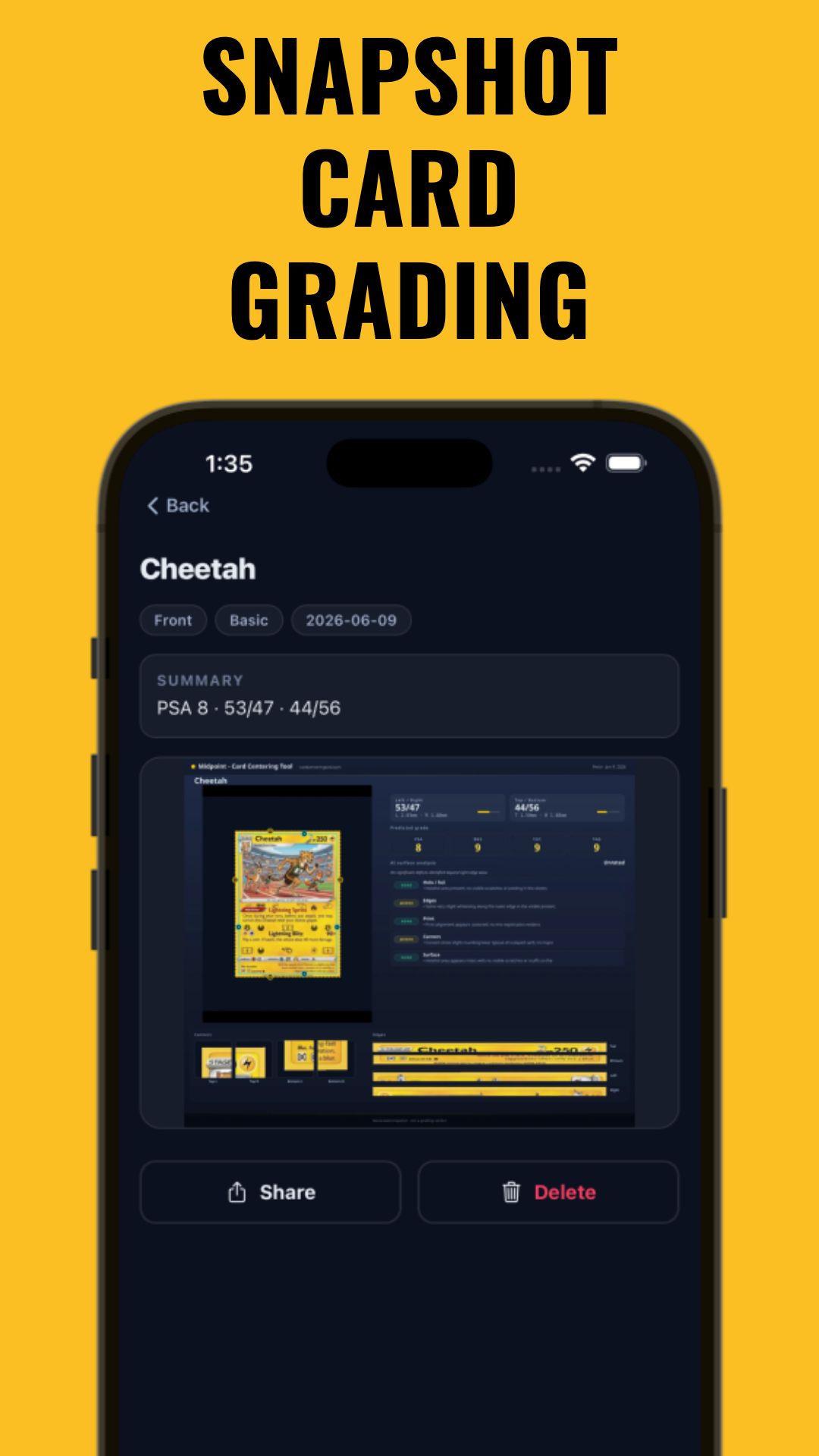
If you want a manual routine as well, follow the steps in how to pre-grade your card. Cards that score well on both centering and surface are the ones worth sending. Cards that fail either test are better sold raw.
Section 6: Booster Box vs Singles
Is an Azurite Sea booster box worth buying or selling? The answer depends on whether you are opening for the experience, chasing cards, or investing in sealed product.
Opening a box: the math
A Lorcana booster pack has 12 cards, and a booster box holds 24 packs. Because the set's value sits in a small number of Enchanted and rare cards, the return from opening is highly variable. Some boxes yield a major chase card. Many do not.
- Buy singles if you want specific cards or a playable deck. It is almost always cheaper and more certain.
- Open packs if you enjoy the pull. Treat it as entertainment, not a guaranteed profit.
- Hold sealed only if you are comfortable with storage and a long timeline.
Sealed product as a long-term hold
Sealed boxes from older sets can appreciate when a set goes out of print and demand outlasts supply. That is not guaranteed. Reprints, print-run size and collector interest all affect it. If you do hold sealed, store it properly. Our guide on how to store valuable cards covers humidity, light and handling.
Selling a box
Before selling, compare three numbers: current sealed market price, the expected value of opened singles, and your net after fees. If the sealed price is higher than what you would likely get from opening and selling singles, selling sealed is the better move. If it is lower, opening may make more sense, but you take on pull variance and the time cost of listing many cards.
Always check live sealed listings on the day you decide. Sealed prices move with supply, and a quick check can save you from selling at the wrong time.
Section 7: Budget Picks, Non-Enchanted Value and Selling Smart
Are Azurite Sea cards worth anything if they are not Enchanted? Yes, but in a different way. The value of non-Enchanted cards comes from playability and finish, not from rarity alone.
Budget cards under $1
Many commons and uncommons are bulk and trade for well under a dollar. That is not a problem if you are building a deck. These cards are the backbone of most lists, and buying them as singles is inexpensive.
- Buy playsets of staples rather than whole boxes.
- Choose normal versions for decks and save foils for display.
- Look for cards that fit multiple archetypes, since demand is steadier.
Valuable non-Enchanted cards
Some rares, Super Rares and Legendaries hold real value because competitive decks depend on them. Foil versions of these can carry an extra premium. Value here is tied to the meta, so it can rise or fall when new sets or rule changes arrive.
Track and check before you sell
Before selling or trading, do three things:
- Check live sold listings, not just asking prices.
- Verify condition honestly. Overgrading your own card leads to returns and disputes.
- Compare TCGplayer and Cardmarket if you can sell in either market.
If you hold many cards, a portfolio tracker helps you see how your collection's value changes over time. Midpoint covers Lorcana along with Pokémon, Magic, One Piece, Yu-Gi-Oh and sports cards, with raw and graded values in one place. For insured or high-value pieces, see how a grade can affect insurance value too.
Conclusion
Azurite Sea Lorcana cards value is top-heavy. A handful of Enchanted cards, led by Tigger - In the Crow's Nest, carry most of the worth, while the bulk of the 204-card main set trades at low prices that suit deck building. The gem premium, the gap between raw and PSA 10, is largest on those chase cards and close to meaningless on commons.
The practical approach is simple. Use a dated price guide as a starting point, confirm with live sold listings, and only grade cards where centering, corners, edges and surface give you a realistic shot at a top grade. Weigh sealed boxes against singles on the day you decide, and keep an eye on volatility. Prices change daily, and your decisions should follow the data, not the hype.
FAQ
Q: What is the most valuable card in Azurite Sea?
A: Tigger - In the Crow's Nest (Enchanted) is the top card in the set. Enchanted cards generally dominate the highest prices in Azurite Sea.
Q: How much is the Tigger Enchanted card from Azurite Sea worth?
A: It is the set's most valuable card, but the exact figure changes daily and depends on condition, finish and marketplace. Check live TCGplayer and Cardmarket listings, or Midpoint's lookup, for a current number.
Q: What are the chase cards in Disney Lorcana Azurite Sea?
A: The chase cards are mainly Enchanted printings, including Tigger - In the Crow's Nest, plus cards such as Baymax, Tiana, You Came Back and We Could Be Immortals. Verify the exact version before buying or selling.
Q: Is an Azurite Sea booster box worth buying or selling?
A: It depends on your goal. Singles are usually cheaper if you want specific cards, while opening is variable because value sits in a few rare pulls. Compare the live sealed price against the likely value of the singles before deciding.
Q: How much is the complete Azurite Sea card set worth?
A: Set totals depend heavily on whether you count Enchanted and foil versions, because those make up a large share of the value. Add up current market prices for the exact version you want, and recheck, since totals shift with daily prices.
Q: Are Azurite Sea cards worth anything if they are not Enchanted?
A: Yes, but usually less. Most commons and uncommons are bulk, while some rares, Super Rares, Legendaries and foils hold value because decks use them. Playability is the main driver outside Enchanted.
Free to start
Try the Midpoint app
Grade any card from a photo, see its raw and PSA 10 value, and track what your collection is worth — free.
Get it on iPhoneGet it on Android