
Baseball Card Prices Rising November 2026: What to Do
Baseball card prices rising in November 2026: how to read 30-day movers, raw vs PSA 10 values, lockout risk, and whether to buy, hold, sell or grade.

Estimated reading time: 9 min
Key Takeaways
- Baseball card prices rising in November 2026 may be a real pattern, but a 30-day jump is not proof of lasting demand.
- Compare 7-day and 30-day moves, and trust completed sales over asking prices.
- Raw and PSA 10 values can move very differently, so check both before you pay to grade.
- Lockout headlines and championship buzz can inflate active-player cards, while vintage and Hall of Famers tend to be steadier.
Baseball card prices rising in November 2026 is a topic across hobby shops, auction pages and collector groups. Trending baseball cards are everywhere, and the baseball card market in November 2026 may be moving fast enough to tempt both buyers and sellers.
This guide shows how to read the move. The data table in this post lists the biggest 30-day gainers with raw and PSA 10 values as of 2026-11-18. Below, we explain what can drive baseball cards going up in value and how to decide whether to buy, hold, sell or grade.
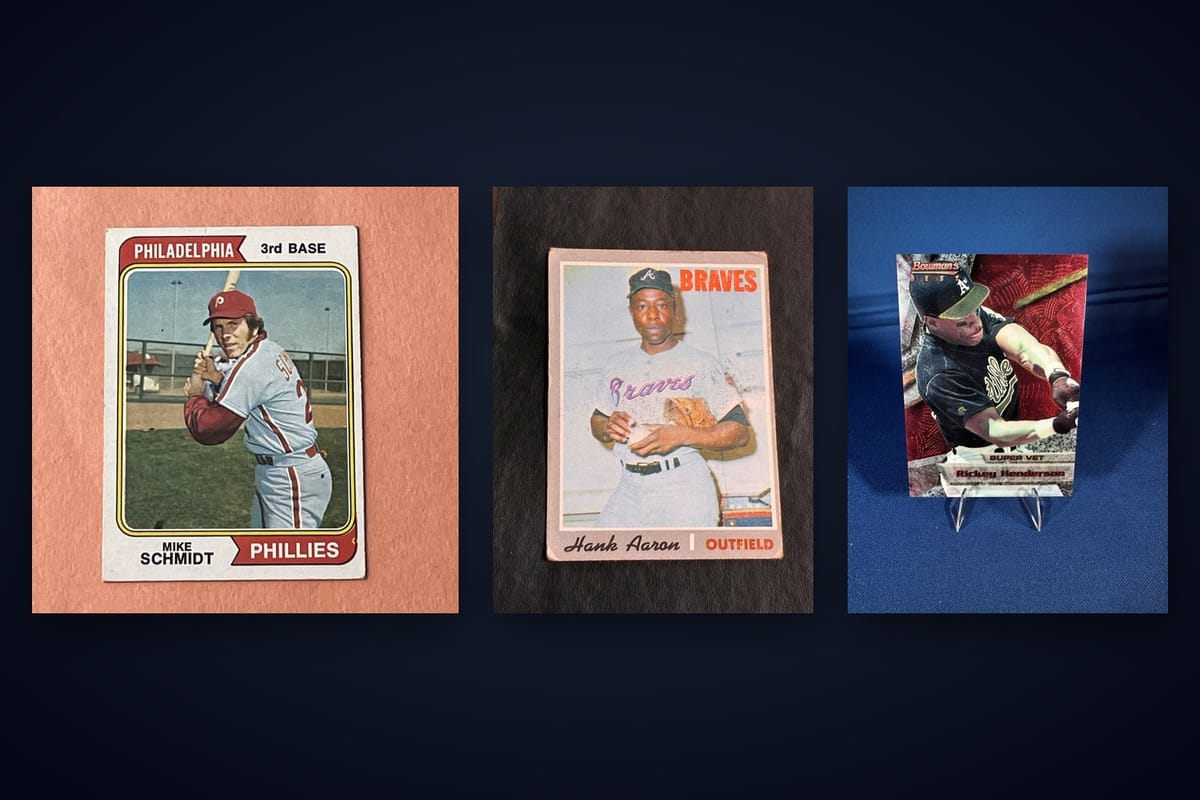
30-day price movers — live data from Midpoint's card database, as of 2026-11-18. Prices move; Midpoint refreshes these daily.
| Card | Raw | PSA 10 | 30-day | |
|---|---|---|---|---|
 |
Mike Schmidt #283 1974 Topps |
$13.87 | $18,770 | +37.1% |
 |
Hank Aaron #500 1970 Topps |
$25.65 | $9,041 | +30.9% |
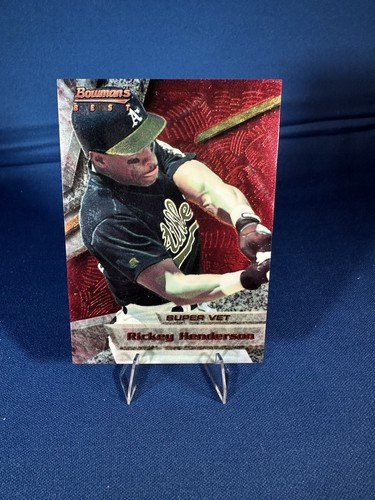 |
Rickey Henderson [Red Refractor] #4 1994 Bowman's Best |
$43.57 | $1,505 | +28.7% |
 |
Yogi Berra #50 1954 Topps |
$71.10 | $16,030 | +24.8% |
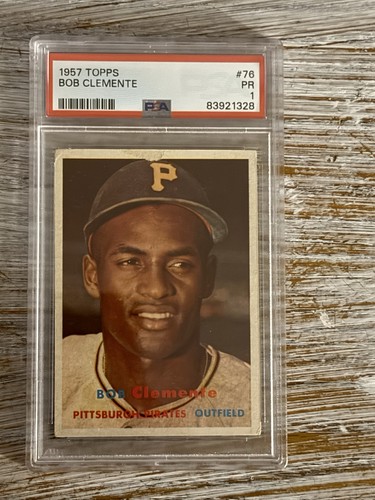 |
Bob Clemente #76 1957 Topps |
$135.70 | $27,694 | +6.3% |
 |
Mickey Mantle [Yellow] #500 1969 Topps |
$235.04 | $28,348 | +5% |
 |
Ted Williams #66 1954 Bowman |
$1,667 | $371,025 | +2.6% |
 |
Mickey Mantle [White] #500 1969 Topps |
$1,029 | $138,551 | +0.9% |
 |
Freddie Freeman #BDPP12 2007 Bowman Chrome Draft Picks & Prospects |
$15.50 | $188.25 | +0.4% |
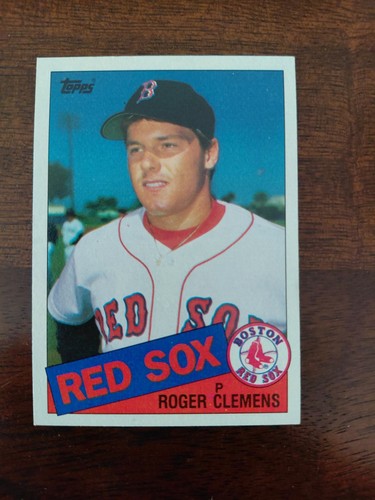 |
Roger Clemens #181 1985 Topps Tiffany |
$364.92 | $16,046 | +0.3% |
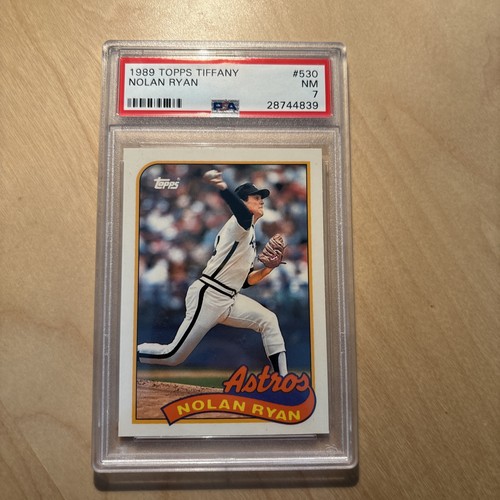 |
Nolan Ryan #530 1989 Topps Tiffany |
$19.95 | $998.26 | +0.3% |
 |
Juan Soto [Orange] #DJRC-JS 2025 Topps Definitive Collection Jumbo Relic |
$49.88 | $250.94 | 0% |
Look up any card's current raw and graded value in Midpoint — and get an estimated grade before you pay to submit.
1. Read the 7-Day and 30-Day Movers the Right Way
Start with the table above, then compare two windows. The 7-day change shows what is hot right now. The 30-day change shows whether a rise has had time to hold.
The two windows tell different stories:
- Up on both: momentum is building and has lasted a few weeks.
- Up on 7 days, flat on 30: probably a short spike. Wait.
- Up on 30, down on 7: the market may be cooling after a run.
Also check how thin the market is. A card with only a handful of sales can jump on a single transaction, so a big percentage on a low-volume card deserves skepticism.
2. Shohei Ohtani: The Bellwether for Active-Player Cards
Ohtani cards are often seen as a gauge of the modern market. When collectors get excited, his name tends to move early, and his cards attract buyers beyond baseball.
That cuts both ways. Heavy attention means his cards can be expensive relative to their last sale, and any pullback is easy to see. If an Ohtani card appears in the movers table, compare its raw and PSA 10 values. A wide gap means condition is doing most of the pricing work.
- Treat his cards as a read on overall sentiment, not a guaranteed winner.
- Prefer cards with deep recent sales history over rare one-offs.
3. Nick Kurtz and Roki Sasaki: Rookie Hype Needs a Reality Check
Young players and prospects drive many November searches. Nick Kurtz and Roki Sasaki are the kind of names that can gain fast on performance, awards talk and roster news.
Prices for young players are the most sensitive to headlines. A strong week can lift a card, and a slump or injury can erase the gain just as quickly. Keep these habits:
- Buy a rookie because you believe in the career, not because last week's chart is green.
- Prefer first-year cards from flagship sets over obscure parallels.
- Set a sell price before you buy.
4. William Contreras and Team-Driven Momentum
Some of the buzz around a player can come from team success, such as a deep playoff run or a title, along with rookie awards and call-ups. William Contreras and other Brewers players are an example of players whose cards can draw team collectors and casual buyers when their team is in the news.
The catch is that team-driven demand can fade once the celebration ends. Local and team collectors often stay loyal, but speculators may leave. Ask whether the player would still be attractive without the team's run. If yes, a dip may be a buying chance. If no, consider taking the gains.
5. 2026 Topps, Bowman, Chrome and Home Field Advantage
Current-year products are where much of the rising activity may sit. 2026 Topps, Bowman, Chrome and Home Field Advantage cards are new, so prices are still finding their level.
Fresh releases often start high on excitement and may drift as supply arrives, with only true standouts rising again. That is why many collectors buy a promising rookie after the initial rush.
- Bowman: watched for prospect and first-card appeal.
- Chrome: shiny finish and parallels, often graded.
- Home Field Advantage: newer-set demand, so check recent sales carefully.
6. Inserts, Parallels and Autographs
Scarcity drives the extremes. Numbered parallels, short-print inserts and autographs often move more than base cards, up and down.
With autographs, check the card itself. On-card signatures, clean placement and sharp corners matter, and a weak example can sit far below the headline price. For parallels, confirm the exact variant, because a small difference in color or numbering can mean a large difference in value.
7. Sold Prices vs. Asking Prices
A listing price is a wish. A completed sale is a fact. When baseball card prices rise, sellers often raise asking prices faster than buyers are willing to pay them.
Before acting on any mover, look at recent completed eBay sales and auction results:
- How many sold in the last 30 days?
- Are bids active, and how many?
- Is the latest sale above or below the earlier ones?
Rising sales volume with rising prices is a strong sign. Rising prices on only one or two sales is not.
8. Raw vs. PSA 10: How Grade Changes the Price
Condition can move a card's value more than the player's headlines. Compare the raw and PSA 10 columns in the table above for any card you own. A big gap means a high grade is where the value sits.
Grading costs money (fees vary by company and service level, and often start around $20 to $30 or more per card), so it only makes sense when the card can plausibly reach the top grade. Centering is often the first thing that rules a card out, as we explain in how centering impacts card value. For a step-by-step process, see how to pre-grade your card.
You can also measure centering and get an estimated PSA, BGS, CGC or TAG grade in Midpoint before you submit anything.
9. The MLB Lockout Factor
A possible lockout raises a question: do collectors buy active-player cards before games stop, or hold off? Both can happen. Some buyers may chase cards now, while others fear weaker demand if the sport goes quiet.
Expect volatility rather than a clear direction. Shops may change buying offers, and sellers may cut prices to raise cash. Do not assume headlines alone are lifting prices; look for rises that appear across several players and card types.
- Active-player cards tend to feel lockout news most.
- Retired stars generally depend less on the season schedule.
10. Vintage, Hall of Famers and 1990s Inserts: The Steadier Side
Not every riser is a current player. Kirby Puckett, other Hall of Famers and 1990s inserts can climb without relying on stats or schedules. Their demand often comes from nostalgia and a limited supply of clean copies.
That makes vintage and iconic names a common hedge against modern-card swings, though not a guarantee. Condition matters even more here, and population counts do too. See our guide on grading low population cards.
Also protect what you hold. Good storage preserves condition and value, covered in how to store valuable cards.
11. Decide: Buy, Hold, Sell or Grade
Not every price increase is lasting. Run each candidate through a quick test.
- Buy: the rise is on both 7- and 30-day windows, sales volume is healthy and you would own the player anyway.
- Hold: the card is up but sales are thin, so wait for confirmation.
- Sell: the spike is tied to one headline and you hold a copy you would not keep long term.
- Grade: the PSA 10 premium over raw is large and your centering and corners look strong.
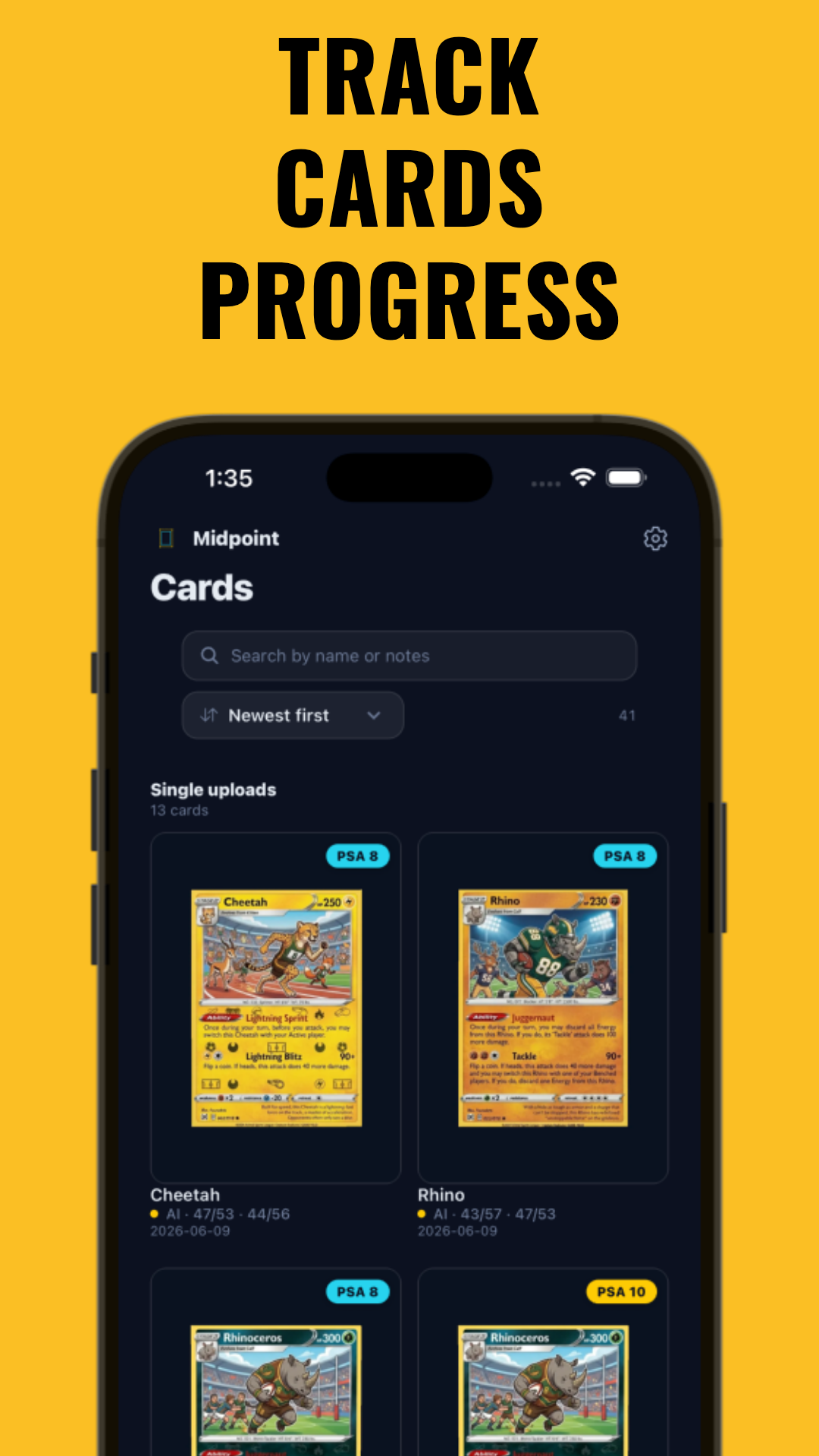
Tracking helps. Logging your cards shows what the market does to your collection over time.
Conclusion
The baseball card market in November 2026 may offer real chances, but the best moves come from checking sold prices, comparing 7- and 30-day trends, and separating hype from lasting demand. Modern rookies and team-driven cards can run on headlines, while vintage and Hall of Famers often offer a steadier base.
Before you grade, measure centering and estimate the grade first with Midpoint, which is free on iOS and Android. It can save you from paying for a submission that will not pay off.
FAQ
Q: Which baseball cards are rising in price in November 2026?
A: Check the data table in this post, which lists the biggest 30-day gainers with raw and PSA 10 values as of 2026-11-18. Names in the conversation include Shohei Ohtani, Nick Kurtz, Roki Sasaki, William Contreras and Kirby Puckett.
Q: What baseball cards have increased the most in value over the last 30 days?
A: The table above ranks them by 30-day movement. Compare it with 7-day changes and recent sales volume to see whether a gain is holding.
Q: Are baseball card prices going up because of the MLB lockout threat?
A: It may play a part, but the effect is unclear. Lockout fears can push some buyers in and others out, so expect volatility, especially in active-player cards.
Q: Which 2026 Topps and Bowman baseball cards are worth buying now?
A: Focus on rookies and players with deep sales history, and confirm completed sales first. Compare raw and PSA 10 values to see how much grade matters.
Q: Are modern baseball cards or vintage cards a better investment in November 2026?
A: Neither is guaranteed. Modern cards can rise faster on headlines but fall just as fast. Vintage and Hall of Famers tend to be steadier, though condition is critical.
Q: How can I tell whether a baseball card price increase is real or temporary?
A: Look for rises across both 7- and 30-day windows, backed by several completed sales rather than listing prices. If a spike traces to one headline or one sale, treat it as temporary.
Free to start
Try the Midpoint app
Grade any card from a photo, see its raw and PSA 10 value, and track what your collection is worth — free.
Get it on iPhoneGet it on Android


