
Basketball Card Prices Dropping November 2026: 10 Takeaways
Basketball card prices dropping November 2026: which cards cooled, why prices fall, and how to use the dip, including grading a well-centered cheap copy.

Estimated reading time: 9 min
Key Takeaways
- Basketball card prices dropping in November 2026 looks like a cooling, not a collapse: week-over-week action is flat, while 30-day trends are modestly lower.
- Modern releases and PSA 10 copies tend to feel the most pain. Iconic vintage and select legend cards have been more resilient.
- Supply, fading hype, season timing and holiday selling pressure are plausible explanations for most of the slide.
- A dip can be a good time to hunt well-centered raw copies, but only if you measure centering before you pay to grade.
If you have been watching basketball card prices dropping in November 2026, you are not imagining it. Many modern cards are cheaper than they were a month ago, and sellers are competing harder for buyers heading into the holidays.
This guide walks through the basketball card market in November 2026 as a practical list: what moved, why, and what to do about it. Card figures come from Midpoint's own database as of 2026-11-24. I do not guess at numbers beyond it.
30-day price movers — live data from Midpoint's card database, as of 2026-11-24. Prices move; Midpoint refreshes these daily.
| Card | Raw | PSA 10 | 30-day | |
|---|---|---|---|---|
 |
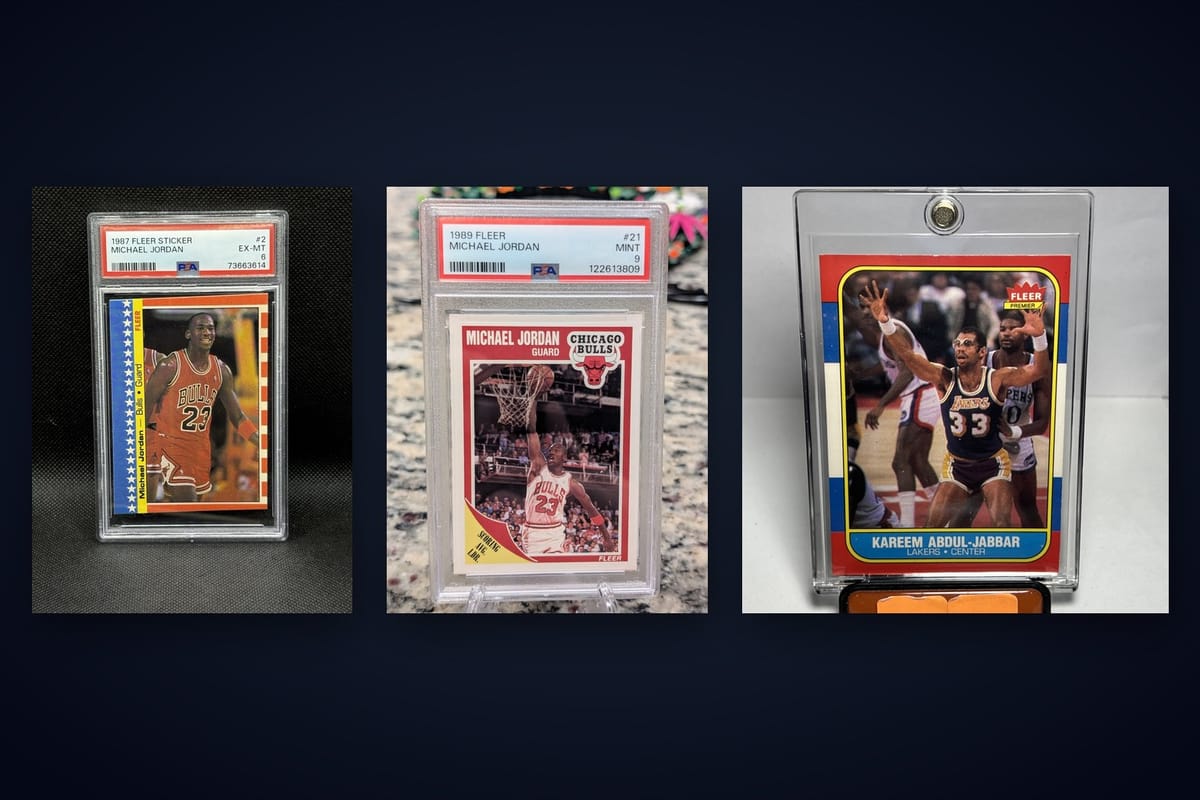
Michael Jordan #2 1987 Fleer Sticker |
$190.00 | $35,400 | -53.2% |
 |
Michael Jordan #21 1989 Fleer |
$22.75 | $2,575 | -32.5% |
 |
Kareem Abdul-Jabbar #1 1986 Fleer Sticker |
$37.25 | $15,641 | -26% |
 |
Michael Jordan #57 1986 Fleer |
$3,741 | $304,492 | -23.2% |
 |
Stephen Curry #M-3 2025 Topps Chrome Update Minionfractor |
$8,725 | $35,138 | -18.9% |
 |
Michael Jordan #5 1990 Fleer All-Star |
$10.38 | $1,633 | -18.8% |
 |
Shaquille O'Neal [Trade Card] #1 1992 Upper Deck |
$10.00 | $1,880 | -17.4% |
 |
Michael Jordan #23 1997 Metal Universe |
$437.57 | $20,002 | -10.5% |
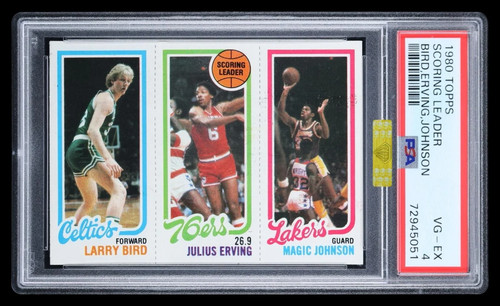 |
Larry Bird / Julius Erving / Magic Johnson #34 / 139 / 174 1980 Topps |
$624.73 | $79,036 | -9.3% |
 |
LeBron James [X-Fractor] #127 2025 Topps Chrome |
$27.83 | $274.00 | -8.7% |
 |
Kobe Bryant #138 1996 Topps |
$106.56 | $2,198 | -8.2% |
 |
Shaquille O'Neal #A 1992 Hoops Draft Redemption |
$99.44 | $1,264 | -6.4% |
Look up any card's current raw and graded value in Midpoint — and get an estimated grade before you pay to submit.
1. The November 2026 Basketball Card Market at a Glance
The headline is a split picture. As of 2026-11-24, tracked basketball cards were roughly flat week over week, but the 30-day view shows modest declines. That pattern often points to a slow grind lower, not a panic.
Flat weekly numbers with softer monthly numbers can mean sellers have stopped chasing the market down, but buyers have not returned in force either. Prices may stall near new lower levels.
- Short term (7 days): mostly stable.
- Medium term (30 days): modest declines across many tracked cards.
- What it means: falling basketball card prices are real but gradual, so you have time to be selective.
2. Biggest Fallers: Tim Duncan, Shaquille O'Neal, Victor Wembanyama and LeBron James
Several well-known names appear among the cards that cooled the most in our tracked data: Tim Duncan, Shaquille O'Neal, Victor Wembanyama and LeBron James, across multiple PSA grades. Look up the specific card and grade you care about for current figures.
Notice the mix. Duncan and Shaq are established legends, while Wembanyama is a current star with a hot rookie class. Drops are not limited to speculative cards. Even marquee names can get repriced when supply is high or buyers step back.
- Compare raw vs graded: a PSA 10 often moves more than a raw copy because buyers pay a premium for perfection.
- Compare grades: a PSA 9 may hold better than a PSA 10 of the same card.
- Look at your own cards: use card lookup to see raw and graded values before deciding to sell.
3. Modern vs Vintage: Why Newer Releases Are Weakening
Basketball cards losing value is mostly a modern-card story. New releases keep arriving, print runs are deep, and grading companies add to the PSA 10 population every month. More copies chasing the same buyers tends to push prices down.
Iconic vintage cards tend to behave differently. Their supply is fixed, and the buyers are often long-term collectors rather than flippers reacting to this week's box breaks. They are not immune, but they tend to move less when the market is soft.
- Modern: supply keeps growing, so demand has to keep growing to hold prices.
- Vintage: supply is capped, and demand is often steadier.
4. How Price Changes Are Measured: 7-Day, 30-Day and 3-Month Trends
Not every "price drop" headline means the same thing. Good price tracking relies on completed sales from eBay and other marketplaces, not asking prices, and compares the same card in the same grade over set windows.
- 7-day: shows the latest momentum but can swing on one or two sales.
- 30-day: a useful window for judging whether a dip is real. It is the one used for the November 2026 comparison.
- 3-month: shows whether a drop is a blip or part of a longer slide.
Thinly traded cards can look dramatic from just a few sales. When a card sells rarely, treat any percentage change with caution.
5. Why Basketball Card Prices Are Falling: Supply, Demand and Timing
No single cause clearly explains basketball card prices dropping in November 2026. Several forces plausibly stack up at once.
- Release supply: fresh sets and parallels keep adding inventory.
- Collector demand: hype often cools after the first weeks of a release, and attention drifts.
- Player performance: prices tend to follow storylines. A slow stretch, an injury or just a quieter news cycle can pull demand back.
- Season timing: the season is early, so there are fewer big moments to spark buying.
- Grading populations: as more PSA 10s are certified, the premium for each can shrink.
- Holiday selling pressure: some collectors list cards to fund gifts, which can add supply right when buyers are stretched.
6. PSA 10 Pricing, Population and Centering: Where the Downside Risk Lives
A PSA 10 carries a big premium, so it has the most room to fall when the market softens. If the population grows or buyers stop paying for perfection, that premium can compress quickly.
Condition is the other half. Centering is a grading factor collectors often miss, and a card that is badly off-center will not reach a 10 no matter how clean the surface is. Read how centering impacts card value before you assume a raw copy is a gem candidate.
- Do not pay PSA 10 prices for a raw card you only hope will grade a 10.
- Remember that each company scores differently; see the grading scale differences by company.
- Factor in grading fees. Fees vary by company and service level and can add up quickly per card, which matters when prices are already falling.
7. Basketball Cards Still Rising or Holding: Luka Dončić and Select Legends
Not everything is sliding. Luka Dončić rookies are among the cards holding or rising in our tracked data, and some legend cards have stayed relatively firm while newer cards cool.
A likely common thread is proven demand. Established stars with deep collector bases tend to attract buyers even when the broader market is quiet. Look up the specific cards you follow to see their recent moves.
- Holding value does not mean guaranteed gains. It means less downside so far.
- Cards that hold in a dip may do well when sentiment recovers, but that is not guaranteed.
8. Correction or Crash? How to Read the Dip
Flat week-over-week action and modest 30-day declines look more like a correction than a crash. A crash would show sharp, broad drops across vintage and modern, raw and graded, with sales volume drying up. That is not what the tracked data shows.
Watch for these signals over the next few weeks:
- Stabilization: 7-day numbers staying flat while 30-day declines stop widening.
- Vintage cracking: if resilient legends start falling together, that is a warning sign.
- 3-month trend: a continued slide here would suggest more than seasonal softness.
9. Black Friday 2026: Sealed-Box Deals, Resale Margins and Fee Math
Black Friday discounts on sealed boxes can look like a gift in a falling market. They can also be a trap if you plan to flip.
Resale margins shrink fast once you count marketplace fees, shipping and supplies. And if singles prices keep drifting down, the cards you pull may be worth less than the box price implied.
- Buy boxes you want to open, not boxes you need to profit from.
- Subtract fees and shipping before calling any flip a win.
- Remember that holiday selling pressure can push singles lower after you buy.
- Store anything you keep properly; our guide on how to store valuable cards covers it.
10. Buy, Sell, Hold or Grade: A Practical Plan for the Dip
Here is a simple way to handle basketball cards to buy the dip without overreaching.
- Buy: target proven names at lower prices, and buy in stages rather than all at once.
- Sell: if you hold modern cards you bought on hype and need cash, consider selling now rather than waiting. Holding is only worth it if you would buy the card today.
- Hold: long-term legends and vintage you love are usually fine to keep.
- Grade: a cheap raw copy that centers well can be a smart play, because grading adds value only if the card actually earns the grade.
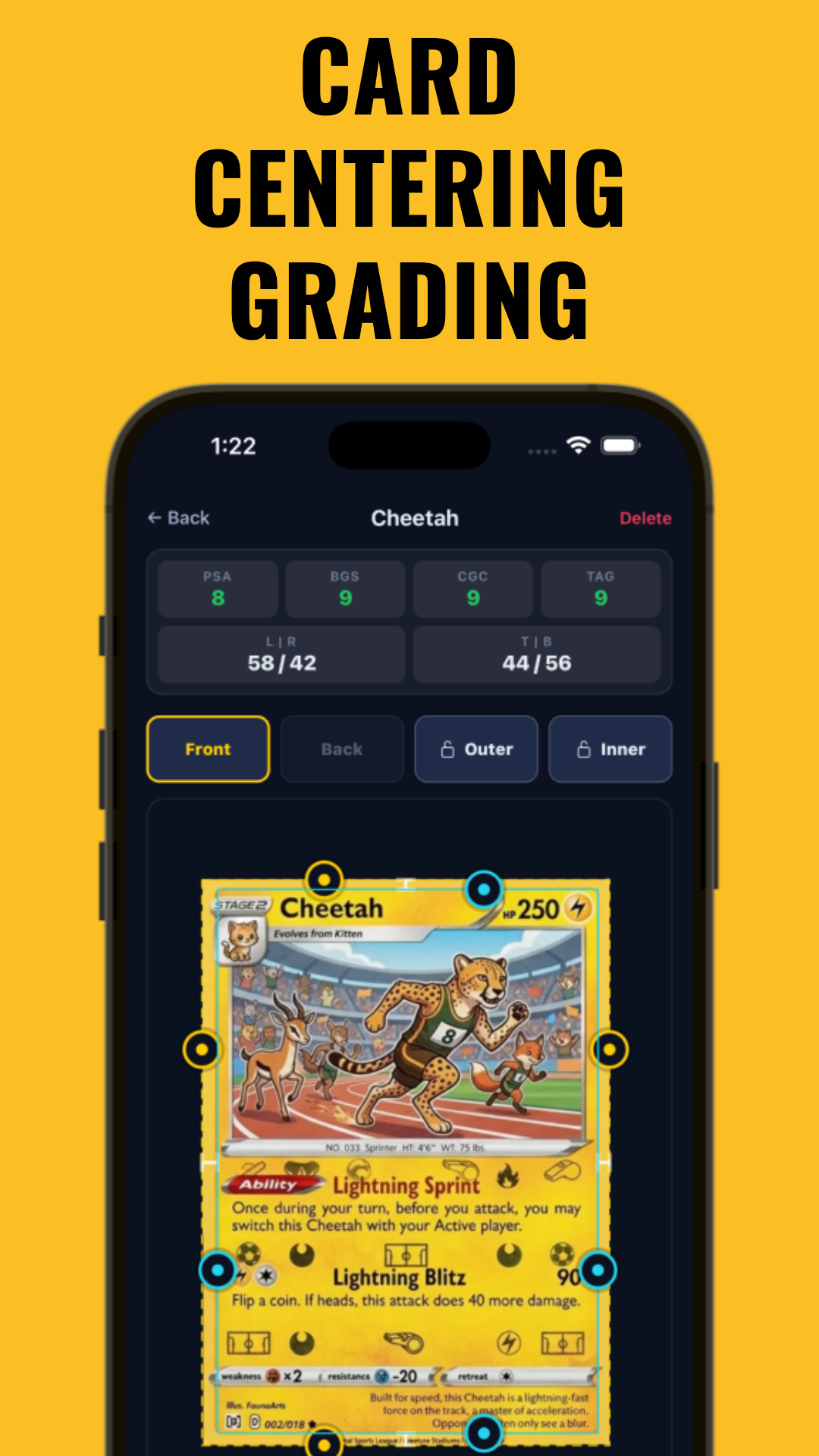
That last point is where Midpoint helps. You can measure centering precisely and get an estimated PSA, BGS, CGC or TAG grade before you spend money on submission. Try the free centering calculator, and follow the step-by-step pre-grading guide to screen cards at home.
Conclusion
Basketball card prices dropping in November 2026 looks like a moderate, uneven cooling, plausibly driven by supply, fading hype, season timing and holiday selling. Modern and PSA 10 cards are most exposed, while vintage and select stars like Luka Dončić have held up better.
Use the dip with discipline: be selective, do the fee math, and screen cards for centering before grading. Midpoint also tracks raw versus graded values and your portfolio over time, so you can see what your collection is worth as the market moves.
FAQ
Q: Are basketball card prices dropping in November 2026?
A: Modestly. As of 2026-11-24, tracked cards were roughly flat week over week, but 30-day trends show modest declines, with modern cards and PSA 10s most affected.
Q: Why are basketball card prices going down right now?
A: Likely a mix of release supply, cooling hype, early-season timing, growing grading populations and holiday selling pressure as collectors list cards for cash.
Q: Which basketball cards have dropped the most in November 2026?
A: Cards for Tim Duncan, Shaquille O'Neal, Victor Wembanyama and LeBron James are among those that softened across tracked PSA grades as of 2026-11-24. Look up the specific card and grade for exact figures.
Q: Is this a good time to buy basketball cards?
A: It can be, if you are selective. Favor proven players, buy in stages, avoid paying PSA 10 prices on hope, and check centering before grading any raw copy.
Q: Should I sell my basketball cards before prices fall further?
A: It depends on the card and your needs. Sell modern hype purchases you would not rebuy today, and consider holding long-term legends. The data looks more like a correction than a crash, but no one can predict future prices.
Q: Are vintage basketball cards safer than modern cards during a market downturn?
A: Generally more resilient, because supply is fixed and buyers are often long-term collectors. They are not risk-free, but they have held up better than newer releases.
Free to start
Try the Midpoint app
Grade any card from a photo, see its raw and PSA 10 value, and track what your collection is worth — free.
Get it on iPhoneGet it on Android


