Basketball Card Prices Rising November 2026: What to Do
Basketball card prices rising in November 2026? See how to read 30-day movers, raw vs PSA 10 gaps, and decide whether to buy, hold, sell or grade.

Estimated reading time: 9 min
Key Takeaways
- Basketball card prices rising in November 2026 is only meaningful when it shows up in completed sales, not active asking prices.
- The data table in this post lists 30-day movers with raw and PSA 10 values as of 2026-11-10. Use it as a starting point, not a prediction.
- The raw-to-PSA 10 gap decides whether grading makes sense. Measure centering first so you don't pay grading fees to submit a card that can't hit a 10.
- Rookies, second-year players, stars and WNBA names move for different reasons. Hype tends to fade faster than awards, role and long-term production.
Basketball card prices rising in November 2026 is the headline, but the useful question is which cards moved, why, and whether the move will hold. The basketball card market in November 2026 is shaped by the NBA season, a new licensing era and a flood of new product.
This guide walks through trending basketball cards in order of what to check first. It does not guess at numbers. For specific figures, use the raw and PSA 10 values in the table in this post, dated 2026-11-10, and verify any card you care about against recent sold listings.
30-day price movers — live data from Midpoint's card database, as of 2026-11-10. Prices move; Midpoint refreshes these daily.
| Card | Raw | PSA 10 | 30-day | |
|---|---|---|---|---|
 |
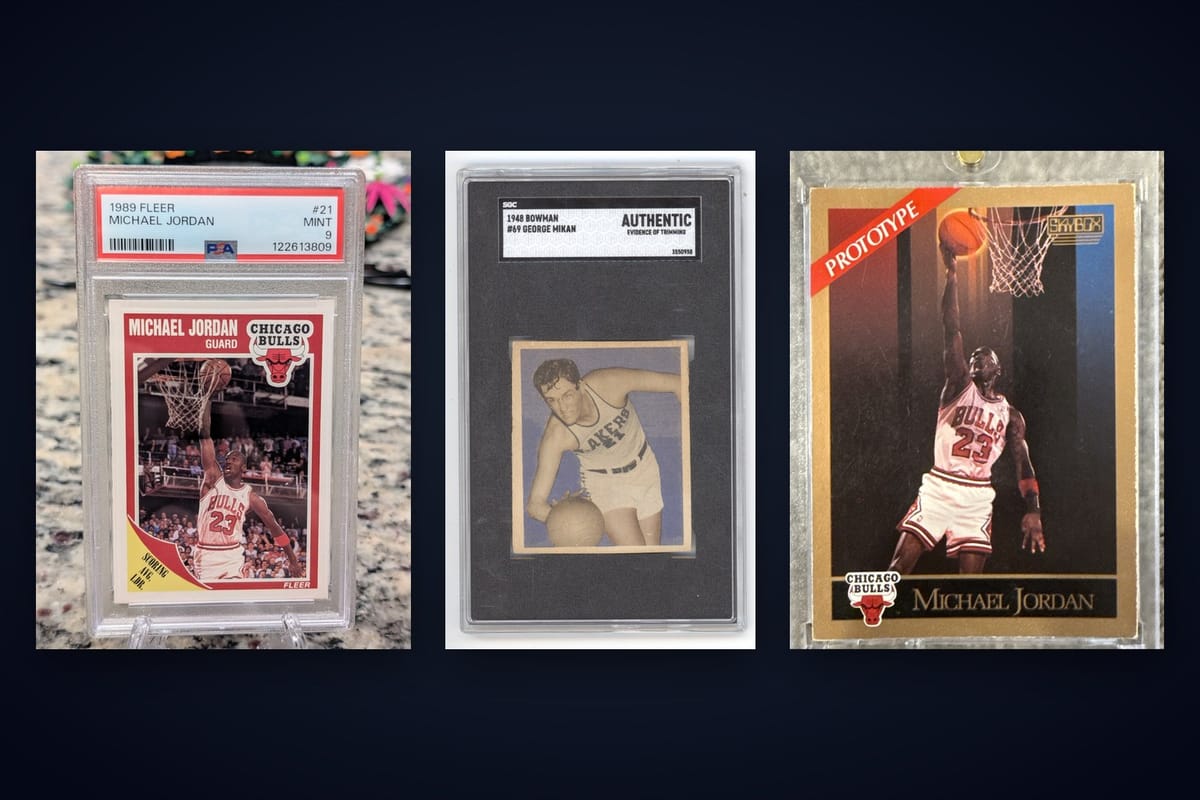
Michael Jordan #3 1989 Fleer Sticker |
$14.48 | $10,620 | +30.6% |
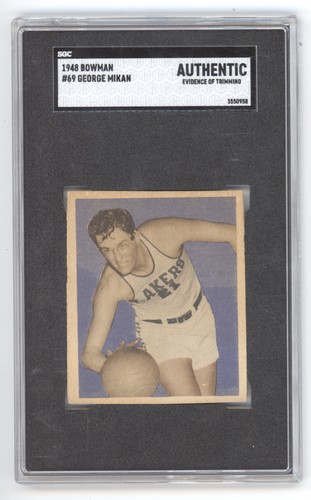 |
George Mikan #69 1948 Bowman |
$6,004 | — | +23.7% |
 |
Michael Jordan #41 1990 Skybox Prototype |
$321.65 | $2,740 | +21.7% |
 |
Michael Jordan #4 1997 Hoops Frequent Flyer Club |
$287.87 | $2,301 | +15.4% |
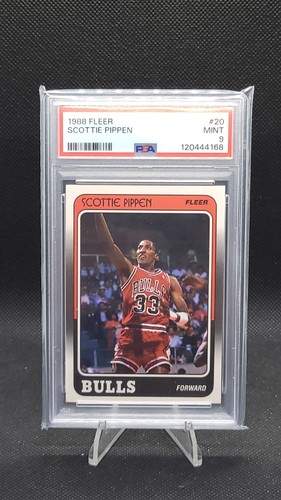 |
Scottie Pippen #20 1988 Fleer |
$23.75 | $4,025 | +10.4% |
 |
Michael Jordan #13 1991 Hoops Superstars |
$25.82 | $1,999 | +5.9% |
 |
Michael Jordan #7 1985 Star Gatorade Slam Dunk |
$4,250 | $182,495 | +2.2% |
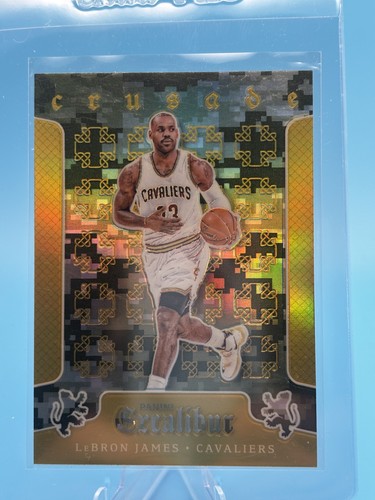 |
LeBron James #10 2015 Panini Excalibur Crusade |
$82.50 | $137.50 | 0% |
 |
Victor Wembanyama [Silver] #298 2023 Panini Hoops |
$144.51 | $713.00 | 0% |
 |
Victor Wembanyama [Silver Prizm] #282 2023 Panini Hoops Premium Stock |
$21.06 | $425.00 | 0% |
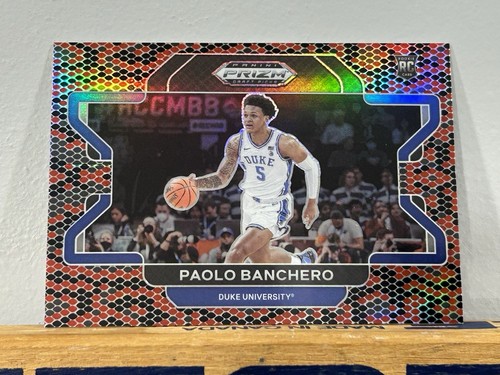 |
Paolo Banchero [Venom] #52 2022 Panini Prizm Draft Picks |
$44.97 | $250.00 | 0% |
 |
Michael Jordan #M1 1995 Finest Mystery |
$98.52 | $1,593 | 0% |
Look up any card's current raw and graded value in Midpoint — and get an estimated grade before you pay to submit.
1. Start With 30-Day Movers From Completed Sales
A 30-day window is a useful lens for a November check. It is long enough to smooth out one lucky auction and short enough to show real momentum. Compare it with the 7-day move and the year-to-date trend before you react.
- 7-day move up, 30-day flat: often a short spike. Wait.
- 30-day and year-to-date both up: a stronger sign that basketball cards are going up in value for a lasting reason.
- 30-day up, year-to-date down: often a rebound from a low base, not a breakout.
Look at the table's raw and PSA 10 columns together. A card that rises in both is healthier than one that moves only in PSA 10, which can come from a handful of sales.
2. Rookies Drive Most Trending Basketball Cards
Rookie cards react fastest to early-season games. A breakout stretch, a career-high night or a strong Rookie of the Year case can lift prices within days. Rookies also carry the most risk, because a single injury or a slump can reverse the gain.
Rookie-card status matters a lot. A true rookie card, especially a numbered parallel, an autograph or a patch, usually holds more value than a base card from a later set. Serial numbering such as /99 or /25 adds scarcity that base cards lack.
- Check whether the card is a flagship rookie or a lower-tier insert.
- Prefer numbered parallels and autographs over base cards when buying for the long term.
- Be cautious about buying after a viral highlight. The price you pay may already include the hype.
3. Second-Year Players and Established NBA Stars
Second-year players often move on role changes. A bigger role, a starting spot or an All-Star push can re-rate a card that was quiet a year earlier. These cards can hold gains better than first-year hype because there is a real track record.
Established stars behave differently. Their prices tend to move less in percentage terms but hold better. Their market is driven by awards, MVP talk and team success. Their best cards, such as early rookies, low-numbered parallels and autographs, are priced as long-term holdings.
If you're scanning the table for basketball cards going up in value, note which names are rookies and which are proven players. Their risk profiles are different.
4. WNBA Standouts Are Part of the Story
WNBA cards have drawn more collectors in recent years, helped by higher-profile rookies, TV attention and crossover interest from the NBA audience. Supply is often smaller than for comparable NBA cards, so a demand bump can move prices quickly.
Thinner markets cut both ways. Fewer sales mean one or two auctions can set the apparent price, so a single high sale is weak evidence. Look for several completed sales before you treat a WNBA price jump as real.
5. Performance, Injuries, Awards and Media Attention
Card demand follows the player. The main drivers of a November price move are:
- Performance: scoring streaks, triple-doubles and efficiency jumps.
- Awards: Player of the Week, All-Star votes, MVP and Rookie of the Year conversations.
- Team success: winning teams tend to get more national games and more collector attention.
- Injuries: a long-term injury can cool prices fast, though some collectors buy dips.
- Media attention: viral clips, social posts and big-market coverage.
In November the season is only weeks old, so the sample is small. Early surges can be real but fragile, and the player has to keep performing for the move to last.
6. Topps Replacing Panini: Licensing and Scarcity
Topps (owned by Fanatics) is now the primary licensed NBA card producer, taking over from Panini beginning with the 2025-26 season. That change affects collectors in two ways. First, Topps cards are the ones many collectors now seek for current rookies. Second, older Panini-licensed sets are no longer being added to, which can support demand for key cards from them.
Scarcity is not automatic. A set with a fixed supply only gains from that if the cards were scarce to begin with. A common base card from a Panini set that was printed in large numbers will not become rare just because the license moved.
- Fixed-supply sets tend to favor low-numbered parallels, autographs and rookie cards of star players.
- Common base cards usually benefit little from licensing news.
- Collectors will take time to settle which brand's rookies they most want.
7. 2026-27 Topps Flagship Basketball: What to Watch
Flagship releases add new supply, and new supply often takes some heat out of prices for the same players' cards from earlier sets. For the current release, check the official checklist, the box formats and the retail price before you buy. Then compare the sealed-product price with what the box actually sells for on the secondary market.
When a box sells well above its retail price, the market is paying for the chance at a hit, and that premium can fall once supply catches up. Don't chase sealed product based on early excitement alone. Wait for several sold listings to show where the price settles.
8. Raw vs PSA 10: Read the Gap Before You Grade
The gap between the raw price and the PSA 10 price is where grading decisions are made. A big gap rewards a gem result. A small gap means grading fees and risk can eat the profit. Lower grades, such as a PSA 9, usually sell for much less than a PSA 10 on modern cards, so aim only if you believe the card can reach a 10.
Check the population report too. A PSA 10 that is common sells for less than one that is scarce, and a flood of new 10s can pull the price down. For how companies differ, see grading scale differences by company.
Centering is the first thing to check, since a bad ratio can cap a grade no matter how clean the rest of the card is. Our guide on how centering impacts card value explains how. You can measure it with Midpoint and get an estimated PSA, BGS, CGC or TAG grade before you pay to submit.
9. Overproduction Can Cap Gains on Common Cards
Modern basketball cards are printed in large quantities. Many base cards, common parallels and unnumbered inserts have too much supply for demand to push prices very far, even when the player is hot.
The cards with room to rise tend to share a few traits:
- True scarcity, through serial numbering or a short print run.
- Autographs, relics or both.
- Rookie-card status for a player with lasting demand.
- A low population in high grades.
If a card is easy to find in bulk, a price jump is more likely to fade. For grading strategy on scarce cards, see card grading for low population cards.
10. Verify Every Price Rise With Sold Listings
Asking prices are wishes. Sold listings are facts. Active eBay listings can sit at inflated numbers for weeks and say nothing about real demand. To verify that basketball card prices are rising, follow these steps:
- Filter to completed or sold listings only.
- Match the exact card: set, parallel, numbering, and grade.
- Look at at least several recent sales, not one.
- Check whether auction bids ran up or the sales were fixed-price.
- Ignore outliers, such as a shill-looking sale or a damaged copy sold as raw.
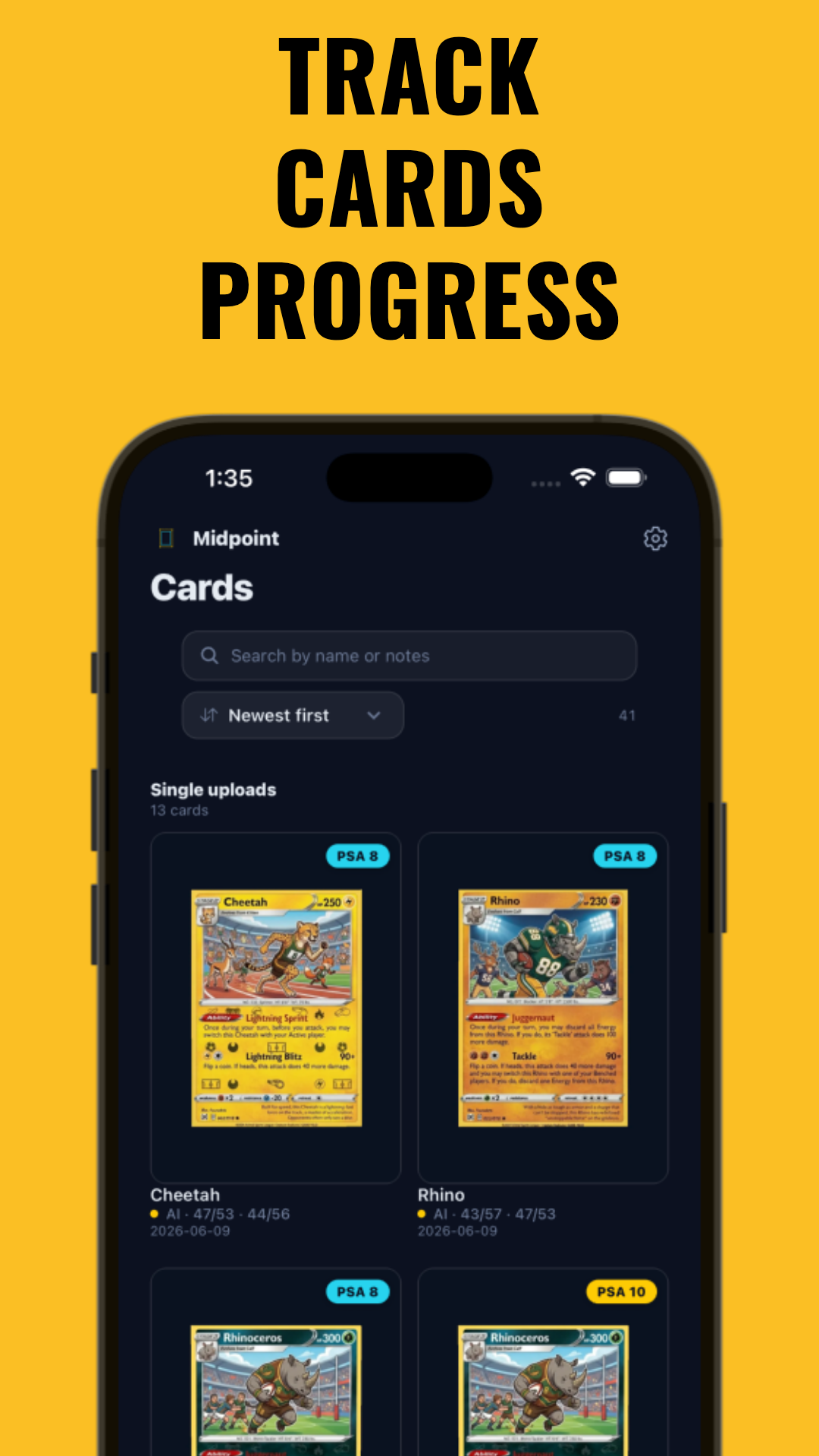
You can also use Midpoint's card lookup to compare raw and graded values across 250,000+ cards, and track how your own collection's value changes over time.
11. Sustainable Demand or Short-Term Speculation?
Not every rise is a trend. Sustainable demand tends to come from real collectors buying cards of players with lasting production, awards and fan bases. Speculation tends to come from a single viral moment, a thin market, or flippers chasing each other.
Use this quick test before acting:
- Buy: the 30-day and year-to-date trends are up, the supply is limited, and the player has a record behind him or her.
- Hold: you own a scarce card of a proven player and the move is steady rather than a spike.
- Sell: the card rose sharply on a small number of sales, supply is large, or the hype outpaces production.
- Grade: the PSA 10 premium is wide, the population is manageable, and your centering measurement supports a top grade. Our pre-grading guide walks through the steps.
Store anything you keep properly, since condition drives value. Our guide to storing valuable cards covers the basics.
Conclusion
The basketball card market in November 2026 offers real opportunities and plenty of noise. Start with the 30-day movers in the table (as of 2026-11-10), confirm them with sold listings, and separate scarce, proven cards from hype-driven common ones. Then check the raw-to-PSA 10 gap before grading.
Before you submit anything, measure centering and get an estimated grade with Midpoint. It is free on iOS and Android and can save you from paying grading fees on a card that was never going to hit a 10.
FAQ
Q: Which basketball players' cards are rising the most in November 2026?
A: The table in this post lists the biggest 30-day movers as of 2026-11-10, with raw and PSA 10 values. Rookies and second-year players tend to move the most in percentage terms, but confirm any move with several completed sales.
Q: Why are basketball card prices going up in 2026?
A: Common drivers include strong early-season performances, awards talk, media attention, and the shift to Topps as the primary NBA card producer. Prices rise for lasting reasons only when scarcity and real production support them.
Q: What are the most valuable 2025-26 and 2026-27 basketball cards?
A: Generally the most valuable cards are rookie cards of top players that are numbered, autographed or carry relics, and that are graded PSA 10 with a low population. Base cards are usually worth far less.
Q: Are NBA rookie cards a good investment in November 2026?
A: They can be, but they are high risk. Early-season hype can fade with a slump or an injury. Favor scarce, numbered cards of players with proven production, and don't pay a peak-hype premium.
Q: Should I buy basketball cards now or wait for prices to drop?
A: It depends on the card. If the 30-day and year-to-date trends are both up and supply is limited, buying may be reasonable. If a price jumped on a few sales or the card is common, waiting is safer. Nobody can predict short-term moves.
Q: How can I check the current value of my basketball card?
A: Look at completed sales for the exact card, parallel and grade, not active asking prices. You can also use Midpoint's card lookup to compare raw and graded values and track your collection over time.
Free to start
Try the Midpoint app
Grade any card from a photo, see its raw and PSA 10 value, and track what your collection is worth — free.
Get it on iPhoneGet it on Android