
Vintage Pokémon Cards Worth Money: Top WOTC-Era Cards to Know
Discover vintage Pokémon cards worth money from the WOTC era. Learn which cards are truly valuable, why, and how grading and condition impact prices.

Estimated reading time: 12 min
Key Takeaways
- WOTC-era (1999–2003) Pokémon cards, especially holos and 1st Editions, can be worth thousands—and in rare cases, even more—in top condition.
- Card condition, especially grading (PSA/BGS/CGC), creates massive value gaps—sometimes 100x or more between raw and PSA 10.
- Base Set, Neo, Legendary Collection, and e-Card sets contain many of the most valuable vintage Pokémon cards.
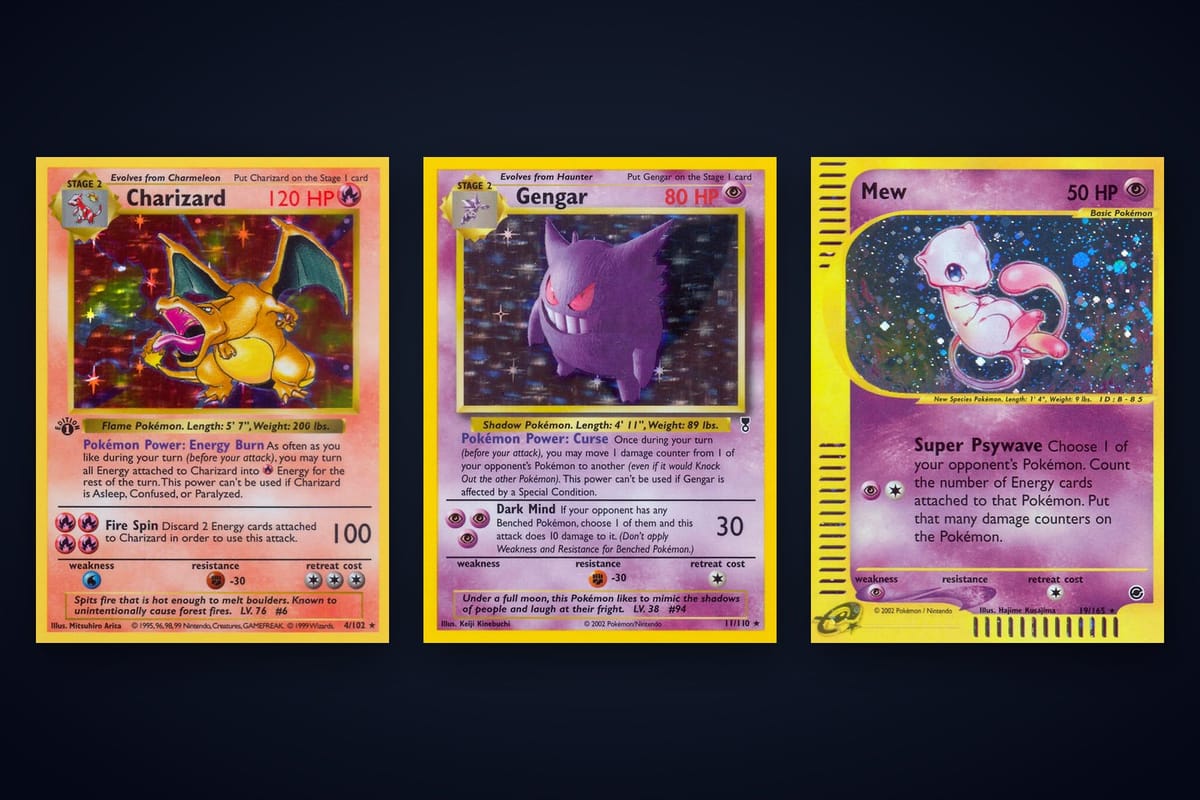
- Cards like Charizard Base, Gengar Legendary, and Mew Expedition are among the market's high end.
- Tools like Midpoint help collectors gauge value, grade potential, and avoid grading costly but low-potential cards.
Wondering which vintage Pokémon cards are worth money in today’s market? If you grew up with the original sets—Base, Jungle, Fossil—or have a dusty binder of WOTC-era holos, you might be sitting on a collector’s goldmine. But not every old card is valuable, and the difference between a $100 and a $100,000 card often comes down to small details: edition stamps, set symbols, and especially condition. This guide breaks down everything you need to know about WOTC Pokémon cards value, from the most valuable singles (with real, current prices) to what really drives those eye-popping numbers.
The data cited here is as of 2026-08-20, based on live prices from Midpoint. A data table with card images is automatically included below—keep reading for the context and collector insights that numbers alone can’t explain.

Card values — live data from Midpoint's card database, as of 2026-08-20. Prices move; Midpoint refreshes these daily.
| Card | Raw | PSA 10 | Gem premium | |
|---|---|---|---|---|
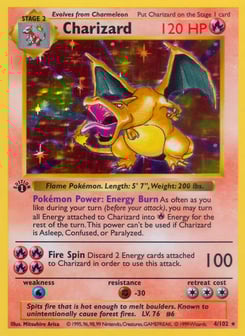 |
Charizard #4/102 Base (1999) |
$2,146 | $414,331 | 193× |
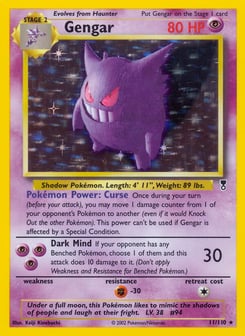 |
Gengar #11/110 Legendary Collection (2002) |
$179.99 | $408,000 | 2266.8× |
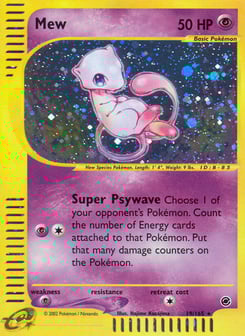 |
Mew #19/165 Expedition Base Set (2002) |
$790.00 | $200,000 | 253.2× |
 |
Mew #1/18 Southern Islands (2001) |
$502.30 | $140,000 | 278.7× |
 |
Charizard #146/144 Skyridge (2003) |
$249.95 | $76,373 | 305.6× |
 |
Lugia #149/147 Aquapolis (2003) |
$999.95 | $72,040 | 72× |
 |
Gyarados #12/110 Legendary Collection (2002) |
$48.72 | $66,000 | 1354.7× |
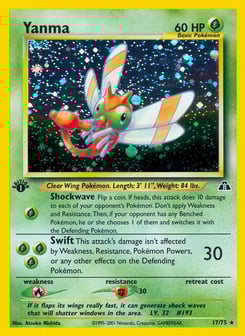 |
Yanma #17/75 Neo Discovery (2001) |
$120.00 | $66,000 | 550× |
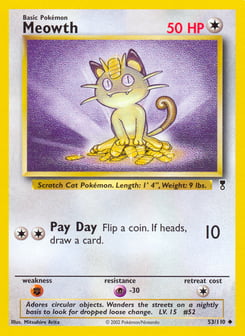 |
Meowth #53/110 Legendary Collection (2002) |
$79.99 | $66,000 | 825.1× |
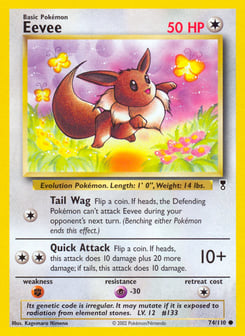 |
Eevee #74/110 Legendary Collection (2002) |
$535.00 | $66,000 | 123.4× |
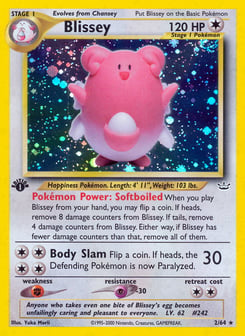 |
Blissey #2/64 Neo Revelation (2001) |
$170.00 | $60,000 | 352.9× |
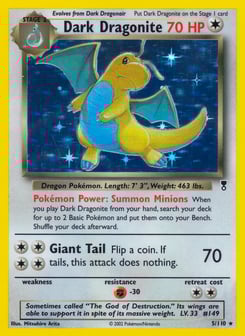 |
Dark Dragonite #5/110 Legendary Collection (2002) |
$229.55 | $60,000 | 261.4× |
Look up any card's current raw and graded value in Midpoint — and get an estimated grade before you pay to submit.
1. Charizard Base Set #4/102 (1999): The Icon of Value
The original Charizard #4/102 (Base Set 1999) is one of the most legendary vintage Pokémon cards. It’s the card many collectors chased, and today, it’s at the top of the WOTC Pokémon cards value pyramid. As of 2026-08-20:
- Raw value: $2,146
- PSA 10 value: $414,331
- Gem premium: 193x (raw vs. PSA 10)
This ‘gem premium’—the huge gap between a used (“raw”) copy and a flawless graded one—shows why condition is everything. Even tiny print lines, whitening, or poor centering can drop a Charizard’s value by tens of thousands. First Edition and Shadowless versions (look for the edition stamp and the absence of a shadow on the card border) are generally even more valuable, but even Unlimited Base Charizard is a top-tier collectible.
If you’re holding a clean copy, consider using a digital pre-grading tool like Midpoint before paying for pro grading—it could save you hundreds.
2. Gengar Legendary Collection #11/110 (2002): A Surprising Heavyweight
Not every valuable card is from the Base Set. Gengar #11/110 (Legendary Collection 2002) is a prime example of a non-Base Set card with significant value. As of 2026-08-20, it’s worth:
- Raw value: $179.99
- PSA 10 value: $408,000
- Gem premium: 2,266.8x
This is one of the wildest raw-to-gem multipliers in vintage Pokémon, largely due to Legendary Collection’s notorious print quality issues. The reverse holo “firework” foil is extremely prone to scratches, so high grades are rare. If you think your Gengar is flawless, it’s worth getting a professional pre-grade or using an AI grading tool before submitting to PSA or BGS.
3. Mew Expedition Base Set #19/165 (2002): The Modern Grail
Some of the most valuable vintage Pokémon cards come from the later WOTC sets. Mew #19/165 (Expedition Base Set 2002) is a notable example:
- Raw value: $790.00
- PSA 10 value: $200,000
- Gem premium: 253.2x
Expedition Base was the first e-Card set, marking the end of WOTC’s era. Mew’s artwork and relatively low print runs make it a collector’s favorite. The gulf between raw and PSA 10 prices highlights how few pristine copies exist. If you have Expedition holos, check centering and surface carefully—here's a guide to accurate centering estimates before you send anything for grading.
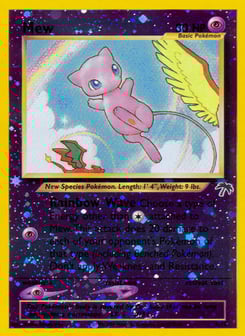
4. Mew Southern Islands #1/18 (2001): Promo Perfection
Promo sets can deliver significant value, and Mew #1/18 (Southern Islands 2001) is an example. Southern Islands was a special mini-set, and this Mew is highly sought after:
- Raw value: $502.30
- PSA 10 value: $140,000
- Gem premium: 278.7x
Promos are often overlooked, but rare ones like this can fetch high prices in high grade. Southern Islands cards are known for edge and surface wear from special packaging, so a gem-mint copy is a true rarity. If you’re not sure how to tell a promo’s potential, try an AI-assisted pre-grading approach.
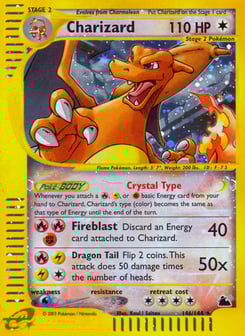
5. Charizard Skyridge #146/144 (2003): The Last WOTC Zard
WOTC’s swan song, Skyridge, is famous for its card art and low print runs. Charizard #146/144 (Skyridge 2003) is the set’s most notable card:
- Raw value: $249.95
- PSA 10 value: $76,373
- Gem premium: 305.6x
Collectors prize Skyridge Charizard for its e-Reader border and unique artwork. With fewer boxes opened than Base Set, supply is limited. Condition issues—especially centering and holo scratches—are common, so only the best copies reach five-figure prices.
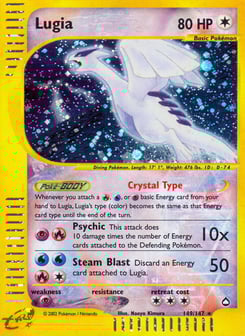
6. Lugia Aquapolis #149/147 (2003): Neo Favorite Goes Big
Lugia’s popularity surged with the Neo sets, but Lugia #149/147 (Aquapolis 2003) represents the top end for this legendary bird:
- Raw value: $999.95
- PSA 10 value: $72,040
- Gem premium: 72x
While the gem premium is lower than other cards (possibly due to better print quality or higher supply of clean cards), it’s still a significant leap for top-graded examples. Lugia remains a Neo and e-Card icon, and Aquapolis holos often suffer from centering issues—worth checking with a digital tool before you grade.
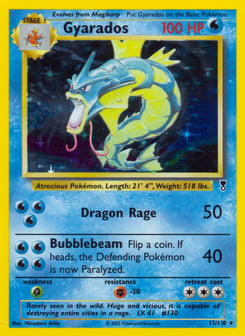
7. Gyarados Legendary Collection #12/110 (2002): Holo Fireworks, Huge Premium
Another reverse holo standout, Gyarados #12/110 (Legendary Collection 2002) is proof that not just fan-favorites, but also striking artwork and set scarcity, can drive value:
- Raw value: $48.72
- PSA 10 value: $66,000
- Gem premium: 1,354.7x
Legendary Collection’s fireworks holo pattern is extremely condition-sensitive. Even if your card looks clean, micro-scratches can affect its grade. Use strong light and magnification—or AI grading apps—to check before sending it off.
8. Yanma Neo Discovery #17/75 (2001): The Low-Pop Sensation
Some cards are valuable simply because high-grade copies are almost nonexistent. Yanma #17/75 (Neo Discovery 2001) is a classic “low pop” card:
- Raw value: $120.00
- PSA 10 value: $66,000
- Gem premium: 550x
Yanma’s premium is due to print defects and centering issues. Collectors covet "pop report" outliers—cards with very few PSA 10s in existence. If you have a near-perfect Neo holo, it’s worth a close look.
Learn more about why centering matters in this centering value guide.
9. Eevee Legendary Collection #74/110 (2002): Popularity and Scarcity Collide
Eevee is a perennial fan favorite, and Eevee #74/110 (Legendary Collection 2002) has become a notable card among the most valuable vintage Pokémon cards:
- Raw value: $535.00
- PSA 10 value: $66,000
- Gem premium: 123.4x
This card’s value is driven by both the Pokémon’s popularity and the set’s scarcity. Legendary Collection cards are tough to find in high grade due to their foil pattern and print quality. Even non-holo rares from this era, if in great shape, are worth a second look.
10. More Hidden Gems: Promos, Errors, and Low-Pop Cards
While the cards above headline the "vintage Pokémon cards worth money" conversation, don’t overlook rare promos (like Tropical Wind or trophy cards), misprints, and error cards. Some error cards—missing stamps, wrong holo patterns, or color shifts—can fetch premiums, especially if authenticated by PSA or Beckett.
For example, Meowth #53/110 (Legendary Collection 2002) and Dark Dragonite #5/110 (Legendary Collection 2002) are both reported as being worth over $60,000 in PSA 10, despite lower raw prices. Blissey #2/64 (Neo Revelation 2001) is another: $170 raw, $60,000 PSA 10. These are "low population" cards, often overlooked unless you check the pop report and use a grading tool first.
11. How Condition, Grading, and Set Matter
The difference between a $50 and a $50,000 card is usually condition and grading. Cards graded PSA/BGS/CGC 10 ("gem mint") can sell for 100x or more than the same card raw. Why? Because:
- Most 1999–2003 cards have print defects: centering, whitening, scratches, holo lines.
- Population reports show very few gem-mint examples for key cards.
- Collectors and investors pay a significant premium for perfection, especially for set icons.
Not every old card is worth grading. Commons, uncommons, trainers, and energy cards—even in top shape—rarely bring more than a few dollars. Focus on holos, 1st Editions, and major set icons. Use a modern tool like Midpoint's centering tool or the free centering calculator to check your cards before you spend $30+ per card on grading. If you're curious about the grading process and when it's worth it, see this in-depth guide to card grading.
Conclusion
Vintage Pokémon cards worth money are most often WOTC-era holos, promos, or major set hits—especially in PSA 10 or BGS 10 condition. The gulf between raw and gem-mint prices is significant: Charizard Base, Gengar Legendary, and Mew Expedition are all high-value cards in high grade, but could be worth much less if worn.
Before you grade, scrutinize centering, corners, edges, and surface. Use AI tools or digital graders like Midpoint to check your cards’ upside and avoid wasting money on low-potential submissions. For more on protecting your investment, check out this storage guide.
The vintage Pokémon market continues to evolve, but WOTC-era icons remain among the hobby’s most sought-after cards. With the right knowledge—and inspection tools—you could unlock serious value in your old collection.
FAQ
Q: Are old Pokémon cards actually worth money?
A: Some are—especially WOTC-era (1999–2003) holos, 1st Editions, and promos in top condition. Cards like Base Set Charizard or Legendary Collection Gengar can be worth tens or even hundreds of thousands in PSA 10. However, most commons and played cards are worth much less.
Q: How do I tell if my Pokémon card is valuable?
A: Check the set symbol (Base, Jungle, Fossil, Neo, Legendary Collection, e-Card), look for 1st Edition stamps, and see if it's a holofoil or promo. Card number, artwork, and rarity all matter. Condition is critical—cards with sharp corners, no whitening, perfect centering, and no scratches are much more valuable. Use a tool like Midpoint to assess grade potential before submitting for professional grading. For a detailed look at how centering varies by card type, see this complete guide to card centering by type.
Q: What are the most valuable vintage Pokémon cards?
A: Some of the most valuable WOTC-era cards (as of 2026-08-20) include Charizard #4/102 (Base), Gengar #11/110 (Legendary Collection), Mew #19/165 (Expedition), Mew #1/18 (Southern Islands), and Lugia #149/147 (Aquapolis)—all of which can be worth $70,000–$400,000+ in PSA 10. For a focused breakdown of 1999 cards, check the 1999 Pokémon cards value guide.
Q: How much is a 1st Edition Charizard worth?
A: The specific price varies with set and grade, but a 1st Edition Base Set Charizard in PSA 10 is among the most valuable Pokémon cards, often selling for hundreds of thousands. The Unlimited Base version is reported at $414,331 in PSA 10 (as of 2026-08-20)—1st Edition can be even higher.
Q: Are Shadowless Pokémon cards worth more than Unlimited cards?
A: Yes. Shadowless Base Set cards (no drop shadow around the picture, printed before Unlimited) are generally scarcer and usually worth significantly more than Unlimited printings, especially in high grade.
Q: Should I grade my vintage Pokémon cards before selling them?
A: Only if the card is rare and in great shape (no major whitening, creases, or scratches). Grading is expensive, so use a digital grading tool and research comps first. High-value cards in near-mint or better condition are usually worth grading, but commons and heavily played cards are not.
Free to start
Try the Midpoint app
Grade any card from a photo, see its raw and PSA 10 value, and track what your collection is worth — free.
Get it on iPhoneGet it on Android


