1957 Parkhurst PSA 9 vs PSA 10 Value: Is the 10 Worth It?
1957 Parkhurst PSA 9 vs PSA 10 value: how the premium works, where centering decides the jump, and when a PSA 9 is the smarter buy.

Estimated reading time: 9 min
Key Takeaways
- The 1957 Parkhurst PSA 9 vs PSA 10 value gap is driven by scarcity. On 1950s wax-pack cards, a PSA 10 is rare because centering, cuts, and wax staining all have to line up.
- The PSA 10 premium is not a fixed percentage. It varies card by card, so only completed sales for the exact card and grade tell you the real gap.
- The biggest 9-to-10 jumps tend to be on star and rookie cards with tiny populations, where centering often decides the grade.
- Bottom line: for most collectors, a clean, well-centered PSA 9 is the smarter buy. A PSA 10 only makes sense for a top-tier card, when you are buying for the long haul, and when the price gap is justified by the population.
- Cracking a PSA 9 to resubmit is rarely worth it unless the card is visibly stronger than its grade. Pre-check centering and surface first.
This guide compares the 1957 Parkhurst PSA 9 vs PSA 10 value for the 1957-58 Parkhurst hockey set: what separates the two grades, how to read the premium, and when each one is the better purchase. The quick answer: pay the PSA 10 premium only when the card, the population, and your holding plan all justify it. Otherwise a strong PSA 9 delivers most of the look for far less money.
One note on numbers: prices for vintage hockey move with each auction, so this article does not quote dollar figures. You will see how to pull them yourself and how to judge whether the gap is worth paying.
Card values — live data from Midpoint's card database, as of 2026-11-08. Prices move; Midpoint refreshes these daily.
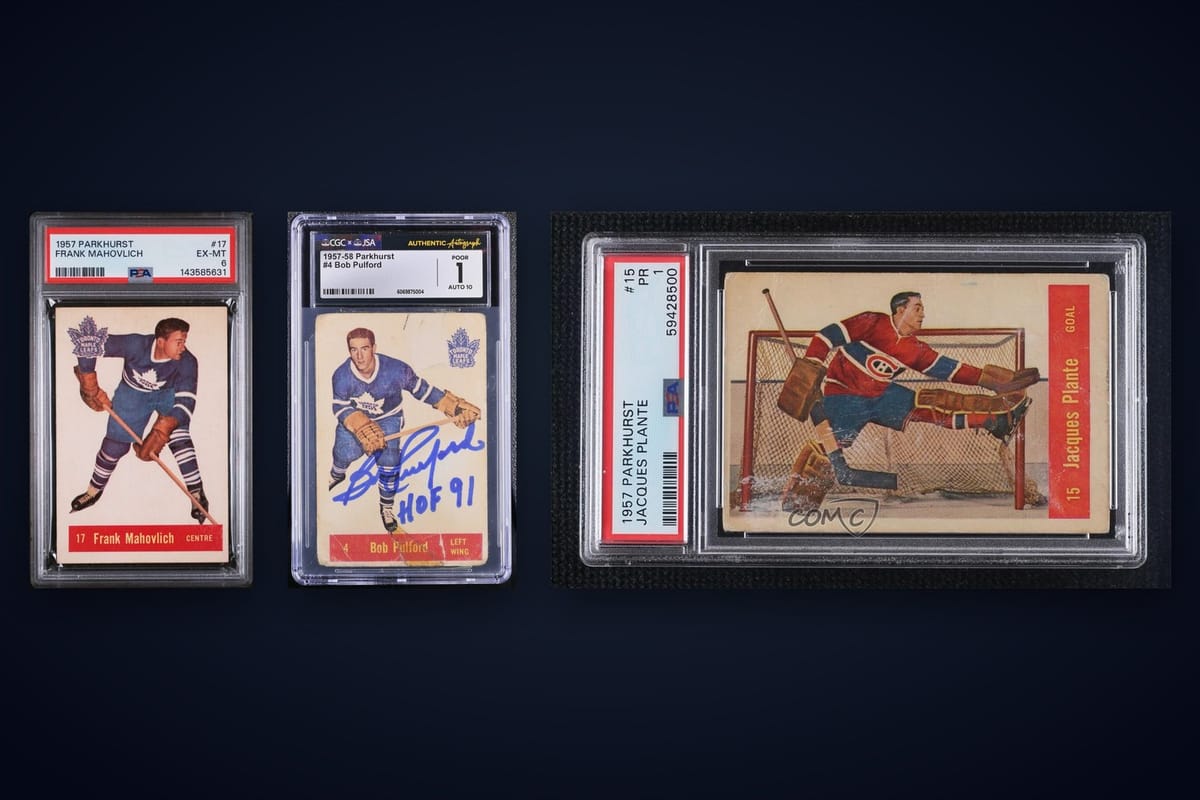
| Card | Raw | PSA 10 | Gem premium | |
|---|---|---|---|---|
 |
Frank Mahovlich #17 1957 Parkhurst |
$299.99 | $62,561 | 208.5× |
 |
Bob Pulford #4 1957 Parkhurst |
$99.99 | $20,884 | 208.9× |
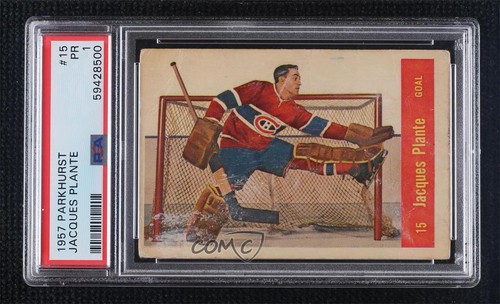 |
Jacques Plante #15 1957 Parkhurst |
$110.00 | $20,876 | 189.8× |
 |
Jean Beliveau #3 1957 Parkhurst |
$73.55 | $15,326 | 208.4× |
 |
Tim Horton #22 1957 Parkhurst |
$39.44 | $8,137 | 206.3× |
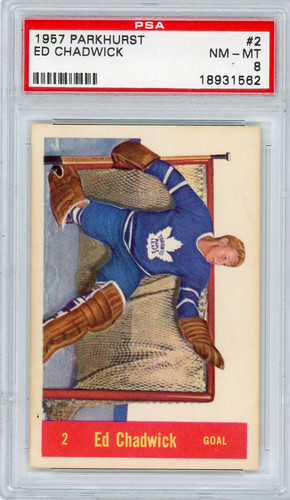 |
Ed Chadwick #2 1957 Parkhurst |
$58.65 | $5,678 | 96.8× |
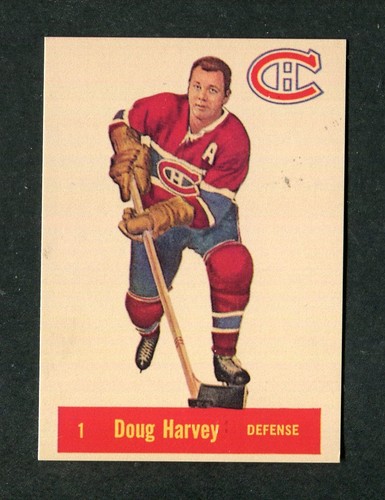 |
Doug Harvey #1 1957 Parkhurst |
$26.71 | $5,570 | 208.5× |
 |
Dickie Moore #14 1957 Parkhurst |
$23.03 | $4,122 | 179× |
 |
Charlie Hodge #17 1957 Parkhurst |
$28.41 | $3,819 | 134.4× |
 |
Andre Pronovost #7 1957 Parkhurst |
$16.06 | $3,359 | 209.1× |
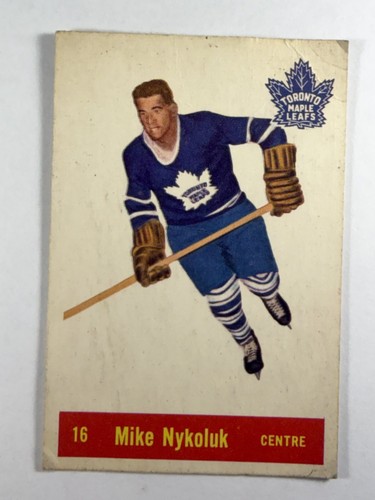 |
Mike Nykoluk #16 1957 Parkhurst |
$15.50 | $3,241 | 209.1× |
 |
Canadiens on Guard #21 1957 Parkhurst |
$14.38 | $3,010 | 209.3× |
Look up any card's current raw and graded value in Midpoint — and get an estimated grade before you pay to submit.
Quick Comparison: PSA 9 vs PSA 10 on 1957 Parkhurst
| Dimension | PSA 9 (Mint) | PSA 10 (Gem Mint) |
|---|---|---|
| Price | Substantially lower entry cost | Carries a scarcity premium that varies by card |
| Availability | Findable on most cards, though still scarce for a vintage set | Very few copies; some cards may have none or only a handful |
| Centering (front, per PSA's published standards) | Up to about 60/40 | About 55/45 or better |
| Surface and print | Minor flaw allowed | Essentially clean; free of staining, with at most a slight print imperfection |
| Corners and edges | Sharp, with a tiny imperfection allowed | Sharp and clean under close inspection |
| Resale liquidity | Broader buyer pool | Fewer buyers, but strong demand at auction |
| Best for | Value-focused collectors and set builders | Investors and registry-style collectors |
1957 Set Basics: What You Are Pricing
The 1957-58 Parkhurst set is a compact vintage hockey issue built around Original Six stars. It features legends such as Maurice Richard, Gordie Howe, Jean Béliveau, Jacques Plante, and Terry Sawchuk, along with early cards of future Hall of Famers. Collectors often chase the star cards and the key rookies first.
Why this matters for value: the gap between a PSA 9 and a PSA 10 is never uniform across a set. A common role player in a PSA 10 and a superstar in a PSA 10 behave very differently in the market. Demand for the player multiplies whatever scarcity premium the grade already carries.
When you identify your card, confirm three things:
- The player name and card number match the set checklist.
- The card is the correct year and brand, and not a reprint or reproduction.
- The slab label matches the card inside it.
Reprints and later reissues exist across vintage hockey, so authenticity checks come before any pricing conversation.
The PSA 10 Premium: Why the Gap Is So Wide
The 1957 Parkhurst PSA 10 premium exists because of survivorship. These cards came from wax packs, were stored loosely for decades, and were handled by kids. A card that survived with perfect corners, clean surfaces, and good centering is the exception.
Three forces push the premium up:
- Tiny populations. The fewer PSA 10s that exist, the more a buyer pays for the only way to own the top grade.
- Registry and trophy demand. Collectors building top-ranked sets bid aggressively for the best available copy.
- Player demand. The bigger the name, the larger the dollar difference between a 9 and a 10.
It helps to think in both dollars and percentage. A PSA 10 may cost a multiple of a PSA 9 on one card and a smaller multiple on another. The dollar difference is what you actually pay for the upgrade, and the percentage tells you how much the market prizes the grade on that specific card. Always calculate both from sold comps, not from asking prices.
For a deeper look at how rarity changes grading economics, see this guide to grading low-population cards.
Where Centering Decides the 9-to-10 Jump
On 1950s Parkhurst cards, centering is a common reason a card lands at PSA 9 instead of PSA 10. Print registration and cutting were inconsistent, so even a clean card can sit visibly off-center.
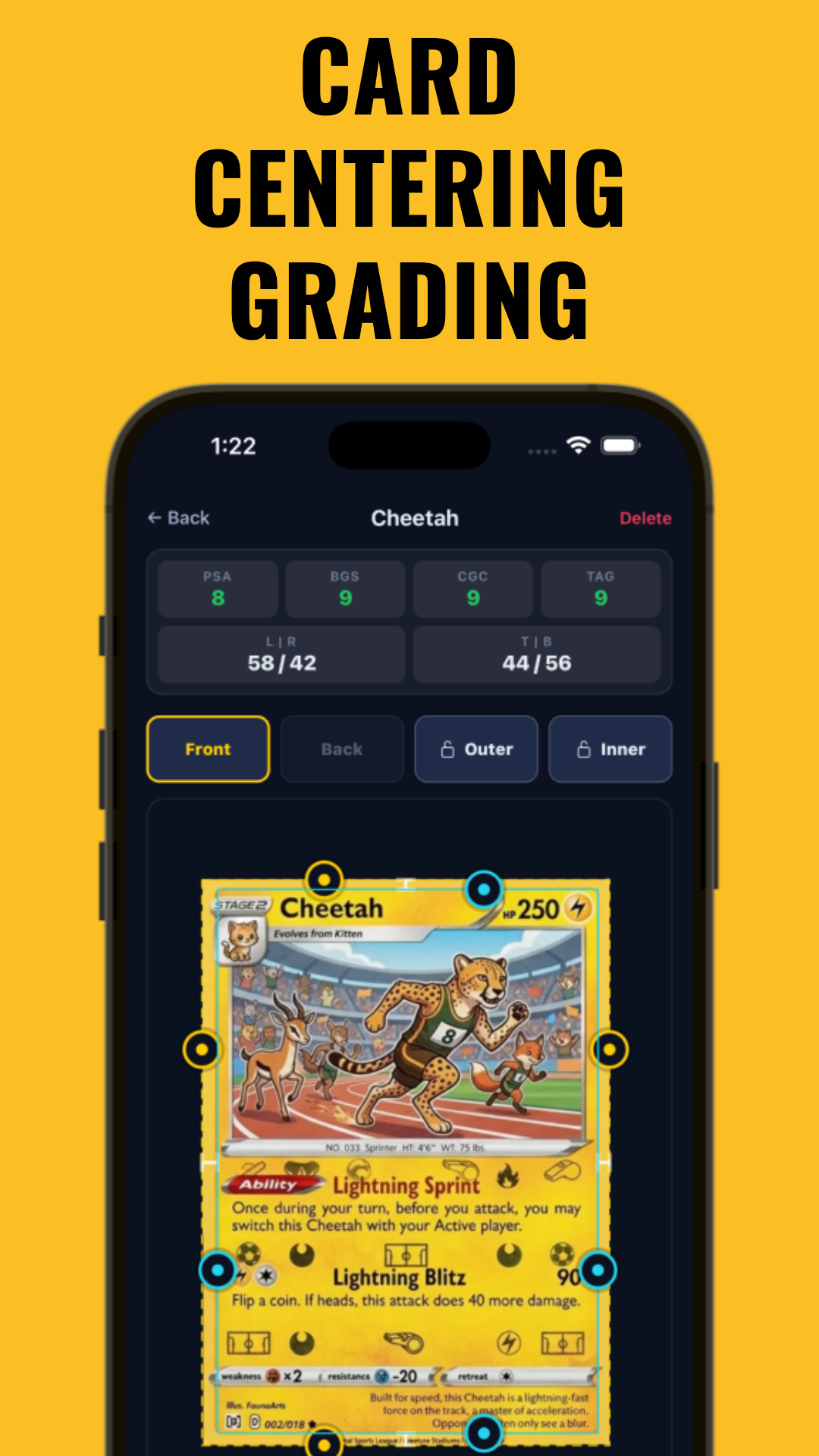
PSA's published standards for Gem Mint allow roughly 55/45 centering or better on the front, and its Mint 9 standard allows up to about 60/40. That is a narrow gap in measurement but a very large one in price. A card measuring 58/42 may look nearly perfect to the eye and still miss the 10.
This is why the biggest 9-to-10 jumps tend to cluster on cards where:
- the player is a star or key rookie,
- few high-grade copies exist,
- and the border design makes off-centering obvious.
Measure before you buy or submit. The free centering calculator gives you left/right and top/bottom ratios in seconds, and our guide on how centering impacts card value explains why a few percentage points can change the price so much.
Condition Standards: What Separates a 9 From a 10
Centering is only one factor. For vintage Parkhurst, graders look at several issues, and any one of them can cap the grade:
- Corners: a PSA 10 needs sharp corners under close inspection. A very minor flaw may still be allowed at PSA 9.
- Edges: chipping along the borders is common on older cards and a frequent grade killer.
- Surface: scratches, print lines, gloss loss, and indentations hold cards at 9 or lower.
- Print defects: registration problems, snow, or ink spots are typical on this era. A slight print imperfection can still be allowed at PSA 10, but more noticeable ones will hold a card back.
- Wax staining: residue from the original wax packs can appear on the front or back and is a classic issue for 1950s cards. PSA 10 must be free of staining, while PSA 9 can tolerate a very slight stain on the back.
A strong PSA 9 and a PSA 10 can look nearly identical in photos. The difference is often a single tiny flaw. This is also why a PSA 9 can be a smart purchase: you often get a card most people would call flawless at normal viewing distance.
If you want a repeatable process, follow this walkthrough on how to pre-grade your card.
How to Read Recent Sales and Population Data
The most useful price for a 1957 Parkhurst card is a completed sale of the same player, card number, and grade. Avoid anchoring on listing prices that have never sold.
A sound comps method:
- Use sold listings only. Asking prices tell you what a seller hopes for, not what a buyer paid.
- Compare venues. Auction house results and eBay sales can differ because the buyer pools and fee structures differ.
- Check the sale date. Vintage markets can shift quickly, so a sale from a hot period may not reflect today.
- Match the slab. Look for the same grade with no qualifiers, and eye appeal similar to your card.
- Verify with PSA's cert lookup. Enter the certification number to confirm the card, grade, and population record.
Then check the PSA Population Report for that exact card. A PSA 10 count of zero or a handful means the premium reflects real scarcity. A larger count of PSA 9s relative to PSA 10s tells you the 10 is the harder grade to reach, which matters when you consider an upgrade.
Midpoint also shows raw versus graded values for lookups across a large card database, so you can compare a raw copy against its graded values before you commit to either. Try Midpoint to see where your card sits.
Net Value: What You Actually Keep
The headline price is not the number that reaches your pocket. If you plan to sell, subtract the costs of getting there:
- Grading fees (these vary by service level and declared card value, and are higher for vintage or expedited service),
- shipping and insurance both ways,
- auction house or marketplace commissions,
- payment processing fees,
- and any taxes that apply where you live.
These costs matter more on lower-priced cards and less on high-end ones, since many are flat or percentage-based. A PSA 10 premium that looks huge on paper shrinks once fees are deducted, but so does a PSA 9. What matters is whether the net difference still favors the 10.
Grade also affects the insured value of your collection. See how grade impacts insurance value if you plan to hold a high-end slab.
Is Upgrading a PSA 9 to a PSA 10 Worth It?
Short answer: usually not. Cracking a slab and resubmitting is a gamble with real costs.
- The odds work against you. A card that was graded 9 already had a flaw a professional grader noticed. Resubmitting does not remove that flaw.
- You pay twice. New fees, shipping, and insurance come on top of the card's existing value.
- Downside risk is real. A resubmission can return the same grade, or lower, and you may lose the original label's market premium.
- Handling risk. Removing the card from a holder carries damage risk, especially on fragile vintage stock.
An upgrade attempt only makes sense if the card is genuinely stronger than its slab suggests and the dollar gap to the 10 is large enough to cover fees and still leave profit. Measure centering and inspect corners and surface first. If the numbers do not clearly clear the 55/45 front threshold, hold the 9. For help judging how grading companies define top grades, see this breakdown of grading scale differences by company.
Which Should You Choose?
Use this to decide between a PSA 9 and a PSA 10 for the 1957 Parkhurst grading value you want:
- Set builder on a budget: buy PSA 9s. A strong 9 fills the set at a far lower cost per card. For this buyer, a PSA 9 is clearly worth it.
- Buying a star or key rookie to hold: consider a PSA 10 if the population is tiny and you plan to hold for years. Scarcity is what you are paying for.
- Registry or trophy collector: the 10 is the goal, and the premium is the cost of admission.
- Flipper or reseller: favor the grade with the better net margin after fees. That is often the 9, because it sells to a broader pool.
- Holding a raw card: measure centering first and pre-grade before paying to submit. If it is not within PSA's 55/45 threshold, expect a 9 at best.
- Holding a PSA 9 already: keep it unless you can clearly demonstrate it is a 10 candidate and the economics hold after all costs.
Whatever you buy, protect it properly. Vintage cardboard is fragile, and our guide on how to store valuable cards covers the basics.
FAQ
How much is a 1957 Parkhurst card worth in PSA 9?
It depends heavily on the player and card number. Star and rookie cards sit far above common ones. The reliable method is to find recent completed sales for the exact card in PSA 9, and to check Midpoint's graded values for a current reference point.
How much more is a PSA 10 worth than a PSA 9 for a 1957 Parkhurst card?
The premium varies card by card and is driven by population and player demand. Compare completed sales of both grades for the same card, then calculate the dollar difference and the percentage premium, rather than assuming a standard multiple.
What is the most valuable 1957 Parkhurst hockey card?
Value tracks player demand and scarcity in high grade, so the top cards are generally the biggest Hall of Fame names and key rookies in top condition. Check recent sold results and the population report to see which card leads right now.
How many PSA 10 copies exist for the 1957 Parkhurst card I have?
Look up your card on the PSA Population Report by set, player, and card number. You can also enter the slab's certification number in PSA's cert lookup to confirm the card, grade, and population record.
Is it worth cracking a PSA 9 1957 Parkhurst card and resubmitting it for a PSA 10?
Usually not. You pay new grading, shipping, and insurance costs, risk damaging the card, and may get the same grade back. It only makes sense if the card measures clearly within PSA's Gem Mint centering range and shows no flaws on corners, edges, or surface.
Where can I find recent sold prices for 1957 Parkhurst PSA 9 and PSA 10 cards?
Use completed or sold listings on eBay, results from major auction houses, and a card lookup tool. Always match the same player, card number, and grade, check the sale date, and ignore asking prices that have not sold.
Free to start
Try the Midpoint app
Grade any card from a photo, see its raw and PSA 10 value, and track what your collection is worth — free.
Get it on iPhoneGet it on Android